Top Kayaking Adventures in Shelburne, New Hampshire
Shelburne’s paddling story is understated: narrow river bends, mirror-flat ponds, and frenetic spring runoffs tucked into a working-forest landscape. Kayakers come here for introspective morning glides past beaver lodges, day trips where loons call from open water, and shelf-quiet afternoons when the wind dies and the shoreline opens like a private gallery. This guide focuses on paddling opportunities within and immediately around Shelburne—flatwater touring, easy river runs with mild current, short portage options, and paddles that pair well with fishing, birding, and low-key backcountry camping.
Top Kayak Trips in Shelburne
8 trips • Book with confidence • Instant confirmation
Why Shelburne Is a Standout Kayaking Destination
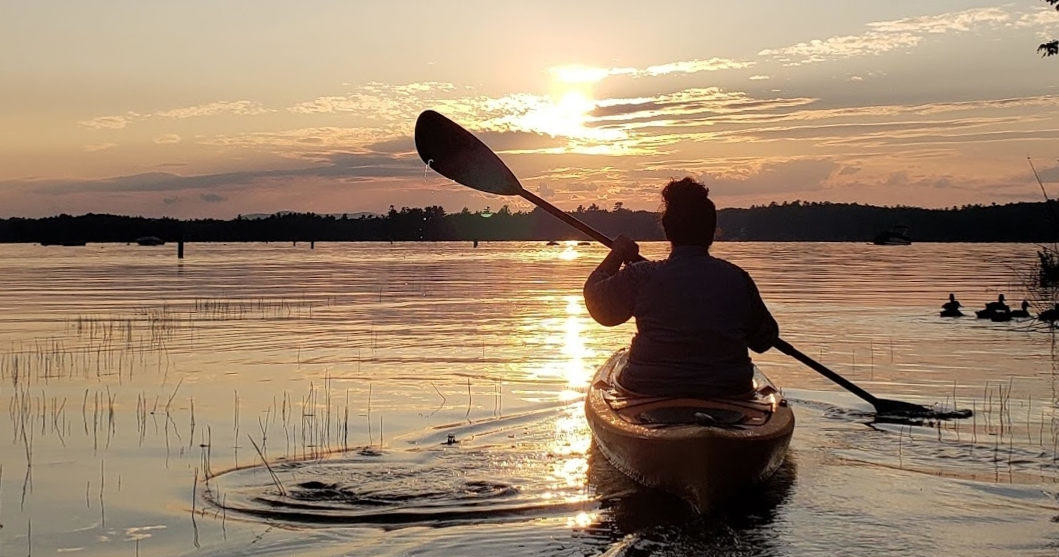
Shelburne sits at a quiet intersection between river corridor and northern lake country, where small-boat paddling is more about rhythm than notoriety. A morning in Shelburne often begins with the same small miracle: glassy water, a single loon’s yodel, and the slow, precise wake of a kayak carving through wood-strewn shallows. Unlike high-traffic coastal launch points or crowded Adirondack lakes, paddling here privileges close observation—river bends that fold into alder swamps, shorelines studded with fallen spruce, and open ponds where the only motor is a far-off fishing boat.
The paddling terrain is forgiving but varied. Expect long, flatwater stretches ideal for touring and photography; narrow river channels that thread between wetlands and offer gentle current and easy eddying; and a handful of smaller ponds that reward micro-navigation and attention to birdlife. In late spring, swollen streams and higher water levels open routes that are impassable in late summer; in high summer, warm afternoons and light winds create ideal conditions for sunset paddles. Fall brings crisp air and the first frosts on reeds—an under-the-radar time for quiet single-day runs before ice sets in.
Shelburne’s value for paddlers is also practical. Launch options are modest and typically low-fee or free, parking is rarely congested, and the landscape encourages short shuttles rather than complex logistics. Many paddles pair naturally with complementary activities: cast a line from your bow for smallmouth or brook trout in season, combine a morning paddle with a nearby trail walk to stretch legs and see different habitats, or plan an overnight lean-to stay beside one of the region’s quieter ponds. For anyone building a New England paddling loop that balances solitude, wildlife, and straightforward logistics, Shelburne is an elegant, easy-to-love stop that rewards slow travel and careful observation.
Shelburne’s paddling is dominated by flatwater touring, short river runs with mild current, and a handful of ponds that are ideal for wildlife-focused trips and photography.
Seasonality shapes route choice: spring run-off brings higher water and opens low portages; summer is best for stable, warm conditions; fall offers the quietest paddles before winter freeze-over.
Paddlers will find that many routes dovetail with birding, fishing, and easy backcountry camping—making Shelburne a good base for multi-activity day plans.
Best Time to Visit
Best Months
Weather Notes
Late spring brings higher water and vibrant river flows; summer offers the warmest, most stable paddling but occasional afternoon winds; early fall delivers cooler air and quieter waterways. Winter brings consistent freeze—paddling not recommended.
Peak Season
June through September—best weather and highest water access for nearby rivers.
Off-Season Opportunities
Late spring and early fall offer solitude and excellent wildlife viewing; winter is for non-paddling activities like snowshoeing and cross-country skiing.
Frequently Asked Questions
Do I need permits to kayak in Shelburne?
Most small public launches and ponds in the Shelburne area do not require permits for day use. If you plan to access private launches, overnight on managed lands, or fish, verify local regulations and licensing in advance.
Are the rivers in Shelburne safe for beginners?
Yes—many local runs have gentle current and minimal hazards, making them suitable for confident beginners. Always check water levels, weather, and potential strainers before launching.
Is shuttle service commonly available for point-to-point trips?
Formal shuttle services are limited. Many paddlers arrange car shuttles among friends or coordinate with local outfitters where available. Plan logistics in advance, especially for point-to-point river trips.
Choose Your Experience Level
Beginner
Calm flatwater ponds and slow stretches of river with minimal current—ideal for skill building and wildlife watching.
- Short pond loop with frequent shore access
- Protected inlet exploration for birding
- Introductory flatwater day paddle
Intermediate
Longer day trips with light current, exposed wind-facing sections, and short portages where water levels drop.
- Multi-mile river run with mild eddies
- Lake crossing with moderate exposure to afternoon wind
- Paddle-and-hike combination with shoreline camp
Advanced
Longer consecutive miles, variable weather exposure, logistics-heavy point-to-point routes, or spring runoffs with stronger flows requiring solid boat control.
- Spring high-water run with technical current sections
- Extended tour linking multiple ponds and portages
- Backcountry overnight paddle with remote shore camping
Insider Tips & Local Knowledge
Check local launch access, water levels, and recent weather before any trip. Cell coverage can be spotty—download maps and notify someone of your plan.
Launch early to enjoy glassy conditions and the most active wildlife. Spring and early summer can mean higher water and easier navigation of normally tight channels; late summer may expose more shoals and require shallow-water awareness. Bring a spare paddle and a small repair kit—simple fixes are useful when paddling away from services. If you pair paddling with fishing, be conscious of other shore users; keep casts controlled near swimmers and shorelines. When camping or stopping at shorelines, follow Leave No Trace practices—pack out all gear and waste. Finally, the paddling community here is small and friendly; local outfitters and conservation groups are good sources for current conditions and suggested routes.
What to Bring
Essential
- USCG-approved personal flotation device (PFD)
- Dry bag for layers, phone, and snacks
- Spare paddle or paddle leash
- Whistle and lightweight signaling device
- Footwear suitable for launches and rocky portages
Recommended
- Pump or bailer for sit-on-top boats
- Map or downloaded offline route maps and basic compass/GPS
- Layered clothing and a quick-drying base layer
- Sun protection: hat, sunglasses with retainer, reef-safe sunscreen
- Small first-aid kit and multi-tool
Optional
- Light fishing gear for shore and open-water angling
- Binoculars for birding (loons, herons, waterfowl)
- Lightweight camping kit for one-night shore camps where allowed
Ready for Your Kayak Adventure?
Browse 8 verified trips in Shelburne with instant booking
Explore Top 15 Shelburne, New Hampshire Adventures →