
Richmond adventure guide
Find your way into Richmond.
Sitting on the eastern edge of San Francisco Bay, Richmond stitches industrial piers, salt marshes, and tidy marinas into a surprising playground for water-first adventures and short urban escapes. This guide frames Richmond as a launchpad: kayak the edges of the bay at dawn, pedal an e-bike loop past waterfront parks, or fold a city walking tour into an afternoon of shipyard history and waterfront craft breweries.
Three ways into the city
Pick a landscape. Build a day around it.
Richmond is less a single destination than a collection of neighboring worlds. Start with the version of the city that matches your pace, then use the ranked guide below to fill in the details.

Begin where the city meets the sea.
Surf breaks, sheltered harbors, whale routes, and long beach paths make the coast LA’s most immediate outdoor playground.
Explore water activities →
Let a local connect the landmarks.
Use a guided city, walking, or sightseeing tour to turn LA’s sprawl into a coherent story.
Explore boat tour →
Ride the coast and the city.
Beach paths, river corridors, e-bikes, and ridge climbs reveal a more connected Los Angeles.
Explore bike rental →Choose your way into Richmond
The top 15 Richmond adventures.
Ranked by the number of currently listed trips. Each panel opens the complete local activity collection.
1Water Activities
Richmond's shoreline is a study in contrasts: industrial piers and refineries recede into wind-swept marshes, quiet coves open to the wide blue of the Bay, and tucked-away creeks thread neighborhoods into the water. For paddlers, swimmers, anglers, and boaters, Richmond is a practical gateway to big-water experiences without the drive time of the city. Expect accessible launch points, sheltered estuary paddles, and wide-open bay crossings that place you in dynamic currents, migrating birds, and postcard views of the East Bay and San Francisco skyline.
Explore water activities →2Boat Tour
Richmond's shoreline is a study in contrasts: wide tidal flats and migratory bird flocks rub shoulders with thundering refineries, historic shipyards, and the quiet beacon of East Brother Light Station. Boat tours here translate those contrasts into a compact, vividly visual experience—natural history and industrial heritage seen from the water, where light, tide, and wind reshape the narrative by the hour. Whether you're chasing seals near the marina, scanning marshes for rails and shorebirds, or tracing the WWII home-front story along the waterfront, Richmond is one of the Bay's most immediate and storytelling-rich places to get out on a boat.
Explore boat tour →3Bike Rental
Richmond’s shoreline and reclaimed industrial edges make it a surprisingly generous place to rent a bike. From flat, wind-swept Bay Trail miles that glide past refineries and bird-rich marshes to surprisingly quiet singletrack and gravel climbs in Wildcat Canyon, bike rentals here unlock a wide variety of routes. Whether you want a comfortable cruiser for a family loop by the marina, a nimble e-bike for longer shoreline rides into neighboring towns, or a hardtail for fire-road climbs, Richmond’s rental fleet is built to match a city whose landscape is simultaneously coastal, industrial, and wild.
Explore bike rental → 4
4Sightseeing Tour
Richmond’s sightseeing tours stitch together industrial history, coastal wetlands, and surprising pockets of urban culture along the East Bay shoreline. From narrated ferry rides and history walks that trace the city’s wartime shipbuilding legacy to birding excursions across tidal flats and mural-filled neighborhood strolls, tours here are compact, varied, and highly local. Expect short drives between highlights, strong winds along the waterfront, and an approachable blend of nature- and history-focused outings that work well as half-day experiences or multi-stop mornings. Complement sightseeing with kayaking near the Richmond Marina, bike routes linking waterfront parks, or a visit to local breweries and markets for a fuller city day.
Explore sightseeing tour →City Tour
Richmond stitches heavy industry, coastal marshes, and working-class neighborhoods into a city-tour landscape rich with stories. From the riveted hulls of wartime shipyards to muraled main streets, a Richmond city tour reveals how labor, migration, and restoration shape a living waterfront. These tours are as much about history and ecology as they are about street-level discovery—walkable neighborhoods, hidden viewpoints, and the resilient community projects that keep the city surprising.
Explore city tour → 6
6Bus Tour
Richmond’s story is best told at a measured pace: from the idling silhouettes of shipyards to salt-flat shorelines and hidden neighborhood murals. Bus tours stitch together industrial history, living coastal ecology, and community narratives—making them the easiest way to sample Richmond’s layered landscape and understand how a working port city shaped the Bay Area.
Explore bus tour → 7
7Bike Tour
Richmond's bike tours stitch together industrial waterfronts, restored marshes, and quiet coastal scrub into routes that surprise at every turn. Riders find easy, flat seaside loops for urban exploration as well as gravel and singletrack options in nearby regional parks. This guide focuses on planning, seasonality, terrain, and the practical choices that turn a good ride into a memorable Bay-area bike tour.
Explore bike tour → 8
8Walking Tour
Richmond’s walking tours stitch together industrial waterfront history, restored shoreline habitat, and vibrant neighborhood culture. From museum-rich downtown loops to salt-marsh boardwalks and mural-lined streets, these walks offer layered stories and immediate access to the Bay’s natural rhythms.
Explore walking tour → 9
9Kayak
Richmond’s shoreline is unintimidating at first glance—an urban edge stitched with marsh, salt flats, old shipping piers, and pockets of surprising solitude. For paddlers, it’s a study in contrasts: glassy estuary channels that cradle migrating birds, wide open bay stretches that challenge wind and current, and accessible launch points that make half-day outings easy to plan. Whether you’re learning to lean on a rudder near the marina, birding the marsh creeks in spring, or plotting a committed crossing into the wider bay, Richmond gives paddlers a uniquely Bay Area blend of wildlife, industry, and scenic variety.
Explore kayak → 10
10Sailing
Richmond sits on the less-glossy edge of San Francisco Bay—the kind of place sailors love for its working waterfront, sheltered marinas, and immediate access to tidal channels. From casual sunset sails out of Marina Bay to adrenaline-charged afternoons threading currents toward Angel Island and Sausalito, Richmond is a practical jumping-off point for a range of Bay itineraries. Expect close encounters with freighters, industrial heritage, and a coastline being actively restored; combine a day afloat with birdwatching in tidal marshes, a visit to the historic shipyards, or a post-sail meal in Point Richmond.
Explore sailing → 11
11Boat Rental
Richmond sits at the quieter edge of the inner San Francisco Bay, where sheltered coves, tidal flats, and sweeping open water meet a shoreline shaped by industry and restoration. For boat renters, the area is a pragmatic gateway to bay sailing, wildlife viewing, island landings, and short coastal cruises — all within a short hop of the city and well positioned for half-day or full-day outings.
Explore boat rental →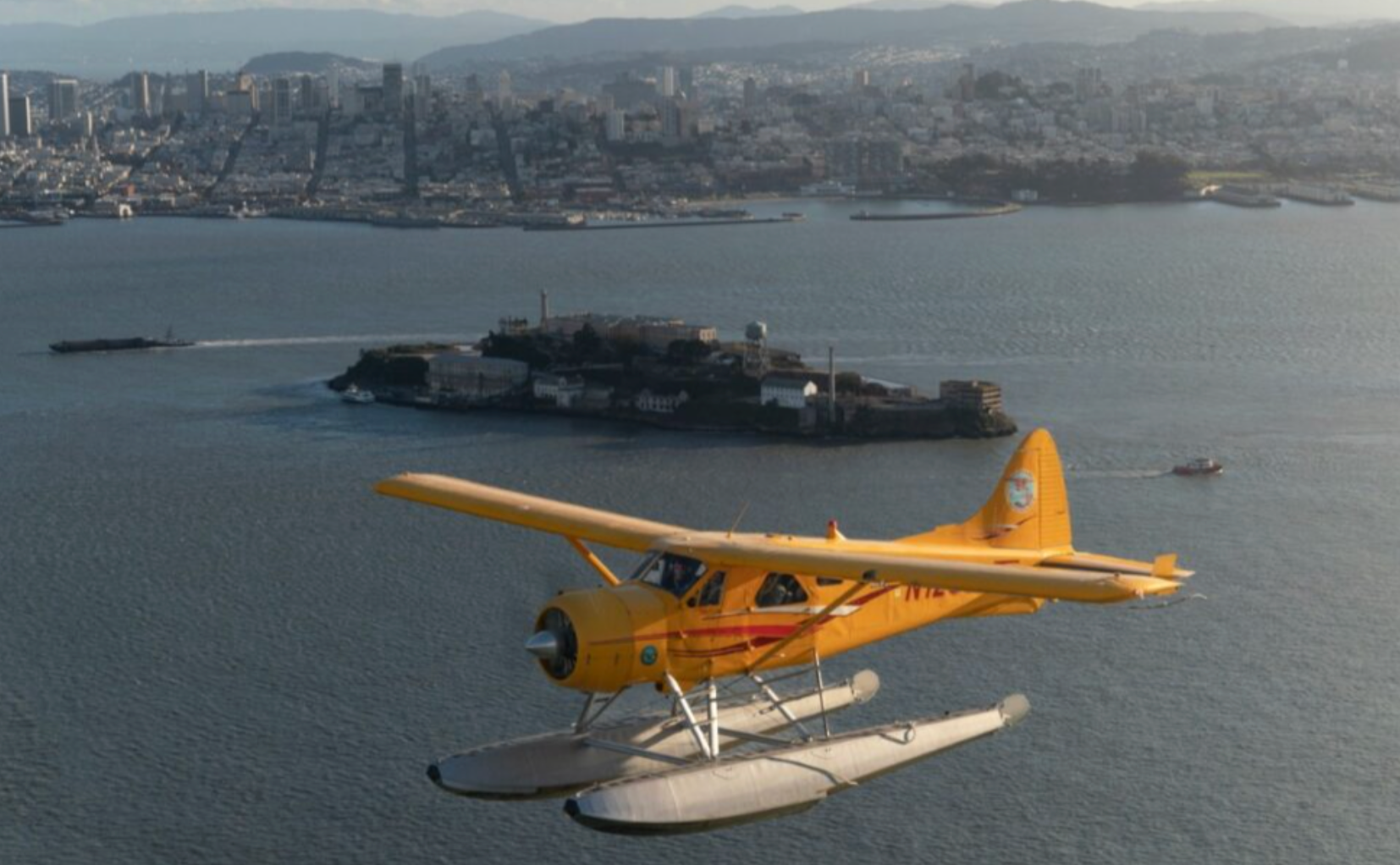 12
12Airplane
Richmond’s shoreline and proximity to the Bay make it a quietly compelling base for airplane-focused adventures—from low-and-slow general aviation flyovers to shore-side plane spotting and aerial photography. Whether you’re chasing the geometry of bridges from 1,500 feet, taking an introductory flight lesson, or watching seaplanes and commercial circuits at nearby fields, the airplane experience here blends urban access with expansive skyward views.
Explore airplane → 13
13Ferry
Richmond's ferries are the quieter, wind-swept counterpoint to the crowded Embarcadero — practical transit, slow travel, and a low-key set of adventures all at once. From commuter crossings to island hop day trips, taking a ferry from Richmond turns the act of getting somewhere into part of the outing. Expect briny air, city-to-shoreline panoramas, seabirds skimming wakes, and easy connections to walking, biking, kayaking, and longer Bay-area explorations.
Explore ferry → 14
14E-Bike
Richmond’s patchwork of industrial shoreline, reclaimed marshes, regional parks, and continuous Bay Trail segments makes it an unexpectedly rich playground for e‑bike riders. From flat, fast waterfront miles with sweeping San Francisco Bay views to steep, singletrack-adjacent climbs and ferry-assisted commutes into the city, Richmond rewards riders who want variety and proximity to urban amenities.
Explore e-bike → 15
15Lodging
Richmond’s lodging scene is pragmatic and place-driven: a mix of waterfront inns, comfortable chain options, simple motels, and access to nearby campgrounds that put you within minutes of tidal marshes, industrial waterfronts, and gateway trails into the East Bay hills. Whether your priority is an early-morning bike ride along the Bay, birding at the marshes, or a quick hop to San Francisco, Richmond’s accommodations read like a basecamp — functional, accessible, and intimately connected to outdoor pursuits.
Explore lodging →The city and the sea
Why Richmond Belongs on Your Bay-Area Adventure Radar
Variety without surrendering the day to long transfers.
Richmond occupies a narrow, stubborn edge where the city meets the bay — a place of shipyards and salt flats, industrial silhouettes and quiet tide channels. For travelers who like their adventures pragmatic and photo-ready, Richmond delivers a mashup of water activities and urban textures that feels both accessible and refreshingly local. At first light the water shimmying against Richmond’s bulkheads is a mirror for kayaks and SUPs; later, e-bikes hum along the shoreline path past marinas and restored parkland. Boat tours and ferries thread the harbor, connecting you to wider Bay routes while offering close-up views of the East Bay shoreline and the layered history of shipbuilding that animated Richmond during the 20th century. Walking tours through Point Richmond and the Rosie the Riveter National Historical Park transform industrial ruins into narrative landscapes, revealing how work, migration, and wartime industry shaped the community. In practice, that means an itinerary can compress easily into a long morning and relaxed afternoon: dawn paddle in the protected inlets, a mid-morning bike rental for a loop through Marina Bay, and a ferry or sightseeing boat ride at golden hour for a compressed Bay skyline experience. Richmond’s strength is its flexibility. Families, day-trippers from the city, and seasoned outdoor travelers all find opportunities here—city tours and bus tours for a relaxed cultural primer; kayaking and sailing for a salt-spray reset; and e-bike rentals for riders who want more ground covered with less sweat. Outfitters and rental shops cluster near launch points, so logistics rarely become the adventure’s limiter. Bring sensible footwear and layers, plan for bay breezes, and leave room for a brewery stop or two—Point Richmond’s compact downtown and the waterfront’s evolving food scene make good bookends to a day on the water. The true payoff is how the place rewards modest effort: a short kayak paddle can deliver seals bobbing near a marina, while an afternoon boat rental turns the city’s industrial shore into a cinematic backdrop for a reverent sunset. The terrain is forgiving but real: tides, wind, and shipping traffic ask for situational awareness and, for some activities like sailing or open-bay kayaking, a guide or local intel. Whether you come for a day or use Richmond as a jump-off for broader Bay exploration, you’ll leave with a sense that this is a working coast that doubles as an accessible outdoor stage—where water activities, boat tours, bike rentals, and walking tours blend into an easy, actionable itinerary.
Richmond’s urban-to-wild gradient is uniquely useful: within minutes of the marina you can find tidal marshes ideal for birding and sheltered paddles, and a few miles inland a collection of neighborhoods holds cafés, craft beer, and history-focused walking routes. Outfitters and community organizations run guided kayak tours and interpretive walks, making it straightforward to layer guided experiences into a self-directed day.
Practical access is one of Richmond’s quiet advantages. Ferry and bus connections link to the wider Bay Area, bike paths and dedicated launch points keep transitions short, and parking at main trailheads and marinas is generally easier than in pricier waterfront towns. For visitors who favor short transit windows and high-value experiences, Richmond is efficient without feeling manufactured.
Conditions shape the day
The best time to visit Richmond.
Late spring and early fall balance mild temperatures and lower summer fog. Summers bring cooler mornings and breezy afternoons; check wind forecasts before open-bay paddles or sails. Winter is cooler and wetter but typically still usable for shoreline walks and urban tours.
Best all-around window
Spring + fall
Comfortable mixed-itinerary weather, thinner crowds at beaches and lookouts, and more room to improvise.
Beach season
Late spring through early fall draws the most water activity and weekend boat rentals—book rentals and guided tours in advance for weekends.
Surf + whales
Weekdays in winter offer quieter marinas and better value on lodging and rentals; guided birding and interpretive walks can be especially rewarding when crowds thin.
Coast to inland
Cool marine mornings often give way to warmer inland afternoons and breezy evenings.
Beginner
Short, guided paddles in protected marsh channels, easy bike loops on flat waterfront paths, and city walking tours through Point Richmond.
- Guided kayak tour in Marina Bay
- Casual e-bike rental and shoreline loop
- Walking tour of Rosie the Riveter National Historical Park
Intermediate
Longer self-guided kayak routes into open water with tide planning, mixed-surface bike tours, or multi-stop sightseeing tours that combine boat and land segments.
- Self-guided kayak to nearby marshes at mid-tide
- Bike tour linking Richmond’s waterfront parks with Point Richmond
- Half-day sailing lesson or shared boat rental
Advanced
Open-bay crossings, solo sailing, or extended multi-modal days that require navigation, tide and wind planning, and advanced paddling or sailing skills.
- Open-bay kayak crossing (experienced paddlers only)
- Day sail into San Pablo Bay with tidal planning
- Extended bike+ferry route linking Richmond to San Francisco
Field kit
What to bring.
Pack for sun, salt water, walking, and a meaningful temperature swing between coast and inland Richmond.
Essential
Start here
- Layers (bay mornings are cool; afternoons can be breezy)
- Personal flotation device or plan to use rental PFDs for paddling
- Water, snacks, and a small dry bag for electronics
- Sun protection (hat, UV sunglasses, SPF)
- Footwear that can get wet or be used for short walks on gravel
Water days
Keep it dry
- Wind shell for exposed sailing or late-afternoon rides
- Light lock for bike or e-bike rentals
- Phone with offline map and a power pack
- Binoculars for marsh birdwatching and shoreline observation
Long days
Stay flexible
- Compact waterproof camera or action cam with float tether
- Reusable water bottle and small picnic kit
- Compact first-aid kit for day trips
Insider note
Start early, then keep the geography tight.
Park smart: main marinas and launch areas have limited spaces on busy weekends—arrive early or use transit. For paddling, time your outing around mid- to high-tide for easier navigation in marsh channels and avoid peak shipping windows in main channels. When renting e-bikes or bikes, confirm battery charge and local helmet rules. If you want history with your hike, book a guided walking tour at the Rosie the Riveter National Historical Park; local guides add context that makes shoreline ruins come alive. For photographers, golden hour over the Bay casts industrial silhouettes in dramatic relief—plan a post-activity boat tour or shoreline stroll to capture it. Finally, support local outfitters and small restaurants in Point Richmond and the Marina Bay corridor—your rental and meal choices help sustain the services that keep these adventures easy to access.
Good to know
Frequently asked questions.
Can I do most activities without a guide?
Yes for basic walking tours, sightseeing, and short sheltered paddles when you have prior paddling experience. Choose a guide for open-bay kayaking, sailing, or if you want local historical context from Rosie the Riveter NHP interpreters.
Are ferries and boat tours a good way to see the area?
Absolutely—ferries and sightseeing boat tours offer perspective on Richmond’s shoreline, industrial history, and access to other Bay destinations. They’re an easy way to combine city and water experiences in a single day.
Is swimming safe in Richmond waters?
Swimming in Richmond’s industrial shorelines and busy channels is not recommended. Use designated swim areas in nearby parks or choose calm, rented boat or sheltered cove experiences for water contact activities.
Ready when you are
Find the trip that fits your Richmond day.
Compare bookable experiences across the coast, city, and mountains—then save the ones that belong in your plan.
Explore all Richmond adventures ↗