
Pyramid Lake adventure guide
Find your way into Pyramid Lake.
Set in the northern Nevada desert like a cool, glassy wound, Pyramid Lake is a place where wind sculpts cliffs, tufa towers rise like cathedral spires, and the water reflects an impossibly wide sky. This guide steers between solitary shoreline hikes, wildlife-rich photography stops, and waterborne itineraries—kayak launches, boat rentals, and guided boat tours—that let you feel the lake at a careful pace. Expect a mix of dramatic landscape photography, quiet birdwatching, and adventure options from ATV/UTV routes on surrounding flats to air-activity perspectives for pilots and photographers wanting elevation. Whether you come for a photography tour at first light, a kayak trip in the afternoon breeze, or a walking tour along tufa fields, this guide balances evocative scenes with practical planning pointers.
Three ways into the city
Pick a landscape. Build a day around it.
Pyramid Lake is less a single destination than a collection of neighboring worlds. Start with the version of the city that matches your pace, then use the ranked guide below to fill in the details.

Begin where the city meets the sea.
Surf breaks, sheltered harbors, whale routes, and long beach paths make the coast LA’s most immediate outdoor playground.
Explore water activities →
Let a local connect the landmarks.
Use a guided city, walking, or sightseeing tour to turn LA’s sprawl into a coherent story.
Explore bus tour →
Ride the coast and the city.
Beach paths, river corridors, e-bikes, and ridge climbs reveal a more connected Los Angeles.
Explore wildlife →Choose your way into Pyramid
The top 15 Pyramid Lake adventures.
Ranked by the number of currently listed trips. Each panel opens the complete local activity collection.
1Bus Tour
A salt-blue basin set like a jewel in the high desert, Pyramid Lake reveals itself best on a measured, narrated bus route. Bus tours strip away the driving logistics and let the landscape speak: towering tufa pinnacles, wind-scoured beaches, and the cultural histories of the Pyramid Lake Paiute Tribe are all easier to absorb from a seat with a view and an interpreter at the mic. These trips range from short interpretive loops to longer shoreline circuits that combine birding stops, short guided walks, and photo pauses where the light turns the lake into a glassy, surreal painting.
Explore bus tour → 2
2Photography Tour
Pyramid Lake is a study in contrasts: glassy mornings that mirror jagged tufa towers, windswept afternoons that sculpt dunes and ripples, and nights so dark the Milky Way feels touchable. For photographers a short drive from Reno, the lake offers elemental landscape frames, intimate wildlife moments during migration seasons, and an accessible classroom for learning light, composition, and night-sky techniques. Photography tours here range from shoreline sunrise sessions to guided astrophotography outings and seasonal birding cruises, each attentive to the lake’s cultural significance and fragile ecology.
Explore photography tour → 3
3Sightseeing Tour
Pyramid Lake is an elemental place: a broad, alkaline inland sea ringed by stark desert ridges and dotted with otherworldly tufa towers that rise like petrified sentinels from the water. Sightseeing tours here revolve around a collision of geology, Indigenous culture, and migratory bird pathways—short drives and guided boat trips turn into meditative half-days of photography, birding, and shoreline exploration. Whether you visit for tufa up-close views, glasslike evening light, or a cultural introduction from the Pyramid Lake Paiute Tribe, the lake’s scale and quiet make sightseeing feel like travel to an entirely different Nevada.
Explore sightseeing tour → 4
4City Tour
Pyramid Lake is less a traditional city and more a lakeside community anchored by millennia of Paiute history, otherworldly tufa towers, and a shoreline shaped by wind and ritual. City Tour experiences here blend short cultural walks, lakeside drives, and interpretive stops that feel equal parts museum visit and road-trip discovery—ideal for travelers who want to pair easy, accessible exploration with photography, birding, and nearby desert hikes.
Explore city tour → 5
5Walking Tour
Pyramid Lake’s walking tours are an unusual collision of desert silence, sculptural tufa towers, and living cultural landscape. Shoreline walks and guided interpretive routes put travelers inches from limestone spires, migratory birds, and Paiute place names that map millennia of human connection to the water. These are not alpine treks—expect open light, wind-swept flats, and moments of astonishing stillness that reward slow steps and careful observation.
Explore walking tour → 6
6ATV/UTV
Pyramid Lake is a study in contrast: bleached tufa spires reach from an alkaline shore, soft sandy beaches give way to rocky benches, and expansive playa and desert washes stretch toward distant ranges. For ATV and UTV riders, the lake’s rim and surrounding public lands create a terrain mosaic—sandy surf zones for carving, dried lakebed expanses for high‑speed runs, and rocky access routes that test machine setup and rider technique. The setting is cinematic, the light razor‑sharp, and the riding can be as casual or as technical as you choose. This guide collects the best ways to explore Pyramid Lake by off‑road vehicle: shoreline loops for photographers and anglers, dune play areas for riders who want to surf sand, and multi‑hour backcountry connectors that reach dramatic overlooks and slot canyons. Read on for planning, route types, safety considerations, and how to pair an off‑road day with fishing, birding, or a desert camp under a sky that feels impossibly close.
Explore atv/utv → 7
7Hiking
Pyramid Lake is not a summit town or a lush canyon — it's a windswept, ancient basin of sky and water where tufa towers rise like cathedral spires out of glassy shallows. Hiking here trades forest shade for open horizons, shoreline scrambling for sage-scented washes, and short, intense explorations for lingering, low-angle light. Trails are a mix of informal footpaths, service roads, and singletrack that reward patience with dramatic geology, waterfowl migration, and cultural context on Paiute homelands.
Explore hiking →8Water Activities
Pyramid Lake is an otherworldly inland sea carved from geology and culture: chalky tufa towers rise from blue-gray water, wind sculpts broad open-water swells, and a storied fishery draws anglers chasing the native Lahontan cutthroat trout. This guide focuses on how to experience the lake from the water—kayaking and SUP along tufa-lined shores, motorboating for fishing and photography, and shoreline exploration for birding—while navigating the practical realities of tribal jurisdiction, variable wind, and a high-alkalinity ecosystem that shapes everything you should pack and plan for.
Explore water activities → 9
9Kayak
Pyramid Lake is a study in contrasts: a high-desert inland sea rimmed by tule reeds, ancient tufa spires, and sweeping sage flats. For paddlers, it offers an otherworldly flatwater playground where light, wind, and geology shape every trip. Expect long lines of horizon, sudden afternoon gusts, and shorelines punctuated by towering limestone formations that are best approached from water.
Explore kayak → 10
10Boat Tour
Boat tours on Pyramid Lake distill the lake’s otherworldly geology, quiet shorelines, and deep cultural history into a series of encounters—looming tufa towers, high-desert light, and the wind-sculpted surface of Nevada’s great terminal lake. Whether you’re on a guided launch, a private charter, or paddling a rented kayak, the experience is cinematic and elemental: vast sky, hard-edged rock, and water that feels both ancient and immediate.
Explore boat tour → 11
11Boat Rental
Pyramid Lake is a high-desert inland sea where stark tufa towers rise from alkaline water and wind shapes the surface into fast, exhilarating days for boaters. Renting a boat here is less about marinas and more about access to dramatic geology, desert light, and remote fishing grounds—best undertaken with planning, respect for tribal jurisdiction, and an eye toward variable winds and sparse services.
Explore boat rental → 12
12Air Activities
Pyramid Lake is a wide, wind-scoured basin where sky and water meet to create one of the region's most electric playgrounds for air-centric sports. From kiteboarding and windsurfing skimming across alkaline blue to paragliders and small aircraft framing the otherworldly tufa spires, the lake is defined by wind, light, and cultural landscape. This guide focuses on the air activities that turn a remote desert lake into an arena for adrenaline and aerial perspective—how to access the shoreline, what seasons deliver the best conditions, safety and etiquette around tribal lands, and the complementary experiences that stretch a day on the water into a full sensory trip.
Explore air activities →13Wildlife
Set into the high desert like an inland sea, Pyramid Lake is a study in contrast: alkaline waters ringed by stark tufa towers and sagebrush flats that host migratory flocks, resident waterfowl, birds of prey and desert mammals. This guide focuses on wildlife experiences around the lake—shoreline birding, raptor observation from basalt escarpments, seasonal waterfowl concentrations, and the rare aquatic life that makes Pyramid Lake ecologically distinct.
Explore wildlife →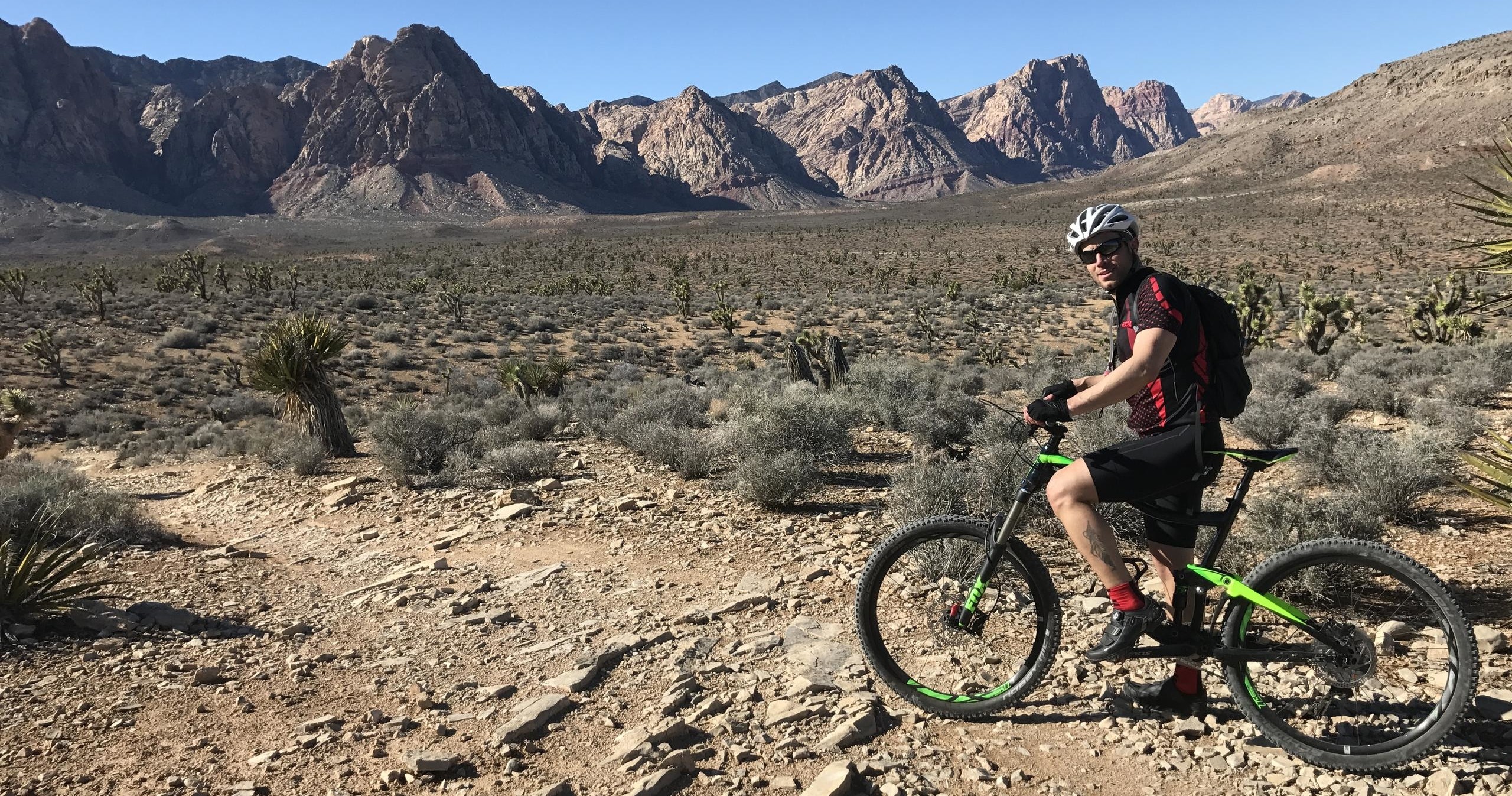 14
14Bike Tour
Pyramid Lake is an otherworldly place for bike touring: a broad, shimmering basin rimmed by tufa towers and desert ridgelines where the horizon feels both vast and intimate. Cyclists come for long, quiet miles of lakeshore road that climb and fall with the wind; for gravel outings that explore sand-swept shorelines and ancient terraces; and for the chance to pair a day on two wheels with birdwatching, photography, and the cultural rhythms of the Pyramid Lake Paiute Tribe. Routes range from flat, contemplative loops that let the lake’s textures and light do the talking, to exposed endurance rides that test you against relentless crosswinds and high desert heat. This guide focuses on bike tours—paved, gravel, and mixed-surface—that make Pyramid Lake a singular ride destination, and gives practical, planning-forward advice to help you choose the right trip and prepare for the territory.
Explore bike tour →Eco Tour
Pyramid Lake’s stark tufa towers, broad alkaline shoreline, and deep-blue basin compose an ecology that feels lunar—and fiercely alive. Eco tours here emphasize learning from place: tufa geology, ancient lake history, migratory birds, and the stewardship of the Pyramid Lake Paiute Tribe. These experiences are part science class, part pilgrimage: intimate, reflective, and quietly intense.
Explore eco tour →The city and the sea
Why Pyramid Lake Belongs on Your Adventure Shortlist
Variety without surrendering the day to long transfers.
There’s a particular hush that falls across Pyramid Lake before sunrise—an almost theatrical pause when the desert exhales and the water becomes a sheet of glass. Travel here for those early hours, when photographers gather for a photography tour to capture tufa towers in low-angle gold and birders scan the shallows for striking wingspans. But Pyramid Lake isn’t only for the camera; it’s an arena of activities: Water Activities dominate, and you’ll find kayak put-ins and quiet boat tours that peel you away from the shore into permanent, wind-sketched openness. A boat rental unlocks self-directed exploration while guided boat tours explain ecology, tribal history, and the story of the lake’s native Lahontan cutthroat trout. The terrain around Pyramid Lake rewards curiosity. You can stitch a walking tour of tufa fields into a longer hike that climbs into scrub-lined benches, or swap boots for rubber and paddle a kayak along limestone towers that look older than language. For faster, dirt-slicing fun, ATV/UTV runs slice across flats with views that look miles bigger than they actually are; responsibly run, these routes reveal geological strata and distant ranges otherwise missed from the road. If you prefer two wheels on pavement or hardpack, a bike tour around nearby valley roads feels cinematic—wide skies, sudden crosswinds, and the kind of quiet that leaves room for thinking. Air Activities, from small-plane flyovers to scenic aerial photography, put the lake’s scale in perspective, turning the shore’s tufts and alcoves into a topographic map of light. Pyramid Lake is also a living classroom for wildlife and eco-tourism. Eco tours and wildlife-focused outings combine natural-history lessons with stewardship: learn about migratory birds, the fragile desert riparian zones, and water management challenges that shape the shoreline. Sightseeing tour operators and small bus tours occasionally offer narrated loops that pair cultural history—particularly the vital role of the Pyramid Lake Paiute Tribe—with stops for easy photography. Even within the more touristed pockets the place resists crowding; the vastness and multiple access points mean you can find a private cove for contemplative solitude one day and a convivial kayak flotilla the next. Practically, the lake asks you to plan: conditions change with wind and season, and water activities run best on calm mornings. Pack layers for sharp temperature swings, plan for limited amenities, and respect tribal lands and posted access rules. When you combine a little logistical forethought with a sense of slow exploration—a photography tour at dawn, an afternoon kayak, a late-day walking tour along the tufa—you’ll leave Pyramid Lake with more than images; you’ll carry the slow-motion memory of light and scale that only this basin can give.
Access is deliberate here: roads are open but amenities are sparse. Outfitters handle kayaks, boat rentals, and guided boat tours during peak months, while independent travelers can explore quieter coves with a little navigation and weather sense.
Pair the wide-open desert with cultural context—respect tribal lands, engage interpreters when available, and time your visits for calm mornings or late afternoons to maximize photography, wildlife viewing, and flatwater paddling.
Conditions shape the day
The best time to visit Pyramid Lake.
Spring and fall deliver the most comfortable temperatures and calmer winds for paddling and photography; summer can be hot with stronger afternoon breezes, and winter brings clear light but cold mornings. Inland desert storms are infrequent but can be windy—check forecasts before launching on the water.
Best all-around window
Spring + fall
Comfortable mixed-itinerary weather, thinner crowds at beaches and lookouts, and more room to improvise.
Beach season
Late spring through early summer draws the most day visitors and outfitters; book guided outings and rentals in advance for weekends.
Surf + whales
Shoulder seasons offer quieter shoreline experiences and better chances of observing wildlife without crowds; dress for cooler mornings and shorter daylight windows.
Coast to inland
Cool marine mornings often give way to warmer inland afternoons and breezy evenings.
Beginner
Low-impact shoreline walks, short guided boat tours, and mellow, sheltered kayak outings are ideal entry points for new visitors.
- Short walking tour of tufa formations
- Guided boat tour of key coves and photography stops
- Beginner-friendly kayak paddle inside protected inlets
Intermediate
Longer hikes around benches, self-guided kayak routes that require basic navigation, and bike tours on valley roads suit intermediate adventurers.
- Cross-shore kayak loop with wind-awareness
- Half-day bike tour along Lahontan foothills
- Eco tour focused on migratory birds and shoreline habitats
Advanced
Advanced trips include open-water crossings by kayak or boat, long ATV/UTV excursions on remote flats, and photography missions that require technical gear and changing light management.
- Open-water kayak crossings with navigation planning
- ATV/UTV backcountry routes (respect local regulations)
- Aerial photography sessions via light aircraft or drone (where permitted)
Field kit
What to bring.
Pack for sun, salt water, walking, and a meaningful temperature swing between coast and inland Pyramid.
Essential
Start here
- Layered clothing—windproof outer and warm mid-layer for mornings
- Sun protection: hat, SPF 30+, and sunglasses
- Sturdy footwear for mixed sand, rock, and tufa formations
- Water and electrolyte snacks—limited services on-site
- Permits or passes if required by tribal authorities (verify before arrival)
Water days
Keep it dry
- Lightweight wind shell for lake breezes
- Dry bag for phone, camera, and keys during kayak or boat trips
- Binoculars for birding and wildlife viewing
- Portable power bank for long photography sessions
Long days
Stay flexible
- Camera with wide-angle and telephoto options for landscape and wildlife
- Compact tripod for long-exposure photography at dawn or dusk
- Small first-aid kit and blister care for longer hikes
Insider note
Start early, then keep the geography tight.
Start at dawn for soft light and calmer water—ideal for photography tours and kayaking. If you plan to rent a boat or kayak, book in advance for spring and early summer weekends. When exploring tufa fields, stay on durable surfaces and avoid climbing delicate towers; these formations are both fragile and culturally significant. Wind can take novices by surprise—carry a VHF or reliable cell connection, file a float plan with someone onshore, and know where the nearest sheltered coves are. For wildlife viewing, be patient and quiet: migratory birds concentrate in shallow coves at first and last light. Finally, bring enough water and sun protection—services are sparse, and the desert sun is relentless by midday.
Good to know
Frequently asked questions.
Can I launch a kayak without a guide or rental?
Yes if you have your own gear and navigational experience. Many put-ins are simple, but wind and waves can build quickly—choose calm mornings and check local advisories.
Are there fees or permits to access Pyramid Lake?
Access rules vary by area and are managed by tribal authorities in places—verify current permit and fee requirements before arrival and respect posted boundaries.
Is fishing available year-round?
Fishing is part of Pyramid Lake’s heritage, but seasons, limits, and permit rules apply. Check local regulations and tribal guidelines for up-to-date information.
Ready when you are
Find the trip that fits your Pyramid Lake day.
Compare bookable experiences across the coast, city, and mountains—then save the ones that belong in your plan.
Explore all Pyramid Lake adventures ↗