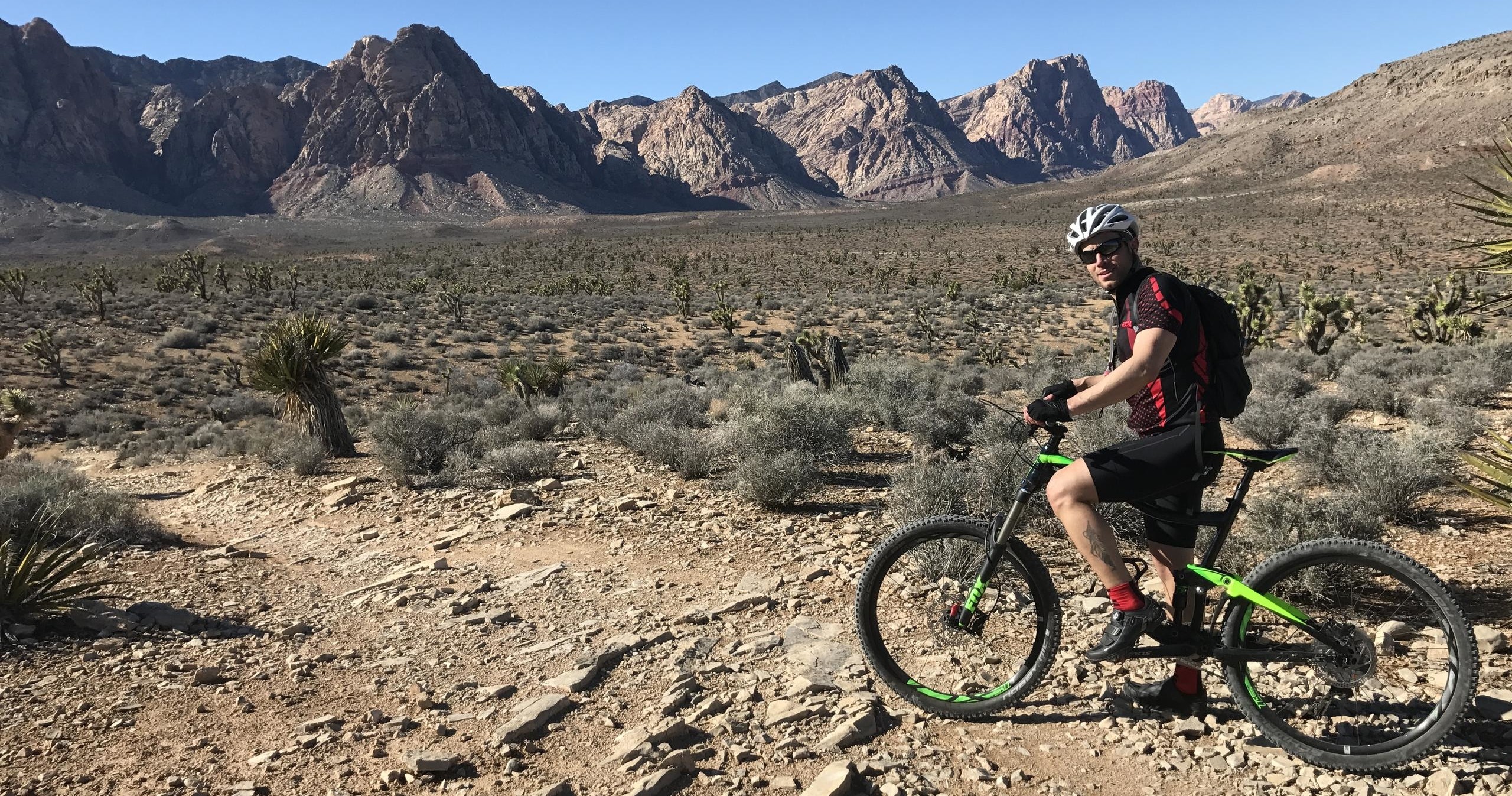
Top 3 Bike Tours at Pyramid Lake, Nevada
Pyramid Lake is an otherworldly place for bike touring: a broad, shimmering basin rimmed by tufa towers and desert ridgelines where the horizon feels both vast and intimate. Cyclists come for long, quiet miles of lakeshore road that climb and fall with the wind; for gravel outings that explore sand-swept shorelines and ancient terraces; and for the chance to pair a day on two wheels with birdwatching, photography, and the cultural rhythms of the Pyramid Lake Paiute Tribe. Routes range from flat, contemplative loops that let the lake’s textures and light do the talking, to exposed endurance rides that test you against relentless crosswinds and high desert heat. This guide focuses on bike tours—paved, gravel, and mixed-surface—that make Pyramid Lake a singular ride destination, and gives practical, planning-forward advice to help you choose the right trip and prepare for the territory.
Top Bike Tour Trips in Pyramid Lake
3 trips • Book with confidence • Instant confirmation
Why Pyramid Lake Is a Distinctive Bike-Touring Destination
Pyramid Lake sits like a liquid desert monument: shallow in places, deep in others, its surface punctuated by pale tufa towers that rise like weathered spires. For cyclists, the lake’s appeal is sensory and structural. The lakeshore road and the network of adjacent gravel tracks slice through a landscape shaped by water, wind, salt, and time—conditions that produce both gentle, reflective rides and stark, elemental challenges.
The cultural and ecological context amplifies the experience. Pyramid Lake is more than scenery; it is a living place for the Pyramid Lake Paiute Tribe, whose stewardship and seasonal rhythms still mark the land and water. Passing through the area on two wheels feels different than a roadside view: the pace of a bike lets you sense microclimates—the sudden cool that moves off the water, the gust that hollows the shore, the birds that rise from cattails—and gives time to read the place, not just look at it. That slowness lends itself to complementary activities: early-morning birding for waterfowl and shorebirds, late-afternoon photo sessions when the tufa glow, and evenings where the desert sky becomes a wide, obvious map of stars.
Terrain here resists easy categorization: Lake Shore Road is paved and often calm in protected stretches, but it also runs exposed and open to crosswinds where the surface and shoulder width matter for comfort and safety. Inland tracks and service roads shift to dusty gravel and packed sand; these are the routes that invite gravel bikes and robust tires. In the nearby foothills and ridgelines are singletrack options and jeep roads that riders can link for a varied day—if they have the technical skills and the right equipment. Altitude is modest compared with the Sierra, but the weather is concentrated: sun is intense, afternoon winds can be punishing, and temperatures swing widely between morning and afternoon.
Practical considerations fold into the ethos of riding here. Water is scarce and services are limited; cell coverage is uneven; and because much of the shoreline is on tribal land, regulations, access points, and amenity availability can differ from other public lands. That combination favors prepared, self-sufficient riding: pack more water than you think you need, choose a route that aligns with your fitness and technical comfort, and plan logistics—fuel, bike service, after-ride meals—in Reno or nearby communities where full services exist. For many riders, Pyramid Lake is best experienced as a deliberate trip: an early-morning lakeshore spin that becomes a midday gravel exploration and a quiet roadside stop to watch terns and gulls, rather than a chain of hurried photo-stops. That pace reveals the lake’s contradictions—fragile and raw, quiet and exposed—and makes every mile feel earned.
Finally, the seasonality and the human story are part of the ride. Spring and fall deliver the most comfortable temperatures and the gentlest winds; summer mornings are spectacular but require planning to avoid heat; winter can be dramatic and solitary if you are prepared for cold and occasional road issues. Cultural sensitivity matters: observe posted signs, respect private and tribal areas, and use established parking and access points. When those pieces fall into place, Pyramid Lake yields bike tours that are equal parts scenery, solitude, and elemental challenge.
The variety is simple but meaningful: paved lakeshore miles for contemplative road rides; gravel loops that skirt shorelines and ancient terraces; and nearby dirt and singletrack that provide technical variety for mountain bikes and gravel specialists.
Cultural context informs logistics—access points, seasonal events, and signage can change with tribal decisions—so riders should verify current conditions before departing.
Wildlife and light are part of the reward: the lake is a magnet for shorebirds and raptors, and photographic opportunities abound at dawn and dusk when the tufa formations and the water’s surface pick up color and contrast.
Exposure defines many routes. The wind, not elevation, is the principal challenge; headwinds can dramatically change a ride’s character and required effort.
Best Time to Visit
Best Months
Weather Notes
Pyramid Lake experiences wide diurnal temperature swings and strong seasonal winds. Spring and fall offer the most comfortable riding temperatures. Summer brings hot afternoons—ride early—and winter can be cold and occasionally icy on shaded sections.
Peak Season
Late spring and early fall, when temperatures are moderate and migratory birds are active.
Off-Season Opportunities
Winter offers solitude and dramatic skies for experienced, well-equipped riders; early summer mornings provide quiet, cooler windows before heat builds.
Frequently Asked Questions
Do I need permits to ride around Pyramid Lake?
Access rules vary because the lake is on Pyramid Lake Paiute Tribe land. There may be seasonal restrictions or fees for certain areas or events—check with tribal authorities or local visitor information before your trip.
Are there bike shops or repairs near Pyramid Lake?
Full-service bike shops and repair options are limited near the lake. For major mechanicals, plan to stop in Reno or nearby towns before or after your ride; bring a basic repair kit for on-ride issues.
How strong are the winds, and how should I plan for them?
Winds can be steady and strong, especially in the afternoon. Plan rides for early morning when winds are typically lighter, select sheltered stretches when possible, and allow extra time and energy for exposed headwind sections.
Choose Your Experience Level
Beginner
Gentle paved loops with minimal climbing on the calmer stretches of Lake Shore Road; suitable for riders comfortable with road etiquette and modest distances.
- Short lakeshore paved loop near developed access points
- Easy photography ride at dawn to nearby tufa viewpoints
- Family-friendly roadside spin with frequent stops
Intermediate
Longer paved or mixed-surface tours that include gravel sections and more sustained miles; requires steady fitness and confidence riding in wind and on varying surfaces.
- Out-and-back lakeshore tour with gravel detours
- Half-day gravel loop linking shore tracks and service roads
- Combined road-and-gravel loop with scenic overlooks
Advanced
Endurance rides and technical mixed-surface routes that use exposed shorelines, loose gravel, and nearby singletrack/jeep roads; demands strong fitness and navigation skills.
- Full-day cross-lake gravel endurance ride facing variable winds
- Linking multiple ridgelines and service roads for a long mixed-terrain loop
- Technical singletrack additions in adjacent foothills
Insider Tips & Local Knowledge
Check tribal regulations, weather forecasts, and road conditions before you ride. Services are sparse; prepare for self-sufficiency.
Start early: mornings are cooler, winds are lighter, and wildlife is most active. Stage fuel, food, and bike maintenance in Reno or other nearby towns—the lake area has limited support. Use wider tires (35mm+ for gravel) if you plan to leave paved surfaces. Respect signage: some shorelines and launch areas are tribal or restricted. Bring extra water and plan turnaround points conservatively—headwinds can double your expected effort. If you’re photographing the tufa formations, aim for golden hour when the light sculpts the towers; if you’re birding, bring optics and keep noise low near marshy edges. Finally, tell someone your route and expected return time—cell reception is uneven, and help can be distant.
What to Bring
Essential
- Hydration (2–4 liters depending on ride length and temperature)
- Spare tubes or patch kit and a pump/CO2
- Sturdy tires (gravel or puncture-resistant for mixed surfaces)
- Sun protection: high-SPF sunscreen, sunglasses, and long-sleeve layers
- Lightweight wind shell and a thermal layer for variable desert conditions
Recommended
- GPS device or offline maps—cell service can be intermittent
- Basic multi-tool and chain-link or quick link
- High-visibility clothing for stretches of exposed road and wind
- Small first-aid kit and electrolyte supplements
Optional
- Binoculars for birding
- Camera with polarizing filter for lake reflections
- Fat or wider tires if you plan to ride soft sand or very rough gravel
Ready for Your Bike Tour Adventure?
Browse 3 verified trips in Pyramid Lake with instant booking
Explore Top 15 Pyramid Lake, Nevada Adventures →