
Pinkham Notch adventure guide
Find your way into Pinkham Notch.
A raw notch of granite, wind, and spruce that funnels weather and adventure alike, Pinkham Notch sits at the threshold of New England’s highest peaks. Use this guide to pair alpine climbs and long ridge days with seasonal offerings—winter skiing, snowmobiling, cog-rail sightseeing, and calmer water or fishing outings down-valley.
Three ways into the city
Pick a landscape. Build a day around it.
Pinkham Notch is less a single destination than a collection of neighboring worlds. Start with the version of the city that matches your pace, then use the ranked guide below to fill in the details.

Begin where the city meets the sea.
Surf breaks, sheltered harbors, whale routes, and long beach paths make the coast LA’s most immediate outdoor playground.
Explore water activities →
Let a local connect the landmarks.
Use a guided city, walking, or sightseeing tour to turn LA’s sprawl into a coherent story.
Explore boat tour →
Ride the coast and the city.
Beach paths, river corridors, e-bikes, and ridge climbs reveal a more connected Los Angeles.
Explore bike tour →Choose your way into Pinkham
The top 15 Pinkham Notch adventures.
Ranked by the number of currently listed trips. Each panel opens the complete local activity collection.
1Water Activities
Pinkham Notch is a high-alpine gateway where glacially carved valleys, snowmelt-fed streams, and cold, clear mountain pools create a compact but rich palette of water-based adventures. From brisk river paddles along tree-lined channels to contemplative wading in frosty plunge pools, water activities here are defined by altitude, seasonality, and the intimate scale of White Mountain hydrology.
Explore water activities → 2
2Winter Activities
Nestled at the foot of the Presidential Range, Pinkham Notch is the winter gateway to New England’s high-alpine playground. From step-crunching snowshoe loops beneath spruce to committed winter ascents of Mount Washington, this guide focuses on the cold-season experiences that define the notch: snowshoeing, backcountry and resort-adjacent ski touring, technical ice and mixed climbing in ravines, classic nordic loops, and the logistics of moving safely through avalanche-prone terrain. Practical, place-based guidance meets narrative detail to help you plan outings that match ability, weather, and the region's unique winter culture.
Explore winter activities → 3
3Ski
Pinkham Notch is the hinge between lift-access alpine skiing and pure White Mountain ski mountaineering. Here, lift-served runs at Wildcat sit less than a mile from some of the most famous alpine bowls in the eastern U.S., including Tuckerman and Huntington Ravines. The notch is a winter playground for everyone from families on groomers to hardcore skiers chasing steep, wind-swept faces and spring corn turns.
Explore ski → 4
4Boat Rental
Pinkham Notch is a high, rocky corridor carved through the White Mountains where the pace of travel tends to be measured in boots and binoculars rather than pontoons. Boat rental options are not centered in the notch itself—its steep walls, mountain streams, and cold drainage make it more of a backcountry and trailhead hub—but the surrounding valleys offer a surprising variety of paddling experiences. From mellow Saco River floats downstream to smaller alpine ponds and managed lakes in nearby towns, rental outfitters in the broader Mount Washington Valley region supply kayaks, canoes, and rafts for everything from calm scenic paddles to guided river trips. This guide focuses on planning and practicalities: how to match water type to skill level, when flows and temperatures matter most, what to pack for cold, fast-moving mountain water, and how to combine a float day with classic White Mountain activities like trail hikes, summit views, and fall foliage drives.
Explore boat rental →5Boat Tour
Pinkham Notch is synonymous with alpine ridgelines and talus slopes, not large harbors — which is exactly why its waterborne experiences feel like an intimate discovery. Boat tours here are not about grand cruise ships but about close-to-land paddling, guided floats on quiet rivers and reservoirs within a short drive, and seasonal scenic launches that pair mountain vistas with placid water. Expect short, focused outings that complement hikes, climbing days, and foliage drives: a reflective canoe at dawn after a summit push, a guided kayak down a slow-moving river valley, or a private rental that lets you trade elevation for horizontal tranquility.
Explore boat tour → 6
6Fishing
Pinkham Notch is a compact, high-contrast landscape where cold, granite-fed streams thread through spruce-and-fir corridors beneath towering peaks. For anglers the notch is less about trophy-size illusions and more about pure, approachable mountain fishing: brook and rainbow trout in clear brooks, nimble spins along stream runs, and quiet pond sessions at dawn. This guide focuses on how to plan a fishing day from the Pinkham Notch corridor—when to go, what to carry, and how to pair a fishing outing with hiking, wildlife watching, and scenic drives in the Whites.
Explore fishing → 7
7Lodging
Pinkham Notch sits like an alpine gate between the White Mountain spine and the gentler valleys to the east. Lodging here is less about flashy amenities and more about proximity—proximity to ragged summits, crytal-clear trailheads, early-morning snowfields and the kind of night-sky clarity that makes headlamps look unnecessary. Options span rustic AMC-style bunkhouses and mountaineering huts, small inns and motels clustered along Route 16, forestside cabins, and a handful of campgrounds that let you sleep under the same stars you watched from a ridgeline. This guide focuses on using where you sleep as part of the adventure: selecting basecamps for early summit pushes, cozy retreats for storm-watching, and practical choices for winter access or shoulder-season quiet.
Explore lodging → 8
8Climbing
Pinkham Notch is the climbing gateway to the Northern Presidentials — a compressed mountain laboratory where granite faces, steep gullies, and seasonal ice intersect with unpredictable alpine weather. Climbers visit for everything from short technical rock pitches and mixed alpine routes to long ice lines carved into the headwalls above Tuckerman Ravine and Great Gulf. Approaches are often honest and exposed: expect talus fields, steep scree, and pathfinding through avalanche terrain in shoulder seasons. This guide focuses on the climbing experience here — the terrain, timing, logistics, and complementary adventures that make Pinkham Notch a must for climbers traveling to the White Mountains.
Explore climbing →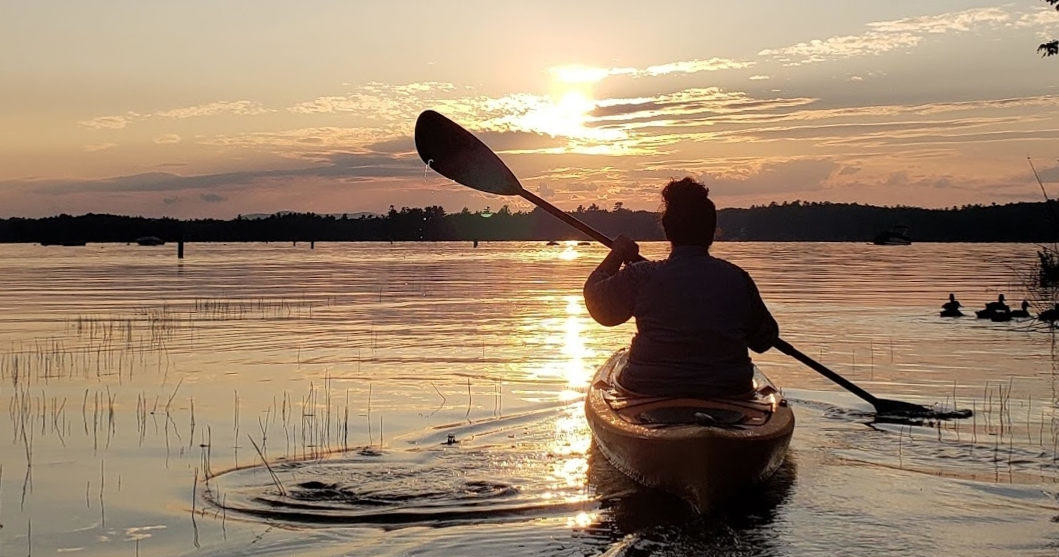 9
9Kayak
Tucked beneath the Presidential Range, Pinkham Notch isn't a destination for long, placid lake cruises—it's a compact, seasonal gateway to mountain streams, springtime whitewater, and nearby flatwater pockets. The notch’s steep, glacially carved valley channels runoff into lively creeks that reward paddlers with a short, concentrated taste of New England river dynamics. Combine a morning paddle with an afternoon hike on the Appalachian or Tuckerman Ravine trails, and you have a classic White Mountains day that blends adrenaline and alpine scenery.
Explore kayak →10Bike Tour
Pinkham Notch is a compact corridor of alpine drama and valley calm, where road cyclists and bikepackers find direct access to steep ascents, sweeping descents, and quiet feeder roads that frame the Presidential Range. This guide focuses on bike tours centered on Pinkham Notch—day rides along scenic highways, exploratory gravel connectors, and overnight bikepacking routes that use the notch as a gateway to higher terrain.
Explore bike tour → 11
11Train
Pinkham Notch sits at the practical heart of the northern White Mountains: a low saddle between Mount Washington to the west and the Carter-Moriah range to the east. While the notch itself is primarily known for hiking and alpine access, it functions as a gateway to a surprising chain of rail-based experiences—historic scenic railways, cog and mountain railways within a short drive, and rail-to-trail corridors that transform abandoned railroad grades into accessible routes for walking, cycling, and cross-country skiing. This guide focuses on train-centered ways to encounter the White Mountains—how to pair a relaxed scenic ride with a summit hike, where to photograph vintage rolling stock against jagged peaks, and when to time your trip to catch the best light and avoid crowds.
Explore train → 12
12Bike Rental
Pinkham Notch is better known for steep alpine hiking and the drama of Tuckerman Ravine, but its long, scenic notch road and the network of service roads and carriageways that thread the adjacent forest make it a surprisingly good base for rented bikes. Whether you're after a gentle paved cruise with towering ridgeline views, a gravel-oriented day trip that skirts mountain streams, or a shuttle-supported descent from higher dirt roads, rental shops in the Mount Washington Valley cater to a range of riders. This guide focuses on how to plan a bike rental-centered day in and around Pinkham Notch: what to expect from terrain and services, how weather and seasonality shape options, and practical tips so your rental becomes the backbone of a memorable mountain outing.
Explore bike rental →13Snowmobile
Pinkham Notch is the kind of narrow, wind-sculpted corridor where winter spends longer than elsewhere in New England—and where snowmobilers find both accessible valley miles and striking alpine backdrops. Between groomed corridor trails, forested runs, and eye-catching views of the Presidential Range, this notch delivers short loops for beginners and challenging rides that thread wide-open meadows and steep approach valleys for more experienced riders.
Explore snowmobile → 14
14Sightseeing Tour
A narrow, glacier-carved cleft at the heart of the White Mountains, Pinkham Notch reads like an open-air natural history museum. Sightseeing tours here thread dramatic mountain faces, roadside pullouts with alpine-mask views, and compact interpretive stops that pack geology, weather, and human stories into short, accessible itineraries. Tours range from relaxed scenic drives and interpretive van outings to guided short-walk circuits that place you at the lip of Tuckerman Ravine or beside the Appalachian Mountain Club’s visitor hub. This guide focuses on how to experience Pinkham Notch from a sightseeing perspective—what to expect, where to stop, when to go, and how to pair a short tour with nearby hikes, photography sessions, and seasonal spectacles like spring snowfields and October foliage.
Explore sightseeing tour → 15
15Canoe
Canoeing in and around Pinkham Notch is a study in contrasts: narrow, stony river corridors carved beneath alpine ridgelines and quiet, hidden backwaters that gather the valley’s runoff into intimate paddling pockets. This guide focuses on how to experience the water in a landscape better known for its rugged hikes—where timing, local knowledge, and a willingness to portage turn fleeting paddling windows into memorable, often private outings.
Explore canoe →The city and the sea
Why Pinkham Notch Belongs on Your Adventure Shortlist
Variety without surrendering the day to long transfers.
Pinkham Notch is a place where weather becomes character and trails read like invitation letters. Tucked under the teeth of the Presidential Range, the notch is a bruise of alpine rock and white birch that channels winds, storms, and spectacular light—conditions that make every outing feel decisive. Walk out from the trailhead and you’re immediately negotiating scale: narrow ravines that funnel water, talus fields that remember winter, and ridgelines that confess nothing. This is both dramatic theatre and practical playground. Summer days are stacked with bike tours and bike rentals for access to valley lanes, lakefront boat rental and boat tours a short drive away, and easy launching points for kayak and canoe paddles on calmer waters. Anglers find late-afternoon eddies and quiet pools for fishing, while families and lodgers use the area as a base for sightseeing-tour runs up the cog railway or easy scenic drives through nearby passes. In winter the notch flips its personality: tracks appear where boots were lone prints, snowmobile corridors hum beyond the tree line, and ski options—from nordic laps to steeper alpine lines—become primary. Climbing moves from slab and single-pitch summer routes to frozen waterfalls and ice routes that demand respect. The mix of experiences—water activities, kayaking, canoeing, fishing, climbing, skiing, snowmobiling, guided sightseeing tours, and even train-based excursions—means you can stack modalities across a single visit. Practicality is built into the place: outfitters and lodgings cater to early starts and late returns, shuttles and programmed tours remove logistical headaches, and trailheads are concentrated enough that you can pivot from a short hike to a full-day alpine trade without a full rehike. For planning, treat the notch like a hinge: check weather closely, plan for sudden wind and temperature swings, and choose orientation (sun vs. wind-scoured ridgelines) based on the conditions. Packing smart—layers, traction, a plan for water and warm micro-layers—transforms risk into memorable horizon-facing effort. The notch doesn’t ask you to tame it; it asks you to show up prepared and curious.
Access is efficient: a compact network of trailheads, shuttleable routes, and nearby roads mean you can stack a morning ridge hike with an afternoon paddle or fishing session. Outfitters in the corridor handle rentals for skis, snowmobiles, and boats, and guided climbs and sightseeing tours simplify logistics for first-timers.
The region’s scale is what makes it special—short approaches can lead to big terrain. That means choice: beginner-friendly hikes and family paddles close to lodging, intermediate ridge days and guided climbing in the shoulder seasons, and advanced alpine travel or winter mountaineering on the Presidential summits when conditions allow.
Conditions shape the day
The best time to visit Pinkham Notch.
Summers bring warm valley days and cool nights; afternoons can produce isolated storms. Fall concentrates crisp, clear days and peak foliage in September–October. Winters are cold and snowy at elevation—expect wind-driven conditions above treeline and plan accordingly.
Best all-around window
Spring + fall
Comfortable mixed-itinerary weather, thinner crowds at beaches and lookouts, and more room to improvise.
Beach season
Late summer and early fall (especially foliage weekends) draw the largest crowds—arrive early, reserve lodging, and expect limited parking at popular trailheads.
Surf + whales
Winter rewards those with the right kit: guided snowmobile tours, backcountry ski days, and quieter lodgings.
Coast to inland
Cool marine mornings often give way to warmer inland afternoons and breezy evenings.
Beginner
Short, well-marked valley hikes, easy lakeside paddles, and guided sightseeing tours provide low-barrier ways to experience the notch.
- Gentle valley walk with a picnic near lodge areas
- Guided boat tour or calm-water kayak near nearby lakes
- Train-based sightseeing or short interpretive walks
Intermediate
Half-day ridge hikes, moderate multi-mile paddles, and technical single-pitch climbs that require route-finding and stamina.
- Mid-length ridge hike with some exposed sections
- Full-day kayak or canoe trip on calmer waters
- Guided fishing or a bike tour of the valley roads
Advanced
Full-day alpine traverses, multi-pitch climbing, and winter mountaineering or backcountry ski objectives that require specialized skills and weather judgment.
- Summit pushes on the Presidential Range with alpine navigation
- Technical ice climbing or steep backcountry ski descents
- Long multi-modality days combining climbing, ridge travel, and river access
Field kit
What to bring.
Pack for sun, salt water, walking, and a meaningful temperature swing between coast and inland Pinkham.
Essential
Start here
- Layered clothing with a warm insulating midlayer and windproof outer
- Sturdy boots with ankle support for rocky, rooty approaches
- Water, concentrated snacks, and a small first-aid kit
- Map and compass or a pre-downloaded offline route on your device
- Sun protection and sunglasses for higher-elevation glare
Water days
Keep it dry
- Trekking poles for steep approaches and scree fields
- Microspikes or crampons for early- or late-season icy sections
- Lightweight dry bag for electronics during paddle sessions or sudden storms
- Headlamp for pre-dawn starts and late returns
Long days
Stay flexible
- A compact fishing kit with local license information
- Binoculars for bird and meadow watching
- Action camera with a secure mount for ridge and river shots
Insider note
Start early, then keep the geography tight.
Beat crowds by starting before first light and by using lesser-known trailheads when possible. When planning summer paddles or fishing, book rentals and tours in advance; in fall reserve lodging early for foliage weekends. In winter, respect avalanche zones and consider hiring a certified guide for high-elevation travel. Leave no trace: pack out food and waste, avoid widening trails in muddy conditions, and follow local regulations for fires and camping. If you’re unsure about weather or snowpack, opt for a guided activity—outfitters know the notch’s moods and will save you time and risk.
Good to know
Frequently asked questions.
Can I do most activities without a guide?
Yes for many hikes, shorter climbs, lake paddles, and fishing—especially in summer. Hire a guide for technical alpine climbs, winter mountaineering, glacier/ice travel, or if you’re unfamiliar with local weather patterns.
Are boat rentals and tours available in the immediate notch?
Boat rental and guided boat or kayak tours are common in nearby valley lakes and rivers; check local outfitters for seasonal availability and shuttle options.
How should I plan for rapid weather changes on alpine routes?
Start early, check multiple forecasts (including mountain-specific weather), bring extra insulating layers, and have a turnaround time. Above treeline, winds and temps can change quickly—carry emergency shelter and communicate your plan with someone off-trail.
Ready when you are
Find the trip that fits your Pinkham Notch day.
Compare bookable experiences across the coast, city, and mountains—then save the ones that belong in your plan.
Explore all Pinkham Notch adventures ↗