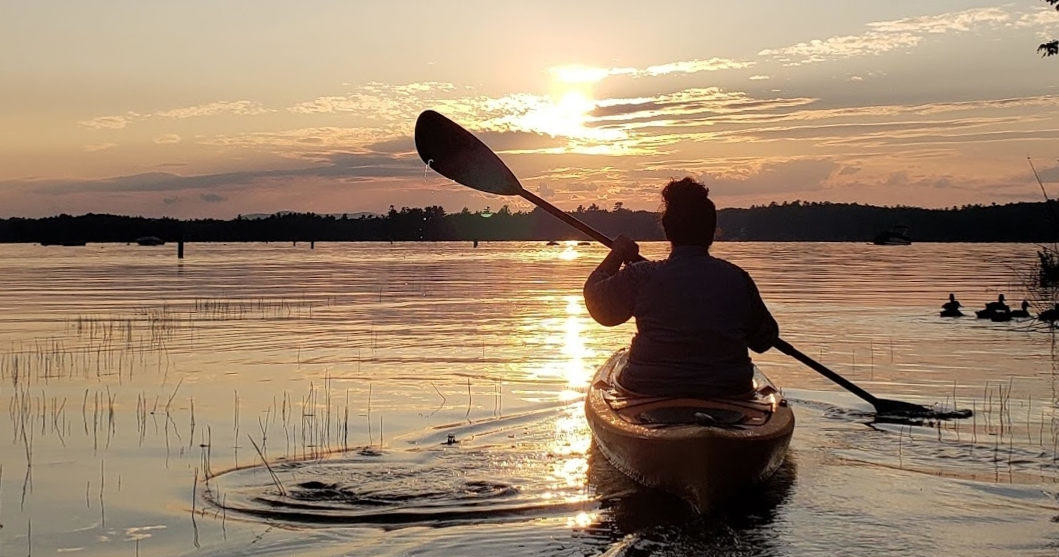
Kayaking in Pinkham Notch, New Hampshire
Tucked beneath the Presidential Range, Pinkham Notch isn't a destination for long, placid lake cruises—it's a compact, seasonal gateway to mountain streams, springtime whitewater, and nearby flatwater pockets. The notch’s steep, glacially carved valley channels runoff into lively creeks that reward paddlers with a short, concentrated taste of New England river dynamics. Combine a morning paddle with an afternoon hike on the Appalachian or Tuckerman Ravine trails, and you have a classic White Mountains day that blends adrenaline and alpine scenery.
Top Kayak Trips in Pinkham Notch
11 trips • Book with confidence • Instant confirmation
Why Pinkham Notch Works for Kayakers
Pinkham Notch is less a single paddling destination than a compact access point to a mosaic of White Mountains waterways. The notch itself is a dramatic U-shaped valley carved by glaciers and threaded by fast-moving streams. Those streams—short, steep, and responsive to melt and rain—create a window of opportunity in late spring when river levels rise and small, technical runs come alive. For paddlers who chase snowmelt and tight, rock-strewn drops, Pinkham Notch delivers a concentrated hit of whitewater within minutes of the parking lot.
Outside the spurt of spring runoff, the paddling experience reorganizes. Lower summer flows make some creek lines unrunnable, but they reveal calmer side channels, beaver ponds, and slow stretches that suit sit-on-top kayaks, touring boats, and family-friendly day paddles. Beyond the notch’s immediate channels, a short drive places you on broader, gentler rivers and on glacially scoured pools tucked between ridgelines—ideal for practicing stroke technique, wildlife watching, and photography. That proximity to both technical and mellow water is the notch’s strength: you can pair a guided whitewater lesson or a short creek run with a relaxed afternoon paddle on a low-gradient section of river or a nearby pond.
The setting matters. Pines, mixed hardwoods, and the looming silhouette of the Presidential peaks frame every put-in; on clear days the perspectives shift quickly from tight canyon to open valley to summit line. That variety extends the appeal to mixed groups: experienced paddlers can test their moves on swift water while partners or family members explore calm stretches, shorelines, and shoreline hikes. The same logistical advantages—short drives between trailheads and waterways, established visitor services at Pinkham Notch, and a network of local outfitters in the Mount Washington Valley—make day planning efficient. Environmental stewardship is essential here: streams and wetlands in the notch are ecologically sensitive and respond quickly to erosion. Practicing leave-no-trace launching, avoiding fragile banks, and timing outings to appropriate flows preserves access for others.
In short, Pinkham Notch is a concentrated, seasonally dynamic playground for paddlers who like their water close to the mountains. It’s not a year-round kayaking resort, but within its active window it offers a rare combination of alpine scenery, technical creek work, and easy access to gentler paddling, plus straightforward opportunities to mix in hiking, climbing, and backcountry exploration.
Short, steep creeks near the notch produce technical spring runs; expect class II–III moves on seasonal flows (conditions vary)—good for guided trips or experienced paddlers.
Summer brings calmer conditions and opportunities for flatwater paddling on small ponds and downstream low-gradient river sections—great for skill-building and family outings.
Pair paddling with hiking, rock scrambling, and scenic drives on the Mount Washington Auto Road or local trails for a full-day alpine experience.
Best Time to Visit
Best Months
Weather Notes
Spring snowmelt and early-summer rains create higher, technical flows—ideal for experienced paddlers. Summer offers quieter, lower-water paddling with warm daytime temperatures but possible afternoon storms. Fall delivers crisp mornings and vivid foliage reflected on calm ponds; water temperatures drop quickly. Winter conditions close most paddling opportunities due to ice and cold.
Peak Season
Late spring for high-water runs and early fall for foliage paddling and stable weather.
Off-Season Opportunities
Lower summer flows are better for skill practice and family paddles; winter paddling is uncommon—consider guided or alternative activities like snowshoeing and cross-country skiing.
Frequently Asked Questions
Do I need permits to paddle near Pinkham Notch?
Most day paddles on public waters don’t require permits. Specific organized events or entry to certain managed ponds may have rules—check White Mountain National Forest notices and local landowner signage.
Are there kayak rentals and guided trips nearby?
Yes. The Mount Washington Valley and nearby towns host outfitters that rent boats and run guided whitewater and flatwater trips—especially useful during spring high-water windows.
What skill level is required for spring whitewater runs?
Spring runs can be technical and dynamic. Experience with river running, swift-water rescue, and proper gear (helmet, PFD, throw bag) is recommended; beginners should book a guided trip.
Choose Your Experience Level
Beginner
Calm ponds and downstream low-gradient river sections during summer and early fall—good for learning strokes, balance, and basic rescues.
- Flatwater paddles on nearby ponds
- Low-gradient downstream river floats
- Skills clinics with a local outfitter
Intermediate
Moderate moving water, small drops, and technical eddy lines during variable spring and early summer flows.
- Seasonal creek runs on moderate flows
- Extended downstream river sections with small rapids
- Self-guided paddles with scouting and basic rescue gear
Advanced
Short, steep, and technical spring creeks with rapid changes in water level and tight lines—requires advanced boat control and swift-water rescue skills.
- Technical spring creek runs
- Daily push in higher flows with experienced paddling partners
- Timed shuttles connecting multiple creek segments
Insider Tips & Local Knowledge
Check river gauges, contact local outfitters for flow updates, and always practice conservative decision-making—flows change quickly in mountain notches.
Monitor USGS or local flow reports before heading out; what’s runnable one morning can become pushy by afternoon. Early starts reduce wind and traffic on narrow launches; mid-morning is often when conditions and crowds build. For spring whitewater, consider hiring a local guide—guides know reliable put-ins, portages, and safe lines around strainers and ledges. Respect private property and use marked access points; many classic launch areas in the White Mountains run along narrow roadside pulls. Pack a shuttle plan: cell coverage is patchy in places, so leave vehicle keys with a trusted partner or plan a loop. Preserve access by avoiding bank launches that erode shorelines and by packing out all gear and trash. Finally, pair a paddle day with a short hike—Tuckerman Ravine, the Appalachian Trail access, and nearby scenic drives make easy add-ons to a paddling-focused itinerary.
What to Bring
Essential
- USCG-approved PFD (worn at all times)
- Appropriate kayak (creek, touring, or sit-on-top depending on conditions)
- Helmet for moving water
- Spray skirt or sprayskirt alternatives for whitewater
- Dry bags for layers and electronics
Recommended
- River shoes or neoprene booties
- Throw bag and rescue kit
- Bilge pump and paddle float
- Quick-dry technical layers and a waterproof jacket
- Map/GPS and a charged phone in a dry case
Optional
- Wetsuit or drysuit for cold spring runs
- Compact repair kit and multi-tool
- Binoculars for shoreline wildlife viewing
- Camera in a waterproof housing
Ready for Your Kayak Adventure?
Browse 11 verified trips in Pinkham Notch with instant booking
Explore Top 15 Pinkham Notch, New Hampshire Adventures →