
Palm Coast adventure guide
Find your way into Palm Coast.
Long, low dunes meet a stitched pattern of creeks and waterways along Palm Coast, a quiet stretch of Florida’s northeast shoreline where salt marshes and subdivision bike paths converge with open ocean access. Here the day is often measured in tides: dawn kayak put-ins that thread mangrove tunnels, midday boat tours cruising the Intracoastal in search of dolphins, and late-afternoon surf sessions or beach walks underscored by the slow commerce of pelicans and terns. Palm Coast’s activity mix favors water—boat rental and boat tour operators keep the marinas busy—yet the destination is equally inviting for lighter pursuits: bike rental and walking tour options thread neighborhoods and parks, eco tour guides explain estuary dynamics, and snorkeling or scuba trips touch the reefs and wrecks offshore. For travelers who want an approachable coastal escape, Palm Coast balances easy access to sailing, SUP, and kayak adventures with the kind of low-key, practical infrastructure that makes planning simple: put-ins within a short drive, outfitters offering gear for a morning paddle and an afternoon sightseeing tour, and beachside cafes to stitch the day together.
Three ways into the city
Pick a landscape. Build a day around it.
Palm Coast is less a single destination than a collection of neighboring worlds. Start with the version of the city that matches your pace, then use the ranked guide below to fill in the details.

Begin where the city meets the sea.
Surf breaks, sheltered harbors, whale routes, and long beach paths make the coast LA’s most immediate outdoor playground.
Explore boat tour →
Let a local connect the landmarks.
Use a guided city, walking, or sightseeing tour to turn LA’s sprawl into a coherent story.
Explore city tour →
Ride the coast and the city.
Beach paths, river corridors, e-bikes, and ridge climbs reveal a more connected Los Angeles.
Explore bike rental →Choose your way into Palm
The top 15 Palm Coast adventures.
Ranked by the number of currently listed trips. Each panel opens the complete local activity collection.
1Boat Tour
Palm Coast’s boat tours unlock a low-key, wildlife-rich stretch of Northeast Florida where salt marsh, tidal creeks, and barrier island beaches meet the open Atlantic. From slow-moving eco-cruises that track dolphins and manatees through winding channels to sunset sails and nearshore fishing charters, the region’s calm waterways make afloat exploration accessible to travelers seeking both comfort and discovery.
Explore boat tour → 2
2Water Activities
Palm Coast is a low-key coastal enclave where tidal creeks, wide beaches, and sheltered estuaries fold into everyday life. This guide focuses on water activities you can actually do—from flatwater paddling through mangrove channels and guided eco-kayak tours to surf sessions on nearby beaches and inshore fishing for redfish and trout. With 62 curated water-based experiences nearby, Palm Coast is ideal for families seeking calm swims, paddlers after still-water exploration, anglers looking for inshore action, and small-boat operators wanting quick access to the Intracoastal and open Atlantic.
Explore water activities → 3
3Sailing
Palm Coast sits where wide tidal creeks, protected estuaries, and the sheltered Intracoastal Waterway meet the open Atlantic—an inviting playground for sailors of every stripe. From soft-day learning sails through mangrove-lined channels to brisk coastal reaches and easy overnight hops to nearby historic St. Augustine, the area offers sheltered learning conditions, wildlife-rich anchorages, and reliable coastal breeze windows for seasonal passages.
Explore sailing →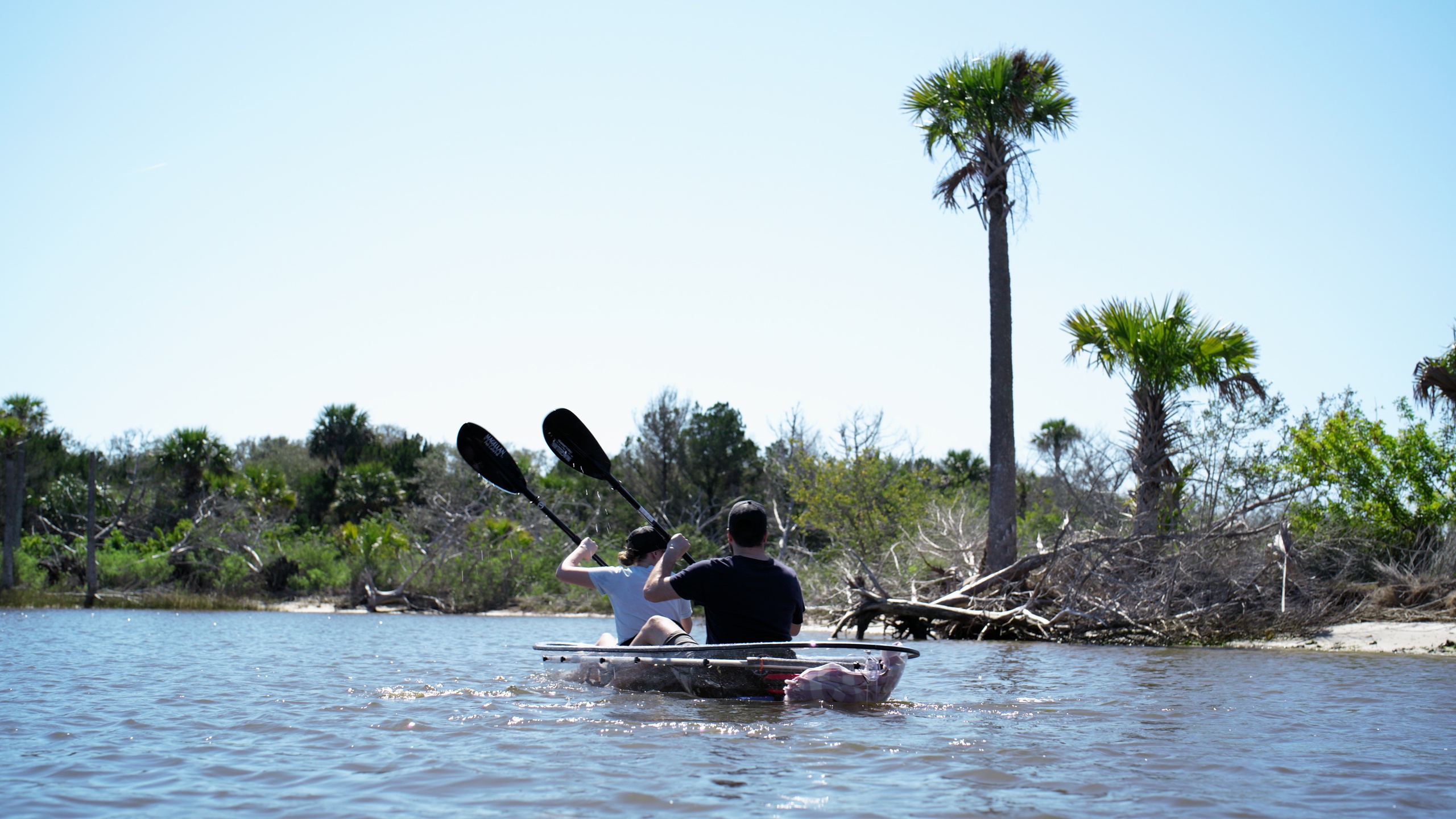 4
4Kayak
Palm Coast is a low-slung ribbon of salt marsh, tidal creeks, and sheltered barrier beaches—an intimate playground for kayakers who want close encounters with coastal ecosystems. From calm estuary tours through mangrove fingers to short ocean launches off Flagler Beach, the paddling here is approachable but endlessly varied. Expect easy access, abundant wildlife, and an emphasis on flatwater and sheltered sea-kayaking suited for mixed ability groups.
Explore kayak → 5
5Boat Rental
Palm Coast is a low-slung, water-splintered stretch of Florida where mangroves breathe and the Intracoastal Waterway threads between tidal creeks, wide estuaries, and sandbar-perfect beaches. For renters, it’s a place of easy access and big rewards: half-day skiffs that drift over seagrass flats, pilothouse runabouts for families, and captain-led charters for first-timers who want to learn the local currents. This guide focuses on renting a boat around Palm Coast—how to choose the right craft, practical route ideas, seasonal weather to plan for, and the ecosystems you’ll glide through. Whether your aim is fishing off a quiet sandbar, a sunset cruise that ends at Flagler Beach, or a slow wildlife-watching day among osprey and manatee feeding grounds, Palm Coast’s waterways deliver straightforward boating that feels wild and purposeful.
Explore boat rental →6City Tour
Palm Coast is a low-slung coastal town built around waterways, greenways, and a relaxed Atlantic-facing rhythm. City tours here lean into shallow estuaries, broad bike paths, salt-marsh birding, and neighborhood histories—perfect for travelers looking for soft-adventure, nature-rich strolls, and multi-modal explorations that pair easily with beach time.
Explore city tour → 7
7Scuba
Palm Coast is a compact, approachable base for Atlantic scuba in Northeast Florida—where warm waters, shallow ledges, artificial reefs, and estuarine edges combine to create accessible and varied dives. From easy shore entries across oyster bars to short boat runs that drop you on sand-scoured reef structures, the region is ideal for new certified divers looking to build experience and for advanced divers seeking macro life, drift segments, and wreck spottings on local reef projects.
Explore scuba → 8
8Surf
Palm Coast's shoreline is a low-key surf corridor where accessible sandbars, seasonal Atlantic groundswells, and a relaxed coastal culture combine to form a welcoming playground for surfers of varied experience. This guide focuses on surfing the Palm Coast — from mellow longboard mornings to more critical swell windows — and pairs those waves with practical planning, local etiquette, and complementary outdoor options like paddleboarding, coastal bike rides, and wildlife-focused beach walks.
Explore surf → 9
9Sightseeing Tour
Palm Coast's quiet shoreline and tidal estuaries make it an ideal base for sightseeing tours that favor ecology over spectacle. Expect gentle boat cruises, guided kayak trips through salt marshes, coastal bike routes, and short historical drives that reveal Flagler County's maritime and rail legacy. Tours here emphasize close-up encounters with wading birds, coastal plant communities, and pocketed beaches where the pace is slow but the discoveries are vivid.
Explore sightseeing tour →10Bike Rental
Palm Coast’s low, wind-swept landscapes and stitched-together greenways make it one of Florida’s most accessible places to roll a rented bike. From easy beachfront cruises on A1A to flat, tree-lined canal paths and salt-marsh lookouts, bike rentals here unlock a relaxed, discovery-focused way to experience the coast.
Explore bike rental → 11
11Dolphin
Palm Coast's salt-scented inlets and wide, low-lying marsh edges are an invitation to one of Florida's most approachable wildlife encounters: wild dolphins. From glassy estuary mornings where bow wakes split the calm to afternoon offshore runs chasing shoals, dolphin experiences here are at once intimate and expansive—perfect for photographers, families, and paddlers seeking graceful, playful encounters with marine life.
Explore dolphin →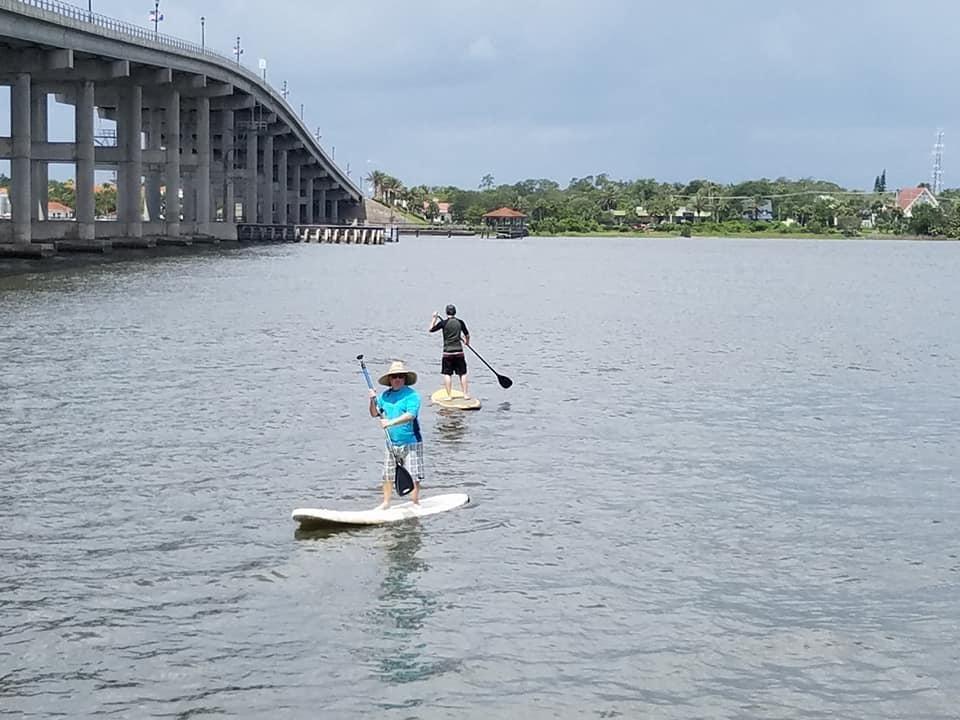 12
12SUP
Palm Coast's network of tidal creeks, protected estuaries and quiet canals creates a suppler, calmer world for stand-up paddleboarding. Expect glassy morning launches, tidal rhythms that shape routes, and abundant shorebird and dolphin sightings—ideal for those who want wildlife-rich, accessible flatwater paddling with quick access to beaches and coastal preserves.
Explore sup → 13
13Eco Tour
Palm Coast's quiet coastline is stitched with salt marsh, tidal creeks, and maritime hammock — a living classroom for eco tours that focus on birds, sea turtles, estuary ecology, and coastal restoration. From shallow-water kayak trips that thread mangrove tunnels to guided boat cruises that read the language of the tides and shorebirds, eco tours here emphasize low-impact travel, seasonal rhythms, and hands-on learning with local stewards. Expect intimate groups, approachable terrain, and a chance to see Florida's subtler coastal life: migrating songbirds at dawn, ospreys patrolling tidal flats, fiddler crabs working the mud, and sea turtles nesting under moonlight when the season arrives.
Explore eco tour → 14
14Walking Tour
Palm Coast's walking tours stitch together ocean beaches, tidal marshes, and quiet neighborhoods along flat, accessible corridors. Whether you're following a shoreline boardwalk at sunrise, tracing mangrove-lined estuaries for birdlife, or learning local stories on a historic downtown stroll, walks here are intimate, luminous, and easy to customize by distance and pace.
Explore walking tour → 15
15Wildlife
Palm Coast is quietly prolific: a coastal lattice of tidal creeks, salt marshes and maritime hammocks that hosts shorebirds, raptors, resident estuarine species and seasonal visitors. This guide focuses on where, when, and how to encounter the area’s wildlife with respect for fragile habitat—through paddling, boardwalk walks, guided boat tours, and shore-based observation.
Explore wildlife →The city and the sea
Why Palm Coast Belongs on Your Adventure Shortlist
Variety without surrendering the day to long transfers.
Palm Coast sits at a crossover of experiences: a place where the Atlantic’s swell and the Intracoastal’s calm live a few minutes apart, and where easy access to water-based pursuits turns a weekend into a layered itinerary. Stow a surfboard for a dawn session on exposed beach breaks, then swap it for a kayak or SUP and thread the quieter channels of the Matanzas River as ospreys wheel overhead. The contrast is the city’s appeal—the same coastline that hosts surf and scuba also shelters estuaries ranked for wildlife viewing. Boat tour and boat rental options let you calibrate the day: a relaxed sightseeing tour to scan for dolphins, an eco tour to parse coastal ecology, or a sailing afternoon to feel wind and tide together without complicated logistics. History here folds into the landscape. The coast’s pattern of hammocks and tidal creeks reflects centuries of shoreline change and human use, from Indigenous canoe routes to 20th-century seaside development; modern Palm Coast still favors low-commitment access over crowded resort life. That means more mornings spent on a bike rental exploring mapped trails and more afternoons on guided kayak tours that point out nesting birds and manatee haulouts. The town’s approachable scale is a practical advantage: outfitters are small and local, shuttle distances are short, and many popular activities—kayak launch points, SUP rental stands, and nearby dive charters—are organized around simple, repeatable routines. For planning, think in layers. Pick one water discipline as the spine—sailing or kayak for a calm, navigational day; surf for a technical, wind-driven session; scuba for an exploratory morning on nearshore reefs—and then add supporting activities that match energy levels: a walking tour through coastal parks, an eco tour at golden hour, or a bike loop that delivers you back to a favorite beachside café. The region’s wildlife—dolphins, shorebirds, and the occasional manatee—rewards slow observation, so schedule a quiet stretch of day to simply watch. Finally, seasonality matters here in practical ways: winter and spring are comfortable and less humid; summer offers low rates but high heat and frequent afternoon storms. With a few sensible choices, Palm Coast is an excellent base for mixed itineraries that pair waterborne play with easy, on-the-ground exploration.
Access and simplicity make Palm Coast especially friendly to multi-activity days. Rent a bike for a short loop to a state park, then store it and join an afternoon boat tour; outfitters frequently combine rentals, lessons, and short guided trips so you can mix sailing, SUP, and snorkel time without juggling separate bookings.
Wildlife and shoreline variety keep itineraries interesting. Beyond the beach, estuaries and salt marshes host diverse birdlife and marine mammals; choose guided eco tours for the best chance to see dolphins responsibly and learn how tides shape local habitats.
Conditions shape the day
The best time to visit Palm Coast.
Mild winters and warm springs make late fall through spring the most comfortable window for mixed outdoor activities. Summer brings hot, humid days and frequent afternoon thunderstorms; hurricane season runs June–November—monitor forecasts if traveling in late summer or fall.
Best all-around window
Spring + fall
Comfortable mixed-itinerary weather, thinner crowds at beaches and lookouts, and more room to improvise.
Beach season
Winter holidays and spring break draw more visitors; outfitters and beach parking fill earlier in the day.
Surf + whales
Summer and early fall may offer lower lodging rates and less competition for weekday bookings, but plan around heat, humidity, and storm risk.
Coast to inland
Cool marine mornings often give way to warmer inland afternoons and breezy evenings.
Beginner
Short paddles in sheltered estuaries, easy walking tours, and mellow bike loops—low commitment, high reward.
- Introductory kayak trip on the Matanzas River
- Leisurely bike rental loop through coastal neighborhoods and parks
- Guided boat tour for dolphin and wildlife viewing
Intermediate
Longer paddles with tidal navigation, surf lessons, and full-day sightseeing tours that require planning and basic skills.
- Guided SUP excursion across a tidal estuary
- Sailing half-day with basic helm time
- Snorkel or scuba shore dives in nearshore reefs
Advanced
Open-ocean paddles, advanced surf sessions, and technical scuba that demand experience, local knowledge, and self-sufficiency.
- Offshore scuba trips to deeper wrecks and reefs
- Advanced surf sessions on exposed breaks
- Solo coastal crossings or long tidal-run kayak expeditions (skill and local conditions required)
Field kit
What to bring.
Pack for sun, salt water, walking, and a meaningful temperature swing between coast and inland Palm.
Essential
Start here
- Sunscreen (reef-safe recommended) and a broad-brim hat
- Light, quick-dry clothing and a swim layer
- Waterproof phone case or dry bag
- Reusable water bottle and electrolytes
- Tide and weather app or local tide chart
Water days
Keep it dry
- Sturdy sandals or water shoes for launches and tidal flats
- Light windbreaker for on-deck sailing or early-morning paddles
- Mask and snorkel if you plan to scuba or snorkel from shore
- Binoculars for birding and wildlife viewing
Long days
Stay flexible
- Wetsuit top for cooler winter mornings or shaded estuaries
- Action camera with float mount
- Compact first-aid kit and blister care
Insider note
Start early, then keep the geography tight.
Timing is everything: launch with an outgoing tide for easier paddle-outs and arrive early to beat beach crowds and afternoon winds. Do the stingray shuffle in shallow sand flats and respect posted wildlife closures—especially during nesting season. If you’re planning a boat rental or private sail, check fuel and safety requirements and carry a VHF or charged phone. Book scuba charters and popular lessons in advance during winter and spring. For wildlife viewing, opt for slow, quiet approaches; eco tours tend to follow best-practice viewing distances for dolphins and manatees. Finally, pack reef-safe sunscreen and a small trash bag—leave no trace matters even on well-trod beaches.
Good to know
Frequently asked questions.
Can I do most water activities without a guide?
Yes for many activities—casual kayak and SUP outings in protected channels are accessible to beginners with basic instruction. For open-ocean sailing, scuba, or surf in heavier conditions, opt for guided trips or lessons.
Are there reliable launch points for kayaks and SUP?
Yes. The Matanzas River and several park beach accesses provide put-ins for paddles and small boats; check tide charts and local signage, and use designated launch areas to avoid fragile marshes.
When is dolphin viewing most likely?
Dolphins are often seen year-round but are easiest to spot on calm mornings or during boat tours that travel slow through channels and inlets. Choose eco tours that prioritize safe distances and responsible viewing.
Ready when you are
Find the trip that fits your Palm Coast day.
Compare bookable experiences across the coast, city, and mountains—then save the ones that belong in your plan.
Explore all Palm Coast adventures ↗