7

Top 12 SUP Adventures in Palm Coast, Florida

Palm Coast, Florida

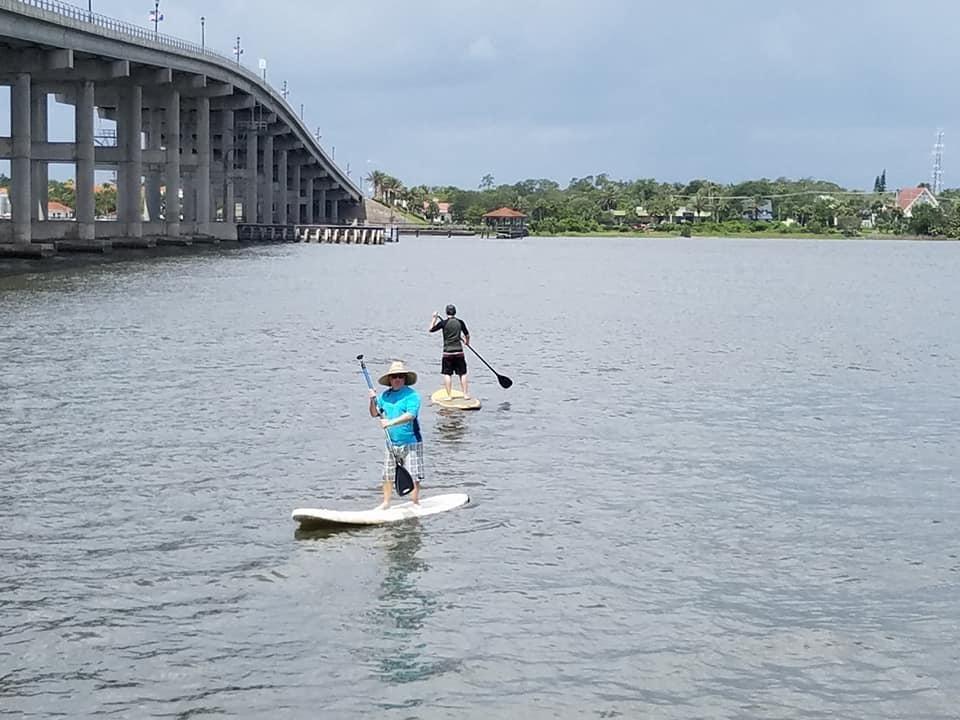
Palm Coast's network of tidal creeks, protected estuaries and quiet canals creates a suppler, calmer world for stand-up paddleboarding. Expect glassy morning launches, tidal rhythms that shape routes, and abundant shorebird and dolphin sightings—ideal for those who want wildlife-rich, accessible flatwater paddling with quick access to beaches and coastal preserves.

12
Activities
Year-Round
Best Months

Top SUP Trips in Palm Coast

12 trips • Book with confidence • Instant confirmation

Why Palm Coast Is an Exceptional SUP Spot

Palm Coast folds inland from the Atlantic into a stitched landscape of channels, estuaries, and protected marsh. For stand-up paddleboarding that means long stretches of navigable flatwater, short runs between mangrove fingers, and the kind of tidal choreography that turns a quiet morning into an easy loop on the return. The region's placement on Florida's northeast coast creates contrast: sheltered waters framed by salt marsh grasses and oyster bars, with the ocean's surf a short drive east. That variety is the core appeal for paddlers—easy beginner-friendly stretches in the canals and Intracoastal, wildlife-dense estuary corridors for photo-conscious paddlers, and nearby ocean-facing beaches where SUP-surf and downwind runs are options when the swell and wind align.

Because the waterways are primarily tidal, planning around current and wind is part of the craft. Mornings often deliver glassy conditions, when the heat of the day hasn't yet built a sea breeze. Afternoons can bring steady onshore or alongshore winds; on those days the Intracoastal feels lively and sections of open water demand more attention to board control and route choice. Tidal exposes—oyster bars, mudflats and narrow channels—are part of the local ecology. They give paddlers higher chances of spotting marsh birds, herons and egrets, and on warm days dolphins and manatees can make unexpected appearances in the creeks. This is a paddling region that rewards slow travel: take a three-hour loop and the landscape will reveal hidden shorelines, shell-strewn banks, and small inlets where the light and life feel private.

The practical side of Palm Coast SUP is friendly: plenty of public launch points, a network of low-traffic lanes for shuttling gear between beach and canal, and nearby parks where beginners can learn the basics before venturing into tidal flows. Complementary activities—shore fishing from a board, birdwatching with binoculars, or pairing a morning paddle with a bike ride along the Linear Park—are natural add-ons that make a day here feel complete. For travelers, Palm Coast is both approachable and quietly varied: a place where a weekend of paddling can include serene estuary mornings, an afternoon surf session at a nearby beach, and sunset laps under a wide Florida sky.

Shallow estuaries and a broad canal system create protected day-trip options suitable for families and first-timers, while open-intracoastal crossings and ocean approaches provide challenge and variety for experienced paddlers.

Wildlife viewing is a major draw—marsh birds, raptors, dolphins and the occasional manatee reward patient paddlers; bring a small telephoto or binoculars and plan routes that hug the shore where sightings are most common.

Activity focus: Stand-up paddleboarding (SUP)
Primary terrain: Tidal estuaries, canals, Intracoastal passages, and nearby surf beaches
Skill emphasis: Tide reading, wind management, and shallow-water navigation
Common wildlife: Shorebirds, wading birds, dolphins, manatees
Accessibility: Multiple public launches and park access points

Best Time to Visit

Best Months

MarchAprilMayOctoberNovember

Weather Notes

Mild winters and warm springs make most of the year suitable for paddling. Summers are hot and humid with frequent afternoon sea breezes and thunderstorms; hurricane season (June–November) can interrupt access and increase swell and current hazards. Morning windows (sunrise–midday) usually offer the calmest conditions.

Peak Season

Spring and early fall, when temperatures are comfortable and insect pressure is lower. Weekends in these periods see higher use at popular launch sites.

Off-Season Opportunities

Winter offers quieter waterways and comfortable daytime paddling; cooler mornings require an additional insulating layer but visibility for wildlife can improve.

Frequently Asked Questions

Do I need a permit to paddle in Palm Coast?

Most public launch sites allow non-motorized use without a boating permit, but some preserves or managed parks may have parking fees or rules—check local park signage and city websites before you go.

Where are safe launch points for beginners?

Look for calm, shallow canal access points and park boat ramps with gentle shorelines. Launches with nearby parking and little boat traffic are ideal for first outings.

How do tides and wind affect routes?

Tides can change depths and expose oyster bars; plan to paddle with the tide for easier travel and use launch points that allow flexible trip lengths. Wind often increases in the afternoon, so favor morning departures on breezy days.

Choose Your Experience Level

Beginner

Protected canals and sheltered estuary arms with minimal current—ideal for learning balance, stroke technique, and basic navigation.

  • Short canal loops near public launches
  • Estuary shoreline exploration at glassy high tide
  • Introductory SUP lessons at calm park launches

Intermediate

Longer loops on the Intracoastal with modest tidal flow; navigating narrow creek mouths and managing light wind and wake from passing boats.

  • Half-day Intracoastal crossings between protected bays
  • Tidal creek circuits with wildlife-focused stops
  • Paddling to nearby preserves for birding and short hikes

Advanced

Exposed crossings, downwind runs, and ocean-facing launches that require solid board control, efficient strokes, and experience reading wind and tide conditions.

  • Point-to-point coastal runs when swell permits
  • Downwind relays and long-distance endurance paddles
  • Mixed surf-and-flatwater days combining beach entries and estuary exits

Insider Tips & Local Knowledge

Check tide charts and wind forecasts, secure a leash and PFD, and plan launches for morning calm. Respect wildlife, avoid disturbing nesting areas, and be mindful of boat traffic in the Intracoastal.

Launch early to take advantage of glassy conditions and cooler temperatures; mid-morning wind often builds from the shore. When planning routes, aim to 'paddle with the tide' on longer loops—this reduces effort and shortens exposed crossings. Use local park maps to identify quieter launches away from busy boat ramps. If you're new to tidal waters, consider a guided tour for route knowledge and local safety practices. Finally, pack out what you bring in: marshes and shellbars are delicate habitats—keep a respectful distance from wildlife and avoid trampling seagrass beds.

What to Bring

Essential

  • Personal flotation device (PFD) — required in many jurisdictions
  • Leash appropriate to board type
  • Waterproof phone case or dry bag
  • Sun protection: hat, sunglasses, reef-safe sunscreen
  • Hydration and compact snacks

Recommended

  • Inflatable pad or touring board for stability in variable conditions
  • Light jacket or windbreaker for cooler mornings and sea breezes
  • Tide and wind app, and a basic route plan
  • Small first-aid kit and whistle

Optional

  • Binoculars for bird and dolphin watching
  • Fishing license and gear for shore fishing from your board
  • Compact camera or action cam with chest/board mount

Ready for Your SUP Adventure?

Browse 12 verified trips in Palm Coast with instant booking

Explore Top 15 Palm Coast, Florida Adventures →