
Orcas adventure guide
Find your way into Orcas.
A salt-scented island of cedar ridgelines, glassy coves, and small-town charms, Orcas Island squeezes a surprising variety of adventure into a compact marine landscape. This guide pairs practical planning—when to paddle, where to bike, and how to spot whales—with inspired route ideas for every level of traveler.
Three ways into the city
Pick a landscape. Build a day around it.
Orcas is less a single destination than a collection of neighboring worlds. Start with the version of the city that matches your pace, then use the ranked guide below to fill in the details.

Begin where the city meets the sea.
Surf breaks, sheltered harbors, whale routes, and long beach paths make the coast LA’s most immediate outdoor playground.
Explore water activities →
Let a local connect the landmarks.
Use a guided city, walking, or sightseeing tour to turn LA’s sprawl into a coherent story.
Explore sightseeing tour →
Ride the coast and the city.
Beach paths, river corridors, e-bikes, and ridge climbs reveal a more connected Los Angeles.
Explore bike rental →Choose your way into Orcas
The top 15 Orcas adventures.
Ranked by the number of currently listed trips. Each panel opens the complete local activity collection.
1Water Activities
A maze of glassy coves, wind-swept channels, and scatterings of craggy islets makes Orcas Island a waterman's playground. From dawn paddleboard sessions beneath cathedral cedars to sunset sails that melt into the island horizon, water activities here are as varied as the tides—quiet and intimate in protected bays, raw and elemental on exposed crossings. This guide focuses on what to expect on the water: where to go, how to prepare, seasonality and safety, and how to layer complementary adventures like wildlife viewing and coastal hiking into a single, memorable trip.
Explore water activities →2Sightseeing Tour
Orcas Island bends the logic of scale—small enough that a morning can carry you from a salt-scented ferry landing to a cloud-brushed summit, yet large enough to fill an entire day with quietly unfolding scenes. Sightseeing here is a layered affair: coastal cruises that put orcas, porpoises, and harbor seals into relief against basalt cliffs; shoreline kayak tours that thread algae-bright coves and hidden beaches; and slow, interpretive drives that stop for farmers’ markets, historic homesteads, and the sweeping lookout from Mount Constitution. Tours on Orcas emphasize intimacy with the landscape—low-speed, low-impact, and driven by guides who read tides, seabirds, and local histories as part of the itinerary.
Explore sightseeing tour →3Bike Rental
Orcas Island is the kind of place that invites you to trade four wheels for two: quiet county roads, rolling farmland, and forested climbs create a compact but endlessly varied playground for cyclists. Bike rentals make that playground instantly accessible—whether you want a casual cruiser for a seaside loop, a gravel bike to explore backroads, or an e-bike that turns Mount Constitution into an all-day viewpoint rather than a leg-burning mission. This guide focuses on renting bikes on Orcas: how to pick the right machine, where to ride, what seasons and logistics matter most, and how to combine cycling with hiking, paddling, and island-style slow travel.
Explore bike rental → 4
4City Tour
Orcas Island compresses a big-island sense of place into a handful of walkable neighborhoods, shoreline paths, and gallery-lined streets. City tours here are small-scale, sensory affairs: salt air and cedar smoke, a fishermen’s harbor at low tide, farm stands, and a steady rhythm of boats and foot traffic rather than busy urban clamor. This guide focuses on walking- and bike-friendly explorations of Eastsound and nearby settlements, pairing cultural stops with micro-adventures—short hikes, shoreline rambles, and paddle options—so you can shape a day that feels both local and thoroughly outdoorsy.
Explore city tour → 5
5Boat Tour
Orcas Island's coastlines and calm inland channels make it a natural base for boat tours that range from whale‑watching safaris to slow, sunset cruises through glassy bays. Expect encounters with orcas, transient humpbacks, harbor seals, and bald eagles, plus the raw geology of glacially sculpted shorelines. This guide focuses on on‑water experiences: practical planning, seasonal rhythm, accessibility, and how to pair a boat tour with kayaking, shoreline hikes, and island dining.
Explore boat tour → 6
6Kayak
The waters around Orcas Island are textbook Pacific Northwest kayaking: sculpted shorelines, kelp forests, tidal channels, and the constant possibility of passing whales and porpoises. This guide focuses on sea-kayak experiences—day trips from sheltered bays, multi-island crossings, and shoreline exploration—balancing evocative route descriptions with practical, decision-ready planning advice.
Explore kayak → 7
7Bike Tour
Orcas Island folds together steep forested hills, quiet saltwater coves, and long open roads that feel made for cycling. This guide is for riders who want to explore the island by pedal—day loops that frame dramatic water vistas, gravel shortcuts into fern-dark forests, and the sustained climb to Mount Constitution for a summit that makes the effort worth every turn of the crank.
Explore bike tour → 8
8Boat Rental
Orcas Island is best discovered from the water. Renting a boat here gives you the freedom to slip between forested islets, beach a skiff on quiet coves, and time your approach to a whale’s slow drift or a ferry’s distant wake. Whether you’re after a gentle pontoon cruise around Eastsound, a self-drive outing to Sucia State Park, or a guided wildlife-and-history tour, Orcas’ complex channels, tidal ribbons, and sheltered bays reward careful planning and a sense of improvisation.
Explore boat rental → 9
9Sailing
Orcas Island condenses the best of Pacific Northwest sailing into short hops between protected coves, whale-sighted channels, and windswept exposed points. With a mix of sheltered anchorages and day-sail legs that challenge wind reading and tidal planning, Orcas is ideal for cruisers, day-charter guests, and sailors seeking multi-day island circuits.
Explore sailing → 10
10SUP
Orcas Island folds quiet bays, wind-sheltered coves, and reef-strewn channels into a compact playground for stand-up paddleboarding. From glassy morning laps around Eastsound to wind-scoured cross-channel runs and wildlife-rich shoreline cruises, SUP on Orcas delivers a blend of accessible flatwater exploration and technical tidal navigation. This guide focuses on practical paddling routes, seasonality, safety, and the local rhythms that make Orcas one of the Pacific Northwest's most rewarding small-island SUP destinations.
Explore sup →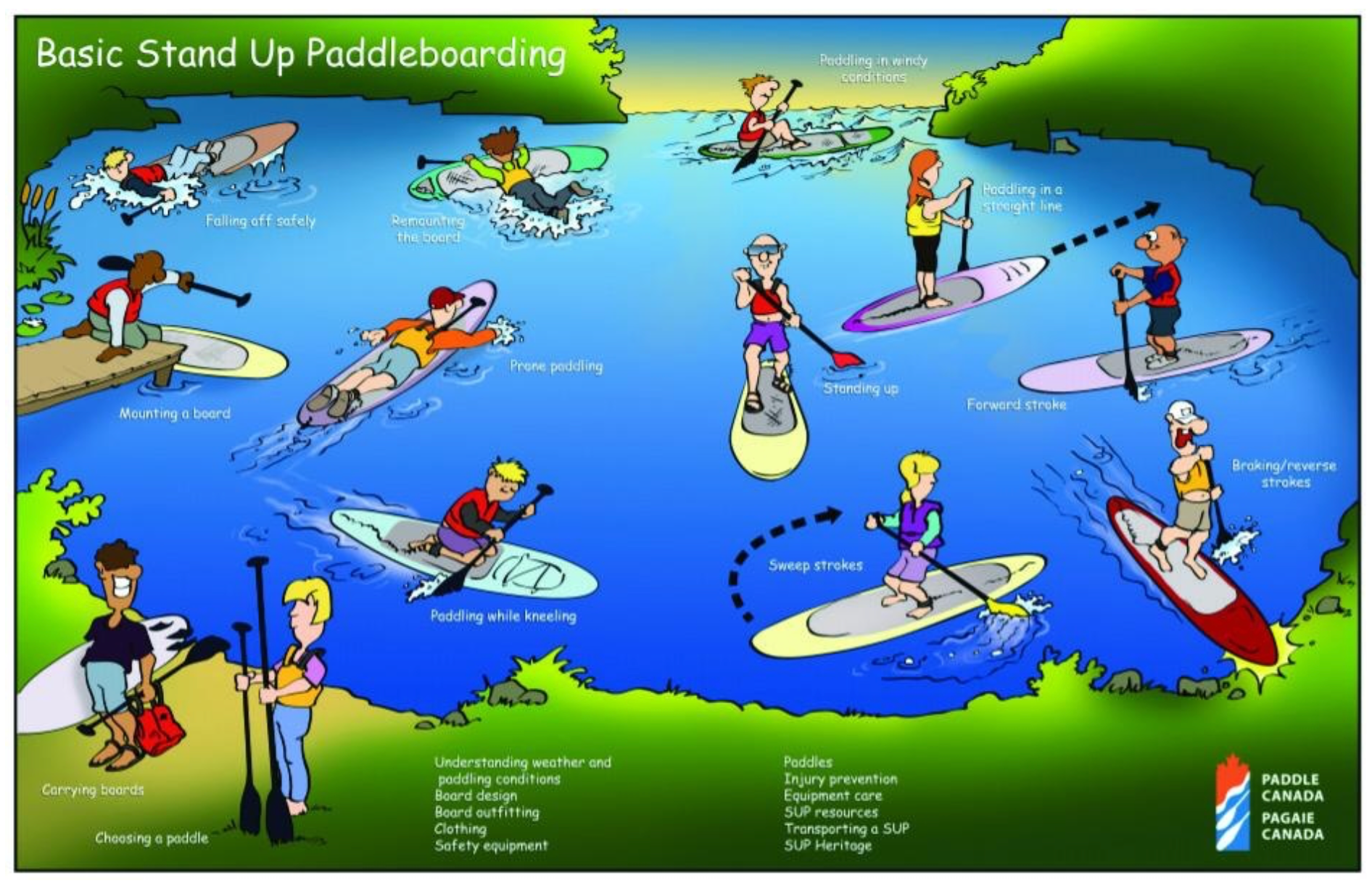 11
11Bus Tour
On Orcas Island, a bus tour is less about covering ground fast and more about slowing the landscape down—to watch cedar-dark shorelines give way to meadows, to trade ferry chatter for the quiet of a volcano-shaped peak, to have a local driver pause at a roadside orchard for a moment that feels private. These tours thread together cultural history, wildlife viewing, and the island’s compact but wildly varied terrain, offering a way to sample Moran’s forests, Eastsound’s galleries, and hidden viewpoints without needing a car.
Explore bus tour → 12
12Walking Tour
Orcas Island compresses wild coastline, moss-draped forests, pastoral farmland, and a lively island village into walking distances you can savor in a morning or stretch across a day. Walking tours here are intimate—ferry arrivals become part of the promenade, shoreline circuits reveal tidepools and seabird colonies, and interpretive village strolls link local food, history, and art. This guide focuses on how to experience Orcas on foot: where the terrain welcomes a casual wander, where the footing turns technical, and how to layer related activities like kayaking, birding, or a summit hike to round out an island visit.
Explore walking tour →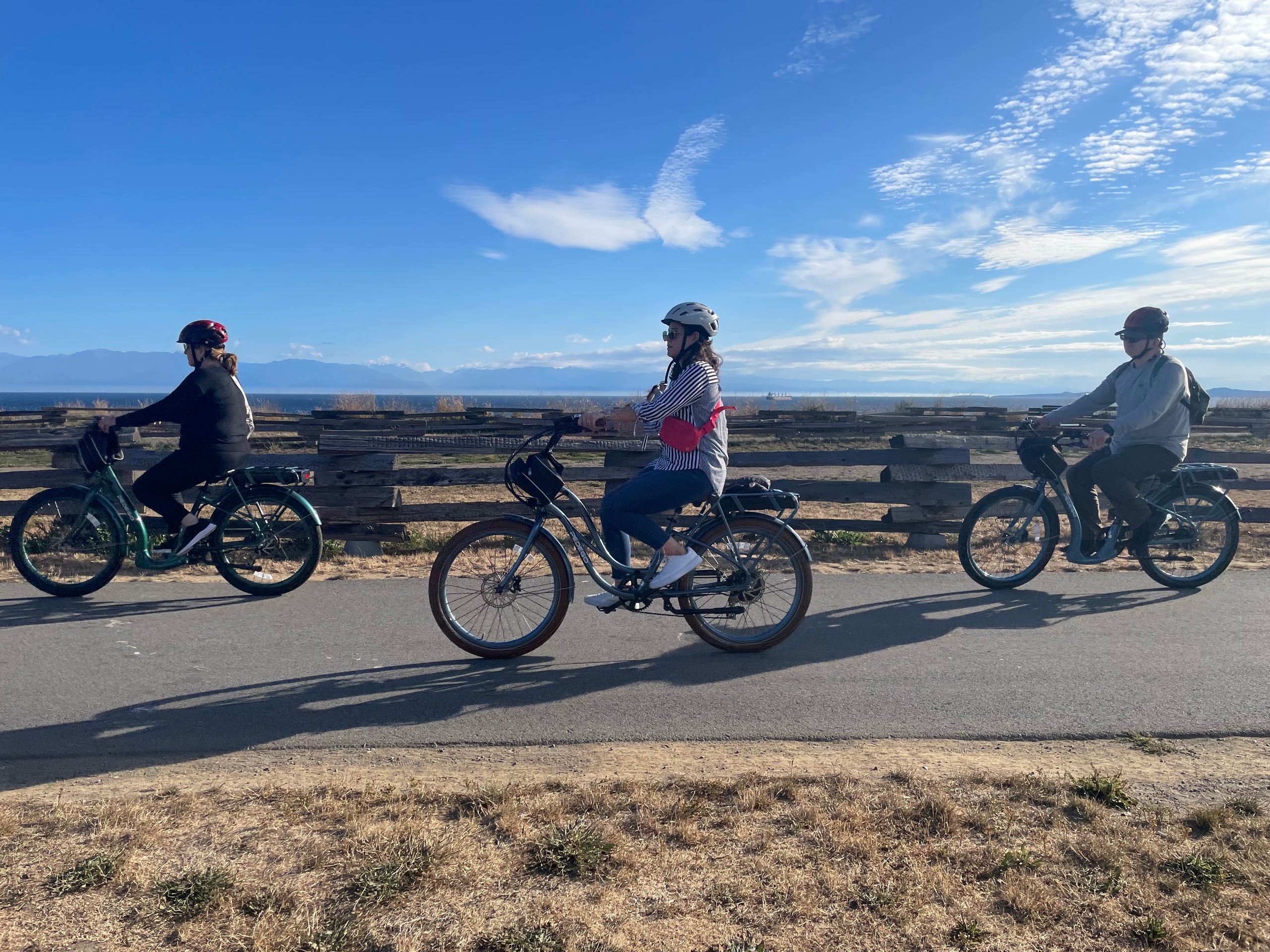 13
13E-Bike
Orcas Island compresses the best ingredients for an e-bike trip—quiet backroads, rolling farmland, shaded forest climbs and a summit that rewards effort with wide ocean views—into a compact, ferry-accessible playground. E-bikes on Orcas extend your range without erasing the island's slow, place-based rhythm: you move farther and higher, but you still arrive at farm stands, tide pools, and trailheads with time to spare. This guide focuses on the logistics, routes, gear and etiquette specific to e-biking here—how to plan around ferries and batteries, which surfaces and climbs suit pedal-assist, and how to combine riding with kayaking, hiking and seasonal wildlife viewing.
Explore e-bike → 14
14Whale Watch
Where glassy channels meet wind-scoured shorelines, Orcas Island is a quiet command center for whale watching in the Salish Sea. From shore bluffs and small-boat trips to patient days on the water, this guide focuses on how, when, and where to see whales—especially the iconic Southern Resident orcas—while pairing the experience with neighboring marine encounters and island culture.
Explore whale watch → 15
15Wildlife
Orcas Island occupies a special slice of Salish Sea habitat where kelp forests, eelgrass flats, rocky shorelines, and old-growth forest edges meet a mosaic of tidal channels. That diversity concentrates wildlife: resident and transient whales thread the channels, seals and porpoises forage along edges, seabirds nest on offshore rocks, and deer graze quiet meadows. This guide focuses on wildlife-centered outings—paddling, shoreline walks, guided boat trips, birding, and tidal exploration—framed for travelers who want to see, hear, and respect the island’s wild residents while learning how to plan safe, low-impact trips.
Explore wildlife →The city and the sea
Why Orcas Belongs on Your Adventure Shortlist
Variety without surrendering the day to long transfers.
Orcas is the sort of place that rearranges how you measure time: hours are ruled by tides and the lift of a morning fog, and days feel long enough for a ridge climb, an afternoon paddle, and dinner at a waterfront table. Arrive by ferry or small plane and you quickly understand why travelers keep returning—the island compresses marine-shelf drama, old-growth forest, and a cluster of human-scale services into an accessible adventure playground. Begin with Moran State Park’s jagged crown: Mount Constitution rewards a short, steep push with a panorama that spills across the Salish Sea to neighboring San Juan isles and the Olympic Mountains. That view is the island’s calling card, but the real thrill is in stacking experiences—mountain biking or an e-bike loop through fir-scented logging roads, a kayak tour that threads between rocky islets, then a sunset SUP on a sheltered bay. The activity menu is varied and immediate. Water activities are the island’s heartbeat; boat tours and boat rentals put you in direct contact with seals hauling out on sun-warmed rocks and with seabird colonies that ride the updrafts. Whale watch outings are frequent, seasonal, and often intimate—on good days, orcas and humpbacks reveal themselves in sudden bursts of motion that reframe everything you thought you knew about the sea. For quieter exploration, rent a bike or an e-bike and roll through pastoral lanes and small, walkable villages. Sightseeing tours and walking tours offer curated local context—history, geology, and stories about the generations that shaped Eastsound—while bus tours provide a no-fuss snapshot if you’re short on time. If your idea of a perfect day includes contact with water, kayak tours and SUP excursions launch from gentle coves; for a more independent approach, boat rental opens up private anchorages and skinny beaches where you can linger. Practical considerations make the difference between a rushed trip and a fully realized island visit. Summer sees the highest demand for rentals, guided kayak and whale-watch departures, and limited ferry capacity, so reserve gear and outings in advance. Shoulder seasons—late spring and early fall—deliver softer crowds, cooler water, and excellent wildlife viewing, but ferry schedules and some outfitters may reduce service. Maritime weather can flip quickly: bring layered clothing, a windproof shell, and dry bags for electronics. Whether you choose a guided kayak tour to chase sea lions or a self-supported bike route that stops for oysters in a harbor-side shack, Orcas rewards itineraries that mix movement with long pauses—time to watch the tide race, scan for spouts on the horizon, and listen for the subtle creak of a cedar in wind. The best trips here balance curiosity with respect: the island’s ecosystems are robust but finite, and good planning—bookings, maps, and an eye on tides and marine forecasts—lets you experience more without costing the places you came to love.
Access is straightforward but seasonal. The Washington State Ferries route and small floatplane services connect Orcas to the mainland; bring patience for weekend waits in summer and reserve vehicles early. Once on-island, rental cars, bikes, and local shuttles make it easy to stitch together hikes, boat departures, and seaside dining.
Outfitters on Orcas specialize in water activities—guided kayak tours, SUP lessons, sailing charters, and whale watch trips—so novices can plug into safe, high-value experiences while seasoned travelers can assemble looser, self-guided days using boat rentals and bike hires.
Conditions shape the day
The best time to visit Orcas.
Late spring through early fall yields the most reliable weather for paddling and sailing—mornings are often calm, afternoons can bring onshore breeze. Winters are mild and wet; expect short daylight and variable marine conditions.
Best all-around window
Spring + fall
Comfortable mixed-itinerary weather, thinner crowds at beaches and lookouts, and more room to improvise.
Beach season
Mid-June through August—ferries, rentals, and guided departures book up; reserve in advance.
Surf + whales
May and September offer quieter harbors, excellent whale-watch windows, and lower rates; late fall and winter reward photographers and solitude with dramatic storm-swept shores.
Coast to inland
Cool marine mornings often give way to warmer inland afternoons and breezy evenings.
Beginner
Short, sheltered paddles, easy walking tours, and gentle bike rides on low-traffic lanes—ideal for families and first-time paddlers.
- Guided kayak tour in a protected bay
- Stand-up paddleboarding in a calm harbor cove
- Eastsound walking tour and harbor-side eats
Intermediate
Longer paddles with moderate wind exposure, mixed-surface bike tours, and full-day hiking routes that require navigation and basic stamina.
- Self-guided bike tour around Moran and neighboring roads
- Half-day kayak trip to nearby islets with occasional open-water crossings
- Sailing cruise that includes anchoring and short shore hikes
Advanced
Extended open-water crossings, technical tidal navigation, multi-day trips, and wildlife-focused outings that require experience and specific gear.
- Multi-island boat rental with overnight anchoring
- Open-ocean sea kayak crossings with tide planning
- Offshore whale-watch photography expedition with a chartered boat
Field kit
What to bring.
Pack for sun, salt water, walking, and a meaningful temperature swing between coast and inland Orcas.
Essential
Start here
- Windproof, waterproof outer layer
- Light fleece or merino midlayer
- Daypack with water and snacks
- Waterproof phone case or dry bag
- Sturdy footwear for mixed terrain
Water days
Keep it dry
- Binoculars for whale and shorebird viewing
- Tide charts and local marine forecast app
- Lightweight camping blanket or thermos for shore picnics
- Reef-safe sunscreen
Long days
Stay flexible
- Compact camera with telephoto for wildlife
- Inflation pump and basic repair kit if you bring your own SUP or inflatable kayak
- Collapsible day-boat anchor or stern-line if you plan to rent a small boat
Insider note
Start early, then keep the geography tight.
Reserve key services—boat rentals, whale watch departures, and popular kayak or sailing tours—in advance during summer weekends. For wildlife viewing, bring binoculars and be patient: seals and otters are constant companions, while orca and humpback sightings are seasonal and episodic. Favor early-morning launches for calm water and better light for photography; if winds pick up in the afternoon, head to more sheltered coves or switch to a land-based activity like a walking or city tour through Eastsound. When exploring shorelines, step lightly: many beaches and rocky outcrops are important haul-out sites for marine mammals and nesting birds. Support local businesses by buying maps, gear, and a meal in town—shopkeepers and guides often share the best off-the-beaten-path recommendations. Finally, pack layers: island weather changes fast, and a windproof shell pays dividends whether you’re on a SUP, a boat deck, or a ridge trail.
Good to know
Frequently asked questions.
Do I need a guide for kayaking or paddleboarding?
You can definitely paddle independently in protected coves if you’re experienced, but local guides are strongly recommended for open-water crossings, wildlife-focused outings, and first-time paddlers—guides provide local weather knowledge, safety gear, and route choice.
How do I get around the island without a car?
Orcas is walkable in pockets (Eastsound, Rosario), and bike rental or e-bike options make longer legs doable. Local taxi/shuttle services can bridge gaps; check schedules, especially for ferry return timing.
When is the best time to go whale watching?
Whale presence varies by year and food availability; summer and early fall often provide the most reliable sightings. Book a whale watch or a boat tour with a knowledgeable operator and consider morning departures for calmer water.
Ready when you are
Find the trip that fits your Orcas day.
Compare bookable experiences across the coast, city, and mountains—then save the ones that belong in your plan.
Explore all Orcas adventures ↗