
Lyme adventure guide
Find your way into Lyme.
Tucked on the eastern bank of the Connecticut River, Lyme is where salt-scented air meets quiet shorelines and centuries-old farmland. This pocket of New England is built for water-first days—think boat tours that trace the estuary, small-boat sailing in protected coves, and kayak and SUP sessions past fiddler-crab flats. Anglers find reliable tides and structure for seasonal striped bass and bluefish runs, while walking and bike tours reveal stone walls, oaks, and a human-scale history that rewards slow exploration. Use this guide to stitch half-day paddles and fishing mornings into relaxed afternoons of sightseeing, or to layer a ferry crossing and eco tour into a weekend that feels both coastal and cultivated.
Three ways into the city
Pick a landscape. Build a day around it.
Lyme is less a single destination than a collection of neighboring worlds. Start with the version of the city that matches your pace, then use the ranked guide below to fill in the details.

Begin where the city meets the sea.
Surf breaks, sheltered harbors, whale routes, and long beach paths make the coast LA’s most immediate outdoor playground.
Explore water activities →
Let a local connect the landmarks.
Use a guided city, walking, or sightseeing tour to turn LA’s sprawl into a coherent story.
Explore boat tour →
Ride the coast and the city.
Beach paths, river corridors, e-bikes, and ridge climbs reveal a more connected Los Angeles.
Explore bike tour →Choose your way into Lyme
The top 15 Lyme adventures.
Ranked by the number of currently listed trips. Each panel opens the complete local activity collection.
1Water Activities
Lyme’s water story is one of gentle tides, braided estuaries, and quiet rivers threading through salt marsh and upland forest. This guide focuses on paddling, boating, fishing, shoreline exploration, and other water-based pursuits around Lyme—where brackish coves meet freshwater tributaries and every outing rewards a close look at coastal ecology, migratory birds, and local maritime history.
Explore water activities →2Boat Tour
Lyme’s small-town lanes open onto broad water: tidal marshes, sheltered coves, and the silvery reach of the Connecticut River where it begins to breathe into the Sound. Boat tours here are curated encounters with estuarine geology, migratory birds, and shoreline history—an easygoing, salt-scented way to experience New England’s coastal rhythms. Whether you join a short wildlife cruise through marsh channels, an afternoon sailing charter into the Sound, or a private sunset trip past sea grass flats, the appeal is the same: intimacy with waterborne landscapes that feel both wild and practiced.
Explore boat tour → 3
3Fishing
Lyme folds salt-and-freshwater fishing into a compact, accessible landscape: tidal flats and coves where spring and fall runs pulse through the estuary, glassy farm ponds that hold bass and pickerel, and productive shoreline where striped bass and bluefish patrol in season. This guide focuses on the angling experiences that define Lyme—shore and kayak fishing, small-boat trips, and quiet freshwater outings—while pointing toward the practical details anglers need to plan a successful day on the water.
Explore fishing → 4
4Sightseeing Tour
Lyme's sightseeing tours trade the razzle of big-city attractions for the slow, luxuriant pleasures of river light, marsh grass, and colonial chapters written into the landscape. From gentle river cruises and harbor boat rides to guided village walks and salt‑marsh birding excursions, sightseeing here is intimate, interpretive, and deeply tied to the rhythms of the Connecticut River and its tidal estuary.
Explore sightseeing tour → 5
5Sailing
Lyme occupies a quiet pocket where river meets sound, and for sailors that means variety: tidal estuary tacks through marsh-lined channels, short hops to historic harbors, and open-water reaches on Long Island Sound. This guide focuses on the on-the-water experience near Lyme—sheltered inlets, windward runs, and the practical details you need to plan day sails, charters, or multi-stop coastal cruises.
Explore sailing → 6
6Boat Rental
Lyme sits at the edge of broad tidal flats, marshy inlets, and a river that has steered New England history. For paddlers and small-boat pilots, it’s a quiet launchpad into saltwater estuaries, bird-filled marshes, and long, reflective runs up and down the Connecticut River. This guide focuses on renting boats—from kayaks and canoes to small motor and pontoon options—and planning safe, memorable days on the water.
Explore boat rental → 7
7Ferry
Lyme’s ferry experiences are intimate, river-first excursions: short, historic crossings that shuttle locals and cyclists, frame river tides against a camera-ready New England backdrop, and unlock quiet paddling and shoreline walks. This guide focuses on passenger and vehicle ferry crossings tied to Lyme—how they feel, when they run, and the outdoor adventures they connect you to.
Explore ferry →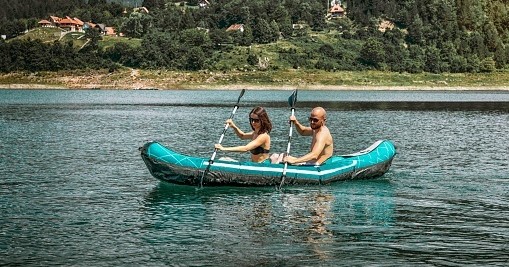 8
8Kayak
Lyme's shoreline folds together brackish estuary, tidal creeks, and quiet coves in a way that rewards paddlers with deceptively varied outings: flatwater wildlife cruises at dawn, exploratory runs along marsh edges, and coastal crossings toward the mouth of Long Island Sound on ideal days. This guide focuses on kayak-specific experiences around Lyme—how to read tides, where to find protected launches, what the terrain and winds demand, and when to aim for quiet solitude versus guided outings. Expect close encounters with shorebirds, the hush of salt-tolerant meadows, and the occasional glimpse of harbor seals offshore, all accessible from modest put-ins and short shuttles.
Explore kayak → 9
9SUP
Lyme’s sheltered coves and slow-moving estuaries carve a rare little-world for stand-up paddleboarding: glassy mornings, winding marsh channels, and a coastline that feels both intimate and wild. This guide focuses on eight standout SUP routes—short exploratory loops for casual paddlers, longer estuary routes for wildlife watching, and tranquil coastal runs that connect tidal flats to open Sound views. Expect tidal considerations, rich birdlife, and a handful of launch points that make Lyme a quietly excellent day-trip from much of southern New England.
Explore sup → 10
10Walking Tour
Lyme compresses New England — its stone walls, village greens, river meadows, and small pockets of ancient forest — into a handful of walkable loops. This guide focuses on best walking tours around the town: village heritage walks, riverbank ambles, and conservation-property loops that thread fields, woodlots, and wetlands. Expect quiet roads, well-maintained trails on land trust preserves, seasonal bird migrations, and welcoming stops at local inns or a farmstand to finish the day.
Explore walking tour →11Bike Tour
Lyme is a study in gentle contrasts for cyclists: narrow country lanes lined with stone walls, tidal marshes that glint like mirrors at low sun, and short, satisfying rollers that punctuate otherwise easy mileage. The town’s small-village character and proximity to the Connecticut River and Long Island Sound make it an inviting base for road rides, mixed-surface gravel outings, and relaxed e-bike excursions.
Explore bike tour → 12
12Canoe
Lyme's low-lying rivers, tidal estuaries, and quiet coves create an intimate canoeing playground just over an hour from Connecticut's urban corridors. Expect marsh-edge wildlife, sweeping views of open water, and calm paddling that suits first-timers and multi-day explorers alike. This guide focuses on canoe-specific routes, seasonality, logistics, and the subtle local knowledge that turns a pleasant paddle into a memorable trip.
Explore canoe →13Bike Rental
Lyme’s bike-rental scene is quietly practical: local shops and outfitters pair simple, well-maintained bikes with insider knowledge of low-traffic back roads, short mixed-surface loops, and scenic riverfront stretches. Whether you want an easy pedal through pastoral farmland, a day of gravel grinding on well-graded dirt roads, or the assist of an e-bike for a longer shoreline circuit, Lyme is a small, accessible base for two-wheeled exploration.
Explore bike rental → 14
14City Tour
Lyme’s city tours are intimate affairs—slow walks through village lanes, riverside rambles at the edge of tidal marsh, and history layered into simple clapboard houses. This guide focuses on curated walking and small-group tours that reveal how a small New England town balances agricultural roots, maritime ties, and a thriving arts community. Expect short distances, rich local narratives, and easy crossings into complementary outdoor activities like kayaking, birding, and nearby state-park hikes.
Explore city tour →Eco Tour
Lyme is a quiet, conservation-forward pocket of Connecticut where the coast softens into tidal marshes, winding creeks, and old farmland stitched with protected woodlands. Eco tours here are intimate affairs: low-row kayaks slipping through glassy channels, small-group walks led by local naturalists, and shore-side talks about oysters, migratory birds, and the subtle choreography of tides. These experiences focus on connection—how local communities steward fragile habitats, how estuarine processes shape landscape and livelihoods, and how a single mile of coastline can host dozens of interlocking ecosystems. Whether you come for salt-marsh ecology, hands-on citizen science, or a slow afternoon of birding and shoreline geology, Lyme's eco tours offer context as much as scenery: history of land use, modern conservation practice, and the seasonal rhythms that make each visit different.
Explore eco tour →The city and the sea
Why Lyme Belongs on Your Adventure Shortlist
Variety without surrendering the day to long transfers.
There’s a discreet kind of charm to Lyme: no neon visitor centers, no line for the view—just a living shoreline where tides sculpt salt marshes and small boats trace quiet channels. Adventure here is often measured in small, perfect increments: a morning casting for stripers off a low bluff, an afternoon paddling a canoe through reedy inlets, an evening walk along a tidal creek while shorebirds hunt the mudflats. The town’s scale is its superpower. You can sample water activities and boat tours in the morning, drop a line for fishing at midday, then stroll a village lane or take a short bike tour past preserved farmland before a sunset sail or SUP session. Historically, the Connecticut River and its estuary shaped towns like Lyme—the lifeblood for trade, transport, and fisheries. That history is visible in stone walls, salt-of-the-earth homesteads, and small harbors where boats still slip quietly in and out. For travelers, that means an itinerary that blends natural rhythm with cultural texture: eco tours that explain marsh ecology and tidal cycles, walking tours that point out architectural fragments, and sightseeing tours that frame the landscape from both land and water. Practicality is baked into every plan—tides matter here, wind matters, and the best days are often early. Outfitters and boat rental shops make accessing the river simple, while short ferry hops and nearby state parks extend the map for day trips. If you love water without the circus—low-traffic paddles, deliberate fishing, and slow coastal exploration—Lyme is a satisfying anchor. It’s especially friendly to travelers who value adaptability: bring layers for wind off the river, plan around tide charts for shellfish and fishing, and book boat and bike rentals in advance on busy summer weekends. The payoff is a quiet, tactile kind of adventure: clear-water paddles past reedy edges, the cry of commuter osprey, and an end-of-day tone softened by red-gold light across marsh grass.
Access is straightforward: a handful of put-ins, small harbors, and bike-friendly backroads keep travel time low and options high. Rent a kayak or a small sailboat to get comfortable with currents and local coves; guided eco tours are especially helpful for identifying migratory birds and understanding tidal dynamics.
Layer a walking or city tour of nearby historic nodes with water time. The mix of boat rental days, ferry crossings, and gentle hiking or cycling makes Lyme an excellent base for couples, families, and solo travelers who want low-stress logistics and high-reward scenery.
Conditions shape the day
The best time to visit Lyme.
Summer brings warm, humid days ideal for sailing and SUP; spring and fall offer cooler, clearer conditions for fishing and birding. Wind picks up on some afternoons—plan paddles for morning slack water when possible.
Best all-around window
Spring + fall
Comfortable mixed-itinerary weather, thinner crowds at beaches and lookouts, and more room to improvise.
Beach season
Late June through August weekends are busiest for boat rentals and shore access—reserve rentals and guided tours in advance.
Surf + whales
Shoulder seasons (late spring and fall) offer quieter conditions, excellent bird migration viewing, and lower rates.
Coast to inland
Cool marine mornings often give way to warmer inland afternoons and breezy evenings.
Beginner
Short, sheltered paddles, easy shoreline walks, and calm bay sails that require basic balance and no tidal planning.
- Half-day kayak on a protected creek
- Intro SUP session in a sheltered cove
- Short walking tour of town and shore access points
Intermediate
Longer paddles with mild tidal current, light wind sailing, and guided fishing outings that require basic route planning and familiarity with tide charts.
- Cross-estuary kayak to a quiet spit at low tide
- Guided half-day fishing charter
- Bike tour linking shoreline access points and local conservation lands
Advanced
Extended coastal navigation, open-water sailing in variable wind, and multi-leg trips that demand solid seamanship, navigation, and contingency planning.
- Day sail in open estuary conditions
- Multi-launch canoe or kayak tour timed with tides
- Self-guided fishing day in offshore structure (with appropriate safety gear)
Field kit
What to bring.
Pack for sun, salt water, walking, and a meaningful temperature swing between coast and inland Lyme.
Essential
Start here
- Layered wind- and water-resistant jacket
- Personal flotation device (PFD) for all on-water activities
- Tide/app with offline charts or printed tide table
- Sun protection (hat, SPF 30+, polarized sunglasses)
- Reusable water bottle and snacks
Water days
Keep it dry
- Dry bag for phone and keys
- Light neoprene or water shoes for rocky put-ins
- Compact binoculars for birding and estuary watching
- Lightweight bike lock if renting a bike
Long days
Stay flexible
- Fishing license (purchased ahead of arrival) and basic tackle
- Action camera with floatation tether
- Field guide to coastal birds or saltmarsh plants
Insider note
Start early, then keep the geography tight.
Start early for calm water and quieter shorelines; morning slack water makes paddling easier and fishing more predictable. If you’re renting a boat, ask the outfitter about local haul-out spots and alternate put-ins in case parking is limited. For birding and eco tours, low tide reveals the richest tidal flats—bring binoculars and be mindful of sensitive habitats. Always wear a PFD on small boats and follow Leave No Trace principles on shorelines and trails.
Good to know
Frequently asked questions.
Can I do most water activities without a guide?
Yes for calm, sheltered paddles and some boat rentals if you have basic boating skills. Guided outings are recommended for unfamiliar tidal zones, estuary ecology interpretation, or group fishing trips.
Do I need a fishing license?
Yes—recreational anglers must carry a current Connecticut fishing license. Purchase online ahead of your trip and confirm local regulations for size and bag limits.
Are ferries and boat tours seasonal?
Many local ferry services and sightseeing boat tours operate primarily in late spring through early fall. Check operator schedules before planning.
Ready when you are
Find the trip that fits your Lyme day.
Compare bookable experiences across the coast, city, and mountains—then save the ones that belong in your plan.
Explore all Lyme adventures ↗