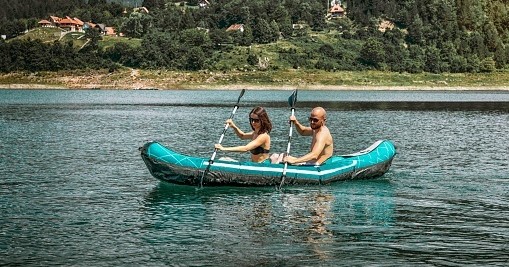
Top 15 Kayak Adventures in Lyme, Connecticut
Lyme's shoreline folds together brackish estuary, tidal creeks, and quiet coves in a way that rewards paddlers with deceptively varied outings: flatwater wildlife cruises at dawn, exploratory runs along marsh edges, and coastal crossings toward the mouth of Long Island Sound on ideal days. This guide focuses on kayak-specific experiences around Lyme—how to read tides, where to find protected launches, what the terrain and winds demand, and when to aim for quiet solitude versus guided outings. Expect close encounters with shorebirds, the hush of salt-tolerant meadows, and the occasional glimpse of harbor seals offshore, all accessible from modest put-ins and short shuttles.
Top Kayak Trips in Lyme
15 trips • Book with confidence • Instant confirmation
Why Lyme Is a Standout Kayaking Destination
Lyme sits where river meets sound, and that meeting creates a generous palette of paddling possibilities. Morning fog lifts off the estuary in thin shawls, unveiling channels that thread through salt marshes and reach creeks lined with cedar and alder. On calm days, the surface is mirror-smooth and the only sound is the plop of a fish or the soft caw of a heron; on windy afternoons the same places teach you to read fetch and current. For day-trippers, Lyme's waterways are forgiving: many launches lead into protected coves and quiet side channels where currents are mild and navigation is straightforward. For more ambitious paddlers, there are routes that touch the edge of Long Island Sound, opening up saltwater crossings and broader coastal scenery.
Beyond scenery, Lyme's paddling is intimate in a cultural sense. The shoreline here has been shaped by centuries of fishing, small-scale boatbuilding, and estuarine stewardship; the tidal rhythms that guide a trip today are the same rhythms that supported local industry and shaped marshland farms. Because the landscape is a working mix of private shoreline, public access points, and conserved parcels, paddlers who plan thoughtfully can weave together routes that balance solitude with responsible use. Wildlife watching is a major draw—brant and eider duck through winter and early spring, migratory songbirds crowd the marsh edges in spring and fall, and saltmarsh sparrows and herons are year-round companions. The ecological richness also means paddlers should adopt a light-touch ethic: avoid trampling cordgrass, steer clear of nesting areas in season, and be prepared to alter plans around tides that can widen or narrow channels dramatically.
Practically, Lyme is accessible from regional hubs and makes for a flexible paddling base. Launches range from hand-carried put-ins beside small municipal ramps to gently sloping beaches where a single kayak can be carried to shallow water. This variety supports everything from guided lessons and family-friendly flatwater laps to self-led tidal runs and island-hopping afternoons when conditions allow. The most successful trips in Lyme are those that respect weather windows and tidal charts, match craft to conditions (stable recreational kayaks for marsh and cove tours; sea kayaks for exposed sound crossings), and incorporate local knowledge—either gleaned from trusted guides or by studying current and tide data beforehand. If you want to pair paddling with other activities, Lyme's trails, birding hides, and historic shoreline sites make ideal after-trip diversions that extend a day on the water into a full regional experience.
Tidal influence is the organizing principle: it alters route feasibility, exposes mudflats at low water, and concentrates birds and fish in predictable places. Knowing high and low tide times helps avoid stranding and unlocks different wildlife vantage points.
Wind and fetch on the western edge of Long Island Sound can change a calm morning into a choppy afternoon; plan exposed crossings early and prefer landward routes when the breeze picks up.
Lyme's paddling is as much about quiet observation as it is about movement—pack optics and patience, and consider half-day itineraries to fully enjoy the estuarine micro-ecosystems.
Best Time to Visit
Best Months
Weather Notes
Late spring through early fall offers the calmest water, warmest paddling temperatures, and the best window for both freshwater and saltwater species. Summer afternoons can bring onshore sea breezes; early starts or late afternoons often provide gentler conditions. Fall adds crisp air and strong migration activity but can bring cold snaps—dress in layers and watch wind forecasts.
Peak Season
Summer weekends and early fall leaf-peeping bring the most visitors to popular launches.
Off-Season Opportunities
Shoulder seasons (late spring and early fall) deliver quieter waterways and excellent birding. Winter paddles are possible for experienced cold-water paddlers with proper gear and safety planning, but are not recommended for casual visitors.
Frequently Asked Questions
Do I need permits or permissions to kayak in Lyme?
Most public launches and waterways are open without a special permit, but shoreline ownership varies—respect posted private-property signs and check municipal rules for parking at specific put-ins. If you plan to land on conserved islands or nature preserves, verify seasonal restrictions ahead of time.
Are there rentals or guided tours available in Lyme?
Local outfitters in the region offer rentals and guided trips; availability can fluctuate seasonally. If you prefer self-supported excursions, seek advice on recommended routes and tide windows from local paddling groups or town recreation resources before launching.
What skill level is required for kayaking around Lyme?
Many routes are beginner-friendly—calm coves and sheltered creeks are ideal for novices. However, exposed crossings toward Long Island Sound or routes with strong tidal currents require intermediate to advanced skills and sea-kayak experience.
Choose Your Experience Level
Beginner
Short, sheltered loops in tidal creeks and quiet coves with minimal current and easy carry-to-water access.
- Flatwater marsh loop
- Protected cove wildlife paddle
- Short guided family-friendly outing
Intermediate
Longer estuary runs that require tidal planning, efficient paddling, and basic self-rescue skills; possible short exposed segments.
- Tidal creek exploration with inlet crossings
- Half-day estuary traverse with birding stops
- Cross-channel link that requires reading wind and current
Advanced
Open-water coastal paddles, longer sound crossings, and multi-hour trips where wind, fetch, and navigation over open water are significant factors.
- Coastal crossing to exposed shoals (weather-dependent)
- Full-day island hopping along the shore
- Tidal-run descents timed to current windows
Insider Tips & Local Knowledge
Respect tidal charts and local access rules; conditions change quickly on the estuary and near the sound.
Start early for glassy water and the best wildlife viewing; mornings often have lighter winds and calmer conditions. Check both tide tables and wind forecasts—tide can make a route feasible or impossible, while wind affects comfort and safety on exposed stretches. Favor protected put-ins if you’re in a recreational kayak, and consider a sea kayak with bulkheads for longer or exposed trips. Use a conservative turnaround time—what looks benign an hour from launch can become challenging as the tide or wind builds. Leave no trace: avoid trampling marsh vegetation when hauling boats, and plan any shore landings with care around nesting seasons. Finally, connect with regional paddling groups or town recreation pages for up-to-date launch conditions and local advisories before you go.
What to Bring
Essential
- USCG-approved PFD (worn at all times)
- Paddle suitable for your craft
- Waterproof dry bag for phone, keys, and layers
- Tide and current information (chart or app) and a planned route
- Layered clothing and sun protection
Recommended
- Spray skirt for sea kayaks or splash skirt for choppy conditions
- Whistle and signaling mirror
- Bilge pump or paddle float
- Basic repair kit and spare paddle for longer outings
- Lightweight binoculars for birding
Optional
- Waterproof camera or action camera
- Marine VHF or personal locator beacon for exposed crossings
- Neoprene booties in cool season
- Foul-weather jacket or lightweight insulated layer
Ready for Your Kayak Adventure?
Browse 15 verified trips in Lyme with instant booking
Explore Top 15 Lyme, Connecticut Adventures →