
Longs adventure guide
Find your way into Longs.
Longs sits at the quieter edge of the Grand Strand, a gateway where salt-scented marshes give way to wide beaches and winding rivers. The town’s top 15 activity mix favors water-first adventures—water activities, boat tour, fishing, sailing, dolphin watching, kayak, surf, and scuba sit alongside boat rental and bike rental options for easy self-guiding. Eco tour and wildlife outings thread through the local marshes and estuaries, while air activities and airplane excursions (scenic flights or skydiving nearby) add a high-adrenaline layer. Whether you’re chasing a dawn surf session, paddling a lowcountry creek, or slipping into a shallow reef for a scuba dive, Longs is a practical base: short drives to launching points, easy access to outfitters, and a surprising breadth of sightseeing tours that suit families and seasoned travelers alike.
Three ways into the city
Pick a landscape. Build a day around it.
Longs is less a single destination than a collection of neighboring worlds. Start with the version of the city that matches your pace, then use the ranked guide below to fill in the details.

Begin where the city meets the sea.
Surf breaks, sheltered harbors, whale routes, and long beach paths make the coast LA’s most immediate outdoor playground.
Explore water activities →
Let a local connect the landmarks.
Use a guided city, walking, or sightseeing tour to turn LA’s sprawl into a coherent story.
Explore boat tour →
Ride the coast and the city.
Beach paths, river corridors, e-bikes, and ridge climbs reveal a more connected Los Angeles.
Explore bike rental →Choose your way into Longs
The top 15 Longs adventures.
Ranked by the number of currently listed trips. Each panel opens the complete local activity collection.
1Water Activities
Longs sits quietly inland of the Grand Strand but functions as a gateway to a layered coastal water world: lazy blackwater rivers threaded with cypress, tidal marshes that glow at sunset, and the Atlantic surf a short drive away. This guide focuses on water-based ways to explore Longs and its immediate region—paddling narrow creeks, chasing redfish in shallow flats, stand-up paddleboarding along calm channels, and combining coastal surf days with lowcountry birding. Practical details—access points, seasonality, skill levels, and packing—are prioritized so you can plan with confidence whether you want a mellow sunrise paddle or a high-energy offshore charter from nearby marinas.
Explore water activities →2Boat Tour
Longs sits a short drive from the Grand Strand's beaches and the labyrinthine estuaries that define South Carolina's Lowcountry. Boat tours from this corridor range from gentle marsh-and-dolphin cruises on the Intracoastal Waterway to eco-driven explorations of tidal creeks and sunset sails that paint the marsh grass gold. For travelers seeking an accessible taste of coastal wildlife, local culture, and the watery landscape that shapes life here, boat tours are the clearest route onto the water.
Explore boat tour → 3
3Fishing
Longs sits quietly inland from the beach—an unassuming gateway to one of South Carolina’s most productive fishing corridors. From shaded freshwater edges on the Waccamaw to brackish marsh flats and surf breaks a short drive away, Longs gives anglers access to a wide variety of species, techniques, and seasons without the crowds of bigger resort towns.
Explore fishing →Sailing
Longs sits inland from the wide Atlantic beaches of Horry County but acts like a gateway to a maritime world: tidal rivers that thread through maritime forests, a sheltered stretch of the Intracoastal Waterway, and quick access to offshore day-sailing and coastal cruising. This guide focuses on sailing—day charters, small-boat coastal runs, and sheltered-estuary sessions—grounding romantic impulses in practical route ideas, seasonal wind and tide considerations, and hands-on planning for sailors of all levels.
Explore sailing →Sightseeing Tour
Longs sits inland from the glitter of Myrtle Beach but offers a different pace: quiet backroads, salt-marsh vistas, and a patchwork of small historic sites that reward slow looking. This guide focuses on sightseeing tours — guided drives, short walking trails, river cruises and curated heritage routes — that reveal the coastal Lowcountry beyond the beach.
Explore sightseeing tour → 6
6Dolphin
Longs sits inland of the Grand Strand but functions as a quiet gateway to the tidal creeks, Intracoastal Waterway, and open Atlantic where bottlenose dolphins are regulars. This guide focuses on dolphin-centered outings—from relaxed wildlife-watching cruises and kayak eco-tours to shore-based viewing and photography charters—helping you choose the right style of encounter, time of year, and essential planning considerations.
Explore dolphin →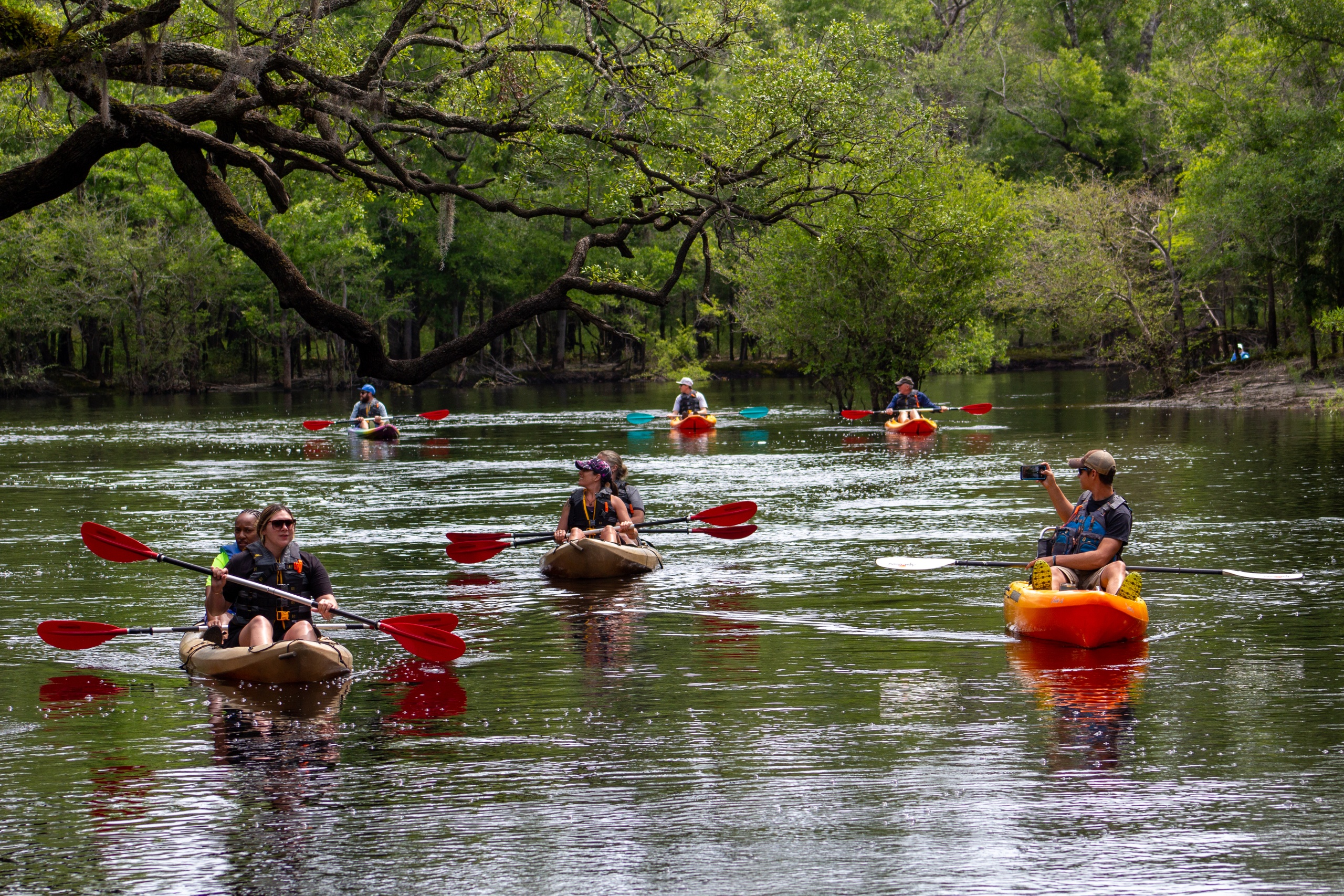 7
7Kayak
Longs sits on the edges of South Carolina's lowcountry waterways — a quieter gateway to tidal creeks, blackwater rivers, and wide coastal marshes. For paddlers, the landscape is intimate and varied: glassy morning runs through cypress and tupelo, tidal flats that expose a patchwork of oysters and mud, and easy access to the Intracoastal Waterway for longer coastal miles. This guide zeroes in on kayak-specific routes and practical planning for day trips and overnight excursions that start from Longs and the surrounding waterways.
Explore kayak → 8
8Surf
Longs sits a short inland drive from the Grand Strand’s long, sandy coastline. While the town itself is a quiet Lowcountry crossroads, its best outdoor offering for ocean lovers is proximity to a widely varied surf scene—breaks that range from learner-friendly beach sandbars to rippable beach breaks and pier-influenced currents. The surf here blends easy accessibility with a distinctly coastal Carolinian vibe: family-friendly beaches, seasonal swell windows driven by summer and fall storms, and a local surf culture centered on community lessons, rented boards, and sunrise sessions.
Explore surf →9Bike Rental
Longs is a quiet launchpad for coastal cycling: a lowcountry landscape of flat sandy roads, shady live-oak corridors, and riverfront byways that suit casual beach cruisers, gravel-seekers, and e-bike explorers alike. This guide focuses on where to rent the right bike, how to plan rides for different skill levels, and the practical details that make cycling around Longs both accessible and delightful.
Explore bike rental → 10
10Boat Rental
Longs sits at the hinge between salt-tinged creeks, the winding Waccamaw River, and the wide Atlantic approach that shapes South Carolina's Grand Strand. For boat renters it’s a supremely practical base: short drives to public ramps and marinas, effortless access to protected estuaries for calm cruising, and nearby open water for anglers chasing speckled trout, redfish, and flounder. This guide focuses on how to plan a boat rental trip from Longs—what to expect on the water, how tides and season affect your day, and how to pair a float with fishing, birding, or a beach hop along the coast.
Explore boat rental → 11
11Eco Tour
Longs sits on the gentle edge of South Carolina's Lowcountry, where tidal creeks braid through marsh grass and maritime hammocks hold hardwoods that smell of salt and pine. Eco tours here are intimate, interpretive windows into coastal ecology and cultural history—paddle trips through quiet estuaries, boat cruises that skirt finger islands, and guided walks that trace the living boundary between land and sea.
Explore eco tour → 12
12Wildlife
Longs sits on the inland edge of the South Carolina Lowcountry, where tidal creeks, blackwater rivers, and longleaf pine flats create a patchwork of habitats that concentrate wildlife. This guide focuses on where to watch birds, search for marsh mammals, paddle quiet backwaters for alligator sightings, and plan trips timed to migration and seasonal movements.
Explore wildlife → 13
13Air Activities
Longs sits inland from the busy shores of the Grand Strand but functions as a quiet launch point for a surprising variety of air-based experiences. From parasailing above the Atlantic surf to scenic fixed-wing and helicopter flights that trace the coastline and river systems, this pocket of coastal South Carolina offers accessible introductions to flight alongside adrenaline-forward options like tandem skydives. The flat coastal plain, consistent sea breezes, and proximity to beach towns make Longs an ideal staging area for operators and thrill-seekers who want the coast’s aerial vantage without fighting big-city crowds.
Explore air activities → 14
14Scuba
Longs, a quiet inland community a short drive from the Grand Strand shoreline, is an understated gateway to a varied Atlantic dive scene—artificial reefs, World War II-era wrecks, and lively inshore estuaries. This guide focuses on scuba experiences accessible from Longs: day charters out of nearby launch points, shore-access training sites, and seasonal specialist trips. Expect warm southern hospitality, charters that pair diving with fishing or eco-tours, and conditions that reward timing and local knowledge more than raw experience.
Explore scuba → 15
15Airplane
From low, slow scenic hops above tidal marshes to coastal cross-country flights that fold the Atlantic shoreline into a mosaic of sandbars and golf greens, airplane experiences around Longs are about perspective. Here, aircraft turn the familiar into the extraordinary: marsh channels that look like ink-streak veins from the sky, barrier islands that flash in the sunlight, and the geometric calm of inland forests and waterways. This guide focuses on airplane-based adventures—sightseeing flights, short charters, and introductory cockpit time—framed for travelers who want practical planning details as much as an invitation to look down and see the coast differently.
Explore airplane →The city and the sea
Why Longs Belongs on Your Adventure Shortlist
Variety without surrendering the day to long transfers.
There’s a practical poetry to Longs: it’s less a single destination than a hinge between coastal ecosystems. On one side, the Grand Strand’s long beaches and surf breaks invite early-rising board riders and families chasing low-key sun days; on the other, the Waccamaw’s tannin-dark channels and marsh fringe support a quietly brilliant world of kayak trips, eco tours, and fishing flotillas. That duality—salt-swept shorelines and riverine tannin—means you can stack a morning dolphin or boat tour into an afternoon of birding and an evening of shore fishing without a cross-state drive. Water activities dominate here, but the options ripple outward: boat rental and boat tour offerings make self-directed exploration straightforward, while guided kayak tours thread salt marsh creeks and reveal tidal ecosystems where wildlife and history intersect. For travelers who like choices that scale, Longs is pleasingly modular. Beginner outdoorspeople can book a half-day kayak and a sightseeing tour to check off dolphin watching and wildlife viewing; intermediate travelers will find multi-hour fishing charters, surf sessions, and snorkeling or scuba trips that demand a little more gear and stamina; advanced visitors can stitch together a full itinerary of offshore fishing, sailing, or even air activities to see the coastline from a new angle. The region’s eco-tour operators point to the same truth: the same tidal pattern that makes for strong coastal wildlife viewing also concentrates experience—shallow reefs for scuba, predictable channels for fishing, and reliable wind patterns for sailing or small-plane sightseeing. Practically speaking, Longs is an excellent staging ground. Accommodation and bike rental options make it easy to pair land-based exploring—think flat coastal bike rides and quiet scenic loops—with saltwater pursuits. Outfitters and launch points are compactly arranged, which minimizes logistics and maximizes time on water. Culture and cadence matter here too. The Grand Strand’s tourism infrastructure means you’ll find equipment rental, practical dining, and timing advice in town; at the same time, the marshes and protected wetlands keep the pace unhurried. Seasons shift the focus—summer calls surfers and scuba divers; shoulder months favor fishing and quieter eco tours—and savvy visitors plan by tide tables and sunrise runs. The result is a place that feels larger than its streets: a short drive connects shorelines, river mouths, and conservation areas, offering a variety of water activities (from serene kayak tours through marsh channels to whitecap chasing on surf breaks) while keeping the logistics simple enough for a long weekend or a deliberate week-long trip.
Access is the practical advantage: short drives to multiple launch points and a cluster of outfitters make last-minute plans possible. Rent a kayak or a bike in the morning, join a midday boat tour, and reserve a sunset fishing charter without losing daylight to transit.
Blend low-effort pleasures with targeted skills: family-friendly dolphin tours and sightseeing tours coexist with technical scuba outings and full-day offshore fishing, giving every traveler an approachable entry point and room to graduate to more committed adventures.
Conditions shape the day
The best time to visit Longs.
Spring and fall offer mild air temperatures and steady water conditions—ideal for fishing, kayaking, and dolphin watching. Summer brings reliably warm water for swimming, surf, and scuba but also higher humidity and crowds; winter is quieter with cooler water and better prices for land-based activities.
Best all-around window
Spring + fall
Comfortable mixed-itinerary weather, thinner crowds at beaches and lookouts, and more room to improvise.
Beach season
Late June through August—beaches, surf schools, and family-oriented boat tours are busiest; book accommodations and popular charter slots early.
Surf + whales
Late fall and winter weekdays bring thinner crowds and lower rates; shoulder months (April/May and September/October) are particularly good for fishing charters, eco tours, and calmer paddling conditions.
Coast to inland
Cool marine mornings often give way to warmer inland afternoons and breezy evenings.
Beginner
Short, guided trips that require minimal gear and basic fitness—ideal for first-time paddlers, casual anglers, and families.
- Guided half-day kayak tour through protected marsh channels
- Sightseeing tour or dolphin-watching boat tour from an easy harbor launch
- Bike rental and a flat coastal ride along local bike paths
Intermediate
Longer outings, moderate skill requirements, and some gear knowledge—good for multi-hour paddles, surf sessions, and shore or pier fishing.
- Self-guided kayak loop on the Waccamaw with tide planning
- Morning surf session at a reliable Grand Strand break
- Full-day inshore fishing or a guided eco tour focused on wildlife and estuary dynamics
Advanced
Technical or full-day pursuits that demand experience, planning, and often a guide—offshore fishing, certified scuba dives, and airborne sightseeing fall here.
- Offshore fishing charters requiring tackle knowledge and stamina
- Certified scuba dives on nearshore reefs or wrecks with an operator
- Air activities or small-plane scenic flights to survey the coastline
Field kit
What to bring.
Pack for sun, salt water, walking, and a meaningful temperature swing between coast and inland Longs.
Essential
Start here
- Quick-dry layers and sun protection (hat, SPF 30+, sunglasses)
- Reusable water bottle and snacks
- Water-friendly footwear or paddle shoes for kayak and boat launches
- Light windbreaker or shell for changing coastal conditions
- Phone in a waterproof case and photocopy of ID
Water days
Keep it dry
- Dry bag for camera, keys, and electronics
- Binoculars for dolphin and bird watching
- Tide chart or app and a basic knowledge of local currents
- Small first-aid kit and blister care
Long days
Stay flexible
- Action camera with float mount
- Compact fishing kit if you plan a shore or pier session
- Mask/snorkel for reef or nearshore scuba introductions
Insider note
Start early, then keep the geography tight.
Start early to catch cooler winds and higher wildlife activity—and to beat beach crowds. For kayak and eco tours, aim for incoming or high tide to access creeks and see marsh wildlife closer to navigable channels. If you plan to fish, ask local tackle shops about seasonal bait and target species; they’ll save you time and money. Rent gear locally when possible to avoid transporting bulky equipment—bike rental and boat rental options are plentiful and practical. For scuba and offshore trips, book with certified operators and review recent trip reports for visibility and conditions. Finally, respect sensitive habitats: stay in marked channels, avoid trampling marsh grasses, and pack out everything you bring.
Good to know
Frequently asked questions.
Can I do most activities without a guide?
Yes—bike rental, boat rental, and many water activities are available for self-guided travelers. Choose guides for offshore fishing, scuba, or to access remote marsh channels safely.
Are dolphin tours seasonal?
Dolphin sightings are year-round, but tour frequency and operator schedules peak in warmer months. Morning tours generally have calmer water and higher sighting rates.
How do tides affect my plans?
Tides influence kayak launches, wildlife visibility in marshes, and nearshore snorkeling or scuba. Check tide tables; low tide can expose mudflats that limit access to some launches, while high tide opens shallow channels.
Ready when you are
Find the trip that fits your Longs day.
Compare bookable experiences across the coast, city, and mountains—then save the ones that belong in your plan.
Explore all Longs adventures ↗