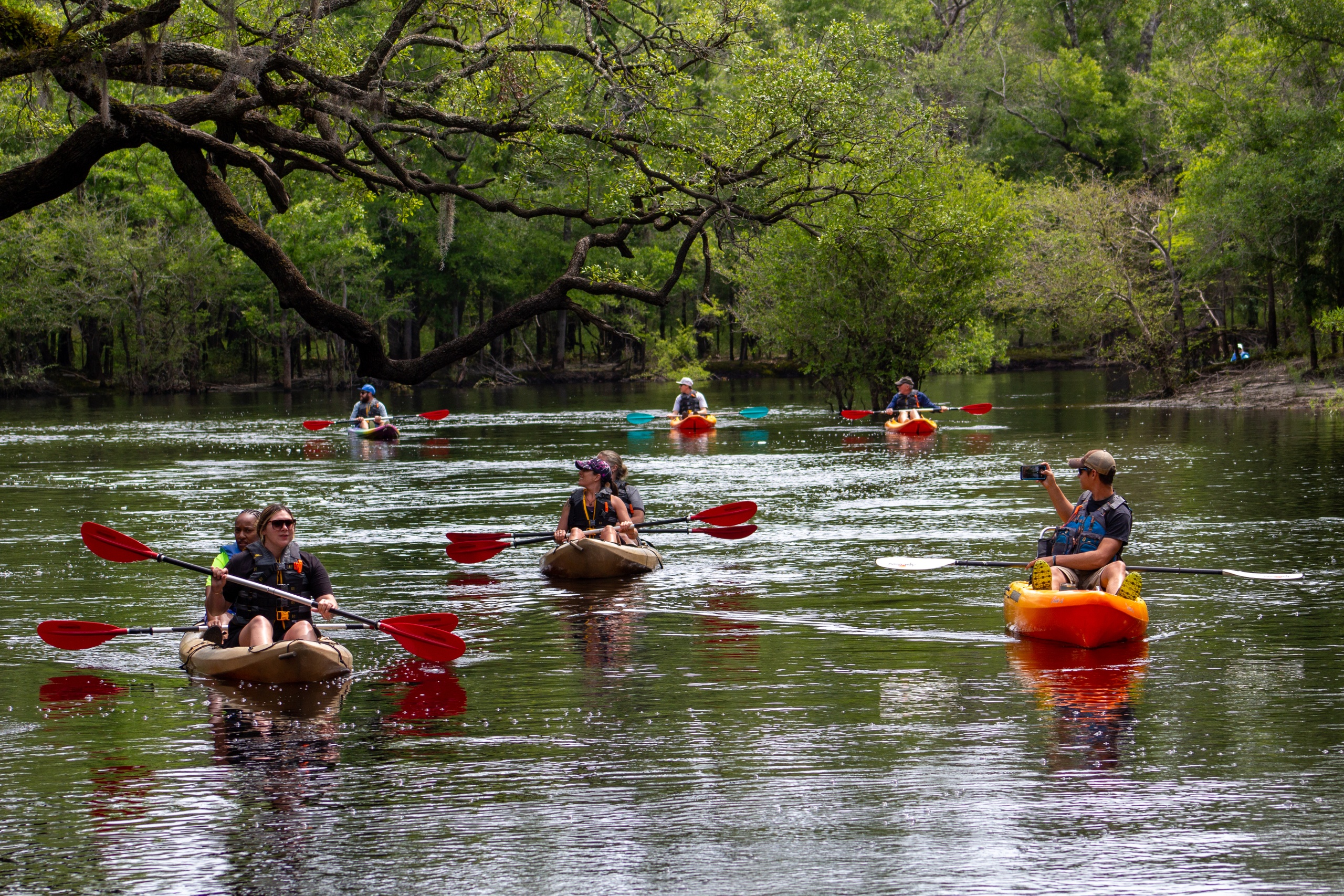
Top 10 Kayak Adventures in Longs, South Carolina
Longs sits on the edges of South Carolina's lowcountry waterways — a quieter gateway to tidal creeks, blackwater rivers, and wide coastal marshes. For paddlers, the landscape is intimate and varied: glassy morning runs through cypress and tupelo, tidal flats that expose a patchwork of oysters and mud, and easy access to the Intracoastal Waterway for longer coastal miles. This guide zeroes in on kayak-specific routes and practical planning for day trips and overnight excursions that start from Longs and the surrounding waterways.
Top Kayak Trips in Longs
10 trips • Book with confidence • Instant confirmation
Why Longs Is a Standout Kayaking Destination
You don't need to travel to a headline coastal city to find memorable paddling in South Carolina—Longs offers a modest, authentic lowcountry experience that feels less commercial and more elemental. Kayaking here is defined not by big surf or alpine panoramas but by narrow waterways that move slowly through live oaks draped in Spanish moss and marshes that breathe with tidal rhythms. Early in the day the water is a mirror; the marsh flats are a living mosaic of grasses, fiddler crabs, and oyster beds. As the tide shifts, channels appear and close, revealing new passages and silent eddies.
The area around Longs sits between the bustle of the Grand Strand and the quieter reaches of the Waccamaw River system. That placement makes it ideal for a range of paddling styles: short, placid loops that introduce newcomers to flatwater kayaking; multi-hour explorations that weave through backwater sloughs and salt marshes; and longer coastal runs that link to the Intracoastal Waterway for those who want to extend their day. Wildlife is a constant companion—shorebirds quarter the mudflats, ospreys patrol the channels, and if you’re patient you might spot a river otter or the flash of a bald eagle’s wings.
Cultural undercurrents are part of the trip. The lowcountry's maritime history—shipbuilding, oystering, and the small-scale agriculture of riverine communities—still colors the shoreline. Paddlers pass forgotten piers, small working docks, and neighborhoods that keep a distinctly coastal rhythm. Sensible paddling here means reading tides, understanding wind funnels along the Intracoastal, and respecting habitats sensitive to trampling and noise. For planners, Longs offers entréeways to protected areas like the Waccamaw National Wildlife Refuge, where guided outings are often the best way to learn the ecology and to minimize impact.
For travelers, the attraction is straightforward: accessible access points, a range of route lengths, and scenery that changes by the hour. Dawn and dusk are especially rewarding—soft light and cooler air, with the added bonus of lighter winds. Summer afternoons can bring breezes that make channels choppy and raise the challenge level slightly, while shoulder seasons lengthen daylight and temper the bugs. If you approach Longs with curiosity and basic tide-and-weather sense, the kayaking rewards are immediate: quiet channels, thoughtful wildlife encounters, and a tangible sense of place that lingers after the paddle is over.
The geomorphology of the lowcountry—its tidal creeks, blackwater rivers, and salt marshes—shapes the paddling experience more than distance or elevation. Routes can feel varied without being technically demanding, which is perfect for mixed-ability groups.
Because many routes are tide-dependent, timing a launch for mid- to high-tide often yields the most pleasant, navigable conditions and the fullest diversity of wildlife close to shore.
The proximity to the Grand Strand means paddlers can pair a quiet morning on a marsh route with an afternoon on a wider waterway or a sunset beach stroll—mixing solitude with coastal conveniences.
Best Time to Visit
Best Months
Weather Notes
Spring and fall offer comfortable air and water temperatures with lighter bugs. Summer brings heat, higher humidity, and afternoon sea breezes that can create choppy conditions on exposed channels. Winter paddles are possible but cooler water and reduced daylight require extra preparation.
Peak Season
Late spring through early fall—particularly summer weekends near the Grand Strand.
Off-Season Opportunities
Late fall and winter weekdays provide solitude on popular routes; migration periods are good for birding. Be mindful of shorter days and colder water temperatures.
Frequently Asked Questions
Do I need a permit to kayak in the Longs area?
Most public launch points and waterways do not require permits, but specific refuges or managed areas may require registration or guided trips—check the land manager's website for the Waccamaw National Wildlife Refuge and any local county facilities.
Are launches suitable for beginners?
Yes. There are several easy shore launches and calmer backwater loops ideal for beginners. Pick routes labeled as flatwater and avoid open Intracoastal sections when wind is high.
What about tides and currents?
Many channels and marsh entrances are tide-dependent. Consult local tide charts and plan launches to avoid being stranded on mudflats at low tide. Currents on the Intracoastal can be stronger and are more influenced by weather.
Choose Your Experience Level
Beginner
Short, sheltered loops on wide creeks or marsh channels with minimal wind exposure. These routes focus on stability and wildlife viewing.
- Calm marsh loop at high tide
- Short blackwater creek paddle
- Guided beginner tour in a wildlife refuge
Intermediate
Longer multi-mile outings on the Intracoastal or extended river sections where navigation and rudimentary tide planning matter. Expect occasional wind and chop.
- Mid-length Intracoastal day trip
- Point-to-point river paddle with shuttle
- Sunrise birding paddle through tidal creeks
Advanced
Extended coastal crossings, multi-day camping trips, or paddling in stronger wind and tidal conditions. Requires solid navigation, weather judgment, and self-rescue skills.
- Multi-launch coastal linking to barrier islands
- Long-distance Intracoastal crossings during favorable tides
- Backcountry expedition through remote refuge waterways
Insider Tips & Local Knowledge
Check tides, watch wind forecasts, and respect wildlife closures. Launches can look different at low tide — scout on foot if unsure.
Launch early for calm water and cooler temperatures; mid-morning winds often build from the ocean. Use tide charts to avoid mudflat landings and to plan routes that take advantage of tidal flow. Local guides are invaluable for learning subtle route shortcuts, oyster hazard zones, and seasonal birding hotspots—book a guide for your first outing. Leave no trace: pack out trash and avoid driving across marsh grass. If you’re paddling to or from the Intracoastal, account for boat traffic near passes and maintain visibility with bright clothing and a flag or light after dusk.
What to Bring
Essential
- Personal Flotation Device (PFD) — wear it
- Waterproof map or navigation app with battery backup
- Sunscreen, hat, and polarized sunglasses
- Hydration (at least 1–2 liters for day trips) and high-energy snacks
- Dry bag for phone, keys, and extra layers
Recommended
- Tide chart or tide-aware app and a basic knowledge of local tide windows
- Light wind shell and a change of clothes in case of a capsize
- Comfortable shoes for launches — reef shoes or sandals with straps
- Small first-aid kit and whistle for emergencies
Optional
- Binoculars for birding
- Compact camera with waterproof case
- Inflatable or touring kayak for longer coastal runs
- Portable pump and patch kit for inflatable kayaks
Ready for Your Kayak Adventure?
Browse 10 verified trips in Longs with instant booking
Explore Top 15 Longs, South Carolina Adventures →