
Kīlauea adventure guide
Find your way into Kīlauea.
Where molten earth meets the Pacific, Kīlauea is both a landscape and a story—steam vents, lava fields, palm-fringed coves and reef-sculpted snorkeling sites. This guide threads water and land: surf breaks and catamaran mornings, lava-viewing hikes and eco tours, whale watches and helicopter vantage points. Use it to plan one-day loops or weeklong itineraries that balance spectacle with safety.
Three ways into the city
Pick a landscape. Build a day around it.
Kīlauea is less a single destination than a collection of neighboring worlds. Start with the version of the city that matches your pace, then use the ranked guide below to fill in the details.

Begin where the city meets the sea.
Surf breaks, sheltered harbors, whale routes, and long beach paths make the coast LA’s most immediate outdoor playground.
Explore water activities →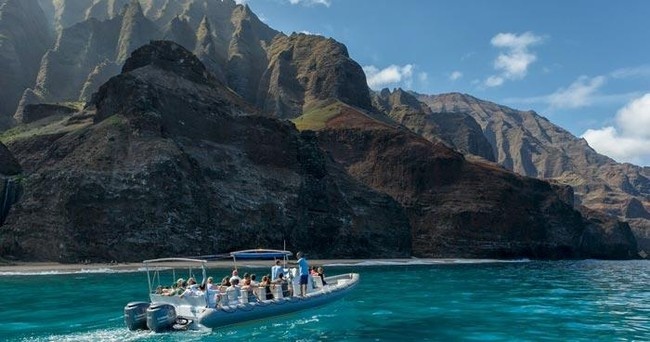
Let a local connect the landmarks.
Use a guided city, walking, or sightseeing tour to turn LA’s sprawl into a coherent story.
Explore boat tour →
Ride the coast and the city.
Beach paths, river corridors, e-bikes, and ridge climbs reveal a more connected Los Angeles.
Explore surf →Choose your way into Kīlauea
The top 15 Kīlauea adventures.
Ranked by the number of currently listed trips. Each panel opens the complete local activity collection.
1Water Activities
Kīlauea is where molten earth meets the Pacific, shaping shorelines, forging black sand coves, and creating rich nearshore ecosystems. Water activities here range from mindful tidepool exploration and sheltered snorkeling to guided boat trips that—when conditions and access allow—offer an unforgettable view of lava meeting sea. Expect dynamic coastline geology, variable ocean conditions, and a cultural landscape that rewards respectful engagement.
Explore water activities →2Boat Tour
Boat tours from the Kīlauea region stitch together sea cliffs, submarine lava fields, and open-ocean encounters with marine life. Whether you’re chasing the rare glow of lava at night, drifting above coral gardens, or listening to a captain translate volcanic history through binoculars, these trips offer a shoreline perspective that road-bound visits can’t match. This guide focuses on the experience of boat tours around Kīlauea—what the sea reveals, how seasons and volcanic activity shape access, and how to plan for safe, unforgettable outings.
Explore boat tour →3Surf
Kīlauea’s shoreline is where volcanic geology meets ocean swell: jagged lava benches, pockets of black sand, and reef-studded coves create a varied playground for surfers. Conditions change with swell direction and tide—north swells in winter push powerful, hollow waves onto rocky points, while summer south swells open up gentler beach breaks. This guide focuses on surfable stretches of the Kīlauea/Puna coastline: accessible beach breaks for learners, reef passes and lefts for intermediates, and exposed lava-lined points that demand respect from advanced riders. It weaves practical route planning, seasonality, safety, and environmental stewardship so you can plan surf sessions that are adventurous, responsible, and memorable.
Explore surf → 4
4Snorkel
Snorkeling around Kīlauea is an intimate study in contrasts: molten earth meets warm Pacific water to create shorelines of volcanic rock, sheltered tide pools, and sudden drop-offs where tropical fish gather. Visibility and conditions vary by wind and recent lava activity, but the rewards are constant—curious reef fish, dense seaweed gardens, and the oddly beautiful interplay of black lava and aquamarine sea. This guide focuses on snorkeling-specific routes, safety and seasonality, and how to pair underwater time with lava-viewing and coastal hikes.
Explore snorkel → 5
5Scuba
Scuba diving around Kīlauea pairs the primeval drama of active volcanism with subtropical reef life. Expect rugged shore entries across lava-formed coastline, clear pockets of sheltered water, and a marine landscape shaped by recent lava flows, black sand beaches, and lush coastal valleys. This guide focuses on what makes scuba in the Kīlauea region distinct—terrain, seasonality, logistics, and how to plan safe, rewarding dives in an area where land and sea are constantly changing.
Explore scuba →Sightseeing Tour
Kīlauea is less a place and more a set of ongoing events — steam, sulfur-scented trade winds, the slow crust of earth reshaping itself. Sightseeing tours here are study in scale and immediacy: short ranger walks past steam vents and sulfur banks, sunset drives to glow shows at the rim (when active), helicopter circuits that rewrite perspective, and coastal boat or beach vantage points watching lava meet ocean. This guide focuses on sightseeing experiences that let travelers witness the volcano’s theater while balancing safety, cultural sensitivity, and practical planning.
Explore sightseeing tour → 7
7Boat Rental
Kīlauea’s shoreline—where sea meets shore in abrupt green cliffs, volcanic benches, and protected reef gardens—makes it an evocative base for small-boat adventures. Renting a boat here is less about high-speed crossings and more about deliberate, ocean-forward exploration: glassy morning snorkel runs, late-afternoon drift dives, shoreline photography, and seasonal whale-watch cruises. Whether you’re launching a self-drive skiff, paddling a sit-on-top kayak, or hiring a small charter for a half-day, the local waters offer a compact, diverse playground that pairs well with hiking, birding, and coastal photography.
Explore boat rental →Hiking
Hiking Kīlauea is an exercise in contrasts: windswept black lava fields give way to fern-draped gulches, coastal cliffs offer the hush of pounding surf, and high-desert ridgelines open onto panoramic views of a living volcanic landscape. Trails range from short interpretive loops that pass steaming vents and collapsed crater rims to full-day scrambles across hardened pahoehoe and ʻaʻā—terrain that rewards curiosity with geological theater, botanical surprises, and deep cultural ties to Hawaiian practice and place.
Explore hiking → 9
9Catamaran
Catamaran trips around Kīlauea bring together the island’s volcanic drama and open-ocean calm: wide decks for long views, shallow drafts for snorkeling stops, and stable platforms for whale watching, sunset sails, and coastal exploration. These voyages are about marine life, coastal geology, and encounters with Pacific weather and culture—ideal for travelers who want the sea as both classroom and playground.
Explore catamaran → 10
10Walking Tour
Walking tours around Kīlauea compress deep time into an afternoon: black crust that’s months old beside glassy pahoehoe, steam vents that smell of sulfur, and rainforest pockets clinging to ancient lava. These walks pair geology and culture—guided or self-led—offering close-range views of volcanic processes, native forest, and coastal renewal.
Explore walking tour → 11
11Whale Watch
From the black lava coastline of the Puna side to the glassy swells off Kīlauea, whale watching here is a lesson in contrast: huge, graceful mammals against a raw volcanic edge. Winter and early spring draw humpback whales into Hawaiian waters for breeding and calving, and Kīlauea — while less crowded than the tourist hubs on Maui — offers intimate viewing opportunities both from shore and from small-boat operators. Expect dramatic blows, long pectoral slaps, and the occasional breach framed by basalt cliffs and seabirds. This guide focuses on how to see whales responsibly, when to plan your trip, what trips are available, and how to pair a marine encounter with other coastal adventures.
Explore whale watch → 12
12Air Activities
Kīlauea’s landscape is a lesson in scale: hardened black lava fields, steaming ocean entry plumes, and the slow sculpture of landscape under heat and wind. From a helicopter’s low-level pass to the calm glide of a tandem paraglider off a coastal ridge, air activities here turn geological spectacle into motion. This guide focuses on the ways to experience Kīlauea from above—what the flights feel like, how visibility and seasonality shape the view, and practical steps to plan an aerial outing that complements hikes, shoreline walks, and cultural site visits.
Explore air activities → 13
13Dolphin
Off the scorched black cliffs of Kīlauea, where new land is still being written by slow, incandescent flows, the ocean is a different kind of wild. Dolphins—sleek, acrobatic, and inquisitive—cut through the warm Pacific just beyond the surf line. This guide maps the best ways to meet them: morning boat cruises that skim glassy seas, guided snorkel drop-ins where spinner and bottlenose dolphins may pass nearby, and shore-based vantage points for low-impact viewing. It mixes practical planning with conservation-minded advice so you can chase the spectacle without harming the animals or the fragile nearshore ecosystems that sustain them.
Explore dolphin → 14
14Eco Tour
Kīlauea's eco tours unwrap a living laboratory where fire, ocean, and forest meet. From dawn patrols across cooling lava fields to evening walks that hunt for the glow of molten rock, these guided experiences emphasize ecology, culture, and the fragile rhythms of a landscape forever remade by eruption. Expect bird song in native ʻōhiʻa forests, tidepool microcosms along black-sand shores, and conversations with knowledgeable local naturalists who connect geology to island life.
Explore eco tour → 15
15Sailing
Sailing from the shores around Kīlauea is an exercise in contrasts: the black, raw edges of volcanic coastline meet open Pacific horizon; sheltered coves yield clear reef basins; and unmissable geological drama unfolds where lava and sea have collided for centuries. This guide focuses on sea-based ways to experience Kīlauea’s coastal personality—wild shoreline views, wildlife encounters, coastal snorkeling, and the unique safety and cultural considerations that come with sailing near an active volcanic landscape.
Explore sailing →The city and the sea
Why Kīlauea Belongs on Your Adventure Shortlist
Variety without surrendering the day to long transfers.
Kīlauea is not just a stop on a map—it's a tension between fire and water that you can approach by foot, by boat, by mask, and by seatbelt. At the scale of a day you might begin with a sunrise hike across a cooled lava flow, the ground underfoot a patchwork of honeycombed pahoehoe and jagged ʻaʻā; by noon you can be aboard a catamaran watching spinner dolphins carve the bow wave, then slipping into turquoise shallows for a snorkel among reef fish and coral heads. The next morning you can trade fins for a surfboard, chasing reef breaks that teach you how the same ocean that hides fragile coral also sculpts perfect takeoff points. That juxtaposition—raw geology and warm marine life—is what makes Kīlauea so magnetic. Travelers come for more than spectacle. Boat tours and boat rentals open quiet coastal coves and dramatic sea cliffs; guided sightseeing tours and eco tours thread cultural context through the landscape, explaining how Hawaiian cosmology and geology intertwine. For those who want altitude, air activities—helicopter or ultralight—offer a view that reduces lava flows and coastal plain to the scale of brushstrokes, while whale watch trips between December and April make the ocean feel like a living theater. On land, walking tours and clearly marked hiking routes invite you to slow down and learn the names of plants that return first to new lava, while longer, cross-country hikes reward patience with steam vents and lava tubes. Practicality sits beside romance here. Surf and scuba are world-class—but conditions change fast; currents, wind, and volcanic haze (vog) can alter visibility and safety. Rentals and guided options make a big difference: a local boat captain knows the swell charts and the reef approach; a certified dive operator knows current windows that give the best chances for sea turtles, reef sharks, and clear visibilities. Hiking requires a sturdy sole—lava fields are unforgiving—and an awareness of closures around active zones. The island's hospitality is built to support this menu of experiences: outfitters for catamaran sails, boat tours that combine whale watching with snorkeling, and eco tours that prioritize low-impact access all exist so you can trade anxiety for expertise. Finally, Kīlauea rewards layering. Stack a morning hike with an afternoon snorkel, or pair a sunrise helicopter flight with a late-afternoon walking tour that explores cultural sites and coastal ecosystems. Whether you’re chasing surf, scanning for dolphins, logging a whale-watch, or tracing lava’s slow artistry across the land, you’ll find Kīlauea’s mix—Water Activities, Boat Tour, Surf, Snorkel, Scuba, Sightseeing Tour, Boat Rental, Hiking, Catamaran, Walking Tour, Whale Watch, Air Activities, Dolphin encounters, Eco Tour, and Sailing—offers both immediate thrills and quieter, earned moments of wonder.
Access is pragmatic: roads like Chain of Craters Road give you front-row seats to coastal lava and scenic pullouts while park visitor centers decode the geology. Outfitters cluster near coastal towns and park gateways for easy rentals and tours. Because services and conditions can change quickly—closures, vog, or surf advisories—book guided departures for specialized activities like scuba or boat tours during peak windows.
Pair activity with culture: local guides weave Hawaiian history, language, and land stewardship into hikes and tours. Respect seasonal wildlife protections—especially around breeding whales and nesting seabirds—and pack out everything you bring. This attitude keeps fragile reefs and sacred sites vibrant for future visits.
Conditions shape the day
The best time to visit Kīlauea.
Kīlauea and surrounding coastal zones are warm year-round with localized microclimates. Trade wind breezes are typical; vog (volcanic haze) can reduce air quality downwind of active vents. Afternoon showers are possible—especially in wetter eastern exposures—while leeward coasts tend to be sunnier and calmer.
Best all-around window
Spring + fall
Comfortable mixed-itinerary weather, thinner crowds at beaches and lookouts, and more room to improvise.
Beach season
Winter holidays and whale season draw more visitors—book boat tours and accommodations early for December–April windows.
Surf + whales
Late spring and early fall offer quieter seas and better visibility for snorkeling and scuba, and fewer crowds at trailheads.
Coast to inland
Cool marine mornings often give way to warmer inland afternoons and breezy evenings.
Beginner
Low-risk, high-reward outings: sheltered bay snorkels, guided walking tours, short black-sand beach strolls, and calm catamaran sails.
- Guided snorkeling in a protected bay
- Short coastal walking tour with cultural interpretation
- Morning catamaran sail with dolphin sightings
Intermediate
Longer hikes across older lava flows, shore-based surf sessions on gentler breaks, and half-day boat tours that include snorkeling and wildlife viewing.
- Half-day boat tour combining snorkeling and whale/dolphin watching
- Moderate hike along Chain of Craters Road access points
- Surf session on reef breaks with moderate swell
Advanced
Technical terrain and specialized watercraft: multi-mile cross-country hikes, open-water scuba and drift dives, and trips that require current and swell planning.
- Guided lava-tube exploration and backcountry hikes near active zones
- Advanced scuba dives on outer reefs or drift courses
- Self-powered long-distance paddling or sailing along exposed coastlines
Field kit
What to bring.
Pack for sun, salt water, walking, and a meaningful temperature swing between coast and inland Kīlauea.
Essential
Start here
- Sturdy shoes with firm soles for lava rock and uneven trails
- Coral-safe reef sunscreen (SPF 30+) and sun protection
- Light waterproof layer and quick-dry clothing for variable coastal weather
- Reusable water bottle and electrolyte snacks
- Waterproof phone case or small dry bag for boat or beach days
Water days
Keep it dry
- Snorkel mask and fins if you prefer your own gear
- Light daypack with hydration sleeve
- Hat and polarized sunglasses for glare and spotting marine life
- Headlamp for pre-dawn hikes or exploring lava tubes with a guide
Long days
Stay flexible
- Lightweight tripod or telephoto lens for whale watching and landscape shots
- Water shoes for rocky shorelines and tidepools
- Compact binoculars for whale and bird watching
Insider note
Start early, then keep the geography tight.
Start early to catch glassy mornings for snorkeling, sailing and whale watching—afternoon trade winds pick up most days. When booking, ask operators about sea conditions and contingency plans for vog or rough swell. Respect marine closures and seasonal wildlife buffers; many snorkeling and scuba operators practice reef-safe approaches and brief guests on least-impact behavior. On land, wear protective soles when crossing lava and keep to marked trails: the terrain hides sharp edges and fragile ecological recovery zones. If you're aiming for aerial views, book flights with operators who emphasize safety around volcanic emissions and stay current with park alerts. Finally, combine a guided experience with a self-led activity—pair a morning eco tour or guided dive with an afternoon walk or kayak so you leave time to absorb the island’s quieter rhythms.
Good to know
Frequently asked questions.
Can I see active lava from Kīlauea safely?
Active lava access is variable and often restricted. Viewing is safest and most responsible with park-authorized viewpoints or guided tours that follow current access rules. Check Hawaiʻi Volcanoes National Park alerts before planning.
Do I need a guide for snorkeling and scuba?
Not always—experienced snorkelers and certified divers can find shore-entry sites and guided dives. For open-water scuba, deeper reef dives, or variable currents, a local operator improves safety and wildlife sightings.
When is the best time for whale watching?
Peak humpback whale presence runs roughly December through April. Calm mornings often produce the best visibility from either shore-based overlooks or dedicated whale-watch boat tours.
Ready when you are
Find the trip that fits your Kīlauea day.
Compare bookable experiences across the coast, city, and mountains—then save the ones that belong in your plan.
Explore all Kīlauea adventures ↗