Top 45 Boat Tours in Kīlauea, Hawaii
Boat tours from the Kīlauea region stitch together sea cliffs, submarine lava fields, and open-ocean encounters with marine life. Whether you’re chasing the rare glow of lava at night, drifting above coral gardens, or listening to a captain translate volcanic history through binoculars, these trips offer a shoreline perspective that road-bound visits can’t match. This guide focuses on the experience of boat tours around Kīlauea—what the sea reveals, how seasons and volcanic activity shape access, and how to plan for safe, unforgettable outings.
Top Boat Tour Trips in Kīlauea
45 trips • Book with confidence • Instant confirmation
Why Boat Tours around Kīlauea Are Essential
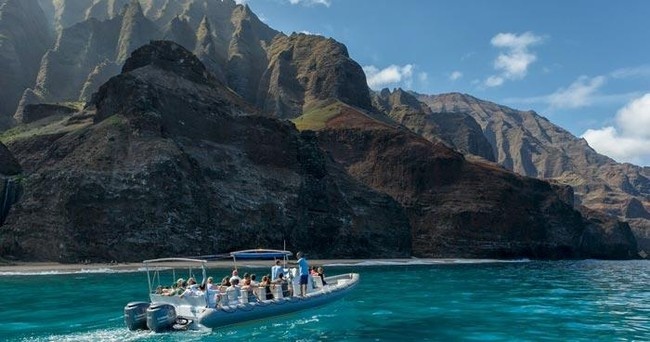
A boat off Kīlauea is both vantage point and translator: it repositions you from the island’s human scale and places you against geological time. From the water the volcano reads differently—rugs of layered basalt that rise into slick black cliffs, beaches formed by the most recent flows, and the hush of a coastline that is constantly being written and rewritten by molten rock and sea. Tours here are not just sight-seeing; they are encounters with processes that shaped Hawaiʻi and continue to do so. The language of the trip is sensory—salt spray, the metallic tang of volcanic gases carried seaward, the distant thunder of waves collapsing against fresh lava. Captains and naturalists narrate these elements: where lava once poured, where it now rests; how reefs reestablish on cooled flows; why seabirds and monk seals favor certain coves.
Practically, boat tours unlock access. Much of Kīlauea’s dynamic shoreline is rugged, remote, or within protected park boundaries where shoreline access may be limited or hazardous. A well-run tour delivers you close to sea arches, blowholes, and sculpted cliffs while keeping you at a safe distance from unstable rock and hot flows. The itineraries vary—daytime cruises that fold in snorkeling on coral heads, half-day coastal explorations focused on geology and birds, evening runs timed for potential lava glow sightings, and specialized trips for whale season or scientific-leaning observers. Each type of trip invites different preparation: a snorkeling tour requires reef-safe sunscreen and fin-friendly footwear; a night tour calls for a windproof layer and patience for low-light viewing.
Environmental context shapes every decision. The Pacific here is alive with currents, trade winds, and seasonal migrations. Winter brings humpback whales into Hawaiian waters; spring and fall favor calmer seas for snorkeling and sea-cave exploration. Volcanic emissions—vog—can affect visibility and respiratory comfort on some days, while active lava flows, when present, require coordination with park authorities and safety officers and may alter or suspend coastal routes entirely. For travelers, that variability is part of the attraction: each outing can feel like a scientific field note and a cinematic moment in the same sentence.
Ultimately, boat tours around Kīlauea are about perspective: the slow, inevitable reshaping of land by fire and water viewed from a vessel that threads between the island’s history and its ongoing creation. They pair well with shoreline hikes to lookouts, snorkeling sessions to witness reef recovery, and cultural visits where local guides share the stories of Pele and the living landscape. They demand respect for safety and the environment, but reward travelers with a rare intimacy—a shore that forms and reforms, telling a story in basalt and spray.
Tours provide safe, regulated proximity to geological features that are otherwise inaccessible. Skilled captains balance close viewing with caution—particularly when volcanic activity or rough seas are factors.
Combine a boat tour with complementary activities: a morning snorkel to see reefs reborn on older flows, an afternoon hike around park overlooks, or an evening cruise timed for whale song in winter months.
Best Time to Visit
Best Months
Weather Notes
Sea conditions are governed by trade winds and seasonal swells: late spring through early fall tends to bring calmer seas ideal for snorkeling and closer coastal approaches. Winter months can produce larger swells but add the spectacle of migrating humpbacks. Vog (volcanic haze) may reduce visibility on some days and can affect air quality near active vents; check advisories before booking.
Peak Season
Winter whale season (roughly November–April) and holiday periods see higher demand for popular cruise times and reduced availability on preferred windows.
Off-Season Opportunities
Shoulder months and weekday departures often yield smaller groups, potential discounts, and quieter marinas. Some operators run specialized scientific or photographic trips in off-peak periods.
Frequently Asked Questions
Can boat tours take me right up to active lava flows?
Proximity to active lava entries is regulated for safety. Operators follow Hawaiʻi Volcanoes National Park and U.S. Coast Guard guidance; access depends on current flow locations, maritime conditions, and park closures. Advanced notice from operators will clarify whether a tour includes lava viewing.
Are boat tours suitable for families and non-swimmers?
Many day cruises and coastal tours are family-friendly and do not require swimming. Snorkel-focused trips typically accommodate beginners but expect basic comfort in the water. Operators provide safety briefings and flotation devices; disclose mobility or swim limitations when booking.
How should I prepare for seasickness?
If you’re prone to motion sickness, take preventative medication before boarding, choose morning departures when seas are often calmer, and sit in the middle of the vessel where motion is least felt. Fresh air and focusing on the horizon can also help.
Choose Your Experience Level
Beginner
Calm coastal cruises and sightseeing runs suitable for families, older travelers, and those new to ocean tours. These trips prioritize short durations, stable vessels, and narrated interpretations.
- Scenic daytime coastal cruise with commentary
- Short whale-watch outings (seasonal)
- Harbor-based sunset cruise
Intermediate
Half-day trips that mix geology and wildlife viewing with optional snorkeling or close coastal exploration. Participants should be comfortable getting in and out of small boats and spending a few hours at sea.
- Snorkel-and-coast trips off cooled lava reefs
- Sea-cave and sea-arch exploration runs
- Photography-focused geological cruises
Advanced
Full-day or multi-day expeditions, technical snorkeling/diving around new flows, and small-group scientific outings. These require stronger sea-legs, comfort with variable conditions, and sometimes prior experience with ocean activities.
- Full-day archaeological and marine science charter
- Overnight or extended coastal exploration
- Technical dive trips near complex reef formations
Insider Tips & Local Knowledge
Check current volcanic and marine advisories before booking; operator experience and local knowledge matter more here than in many other coastal destinations.
Book early for sunset runs and whale-season departures—these slots fill fast. If lava viewing is a priority, contact operators the day before; flow locations and access can change quickly and trips may be rerouted. Choose operators who provide clear safety briefings, carry oxygen and VHF radio, and have certified guides. Bring reef-safe sunscreen and respect marine-protection rules—many reefs around cooled flows are fragile and regenerating. For photography, a mid-day cruise with calm seas offers the sharpest light; for drama, a low-light or night tour can reveal lava glow (when present) but comes with reduced visibility and colder, windier conditions. Finally, pair a boat tour with a short park hike or cultural visit inland to get the full sense of how the sea and land tell Kīlauea’s story.
What to Bring
Essential
- Waterproof layers and a windproof jacket
- Reef-safe sunscreen (required by many operators)
- Non-slip shoes or sandals that can get wet
- Water bottle and seasickness medication if you're prone
- Small waterproof dry bag for phone and documents
Recommended
- Binoculars for distant geological features and whale blows
- Quick-dry clothing and a hat with a strap
- Light headlamp for evening tours
- Mask/snorkel if you prefer to use your own gear
Optional
- Underwater camera or compact action camera
- Light thermal layer for night cruises
- Reusable snack containers for day trips
- Field guide to Hawaiian seabirds or marine life
Ready for Your Boat Tour Adventure?
Browse 45 verified trips in Kīlauea with instant booking
Explore Top 15 Kīlauea, Hawaii Adventures →