
Kiawah Island adventure guide
Find your way into Kiawah Island.
A lowcountry island of wide beaches, winding tidal creeks, and quiet maritime forests, Kiawah Island is a slow-motion coastal playground where boat tours, dolphin watching, and salt‑marsh ecology meet laid‑back sightseeing and active water sports. This guide highlights the best ways to experience the island—from kayak and SUP mornings in glassy creeks to evening wildlife photography and classic fishing charters—so you can plan practical outings that capture both scenery and rhythm of the tides.
Three ways into the city
Pick a landscape. Build a day around it.
Kiawah Island is less a single destination than a collection of neighboring worlds. Start with the version of the city that matches your pace, then use the ranked guide below to fill in the details.

Begin where the city meets the sea.
Surf breaks, sheltered harbors, whale routes, and long beach paths make the coast LA’s most immediate outdoor playground.
Explore boat tour →Let a local connect the landmarks.
Use a guided city, walking, or sightseeing tour to turn LA’s sprawl into a coherent story.
Explore sightseeing tour →
Ride the coast and the city.
Beach paths, river corridors, e-bikes, and ridge climbs reveal a more connected Los Angeles.
Explore wildlife →Choose your way into Kiawah
The top 15 Kiawah Island adventures.
Ranked by the number of currently listed trips. Each panel opens the complete local activity collection.
1Boat Tour
Kiawah Island’s boat tours are a lesson in the Lowcountry: salt-scented air, a tapestry of marsh grass and tidal creeks, and a cast of dolphins, shorebirds, and historical whispers. From gentle estuary eco-cruises that trace oyster banks and heron rookeries to sunset cruises that transform the horizon into molten gold, these trips are intimate, tide-driven, and richly educational. Expect operators to combine natural history, conservation framing, and opportunities for wildlife viewing — ideal for birders, photographers, and anyone wanting a calm, coastal vantage of the barrier island landscape.
Explore boat tour → 2
2Water Activities
Kiawah Island is a salt‑stained, wind‑tuned playground where marsh channels, tidal creeks, and open ocean meet. This guide homes in on water activities — from gentle estuary paddles and dolphin‑lined cruises to surf sessions on the Atlantic side — and pairs immersive narrative with practical advice on tides, access, and what to pack for every skill level.
Explore water activities →Sightseeing Tour
Kiawah Island’s sightseeing scene is a study in gentle contrasts: low, hush-hushed marshes that stage frenetic bird activity at dawn, long sweepingly empty beaches that glow at sunset, and shaded maritime forests threaded with paved paths and boardwalks. Sightseeing here blends slow, sensory observation with close-up nature tours — kayaks slipping through oyster reefs, boat cruises that skim glassy estuaries, and guided walks that explain the island’s ecology and Lowcountry culture. Whether you prefer a narrated boat trip into the creeks, a sunset dolphin cruise, a guided birding walk, or a self-guided bike loop between ocean vistas and marsh overlooks, Kiawah’s sightseeing tours are designed to reveal the island at a carefully observed pace.
Explore sightseeing tour → 4
4City Tour
Kiawah Island's city-tour experiences unfold quietly: sunlit marsh vistas, a village of low-slung cottages and boutique shops, and the layered history that links the island to Charleston's coastal culture. Tours here are compact and gentle—walking, biking, trolley, and kayak-forged circuits that read like chapters of Lowcountry life. Expect coastal ecology as the backdrop, not the interruption, and itineraries that blend neighborhood character, wildlife watching, and mindful design-driven public spaces.
Explore city tour → 5
5Walking Tour
Kiawah Island compresses a full coastal ecosystem into walkable, intimate corridors: wide beach expanses, sinuous salt marsh edges, and shaded maritime forests threaded with boardwalks. Walking tours here can be soft-sand sunrise pilgrimages, guided ecology walks that decode dunes and oaks, or self-led village rambles that combine history and local culture. This guide focuses on the walking experience—terrain, seasonal rhythms, accessibility, and planning—to help you choose the right stroll whether you’re chasing shorebirds at dawn or a quiet evening tide line.
Explore walking tour → 6
6Fishing
Kiawah Island is a salt-scrubbed mosaic of marsh channels, tidal creeks, surf beaches, and shallow flats—an intimate coastal playground for anglers who prize variety and rhythm over raw horsepower. From dawn surfcasts for red drum to low-tide skiff drops for spotted sea trout, Kiawah’s fishing is shaped by tidal cycles and the brackish heartbeat of the estuary. Expect a seasonally shifting cast list: inshore gamefish, transient pelagics along the beach and inlet, and estuary specialists that reward patient sight-fishing and careful presentation. Whether you prefer wading the surf, poling flats in a skiff, or booking a local charter to run the nearshore canyons, Kiawah delivers an approachable, compelling saltwater fishing experience keyed to tides, wind, and the slow, generous geometry of Lowcountry water.
Explore fishing → 7
7Dolphin
Kiawah Island's tidal channels, wide marsh flats, and nearshore Atlantic shelf create a living theater for bottlenose dolphins. Whether you're gliding in a kayak through glassy creeks, scanning from a family-friendly eco-boat, or standing on a dawn-time beach with binoculars, dolphins here are regular performers—curious, social, and often close enough to read their dorsal fins. This guide focuses on dolphin-centered experiences around Kiawah: where to go, how to choose the right boat or paddle option, the best seasons and times of day, and practical tips for safe, respectful wildlife viewing. Expect an experience that's equal parts marine biology and Lowcountry storytelling: dolphins are the stars, but the salt marsh, migratory birds, and the community of small operators who know these waters are the context that makes each encounter memorable.
Explore dolphin → 8
8Eco Tour
Kiawah Island's eco tours thread through tidal creeks, maritime forests, and long Atlantic beaches—places where the Lowcountry's rhythms are visible at every tide. Guided kayak trips skim eelgrass flats and oyster beds; marsh cruises trace the sinuous channels that feed shrimp and migratory birds; after dark, sanctioned turtle walks reveal the fragile work of conservationists. These tours prioritize observation, low-impact access, and interpretation—teaching how currents, storms, and seasonal migrations shape life on a barrier island. Whether you join a naturalist-led paddle at dawn, a birding boat at high tide, or a coastal-forest walk to learn about longleaf pines and palmettos, Kiawah's eco tours are designed to connect curiosity with stewardship.
Explore eco tour →9Wildlife
Kiawah Island reads like a layered nature essay: a ribbon of dunes and surf, a lattice of tidal creeks and marsh grass, and pockets of maritime forest where oaks and palmettos shade quiet trails. The wildlife here is both conspicuous and subtle—bottlenose dolphins riding the inshore chop, shorebirds probing the exposed flats at low tide, and loggerhead sea turtles returning to the same stretches of sand each summer to nest. This guide focuses on the island’s wildlife experiences—how to find them, when to go, what to expect in the field, and how to behave with minimal impact—so travelers can move beyond a checklist and toward a deeper encounter with the Lowcountry’s rhythms.
Explore wildlife → 10
10Kayak
Kiawah Island rewrites the idea of a coastal paddle: tidal creeks that thread through high marsh, broad estuary channels that reflect long Carolina skies, and open Atlantic edges where surf and current demand respect. Kayaking here is intimate and elemental—wildlife-rich flatwater for beginners and technical, tide-driven passages for sea-kayakists who read the water. From dawn birdwatching in the creeks to moonlit eco-paddles and surf launches at low tide, Kiawah's paddling footprint is as diverse as its habitats.
Explore kayak →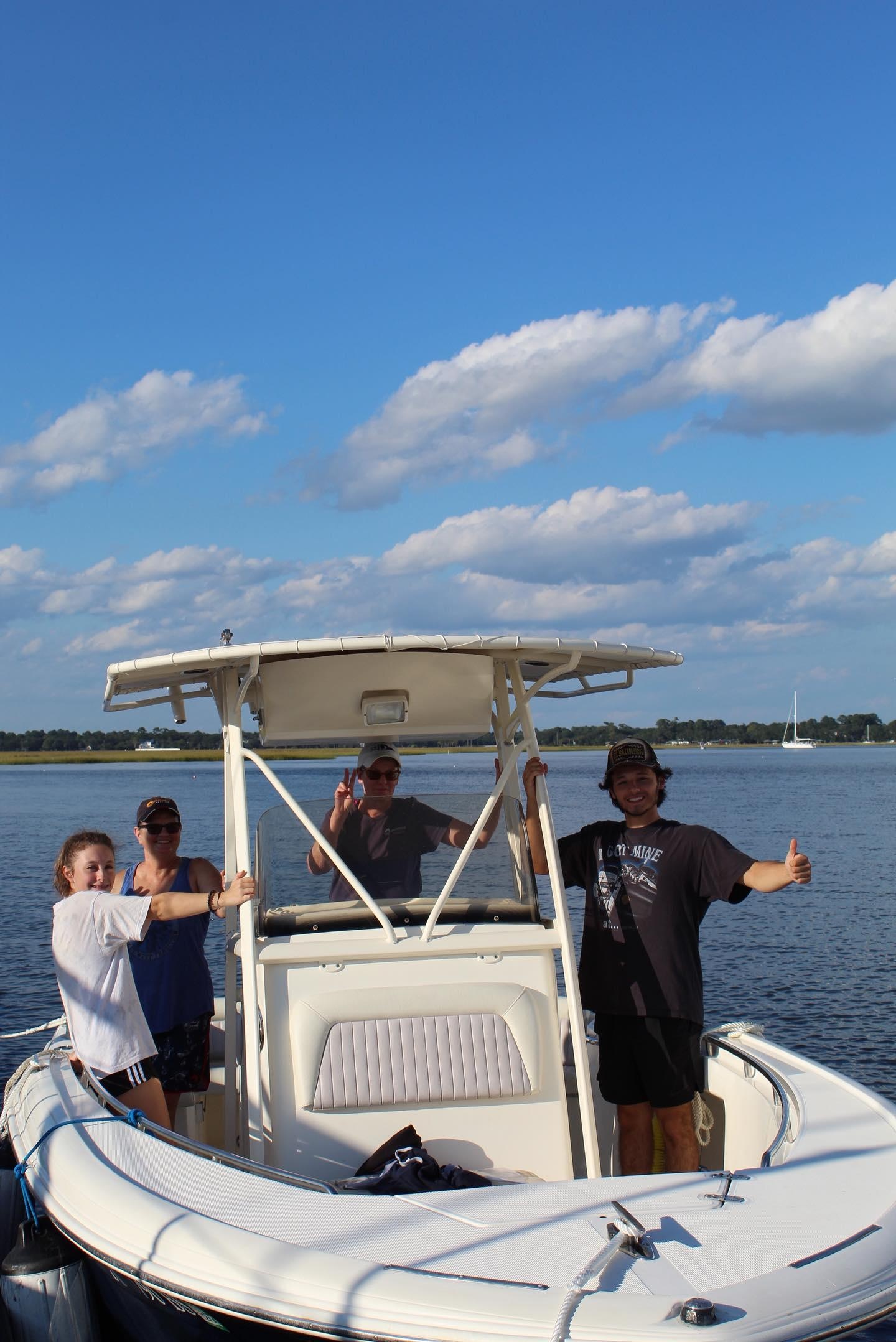 11
11Sailing
Kiawah Island is a sailing playground where wide tidal rivers give way to open Atlantic rolling seas, and where lowcountry marshes shape every tack. Whether you’re learning to trim sails in calm estuaries or chasing a brisk sea breeze offshore, Kiawah’s reefs, inlets, and winding creeks reward curiosity—with easy access to sheltered day-sail routes, island-hopping, and coastal passages toward Charleston.
Explore sailing → 12
12Boat Rental
Kiawah Island’s woven network of tidal creeks, wide salt marshes, and the open sweep of the Atlantic creates one of the Lowcountry’s most satisfying boating playgrounds. Whether you’re piloting a self-drive skiff through shadowed oyster beds, slipping out for dawn dolphin sightings, or boarding a captain-led charter for offshore fishing, renting a boat here is the fastest way to feel the island’s geography and wildlife firsthand. Rentals range from small electric skiffs and center consoles to guided pontoon and sport-fishing charters that cross the Intracoastal and into the surf. Tides and shallow flats shape routes and rhythms; planning around them turns a good day on the water into an effortlessly memorable one.
Explore boat rental → 13
13SUP
Kiawah Island is a low-country SUP playground where wide beaches meet quiet estuaries and braided salt-marsh creeks. Paddle calm backwaters under live oaks draped with Spanish moss, pick your line through oyster-rimmed channels, or catch long, flat runs on the island-facing side when conditions allow. This guide focuses strictly on stand-up paddling—day trips, guided eco-tours, surf sessions where possible, and mellow paddles for wildlife viewing—so you can plan whether you’re chasing sunrise reflections in the marsh or a coastal crossing at low tide.
Explore sup → 14
14Bus Tour
Kiawah Island's bus tours turn the Lowcountry's whispering marshes, storied coastlines, and bird-rich estuaries into a relaxed, window-seat exploration. These guided rides are equal parts natural history, cultural context, and practical transport—ideal for travelers who want an immersive island orientation without the strain of navigating narrow roads or coordinating boat launches. Expect expert narration, wildlife viewing stops, and a rhythm that pulses between slow coastal observation and breezy shoreline drives.
Explore bus tour →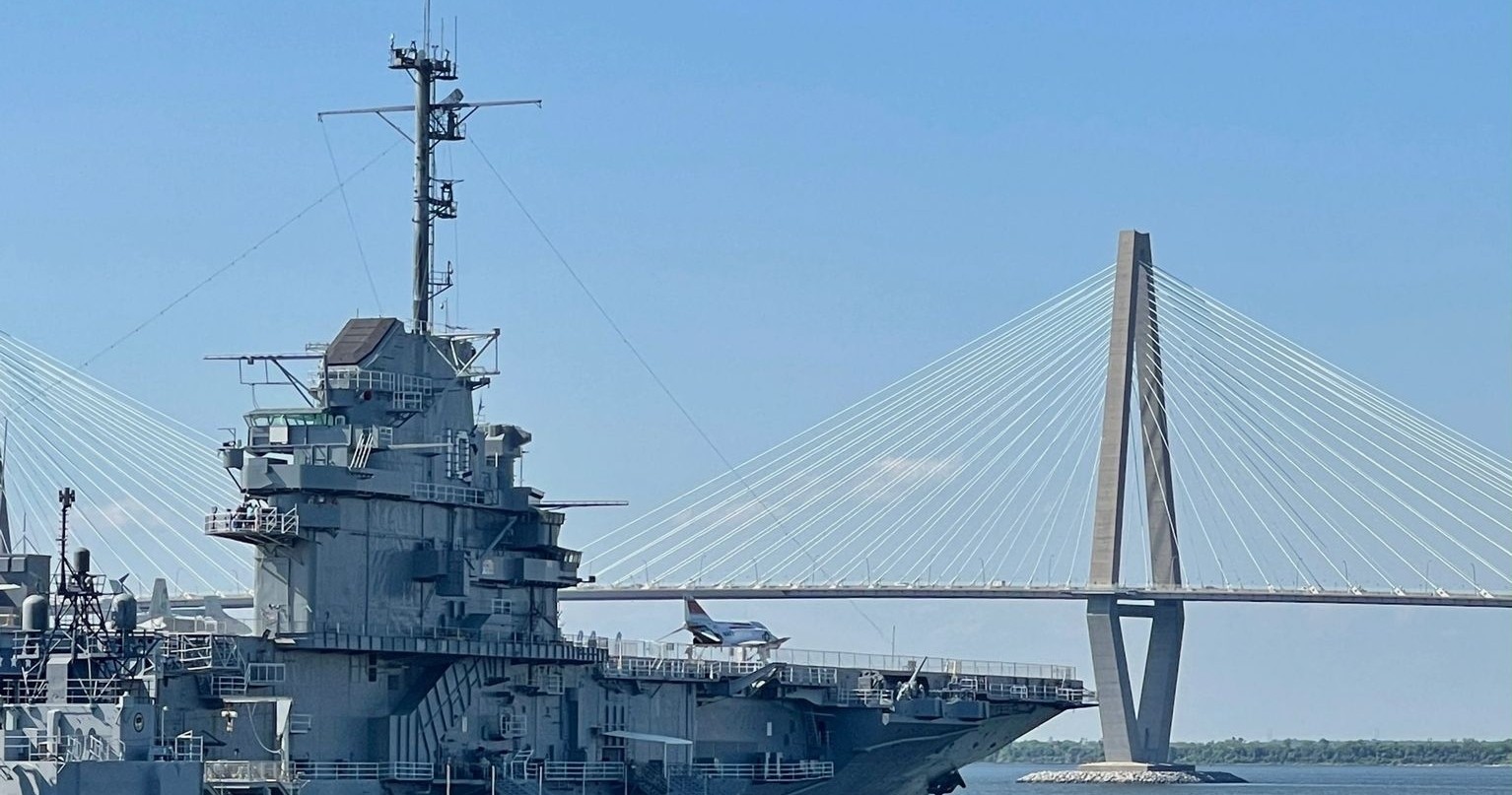 15
15Photography Tour
Kiawah Island compresses a dozen distinct coastal motifs into a single, photographable island: glassy tidal creeks, blue Atlantic surf, sprawling marsh geometry, and the intimate textures of maritime oak groves. Photography tours here move with the tides and the light—sunrise over the eastern beaches, golden-hour reflections in the salt marsh, and long shadows in the maritime forest. Whether you want shorebird telephoto sessions, abstract marshland compositions, or gentle landscape work framed by dunes and sea oats, Kiawah's accessible networks of boardwalks and beaches make it an efficient, low-stress place to focus on making images.
Explore photography tour →The city and the sea
Why Kiawah Belongs on Your Coastal-Adventure Shortlist
Variety without surrendering the day to long transfers.
Kiawah Island reads like a primer on lowcountry nature: broad, shell‑strewn beaches stretch beside a lattice of creeks and marshes where wading birds quarter the flats and dolphins work the tidal edges. The island’s tempo skews toward the early morning—when glassy channels and incoming tides make perfect conditions for kayak and SUP missions, when boat tours slip between oyster bars and shorebird roosts, and when a photography tour can catch the meeting of pastel light and reflective water. There’s a practical ease to exploring here: many prime experiences—short eco tours, guided dolphin watches, and shoreline strolls—are low‑impact and accessible by foot or short boat ride, while more involved outings like offshore fishing, sailing, or private boat rentals open the island’s wider estuary and ocean approaches. Culturally, Kiawah is a study in coastal stewardship. Eco tours and wildlife‑focused trips emphasize salt‑marsh ecology and the seasonal rhythms of migratory birds, the habits of bottlenose dolphins, and the nesting cycles of sea turtles. That education makes outdoor time feel purposeful—every boat tour or guided kayak doubles as a primer in how tides, storms, and human use shape the landscape. For planners, that means packing around tides and light: morning windows often deliver the calmest water for kayaking or SUP, while late afternoon slants of sun reward photographers and shoreline walkers. Practicalities matter here—bring reef‑safe sunscreen, a lightweight shell for on‑water wind, and a waterproof case for cameras—and local outfitters and boat rentals simplify logistics, from gear to launch points. Adventure on Kiawah scales to fit your appetite. Start with a sightseeing tour or a gentle walking tour along the dunes for immediate returns, then layer in a guided scuba or fishing charter if you want deeper ocean time. For families, shallow estuary kayaking and beachcombing create safe, memorable half‑days. For committed outdoorspeople, full‑day boat rentals, salt‑marsh eco tours, and photography workshops provide more technical skill and novel vantage points. Ultimately, Kiawah rewards a measured approach—pair a sunrise paddle with a midday wildlife walk and an evening boat tour, and you’ll have a day that feels complete without ever leaving the island’s shoreline.
Access is straightforward: the island’s road network and several public beach access points get you to sand and marsh quickly, while local outfitters handle boat rentals, guided kayak and SUP trips, and fishing charters. Many operators run short, interpretive eco tours that are ideal for families and photographers; longer excursions take you into the tidal rivers or offshore for deeper fishing and sailing.
Kiawah’s name is synonymous with lowcountry calm—expect long stretches of solitude in shoulder seasons and concentrated summer visitation at main beach access points. Plan around tides for paddling and photography, reserve guided outings in advance during summer months, and favor calm mornings for the best wildlife viewing.
Conditions shape the day
The best time to visit Kiawah Island.
Spring and fall bring comfortable air temperatures, lower humidity, and steady migratory bird movement—ideal for paddling and photography. Summer offers long beach days and warm water for swimming but also higher humidity and afternoon storms; winter is mild, quieter, and good for low‑angle light and brisk walks.
Best all-around window
Spring + fall
Comfortable mixed-itinerary weather, thinner crowds at beaches and lookouts, and more room to improvise.
Beach season
Summer months draw the largest beach crowds and highest demand for guided tours and boat rentals—reserve rentals and charters in advance.
Surf + whales
Shoulder seasons (spring and fall) deliver calmer creeks, migratory bird activity, and fewer crowds.
Coast to inland
Cool marine mornings often give way to warmer inland afternoons and breezy evenings.
Beginner
Short, guided paddles in protected creeks, easy boat tours, and relaxed beach walks that require minimal gear or skills.
- Guided kayak in tidal creeks
- Short boat tour for dolphin and wildlife watching
- Beachcombing and leisurely walking tours
Intermediate
Longer open‑water paddles and half‑day charters that demand basic navigation, tide awareness, and comfortable handling of changing wind and current.
- SUP across estuary channels
- Half‑day fishing trip from a charter
- Photography tour during golden hour along the marsh edge
Advanced
Full‑day boat rentals, sailing in coastal conditions, and guided offshore fishing that require experience with weather forecasts, tidal planning, and open‑water safety.
- Private boat rental for extended estuary exploration
- Sailing trips outside the inlet
- Offshore fishing charter
Field kit
What to bring.
Pack for sun, salt water, walking, and a meaningful temperature swing between coast and inland Kiawah.
Essential
Start here
- Reef‑safe sunscreen and sun protection (hat, sunglasses)
- Light wind layer or packable shell for on‑water chills
- Waterproof phone/camera case and quick‑dry towel
- Hydration and snacks for half‑day outings
- Footwear suitable for shelling and wet sand
Water days
Keep it dry
- Binoculars for birding and dolphin spotting
- Dry bag for electronics when kayaking or on boat tours
- Insect repellent for marshside walks around dusk
- Small first‑aid kit and blister prevention items
Long days
Stay flexible
- Underwater camera or action cam with float strap
- Collapsible beach chair or low shelter for long shoreline sessions
- Portable charger for phones during long photo outings
Insider note
Start early, then keep the geography tight.
Start early—mornings often deliver the calmest water and best light for photography. For paddling, plan put‑ins around mid‑tide windows to avoid long carries and to maximize navigable channels. Book boat rentals and guided dolphin or fishing tours well in advance during summer. Favor reef‑safe sunscreen and pack insect repellent for dusk marsh walks. When photographing wildlife, move slowly, keep distance, and use guides who prioritize animal welfare.
Good to know
Frequently asked questions.
Can I rent kayaks, SUPs, or boats on the island?
Yes—local outfitters offer kayak and SUP rentals, guided paddles, and boat rentals or charters. Reservations are recommended in summer and on holiday weekends.
Where are the best places for dolphin watching and wildlife viewing?
Dolphins are commonly seen along tidal creek mouths and inshore channels; guided boat tours increase sightings and provide context about marsh ecology and local wildlife behavior.
Do I need a guide for fishing or sailing?
Guides and charters are recommended for offshore fishing and for those unfamiliar with local tidal patterns and navigation. Inshore fishing and calmer water activities can be done independently if you have experience and appropriate gear.
Ready when you are
Find the trip that fits your Kiawah Island day.
Compare bookable experiences across the coast, city, and mountains—then save the ones that belong in your plan.
Explore all Kiawah Island adventures ↗