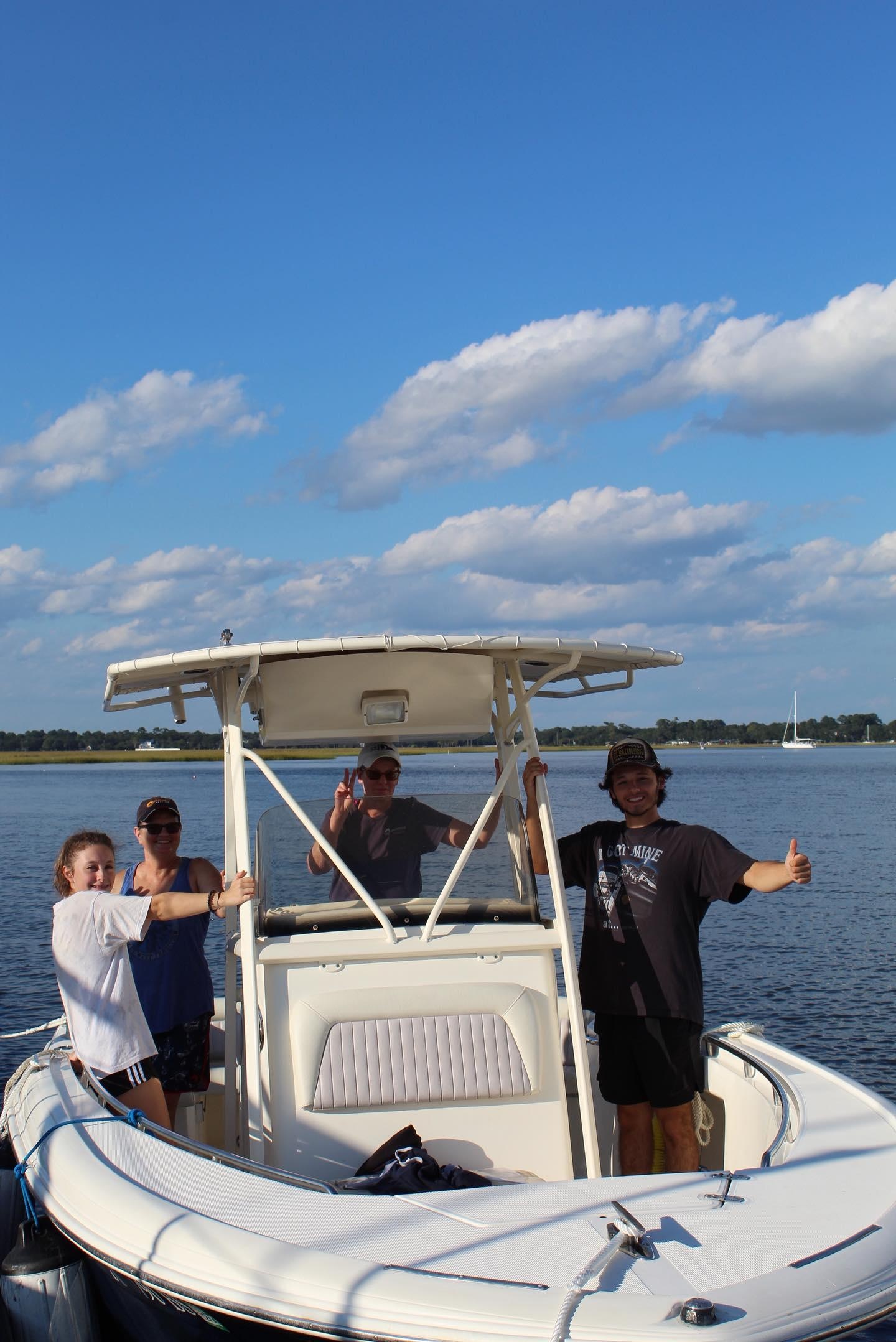
Sailing Kiawah Island, South Carolina: Tides, Marshes, and Atlantic Crossings
Kiawah Island is a sailing playground where wide tidal rivers give way to open Atlantic rolling seas, and where lowcountry marshes shape every tack. Whether you’re learning to trim sails in calm estuaries or chasing a brisk sea breeze offshore, Kiawah’s reefs, inlets, and winding creeks reward curiosity—with easy access to sheltered day-sail routes, island-hopping, and coastal passages toward Charleston.
Top Sailing Trips in Kiawah Island
28 trips • Book with confidence • Instant confirmation
Why Kiawah Island Is a Sailing Destination Worth Planning For
Sailing around Kiawah is an exercise in contrasts. On the lee side of the island, river bends and tidal marshes offer the kind of soft-water sailing that teaches you to read tide lines and pick your way through narrow channels. Head seaward and the Atlantic opens to steady oceanic winds, shoals and shifting sandbars, and a horizon that quickly reminds you how tidal rhythm governs the Lowcountry. These same tides refill oyster beds, carve new creek mouths each season, and create currents that can be both an ally and a hazard depending on your timing.
The experience is shaped as much by culture and landscape as by wind. Kiawah sits within the broader Charleston maritime region: a place where centuries of seafaring, shrimping, and coastal trade have left an imprint on charts and local knowledge. The island’s beaches and salt marshes are not just scenic backdrops; they are active, dynamic systems that affect depths and channels hourly. Local skippers learn to read the color of the water, spot the subtle breaks that mark a sandbar, and plan crossings around tidal windows. That kind of observational seamanship is part of the appeal here—sailing becomes a conversation with the environment rather than a simple point-to-point transit.
For visiting sailors, Kiawah offers a wide spectrum of outings. Beginner-friendly charters and sheltered estuary sails provide calm introductions: slow tacks amid birdsong, easy anchoring in quiet coves, and sunset cruises that require little technical skill. For intermediate sailors, day passages between Kiawah and Seabrook Island or longer loops that brush the edges of Charleston Harbor introduce navigational thinking—plotting around shoals, timing inlets, and using VHF checkpoints. Advanced sailors will find challenging coastal legs, tidal gates to time, and offshore weather systems to respect: the Atlantic here can turn quickly, and the reward for good planning is reaching windward beaches, remote sandbars, and near-empty anchorages.
This guide aims to help you imagine those trips and plan them: from when winds are most reliable, to packing smart for salt, sun, and tide; from reading simple tide tables to choosing the right charter or skipper. Sailing Kiawah is not about a single perfect route but about understanding a place that changes with every tide—and learning to move with it.
The variety is the draw: sheltered estuary sails for learners, afternoon sea breezes for day-sailors, and coastal passages that connect to Charleston for those who want to extend their trip.
Tidal knowledge is essential. Many appealing anchorages are shallow at low tide; planning around high-water windows makes the difference between a smooth afternoon and an awkward grounding.
Kiawah’s natural systems reward quiet exploration—birding, oyster flats at low tide, and marsh ecology are part of the sailing experience—so pack a sense of curiosity and a willingness to slow down.
Best Time to Visit
Best Months
Weather Notes
Spring and early fall deliver the most comfortable temperatures and reliable sea breezes. Summers can be hot with afternoon thunderstorms; hurricane season runs June–November and occasionally affects planning. Winter offers cooler, quieter conditions but lighter winds and occasional fronts.
Peak Season
Late spring through summer (May–August) sees the most charters and higher visitation.
Off-Season Opportunities
Winter months provide solitude, lower charter rates, and calmer marinas—expect cooler temperatures and the need for warmer gear.
Frequently Asked Questions
Do I need a license or permit to sail around Kiawah?
For recreational sailing, no personal license is required to be a passenger. If you plan to skipper a chartered vessel, the charter company will define requirements—many require proof of experience for bareboat rentals or provide a skipper. Check local regulations for specific anchoring or beaching restrictions.
Are tides and currents strong around Kiawah?
Yes. The Lowcountry is highly tidal; currents and depth changes can be significant. Plan routes around high-water windows for shallow creeks and sandbars and consult tide tables before crossing inlets.
What type of sailing is best for beginners?
Beginner sailors should start with sheltered estuary sails or an introductory lesson/charter. These trips focus on basic sail handling, safety, and reading tide lines in calmer water.
Choose Your Experience Level
Beginner
Gentle, sheltered sailing in the Kiawah River and marsh creeks—short lessons, sunset cruises, and supervised charters focused on basics.
- Introductory estuary sailing lesson
- Sunset cruise around marsh islands
- Family-friendly protected-water charter
Intermediate
Day sails with moderate passages to nearby islands, route planning around tides, basic navigation in coastal waters, and short overnight anchorages.
- Day sail to Seabrook or Johns Island approaches
- Harbor loop with Charleston-bound day passage
- Tidal-creek exploration and beach anchoring at high tide
Advanced
Coastal passages that require tide gating, offshore weather planning, and advanced navigation—ideal for experienced crews or captained charters aiming for longer legs or overnight passages.
- Overnight coastal sail toward Charleston Harbor
- Offshore day-sail along barrier islands with tidal planning
- Advanced skippered charter focusing on navigation and heavy-weather handling
Insider Tips & Local Knowledge
Tides and local charts are your best friends—plan for high-water windows in shallow areas and always confirm beaching or anchoring rules with your charter operator.
Book popular charter slots and sunset sails in advance during peak season, and ask captains about local shoals and favored lunchtime coves. Time your inlet crossings near slack or favorable tidal states. If you’re new to tidal sailing, hire a local skipper for your first outing—they’ll teach you how to read the water, choose the best route, and point out hidden anchorages that don’t show on tourist maps. Support local operators and respect private shorelines—many of the Lowcountry’s best sights are adjacent to delicate marsh systems and protected habitats. Finally, leave no trace: stow trash, use reef-safe sunscreen, and avoid disturbing nesting birds on sandbars during breeding season.
What to Bring
Essential
- USCG-approved life jacket (PFD) — required on most vessels
- Non-marking, closed-heel deck shoes or boat shoes
- Wind- and water-resistant jacket (foul weather layer)
- Sun protection: hat with chin strap, polarized sunglasses, reef-safe sunscreen
- Waterproof phone case or dry bag and a charged portable battery
Recommended
- Light sailing gloves for lines and winches
- Light layers for variable offshore conditions (fleece or merino mid-layer)
- Personal motion-sickness remedy if you’re prone
- Paper chart of the local waters and a tide table or app
- Small first-aid kit and a multi-tool
Optional
- Binoculars for bird and shoreline spotting
- Underwater camera or action cam for shallow-water exploration
- Compact anchor line or stern anchor for beaching in tidal flats (confirm local rules)
- Drybag with a change of clothes for post-sail comfort
Ready for Your Sailing Adventure?
Browse 28 verified trips in Kiawah Island with instant booking
Explore Top 15 Kiawah Island, South Carolina Adventures →