
Kekaha adventure guide
Find your way into Kekaha.
On Kauai’s rugged west shore, Kekaha is a coastal hinge where trade-wind afternoons meet dramatic canyon sunsets. This guide stitches together the island’s strongest draw—the ocean—alongside the raw, green highlands of Waimea and Kokeʻe. Expect kayaking and catamaran sails in calm bays, surf and snorkeling along protected reefs, and sightlines that reward a short hike or scenic drive. Use this as a practical playbook: book boat tours and snorkeling charters early, check surf and whale-watch schedules in winter, and layer for wind even on bright, sun-drenched days.
Three ways into the city
Pick a landscape. Build a day around it.
Kekaha is less a single destination than a collection of neighboring worlds. Start with the version of the city that matches your pace, then use the ranked guide below to fill in the details.

Begin where the city meets the sea.
Surf breaks, sheltered harbors, whale routes, and long beach paths make the coast LA’s most immediate outdoor playground.
Explore water activities →
Let a local connect the landmarks.
Use a guided city, walking, or sightseeing tour to turn LA’s sprawl into a coherent story.
Explore boat tour →
Ride the coast and the city.
Beach paths, river corridors, e-bikes, and ridge climbs reveal a more connected Los Angeles.
Explore surf →Choose your way into Kekaha
The top 15 Kekaha adventures.
Ranked by the number of currently listed trips. Each panel opens the complete local activity collection.
1Water Activities
Wind-swept beaches, clear reef fringes, and a string of access points to some of Kauai’s wildest coastal water play make Kekaha a rare place where solitude and serious ocean conditions meet. This guide focuses on the water—snorkeling, surfing, paddling, boat trips, and shoreline exploration—framed by local currents, seasonal swings, and practical tips to plan a safe, memorable day on the water.
Explore water activities →2Boat Tour
Kekaha is a quiet West Kauai launching point where boat tours range from intimate glass-bottom snorkel trips to full-day coastal expeditions. From reef-studded snorkel sites off Kekaha’s shore to dramatic sea cliffs that rise into the Nā Pali, the water around Kekaha frames geological drama, abundant marine life, and a rare sense of remoteness. This guide focuses specifically on boat-based experiences that depart from or near Kekaha—snorkeling, sunset cruises, coastal sightseeing, and the limited-access journeys that skirt Niʻihau’s shores—so you can plan the right trip for skill level, sea conditions, and seasonal highlights.
Explore boat tour →3Surf
Kekaha's western shoreline is a study in contrasts: long, wind-swept beaches that can sit gentle and glassy in summer or erupt into heavy, hollow winter lines that only the confident pursue. This guide focuses on surfing in Kekaha — from safe longboard rides on mellow summer days to testing reef and shorebreaks when Pacific north swells arrive. Expect remote access, powerful currents, and a coastline that rewards preparation and respect.
Explore surf → 4
4Snorkel
Kekaha’s coastline offers a distinctly West Kauai snorkeling experience: windswept lava shelves, reef pockets that shelter vivid coral gardens, and offshore clarity that rewards early mornings and calm swells. This guide focuses on where and when to slip a mask in, how to choose between shore access and boat trips, and the practical safety and environmental considerations that make Kekaha both thrilling and fragile for snorkelers.
Explore snorkel → 5
5Scuba
Kekaha sits at the edge of Kauai’s wild west coast: a low-slung shoreline backed by sugar-field history and ocean swells that shape some of the islands’ most vivid underwater worlds. Scuba here ranges from easy reef drifts to adrenaline-tinged boat drops near pinnacles and lava escarpments. Expect clear water, abundant reef life, and strong ocean dynamics—this is dive country that rewards respect for currents, good planning, and locally guided expertise.
Explore scuba →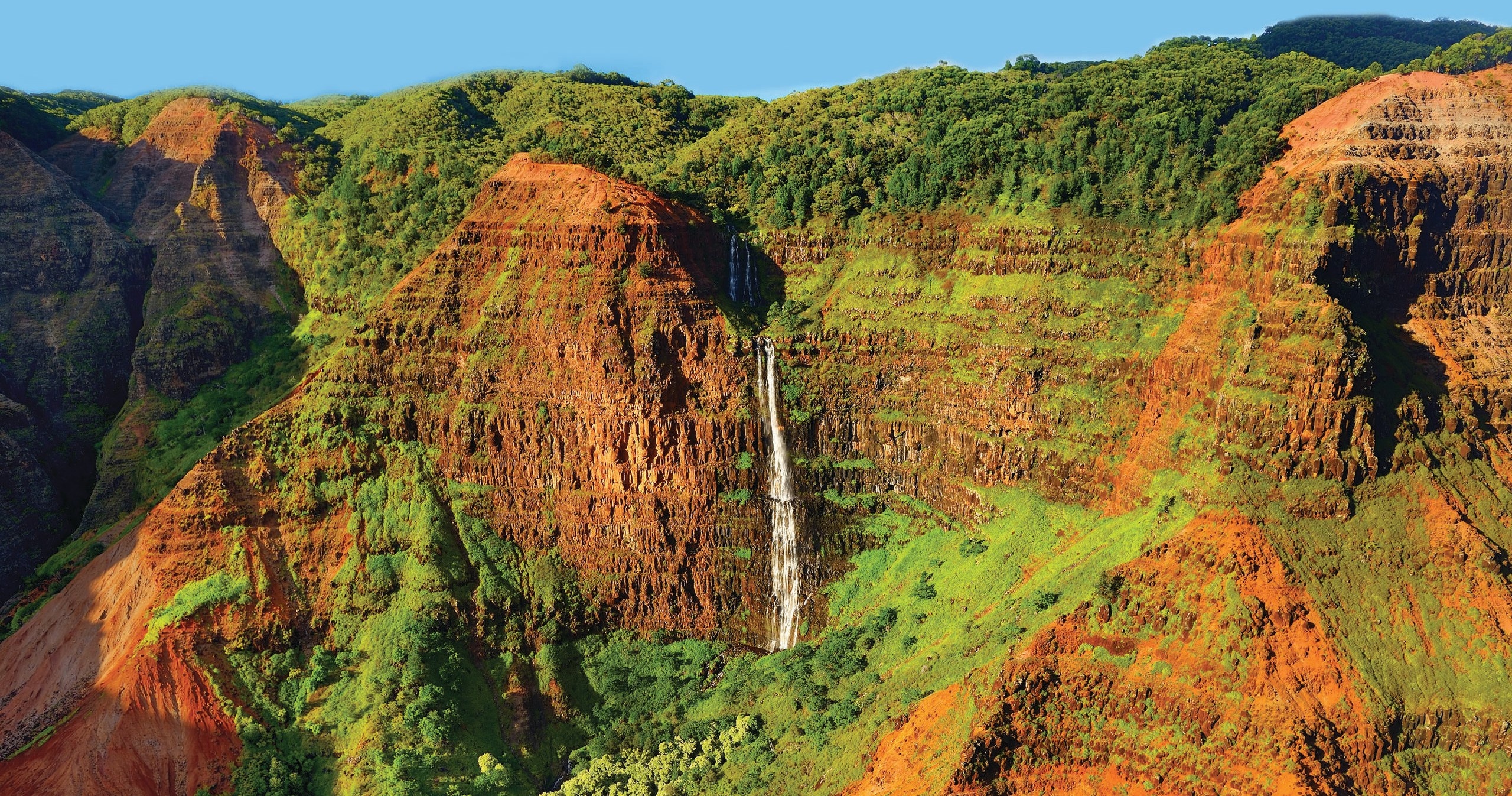 6
6Sightseeing Tour
Kekaha sits on Kauai’s rugged western edge where broad ocean horizons, sugar‑era history, and the shadow of Waimea Canyon create a compact but potent sightseeing playground. This guide focuses on curated ways to take in the landscape—coastal drives, cultural stops, sunset viewpoints, and small-boat or helicopter options that reveal the scale of Kauai’s cliffs and distant Niʻihau. Expect intimate, short tours that pair natural drama with local stories and practical planning notes that keep the day easy and memorable.
Explore sightseeing tour → 7
7Boat Rental
Kekaha is a pared-back gateway to some of Kauai’s most dramatic coastal water. Boat rentals here are about access — to open Pacific swell, to remote sandflats and sea caves, to offshore reefs alive with fish and coral, and to long, empty shorelines like Polihale that feel like the end of the world. Renting a boat from Kekaha is less about fancy marinas and more about reading the sea, timing tide and wind windows, and choosing the right craft for what you want: a slow day of snorkeling, a salt-stung afternoon of nearshore angling, or a coastal cruise beneath towering sea cliffs. This guide focuses on the practical decisions that turn a good day on the water into a safe, memorable one: craft types and suitability, prevailing conditions, launch logistics, seasonality, and complementary activities that make the whole trip richer.
Explore boat rental → 8
8Hiking
On Kauai’s leeward southwest flank, Kekaha is where arid coastal plains meet dramatic canyon country. Hiking here translates to a compact menu of contrasts: windswept beach walks along broad sand and dunes, short coastal bluffs with Pacific exposure, and a surprisingly quick drive inland to the red rock ridges and high-elevation trails of Waimea Canyon and Kokeʻe State Park. This guide focuses on hiking experiences anchored in Kekaha—shoreline ambles, dune approaches to Polihale, and gateway access to canyon rim traverses—plus planning notes for weather, terrain, and logistics that keep trips smooth and safe.
Explore hiking → 9
9Catamaran
Kekaha’s weathered cliffs and long western shoreline make it a quietly dramatic launching point for catamaran exploration around Kauai. From glass-flat mornings that stretch to the Na Pali sea cliffs to windward afternoons that test a sailor’s mettle, catamaran trips here marry relaxed cruising with access to remote snorkeling coves, wildlife viewing, and laid-back local harbors. These 10 trips range from short snorkeling sails and sunset cruises to full-day explorations that pair sailing with guided snorkeling, coastal hikes, and cultural storytelling.
Explore catamaran → 10
10Walking Tour
Kekaha is a compact, wind-edged pocket of Kauai where shoreline walking tours double as cultural lessons and wildlife observation. From low-slung salt ponds dotted with brine ponds and migratory birds to broad sandy beaches that open onto dramatic sea cliffs, Kekaha’s walking experiences are intimate, elemental, and often uncrowded. These tours emphasize place—sugar-era ruins, native coastal flora, reef-edge vantage points and local stories—making each stroll a slow, place-based encounter rather than a checklist hike.
Explore walking tour → 11
11Whale Watch
Kekaha sits on Kauai’s wide, wind-sculpted west shore, a place where the Pacific opens into long lines of swell and humpback whales stage their dramatic winter migrations. This guide focuses on whale-watching options out of Kekaha — from short shore vigils and guided boat trips that skirt the island’s ragged coastline to kayak-assisted sighting trips and photography-focused cruises with sunset returns. Expect broad ocean vistas, the distant silhouette of Niihau, and some of Kauai’s best chances to see tail slaps, breaches, and maternal calf behavior in protected nearshore waters during season.
Explore whale watch → 12
12Air Activities
Perched on Kauai’s rugged west coast, Kekaha is a launchpad for air-based adventures that put the island’s dramatic geology into sharp, soaring relief. From low-and-slow scenic flights that peer into the vertiginous folds of Waimea Canyon to adrenaline-charged tandem skydives and paraglider launches above wind-carved dunes and remote beaches, air activities here deliver a perspective few places can match. This guide maps the types of flights available, practical timing and weather considerations, and what to pack so you can plan an efficient, unforgettable airborne day in Kekaha.
Explore air activities → 13
13Dolphin
Kekaha sits on Kauai’s western rim where wide Pacific swells meet shallow reefs and deep channels—an environment that draws playful dolphin pods close to shore. This guide focuses on dolphin-specific experiences around Kekaha: dawn boat rides to find bow-riding spinner dolphins, guided kayak approaches along protected coves, snorkel swims in clear reef flats, and naturalist-led cruises that pair marine ecology with local history. Expect early-morning calm, quick decisions based on sea state, and encounters that are best when approached with respect for wildlife and local regulations.
Explore dolphin → 14
14Eco Tour
Kekaha, on Kauai’s rugged west side, is a place where wind, salt, and sun have carved a landscape both stark and quietly abundant. Eco tours here are intimate encounters with coastal wetlands, native dry forests, cultural landscapes shaped by plantation-era irrigation, and offshore life that visits seasonally. Expect small-group guiding, interpretive walks through remnant habitats, kayak and boat-based forays to see marine life, and a thoughtful mix of natural history and cultural context that centers local stewardship.
Explore eco tour → 15
15Sailing
Kekaha sits where the leeward shores of Kauai stretch toward the open Pacific, offering a distinct sailing personality: wind-forward days, dramatic coastal cliffs, and quiet anchorages framed by lava rock and coconut palms. This guide focuses on sailing experiences—day catamaran trips, coastal cruises, and multi-day charters—that use Kekaha as a launch point for short hops, reef snorkeling, and low-traffic ocean runs.
Explore sailing →The city and the sea
Why Kekaha Deserves a Spot on Your Itinerary
Variety without surrendering the day to long transfers.
Kekaha is the kind of coastal town that reads like a promise: ocean-first, wind-sculpted, and quietly proximate to some of Kauai’s most cinematic terrain. Mornings are for water—snorkel the reefs, join a boat tour for dolphin and whale encounters, or chase glassy surf sets when conditions align. Afternoons drift inland; Waimea Canyon and Kokeʻe unfold a contrasting palette of steep ridgelines, ferned trails, and panoramic overlooks that feel a world away from the shoreline. What binds the two is a strong sense of access. Local outfitters make launches simple—boat rentals, catamaran sails, and guided eco tours shorten the learning curve—so you can trade logistics for time on the water. For travelers who prize variety, Kekaha’s top activities span the gamut: boat tours and sailing for relaxed vistas, snorkeling and scuba to explore reefs, whale watching and dolphin encounters in season, and accessible hikes that deliver sweeping views without committing to a full-day expedition. Thoughtful planning turns a short stay into a layered trip: a sunrise walk, a midday snorkeling float, and an evening drive up to a canyon lookout for sunset.
Kekaha punches above its size because it’s a basecamp for contrast. The west coast’s sunsets are legendary, but they arrive after a day of bright ocean activity—stand-up paddling in a sheltered bay, a half-day catamaran cruise, or a guided scuba dive. Outfitters here cater to a range of experience levels, which makes it straightforward to pair a family-friendly snorkeling morning with a more technical afternoon outing for experienced divers or surfers.
Cultural and conservation-minded travelers will also find resonance here: eco tours and sightseeings often threaded with local history and natural science, and charter captains who point out seasonal whale routes, seabird colonies, and reef-health considerations. Respect for the reef and shoreline etiquette—reef-safe sunscreen, careful anchoring, and keeping a respectful distance from marine life—makes for better experiences for everyone and keeps these places productive for years to come.
Conditions shape the day
The best time to visit Kekaha.
Kekaha has a tropical, ocean-moderated climate. Trade winds bring steady breezes—pleasant for sailing but influential on surf and shoreline conditions. The wet season (roughly November–March) shifts rain inland, especially in Waimea Canyon and Kokeʻe, while winter swell can produce large surf along exposed points. Summer months tend to be drier and calmer in many nearshore spots.
Best all-around window
Spring + fall
Comfortable mixed-itinerary weather, thinner crowds at beaches and lookouts, and more room to improvise.
Beach season
December–March (holiday travel and whale-watching season); expect higher demand for boat tours and guided outings.
Surf + whales
Spring and fall offer fewer crowds, softer prices, and often calmer water—ideal for snorkeling, diving, and affordable charter options.
Coast to inland
Cool marine mornings often give way to warmer inland afternoons and breezy evenings.
Beginner
Short shoreline swims, protected bay snorkeling, walking tours, and easy coastal strolls that require minimal gear or local knowledge.
- Gentle snorkeling in sheltered reef coves
- Walking the beach and coastal viewpoints
- Introductory catamaran or sightseeing boat tours
Intermediate
Day trips combining boat time with short hikes, guided SUP sessions in moderate wind, and longer snorkeling or reef exploration requiring comfort in currents.
- Half-day boat or catamaran charters with snorkeling stops
- Moderate hikes along canyon rim viewpoints
- Guided dolphin encounters and eco tours
Advanced
Blue-water sailing, advanced surf sessions on exposed breaks, technical scuba in deeper reef zones, and long cross-coast hikes requiring solid planning and local knowledge.
- Open-ocean sailing or multi-stop dive charters
- Surfing exposed west-side breaks in appropriate conditions
- Extended ridge hikes in Kokeʻe requiring route planning
Field kit
What to bring.
Pack for sun, salt water, walking, and a meaningful temperature swing between coast and inland Kekaha.
Essential
Start here
- Reef-safe sunscreen and sun protection (hat, sunglasses)
- Light wind shell — trade winds can pick up any time
- Sturdy water shoes or reef booties for rocky shore entries
- Dry bag for phone, keys, and layered clothing
- Reusable water bottle and reef-friendly toiletries
Water days
Keep it dry
- Mask, snorkel, and fins (rentals available but bring what fits best)
- Compact binoculars for whale and dolphin spotting
- Quick-dry travel towel and swim cover for post-water comfort
- Light daypack for hikes and cliffside viewpoints
Long days
Stay flexible
- Action camera with floatation tether
- Tide chart or local surf report app
- Guidebook or notes on local cultural sites and place names
Insider note
Start early, then keep the geography tight.
Start early to beat afternoon winds and secure a morning window for calm snorkeling or catamaran sails. Use reef-safe sunscreen and avoid stepping on coral—local guides will appreciate conscientious visitors. For whale watching and dolphin encounters, choose responsible operators who prioritize distance and non-intrusive viewing. If you plan to visit remote beaches or canyon trailheads, verify road and weather conditions; some access routes become rough or restricted after heavy rain. Finally, balance your water days with an inland afternoon—Waimea Canyon’s overlooks are best in the softer light of late afternoon.
Good to know
Frequently asked questions.
Can I do most coastal activities without a guide?
Yes for many shore snorkeling and beach days, but guided outings are recommended for scuba, open-ocean boat tours, and unfamiliar surf. Local captains and guides know current reef conditions, wildlife windows, and the safest launch points.
When is whale-watching season?
Humpback whales pass near Kauai primarily between December and April. Booking a dedicated whale-watch charter or a combined boat tour during that window increases your chances of seeing active animals.
Are there access or vehicle restrictions to nearby beaches like Polihale?
Some remote beaches have limited or rough access; confirm road conditions and local advisories before attempting remote approaches. If a 4WD is recommended, consider a guided transfer instead of risking the terrain.
Ready when you are
Find the trip that fits your Kekaha day.
Compare bookable experiences across the coast, city, and mountains—then save the ones that belong in your plan.
Explore all Kekaha adventures ↗