Top 12 Hiking Adventures in Kekaha, Hawaii

Kekaha, Hawaii

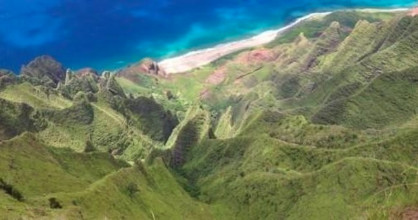
On Kauai’s leeward southwest flank, Kekaha is where arid coastal plains meet dramatic canyon country. Hiking here translates to a compact menu of contrasts: windswept beach walks along broad sand and dunes, short coastal bluffs with Pacific exposure, and a surprisingly quick drive inland to the red rock ridges and high-elevation trails of Waimea Canyon and Kokeʻe State Park. This guide focuses on hiking experiences anchored in Kekaha—shoreline ambles, dune approaches to Polihale, and gateway access to canyon rim traverses—plus planning notes for weather, terrain, and logistics that keep trips smooth and safe.

12
Activities
Year-Round (wetter Nov–Mar)
Best Months

Top Hiking Trips in Kekaha

12 trips • Book with confidence • Instant confirmation

Why Kekaha Is a Standout Hiking Destination

Kekaha insists on a different rhythm. Where much of Kauai is defined by dense jungle and the vertical drama of the Na Pali cliffs, Kekaha’s character is leeward and elemental: open sky, broad sand, and a wind that sculpts the dunes and the edges of the land. Walking here places you on the seam between two geological stories—the volcanic uplifts that formed Waimea Canyon’s rust-hued amphitheaters and the coastal processes that build and reshape the shore. Hikes are often short on vertical ascent but long on exposure to wind, light, and the Pacific’s infinite horizon.

From a practical perspective that makes Kekaha an exceptional base for hikers who want variety without long transfers. A morning can be spent on a shoreline route—tracking coastal birds, inspecting tide pools, or navigating sand and rock bars—while an afternoon drive inland climbs quickly into the cooler, forested rim trails of Waimea Canyon and Kokeʻe. Those high trails swap salt and sun for pine-scented air, panoramic overlooks, and a very different underfoot: red dirt, rocky switchbacks, and, at higher elevations, saturated soils after winter rains.

The hiking mix here is as much about conditions as it is about scenery. South-western Kauai is drier than the island’s windward side, which translates to more reliable coastal hiking during shoulder months. Still, the winter trade-off is heavier rain inland and flashier creek crossings on the way to canyon trailheads. The reward is dramatic: layered canyon walls, distant ocean views, and—on clear days—the Na Pali ridgeline seen from unusual angles. For travelers, Kekaha is appealing because it compresses these contrasts into short drives and manageable hikes, making it ideal for day-trippers, families, and photographers who want a big island feel without committing to multi-day treks.

Culturally and ecologically, hikes around Kekaha are a study in Hawaiian coastal and canyon ecosystems. Native plants that persist in leeward conditions share space with introduced grasses on the plains; shorebirds feed along intertidal flats while the canyon supports a mosaic of native forest and bog in higher pockets. Respect for cultural sites and seasonal closures is essential—many landscape features are notable for their historical use by Native Hawaiian communities—and conservation-minded hiking helps preserve the fragile coastal and mauka (upland) environments. In short: Kekaha offers accessible, scenic hiking with a practical edge—routes that reward curiosity and preparation in equal measure.

The compressed geography is the draw: you can pair a sandy Polihale dune walk with a late-afternoon rim hike at Waimea Canyon on the same day, provided you plan around road conditions and daylight.

Seasonality matters: summer and shoulder months deliver drier trail conditions along the coast, while winter brings more rain inland and larger surf that can affect beach access.

Trails range from flat shorelines and dune crossings to moderate canyon rim routes; while not alpine, some hikes demand respect for exposure, sudden weather shifts, and rough access roads to trailheads.

Activity focus: Hiking—coastal walks, dune approaches, canyon rim trails
Total matching adventures in the area: 12
Short drives connect seaside terrain with Waimea Canyon and Kokeʻe higher country
Winter rains (Nov–Mar) make inland trails muddy and increase creek flows
Polihale and remote beaches can be exposed to strong surf and wind

Best Time to Visit

Best Months

AprilMaySeptemberOctober

Weather Notes

Kekaha and the leeward side of Kauai are generally drier than the windward slopes, making spring and fall comfortable for exposed coastal and canyon rim hikes. Winter months (Nov–Mar) bring heavier rains inland and larger surf; summer can be hot and sunny with brief afternoon showers. Always monitor surf forecasts for coastal routes and check local road conditions when driving to remote trailheads.

Peak Season

Holidays and summer months bring the most visitors; winter holidays see spikes in town and state-park visitation.

Off-Season Opportunities

Shoulder seasons (spring and fall) often provide the best balance of lower crowds and stable weather. Winter offers migratory whale watching offshore but also muddier inland trails—ideal for visitors seeking solitude who are prepared for wet conditions.

Frequently Asked Questions

Do I need permits for most hikes?

Most day hikes in the Kekaha area do not require permits, but specific state parks or backcountry camping areas may have permits or parking requirements. Check current rules for Polihale and Waimea Canyon/Kokeʻe before you go.

Is Polihale accessible for all vehicles?

Access to Polihale can be over sandy or rough roads; conditions vary seasonally. If you plan to drive to remote trailheads or beaches, verify current road conditions and consider a higher-clearance vehicle if advised locally.

Are coastal hikes safe during high surf?

Coastal routes can become hazardous during high surf and strong rip currents. Stay above the high-tide line on exposed cliffs, avoid slippery rocks, and heed local signage and life-guard advisories where present.

Choose Your Experience Level

Beginner

Short, low-angle walks along beaches, coastal bluffs, and easy canyon overlooks that require minimal navigation and little elevation change.

  • Kekaha Beach Park shoreline loop
  • Polihale short dune approaches (away from surf)
  • Short Waimea Canyon overlook walks

Intermediate

Moderate hikes with varied footing, some sustained elevation gain, and sections exposed to wind or sun. Good conditioning and basic navigation skills help.

  • Kokeʻe rim trails and Pihea overlook routes
  • Longer Polihale shoreline-to-dune walks (tide- and surf-aware)
  • Half-day canyon rim traverses with mixed terrain

Advanced

All-day routes or technical canyon approaches that require route-finding, preparation for sudden weather shifts, and experience with exposed terrain and remote logistics.

  • Extended Waimea Canyon back-and-forth traverses linking multiple ridgelines
  • Multi-environment routes combining coastal approach and inland canyon summits
  • Remote beach-to-ridge adventures requiring careful planning and timing

Insider Tips & Local Knowledge

Confirm trail and road access, surf advisories, and park notices before heading out.

Start hikes early to avoid the strongest winds and midday sun along the coast, and to give yourself buffer time for slower-than-expected footing on dunes or muddy canyon sections. Fuel up with water and salty snacks—there are limited services near remote trailheads. If you pair a Polihale or beach walk with a Waimea Canyon trail, factor in cooler temperatures and potential rain inland; pack an insulating layer. Respect cultural sites and posted closures—some coastal and upland areas have sensitive cultural resources or ongoing restoration projects. Finally, leave no trace: the leeward ecosystems are fragile, and small actions go a long way toward protecting birds, shoreline reefs, and native plants.

What to Bring

Essential

  • 1–2 liters of water per person (more for exposed coastal hikes)
  • Sturdy trail shoes with good grip (sandals not recommended for long routes)
  • Sun protection: wide-brim hat, sunglasses, reef-safe sunscreen
  • Light rain shell and an insulated layer for higher elevations
  • Navigation: offline map or GPS track and a charged phone

Recommended

  • Trekking poles for long dune walks or steep canyon descents
  • Quick-dry clothing and gaiters for sandy or muddy sections
  • Basic first-aid kit and blister supplies
  • Waterproof bag or dry sack for ocean spray or sudden storms

Optional

  • Binoculars for seabird and marine-watching
  • Camera with polarizing filter for dramatic shoreline light
  • Microspikes or traction slips if hiking higher elevations in wet winter conditions

Ready for Your Hiking Adventure?

Browse 12 verified trips in Kekaha with instant booking

Explore Top 15 Kekaha, Hawaii Adventures →