
Keʻanae adventure guide
Find your way into Keʻanae.
Tucked along Maui's famously cinematic Hāna Highway, Keʻanae feels like an island pause—a skinny peninsula of black pebble shore, green taro loʻi, and wind-sculpted waves. This guide stitches together short, sensory trips you can actually do in a day: shoreline snorkeling when the sea is calm, surf checks off the point if conditions allow, and wandering the village for a taste of traditional Hawaiian agriculture. Use this as a practical map for water activities, kayak and SUP options, eco and photography tours, and a few hikes that pair well with a long, contemplative stop under the trade winds.
Three ways into the city
Pick a landscape. Build a day around it.
Keʻanae is less a single destination than a collection of neighboring worlds. Start with the version of the city that matches your pace, then use the ranked guide below to fill in the details.

Begin where the city meets the sea.
Surf breaks, sheltered harbors, whale routes, and long beach paths make the coast LA’s most immediate outdoor playground.
Explore water activities →
Let a local connect the landmarks.
Use a guided city, walking, or sightseeing tour to turn LA’s sprawl into a coherent story.
Explore boat tour →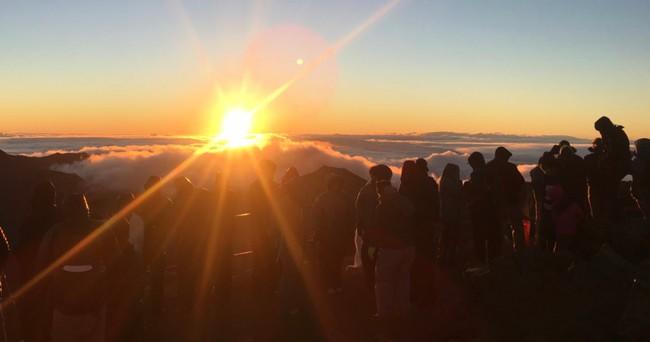
Ride the coast and the city.
Beach paths, river corridors, e-bikes, and ridge climbs reveal a more connected Los Angeles.
Explore bike tour →Choose your way into Keʻanae
The top 15 Keʻanae adventures.
Ranked by the number of currently listed trips. Each panel opens the complete local activity collection.
1Water Activities
Keʻanae sits like a stubborn thumb of black lava and wind-shaped shoreline on Maui’s eastern edge. The village itself is small and still—an intimate threshold between the cultivated taro patches and a surf-battered coast that offers an urgent, elemental relationship with the ocean. Water activities here are not about manicured beaches; they're about tidal theater, reef-edge exploration, and an unvarnished coastal mood whose access and safety depend on tides, swell, and local knowledge. Expect tidepools, dramatic shorebreak, seasonal whale watching offshore, and nearby sheltered coves better accessed from Hana. For travelers seeking shoreline snorkeling, guided excursions or calmer bays near Hana and Waianapanapa are practical complements to the raw coastal encounters at Keʻanae.
Explore water activities →2Boat Tour
Perched where the road gives way to basalt and taro patches, Keʻanae is less a town than a threshold—an intimate, wind-scoured edge between land and the open Pacific. Boat tours launched from or near Keʻanae offer something rare: close, small-scale encounters with a dramatic coastline that’s otherwise viewed from the Hāna Highway. Expect basalt sea cliffs, blowholes, nearshore reefs, and seasonal whale highways, all delivered from the stability of a guided vessel. These tours range from calm coastal cruises and snorkeling runs to zodiac excursions that hug the shoreline; each emphasizes marine stewardship and local history as much as scenic spectacle.
Explore boat tour → 3
3Snorkel
Perched along the storied Hana Highway, Keʻanae is less about long sandy beaches and more about raw, rocky shoreline where reef, tide pool and surf converge. For snorkelers seeking intimate marine encounters—surge channels, shallow fringing reef patches and abundant tide pools—Keʻanae offers a distinct East Maui flavor: dramatic lava rock, sudden drops to reef, and clear windows of calm water when the trade winds and swell align. This guide focuses on making smart decisions about where and when to suit up, how to read the shoreline, and how to pair a snorkeling outing with nearby coastal hikes, cultural stops, and smooth-water boat options when conditions are rough.
Explore snorkel → 4
4Surf
Keʻanae's coastline is compact but uncompromising: a seam of black rock and reef where trade winds meet open Pacific swell. This guide zeroes in on surfing around Keʻanae—what the break feels like, when to go, how to read the reef and the swells, and how to do it respectfully and safely in one of East Maui's more rugged, remote surf landscapes.
Explore surf → 5
5Sightseeing Tour
Keʻanae is less a place than a pause—a terse, windswept finger of coastline on Maui's legendary Hana Highway where sea, lava, and generations of cultivation meet. Sightseeing tours here are intimate: short drives between roadside overlooks, guided cultural stops at taro loʻi and the old stone church, and dramatic views of surf-driven cliffs. This guide focuses on how to experience Keʻanae’s concentrated coastal drama—by foot, by car, and with local guides who translate landscape into history.
Explore sightseeing tour → 6
6Whale Watch
On the wind-bent coastline of Keʻanae, the Pacific announces itself in low, rolling breaths: whale spouts, tail slaps, and the long, graceful arcs of humpbacks migrating through warm Hawaiian waters. This guide focuses on whale-watching from and near Keʻanae—how to tune into the migration, where to watch from shore, how to choose a boat experience from nearby harbors, and how to combine cetacean encounters with the classic East Maui itineraries like the Road to Hāna and hidden coastal lookouts.
Explore whale watch → 7
7Scuba
Keʻanae sits at the jagged eastern edge of Maui, where basalt fingers step into the Pacific and the old taro terraces whisper of a different rhythm. For scuba divers the area is a study in contrast: accessible shore entries skirted by volcanic outcrops, reef pockets that collect marine life, and ocean conditions that swing from glassy to bracing on the turn of a swell. This guide focuses on scuba diving around Keʻanae—how to approach shore dives here, what marine habitats you’re likely to encounter, and the practical planning you’ll want before slipping beneath the surface along the Hana coast.
Explore scuba → 8
8Hiking
Keʻanae sits like a green thumb on the windward flank of Maui—an old taro-lover’s peninsula punctuated by basalt cliffs, a living arboretum, and a shoreline that argues with the surf. Hiking here is intimate and elemental: short coastal scrambles across lava, rainforest gullies that drain toward the ocean, and a web of roadside footpaths that connect roadside waterfalls, farm lanes, and emerald valleys. This guide focuses on hiking experiences that use Keʻanae as a base—accessible walks for curious travelers, intermediate waterfall loops on the Road to Hana, and more serious coastal and ridge routes for experienced hillwalkers who come prepared for wet rock, sudden weather, and the quiet cultural landscape of East Maui.
Explore hiking → 9
9Eco Tour
Keʻanae is a narrow, basalt-sculpted finger of land on Maui’s windward coast where living Hawaiian traditions meet a raw coastal ecology. Eco tours here foreground taro agriculture, rocky tidepool systems, coastal birds, and a nearshore ocean shaped by strong currents and winter surf. These guided experiences are small, grounded, and ideal for travelers who want intimate nature storytelling—paired naturally with the Road to Hana and nearby waterfall hikes.
Explore eco tour →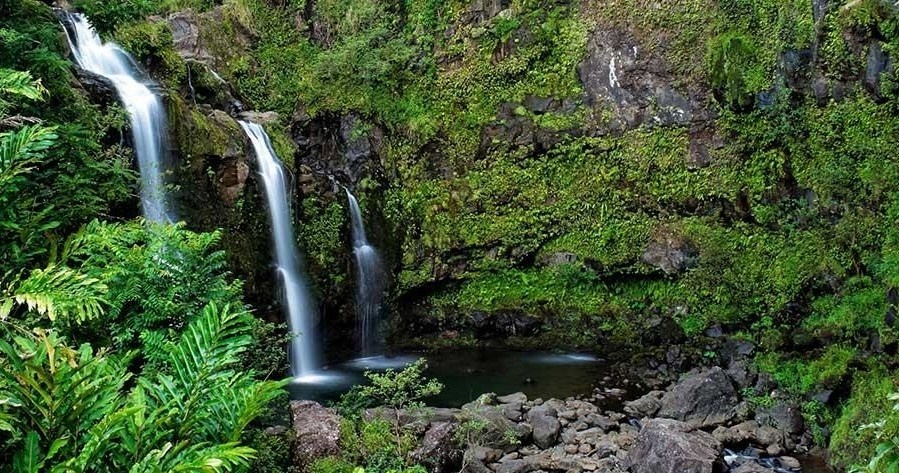 10
10Photography Tour
Keʻanae is a compact, uncompromising stretch of Maui where varnished basalt cliffs meet surf-smoothed shorelines and centuries-old taro loʻi trace the landscape like geometric lenses. For photographers a short drive from Hana, this peninsula offers high-contrast seascapes, intimate cultural scenes, and moody weather that reshapes light by the hour. Photography tours here focus on timing—tides, surf, and ephemeral cloud bands—while emphasizing respect for private farms and fragile coastal ecosystems. Expect hands-on composition coaching, local context, and a heavy dose of wet-rock caution.
Explore photography tour → 11
11Kayak
Keʻanae sits like a weathered bookmark along Maui’s Hāna Coast: a narrow peninsula of black lava, a scattering of taro loʻi, and a shoreline where the Pacific runs with raw intent. Kayaking here is elemental—close-in coastal paddles threaded around lava headlands, quick reef drops, and the chance to watch humpback whales pass farther offshore in season. The experience is not one of placid lagoons but of attentive, edge-of-land paddling: surf launches, tide-dependent access, and an intimate perspective on a rugged windward coastline shaped by waves, wind, and a long human history.
Explore kayak →Sailing
Keʻanae is a small, striking promontory on Maui’s wild Hāna coast where lava cliffs meet an old-world bay. Sailing here is less about big marinas and more about intimate, coastal navigation: short charters that thread around rocky points, snorkeling stops over shallow reefs, nearshore fishing, and whale-watching transits in season. Expect local operators, small catamarans and skiff trips, variable trade winds, and an experience that blends sea time with cultural landscapes — taro terraces, coastal trails, and the quiet villages that line the road to Hāna.
Explore sailing →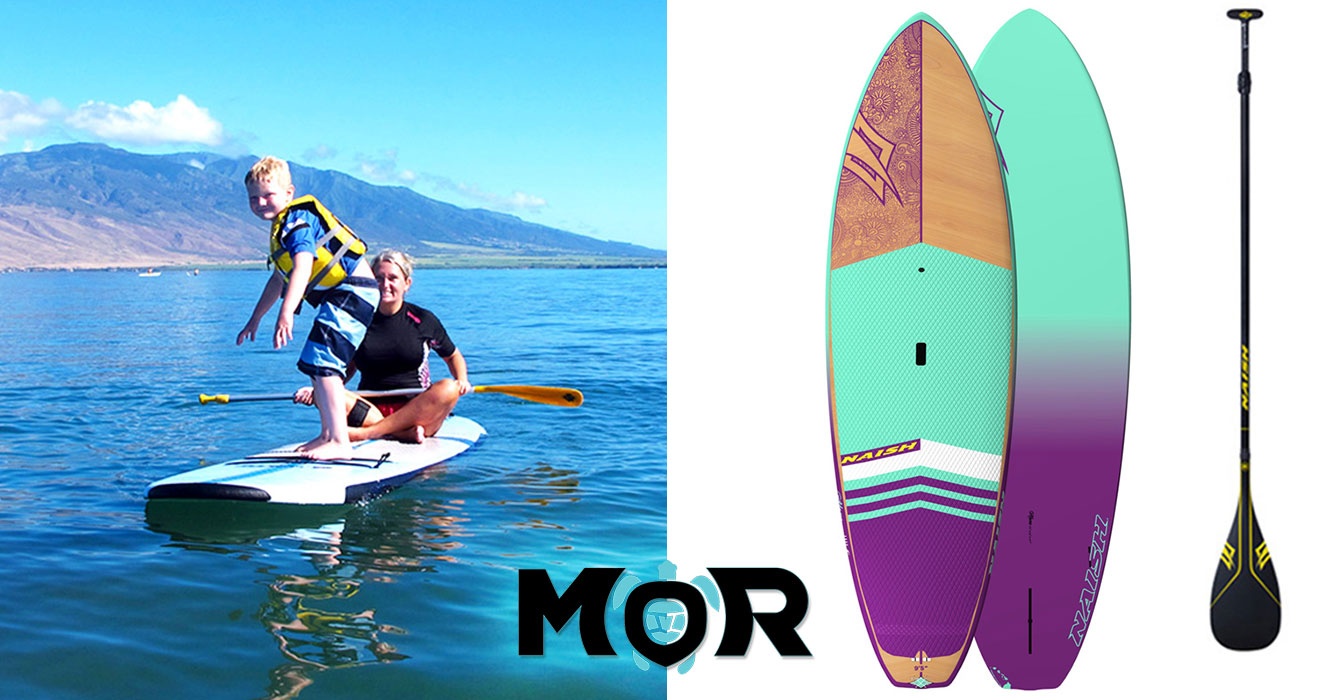 13
13SUP
Keʻanae is raw, immediate coastline — a compact peninsula of black lava, reef shelves, and tidal pools where the Pacific rolls in with clarity and character. For paddlers, it offers a mix: sheltered, calm-water windows on glassy mornings suitable for exploration and snorkeling from your board, and more exposed reef-edge stretches where currents and swell demand respect. This guide focuses on what makes SUP in Keʻanae unique, how to plan around tides and trades, and where to pair a paddle with local culture, snorkeling, or a scenic drive along the Road to Hana.
Explore sup →14Bike Tour
Keʻanae sits like a weathered jewel on Maui’s northeastern shore—an intimate cluster of taro lo’i, lava outcrops, and narrow coastal roads threaded by the Hana Highway. Bike tours here aren’t about speed or big elevation gains; they are slow, sensory rides along a raw coastline where every bend reveals another wet cliff, a surf-splashed cove, or a taro farmer tending ancient loʻi. For cyclists, Keʻanae offers a rare blend of cultural landscape, dramatic sea views, and technical coastal riding that rewards patience and attention.
Explore bike tour → 15
15Dolphin
Where the verdant cliffs of East Maui meet the deep Pacific, Keʻanae is less a seaside town than a living threshold—an intimate contact point between land, reef, and the oceanic life that moves through it. Dolphin experiences here range from quiet shore-based watches to small-boat and kayak outings that let you read the animals’ curves and rhythms in the water. Encounters are best framed as shared moments rather than photo-opportunities: pods of spinner and spotted dolphins pass close to shore, surf the reef’s current seams, and sometimes peel away into playful bows. This guide focuses on how to find, approach, and respectfully enjoy dolphin encounters in Keʻanae’s unique coastal setting, with practical planning notes for seasons, access, and complementary activities along the Hāna coast.
Explore dolphin →The city and the sea
Why Keʻanae Belongs on Your Adventure Shortlist
Variety without surrendering the day to long transfers.
There are places that demand speed—summit, tick a box, move on—and then there is Keʻanae, which insists you slow down. The drive along the Hāna Highway arrives like an overture: one-lane bridges, hairpin turns, and forest light that filters like green glass. At Keʻanae the highway exhales into a narrow basalt peninsula, and everything eases into a different tempo: the deep, steady thrum of the surf beyond the reef, the clack of pebbles in a tidal wash, and the hush of taro patches worked by generations. For travelers who prize sensory clarity—an eye for tide pools, a nose for salt and taro earth, hands that want to net a camera and a paddle—Keʻanae offers an unusually concentrated set of experiences. Start with water: the ocean here is the central character. On calm days, the protected reef near the shoreline turns mosaic—surge pool gardens where surgeonfish and the occasional reef octopus glide. Snorkeling and gentle SUP are quietly excellent when trade winds cooperate; on the wrong days, the same reef can be a churning force that’s best admired from the shore. That toggling of conditions is Keʻanae’s practical lesson. It trains you to read wind lines, consult tide charts, and respect kelp forests as much as coral bommies. Ballast your curiosity with prudence—local outfitters in Hāna and guides with reef-permit knowledge will not only show you the best coves, they’ll steward the marine life you came to see. Beyond the sea is a deep cultural layer. Keʻanae’s loʻi (taro patches) are living landscapes—patchworks of irrigation and plantings that embody centuries of agricultural practice. Walk slowly among them and you’ll find interpretations of stewardship: water diverted, paddies rotated, a rhythm that predates tourism yet remains open to curious visitors. Photography here rewards patience; the interplay of basalt and bright foliage, the low, cinematic clouds, and the rareotter feel of a shoreline village produce frames that feel holy rather than merely pretty. For planners, Keʻanae is a day-choice more than a base camp. Most visitors pair it with other East Maui missions—Hāna town, Hamoa Beach, and regional hikes that climb into rain-forested gulches. Pack for unpredictability: a wind shell, reef-safe sunscreen, reef shoes for pebble beaches, and an appetite for learning from local guides. Above all, lean into the slow hours—sunrise and late afternoon deliver the best light, calmer water, and a sense that the place is revealing itself on purpose. That combination of raw ocean, cultivated land, and cultural continuity is what keeps adventurers returning: not for checklist thrills but for the kind of quiet that changes how you travel afterward.
Keʻanae is scale-friendly: short walks and shoreline sessions fit into a longer Hāna Highway itinerary, and guided half-day water trips cover snorkeling, SUP, and light coastal exploration.
Respectful tourism matters here. The community is small and places of cultural significance are active—ask before you step into loʻi areas, and follow local signage for parking and access.
Conditions shape the day
The best time to visit Keʻanae.
Keʻanae sits in a wet, wind-sculpted microclimate. Trade winds bring steady breezes and brief showers year-round; expect warm air and warm water. Mornings often have calmer seas with better snorkeling visibility; afternoons can pick up wind and surf.
Best all-around window
Spring + fall
Comfortable mixed-itinerary weather, thinner crowds at beaches and lookouts, and more room to improvise.
Beach season
Winter months (December–March) bring whale-watching interest and increased visitor numbers along the Hāna route; summer and shoulder seasons see calmer seas for snorkeling and paddling.
Surf + whales
Late fall and early winter weekdays offer quieter roads and lush landscapes after rains; heavy rain windows produce dramatic waterfalls inland but can push surf and currents up along the shore—plan accordingly.
Coast to inland
Cool marine mornings often give way to warmer inland afternoons and breezy evenings.
Beginner
Short shoreline walks, tidepool exploration, and calm-water snorkeling or SUP on sheltered days.
- Tidepool and shoreline exploration on Keʻanae Peninsula
- Short SUP session off protected coves when seas are calm
- Leisurely photography walk through the taro loʻi
Intermediate
Longer paddles, guided snorkel trips to outlying reef patches, or mixed road-and-hike days combining Keʻanae with nearby beaches.
- Guided kayak or SUP coastal tour
- Half-day snorkel trip with a local operator from Hāna
- Photo-focused walk with stops for golden-hour views
Advanced
Open-ocean paddles, surf sessions on exposed points when conditions warrant, and scuba dives on deeper reef sections—these require experience and local knowledge.
- Surfing exposed breaks (only in proper conditions)
- Scuba dives on reef edges with a certified operator
- Long, technical coastal paddles that respond to swell and wind
Field kit
What to bring.
Pack for sun, salt water, walking, and a meaningful temperature swing between coast and inland Keʻanae.
Essential
Start here
- Reef-safe sunscreen (minimize oxybenzone/avobenzone ingredients)
- Sturdy reef shoes for rocky shore entries
- Light waterproof jacket or wind shell
- Water bottle and high-energy snacks
- Tide chart app or downloaded tide table
Water days
Keep it dry
- Mask, snorkel, and fins (rent in Hāna if not packing)
- Dry bag for phone and camera gear
- Sun hat and sunglasses with strap
- Small first-aid kit and blister care
Long days
Stay flexible
- Lightweight tripod and polarizing filter for photography
- Compact binoculars for coastal bird and whale spotting
- Guidebook or notes on Hawaiian place names and cultural protocols
Insider note
Start early, then keep the geography tight.
Start early to avoid Hāna Highway traffic and secure limited parking at the peninsula. Read tides—low tide exposes more pools but can increase surge over the reef; mid-to-high tide often gives the clearest snorkeling windows. Always wear reef shoes; the shore is basalt and black pebble, which is beautiful but unforgiving on bare feet. Use reef-safe sunscreen and pack out trash—Keʻanae’s scale means every visitor choice has a visible impact. When in doubt about conditions, ask a local outfitter in Hāna: they know seasonal currents, best access points, and which coves are currently healthy for snorkeling. For photographers, aim for soft morning light or late afternoon; midday can be harsh but good for vibrant reef colors on calm days. Finally, take a moment to learn a few Hawaiian place names and the basics of loʻi etiquette—small gestures go far in a tight-knit community.
Good to know
Frequently asked questions.
Can I drive to Keʻanae and explore on my own?
Yes. Keʻanae is accessible via the Hāna Highway. Roads are narrow in stretches—drive slowly, use pullouts, and plan extra time for stops. Parking near the peninsula is limited; arrive early during peak daylight hours.
Is it safe to snorkel and swim at Keʻanae?
Conditions vary. On calm days the reef provides good snorkeling near tide pools, but strong surf, currents, and sudden swell can make the area dangerous. Check local forecasts, tide windows, and consider a guided snorkel if you're unfamiliar with Pacific reef environments.
Do I need a guide for water activities or hikes?
Not always—short shoreline walks and basic snorkeling can be done independently when conditions are favorable. Use a guide for boat tours, scuba, surf sessions in exposed breaks, whale-watching trips, or when you want local cultural context and reef-permit access.
Ready when you are
Find the trip that fits your Keʻanae day.
Compare bookable experiences across the coast, city, and mountains—then save the ones that belong in your plan.
Explore all Keʻanae adventures ↗