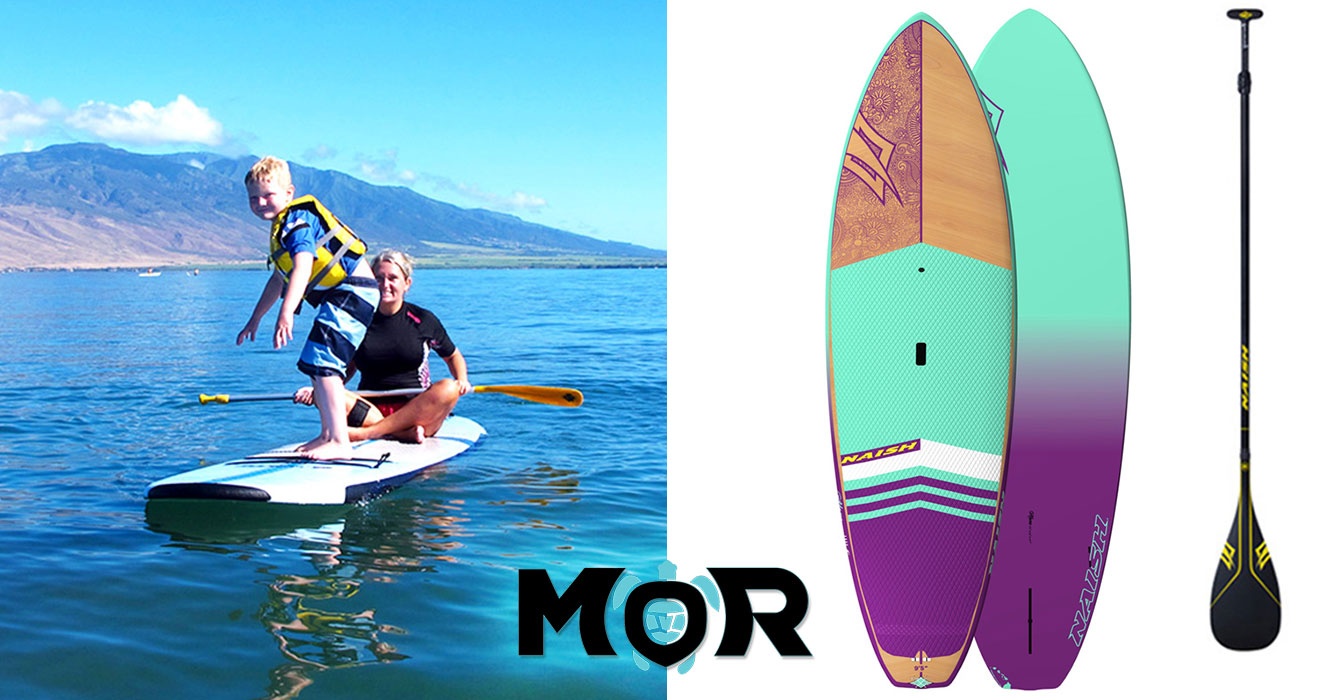
Stand‑Up Paddleboarding (SUP) in Keʻanae, Hawaii
Keʻanae is raw, immediate coastline — a compact peninsula of black lava, reef shelves, and tidal pools where the Pacific rolls in with clarity and character. For paddlers, it offers a mix: sheltered, calm-water windows on glassy mornings suitable for exploration and snorkeling from your board, and more exposed reef-edge stretches where currents and swell demand respect. This guide focuses on what makes SUP in Keʻanae unique, how to plan around tides and trades, and where to pair a paddle with local culture, snorkeling, or a scenic drive along the Road to Hana.
Top SUP Trips in Keʻanae
38 trips • Book with confidence • Instant confirmation
Why Keʻanae Is a Standout SUP Destination
Keʻanae sits on the windward flank of Maui like a page ripped from an atlas of contrasts: jagged black lava meets a shallow fringing reef, a thin ribbon of road threads through lush taro lo‘i, and the Pacific sweeps in from a long horizon. For stand‑up paddlers the place is magnetic because it offers immediate coastal variety within a very small footprint. A calm, glassy morning here is cinematic — the reef reveals its contours beneath clear water, sea turtles glide slowly past, and the peninsula sketches a coastline of sheltered coves and exposed reef edges you can explore from a board. That sense of intimacy is the core appeal; the whole scene changes with tide, swell and wind, so every paddle can feel entirely different.
This isn’t beginner playground flatwater; Keʻanae is a place that rewards timing and local knowledge. Mornings before the trade winds kick in deliver the best conditions for relaxed paddling and SUP snorkeling: you can hover over coral gardens, drift among tropical fish, and look back to green cliffs that slope directly into the sea. As the day warms, steady trade winds and, in winter months, northwest swells can transform the peninsula’s outer edges into a proving ground for more experienced paddlers—offshore currents, reef breaks and punchy surf lines demand strong stroke control, a confident read of conditions, and a conservative approach to distance from shore.
Beyond conditions, Keʻanae’s cultural and environmental context enriches the paddle. The tiny community preserves taro fields and a working coastline that’s been tended for generations; you’ll notice cultural markers, local fishing practices, and reef stewardship woven into the landscape. That means paddlers should move with humility—stay off culturally sensitive reef areas, avoid trampling near shorelines, and use reef‑safe sunscreen. For travelers the visit can easily expand into a broader day: a short SUP trip in the calm hour, then a shoreline walk to tidepools, a stop at a roadside stand for banana bread, or a hike up the coastal ridge for a different vantage. In short, Keʻanae offers a compact but layered SUP experience—equal parts exploration, marine life encounters, and an intimate lesson in tide-and-wind timing.
Keʻanae’s compact coastline means less transit time between launch, snorkeling, and scenic overlooks—ideal when the surf window is narrow.
Wildlife viewing is part of the routine: honu (green sea turtles), reef fish, seabirds and occasionally spinner dolphins nearshore.
Local conditions dictate the day: morning glass is common and ideal; trade winds and winter swells raise difficulty and limit safe launch windows.
Best Time to Visit
Best Months
Weather Notes
Keʻanae sits on Maui’s windward coast—trade winds are common and typically build through the day. Mornings can be glassy and calm, especially in late spring and early fall. Winter months (roughly November–March) bring larger northwest swells that increase surf and current strength. Short, localized showers are common; water temperature is comfortable year‑round.
Peak Season
Summer mornings and holiday weekends bring the most visitors; winter surf season attracts experienced SUP surfers to the exposed points.
Off-Season Opportunities
Shoulder seasons and weekdays often provide quieter access and glassy conditions; winter is prime for advanced downwind or surf sessions (not recommended for novices).
Frequently Asked Questions
Is Keʻanae suitable for beginners learning SUP?
Keʻanae has limited sheltered launch areas and reef close to shore, so it’s not ideal as a first‑time independent lesson site. Beginners should look for guided lessons, choose very calm mornings, or practice on more protected nearby bays before attempting solo paddles here.
Are rentals and guided SUP tours available in Keʻanae?
There are few if any full‑service rental shops directly in Keʻanae; most paddlers rent equipment or book guided trips from larger hubs on Maui (e.g., Paia, Kahului, or Hana). Guided launches are recommended for reef‑edge paddles and surf sessions.
Do I need permits to paddle or snorkel from Keʻanae?
Most recreational paddling does not require permits, but certain coastal areas may have cultural or ecological restrictions. Respect posted signs and local guidance; when in doubt, consult local land managers or guides.
Choose Your Experience Level
Beginner
Best for paddlers with some flatwater experience comfortable with basic board control. Keʻanae’s rocky shore and reef proximity mean beginners should choose calm mornings, launch from protected spots, or go with a guide.
- Short guided calm‑water paddle near the inner reef
- SUP‑snorkel float over shallow reef flats in glassy conditions
- Onshore practice and tidal pool exploration
Intermediate
Paddlers who can handle open water, moderate chop, and are confident with basic self‑rescue and navigation. Intermediate trips include longer coastal loops, reef‑edge exploration, and timed paddles to ride smaller incoming swells.
- Coastal loop around the peninsula at low tide
- SUP‑snorkel combinations over reef gardens
- Early‑morning paddles to nearby coves before winds rise
Advanced
Experienced paddlers who read swell and currents, and who are proficient in surf entry/exit, downwind techniques, and reef awareness. Advanced outings may include downwind runs and SUP‑surf at exposed points when conditions allow.
- Downwind runs on steady trade‑wind days
- SUP‑surfing Keʻanae’s outer reef breaks (seasonal and conditions‑dependent)
- Long coastal paddles connecting to nearby headlands
Insider Tips & Local Knowledge
Check tides, wind forecasts, and local conditions before launching. Respect reef habitat and cultural sites; if unsure, hire a local guide.
Start before dawn when possible—the mornings are often the calmest and offer the best visibility for snorkeling from your board. Launch points at Keʻanae are limited and rocky; scout gently and avoid stepping on exposed coral. Use reef‑safe sunscreen and reef booties to protect both yourself and the marine environment. If you’re new to the area, look for guided trips that include local knowledge about currents, tide windows, and safe exit points. Keep distance from fishing lines and nets, and be mindful of local fishing practices. Parking near the peninsula is constrained—arrive early and pack light. Finally, pair a short SUP session with a walk through the taro fields and a stop at community stands for freshly baked goods—Keʻanae is as much a cultural coastal visit as it is a water day.
What to Bring
Essential
- Properly sized SUP board with leash (inflatable or hardboard)
- USCG‑approved life jacket or PFD (or as required locally)
- Waterproof dry bag for phone/keys/ID
- Reef‑safe sunscreen and sun protection (hat, sunglasses with leash)
- Foot protection: reef booties or water shoes
- Tide and surf app, and local tide chart
Recommended
- Spare paddle and leash
- Light jacket or windbreaker for variable winds
- Basic first‑aid kit and whistle for signaling
- Mask/snorkel for SUP‑snorkel exploration
- Towable pump (for inflatables) and repair kit
Optional
- Compact camera or GoPro with chest/head mount
- Binoculars for bird and cetacean spotting
- Small dry towel and change of clothes
- Portable phone battery
Ready for Your SUP Adventure?
Browse 38 verified trips in Keʻanae with instant booking
Explore Top 15 Keʻanae, Hawaii Adventures →