
Keaʻau adventure guide
Find your way into Keaʻau.
A gateway to Puna’s wild coastlines and rainforest knits, Keaʻau is where shoreline orchids meet black-sand pull-offs and the road unspools into mossy gulches. Pack days with hiking, snorkeling and boat excursions, and let evenings settle into local cafés and coffee stands. This guide pulls together the Top 15 activity threads—sightseeing tours, guided hikes, water activities, eco and photography tours, and a handful of high-adrenaline options—so you can plan practical days out without losing the magic of unexpected vistas.
Three ways into the city
Pick a landscape. Build a day around it.
Keaʻau is less a single destination than a collection of neighboring worlds. Start with the version of the city that matches your pace, then use the ranked guide below to fill in the details.

Begin where the city meets the sea.
Surf breaks, sheltered harbors, whale routes, and long beach paths make the coast LA’s most immediate outdoor playground.
Explore water activities →
Let a local connect the landmarks.
Use a guided city, walking, or sightseeing tour to turn LA’s sprawl into a coherent story.
Explore sightseeing tour →Ride the coast and the city.
Beach paths, river corridors, e-bikes, and ridge climbs reveal a more connected Los Angeles.
Explore water activities →Choose your way into Keaʻau
The top 15 Keaʻau adventures.
Ranked by the number of currently listed trips. Each panel opens the complete local activity collection.
1Sightseeing Tour
Keaʻau sits at the crossroads of raw volcanic landscapes and intimate coastal culture. Sightseeing tours here are less about a single must-see and more about curated perspectives—lava-scarred ridgelines, verdant botanical pockets, and old Hawaiian settlement sites threaded together by the slow pulse of the island.
Explore sightseeing tour → 2
2Hiking
Keaʻau sits at the humid edge of Hawaiʻi Island’s eastern flank, where rainforest fringe meets hardened lava and a shoreline that rewards walkers with black-sand coves and fern-draped gullies. This guide focuses on hiking in and around Keaʻau—short coastal nature loops, lava-slab scrambles, and greenway ambles that reveal the neighborhood’s wild, ever-changing character. Expect lush trails, frequent showers, and trail conditions shaped by volcanic soil and tropical growth.
Explore hiking →3Water Activities
Keaʻau sits on the lush eastern flank of Hawaii Island where volcanic geology meets the Pacific—an overlooked hinge between sheltered tidal pools and raw, open-ocean coastlines. Water activities here range from placid estuary paddles and shore snorkeling in protected coves to adrenaline-tinged ocean swims and guided boat outings that chase big-water life beyond the headland.
Explore water activities → 4
4Eco Tour
Keaʻau sits at the intersection of raw volcanic geology, wet lowland rainforest, and a resilient local culture that stewards land and sea. Eco tours here are less about glossy sightseeing and more about intimate, interpretive experiences: guided walks through native ʻōhiʻa forest, community-led taro patch visits, reef health snorkel surveys, and sunset shoreline stewardship sessions. Expect small-group operators, chances to join citizen science projects, and an emphasis on Hawaiian cultural context alongside natural-history translation.
Explore eco tour →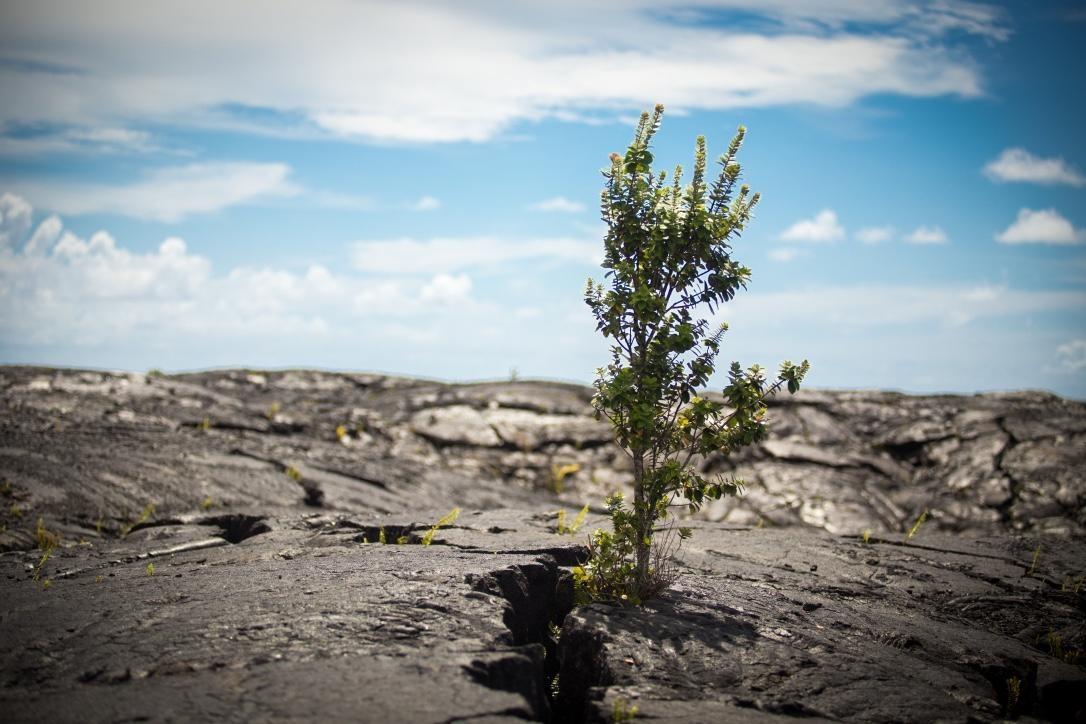 5
5Photography Tour
Keaʻau is a compact launch point for photographers who want dramatic contrast: steamy rainforest canopies, black basalt coastlines, and the raw geology of volcanic landscapes within a short drive. These photography tours emphasize light, texture, and the island's elemental moods—sunrise on the shore, green tunnels after rain, and the smoky edges of geological activity—paired with accessible fieldcraft for every skill level.
Explore photography tour → 6
6Walking Tour
Keaʻau is an intimate, often-overlooked doorway to Puna’s wild, volcanic coastline and lush lowland rainforests. This collection of walking tours focuses on moving slowly through contrasting terrains—shifting black lava, fern-draped lanes, village streets, and pocket beaches—where geology and local culture intersect. Expect short guided neighborhood walks that unwrap local history, botanical walks through curated gardens, self-guided shoreline rambles across old lava flows, and mindful cultural tours that emphasize Hawaiian stories and stewardship. Thirteen carefully chosen walks cover easy boardwalks to uneven natural surfaces, making Keaʻau an ideal place for travelers who want immersive exploration without committing to long backcountry treks.
Explore walking tour → 7
7Boat Tour
From sheltered coastal cruises to wildlife-focused excursions, boat tours out of the Keaʻau region are the clearest, most immediate way to meet Hawaii’s open ocean. Expect close encounters with spinner dolphins, seasonal humpback whales, reef snorkeling stops, and sweeping views of volcanic coastline that read like a geological atlas. These outings pair the island’s marine biology with easy access for travelers based in Keaʻau and the Puna/Hilo neighborhoods.
Explore boat tour → 8
8City Tour
Keaʻau is a quietly kinetic gateway town where everyday life rubs up against lava-sculpted landscapes. City tours here aren’t about glittering skyline promenades; they’re an invitation to slow down and read layers—plantation-era histories, backyard farms, roadside shrines, and the resilient local culture threaded between coral and ʻohiʻa. This guide presents walking routes, food-focused strolls, accessible cultural circuits, and mixed-activity tours that link Keaʻau’s neighborhoods to the wild seams of Puna and the larger island story.
Explore city tour →Scuba
Keaʻau sits on the island’s eastern flank, where raw lava coastlines tumble into the Pacific and the underwater topography reads like a geological storybook. For divers, that means shore entries that move from basalt shelves into coral gardens, caves carved by ancient flows, and a coastal ecosystem that favors curious reef fish, green sea turtles, octopus, and the occasional pelagic visitor. The local scene blends do-it-yourself shore diving with a small network of operators from nearby Hilo, making Keaʻau a practical base for exploratory dives, photo-focused reef swims, and easy access to quieter sites away from Kona’s crowds.
Explore scuba →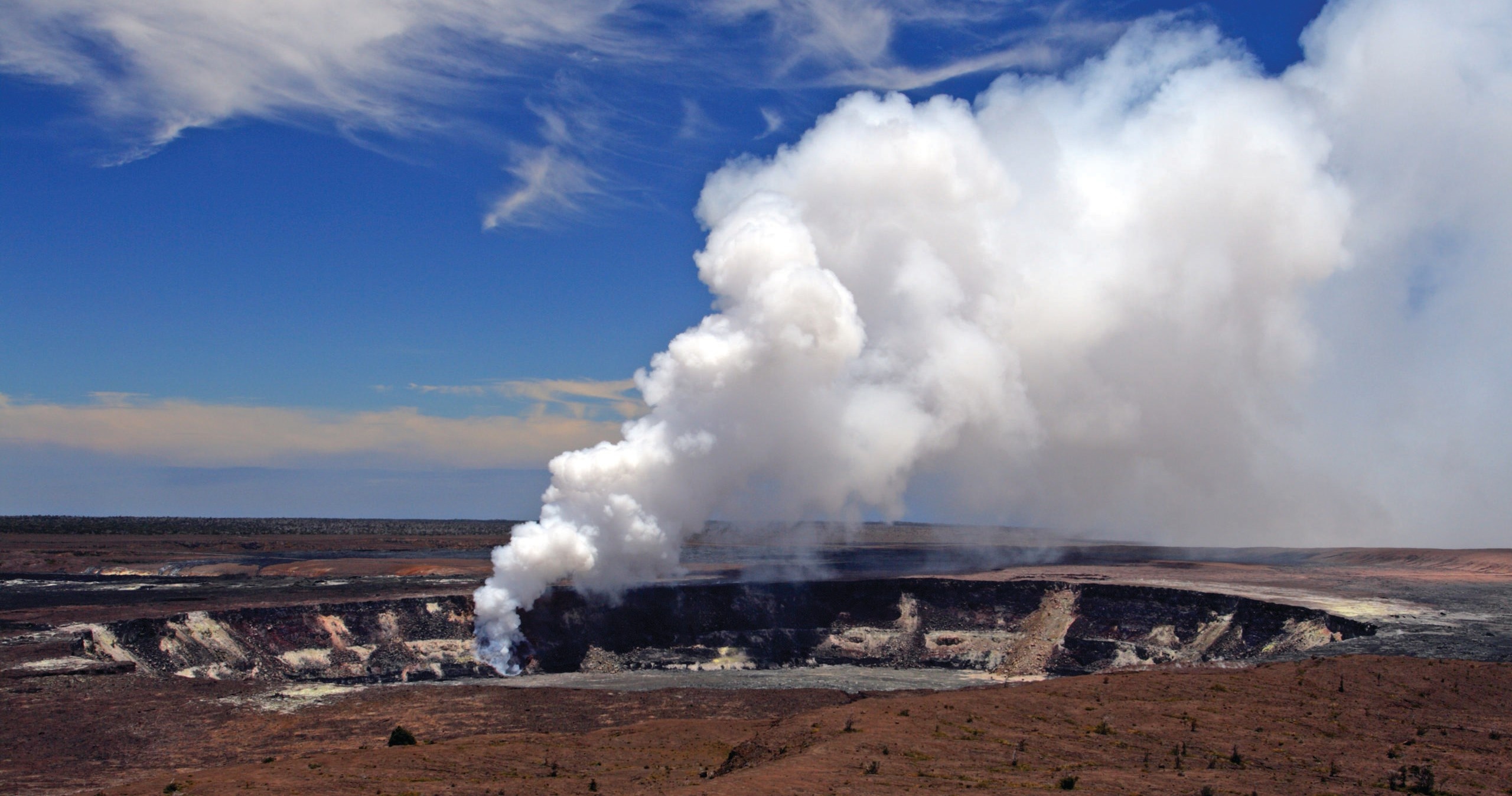 10
10Bus Tour
From steam-swirled craters to emerald rainforest corridors and black-sand shorelines, Keaʻau sits at the intersection of volcanic spectacle and lush lowland Hawaiiana. Bus tours based here compress dramatic landscapes—lava-scarred coastlines, crater rims, sulfur-steamed valleys, and cultural waystations—into accessible, low-hassle journeys. Whether you want a guided volcano overview, a shoreline lava-viewing run, or a botanical and cultural sampler wrapped into a day, Keaʻau’s fleet of full-size coaches, minibuses, and small-group vans provides a way to see the Island’s extremes without chasing rental car logistics.
Explore bus tour →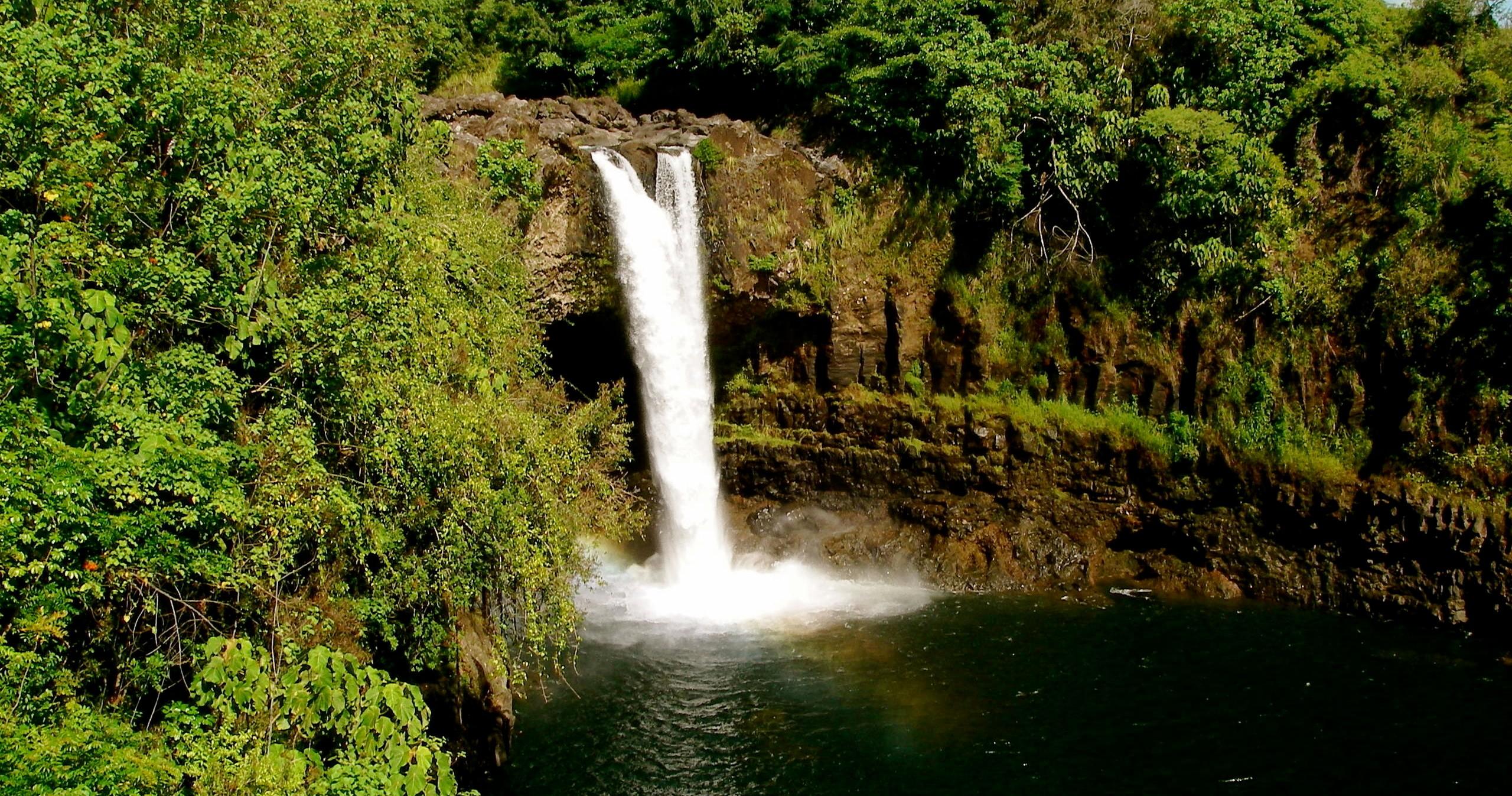 11
11Zipline
Ride the wind above a tangled Hawaiian canopy where mist-shrouded ravines, volcanic ridgelines and the bright green of endemic forest press up to meet the sky. Keaʻau’s ziplines thread together dramatic elevation changes, warm trade winds and lush, wet-side ecology—perfect for travelers who want a short, high-adrenaline window into Hawai‘i’s wild east flank.
Explore zipline →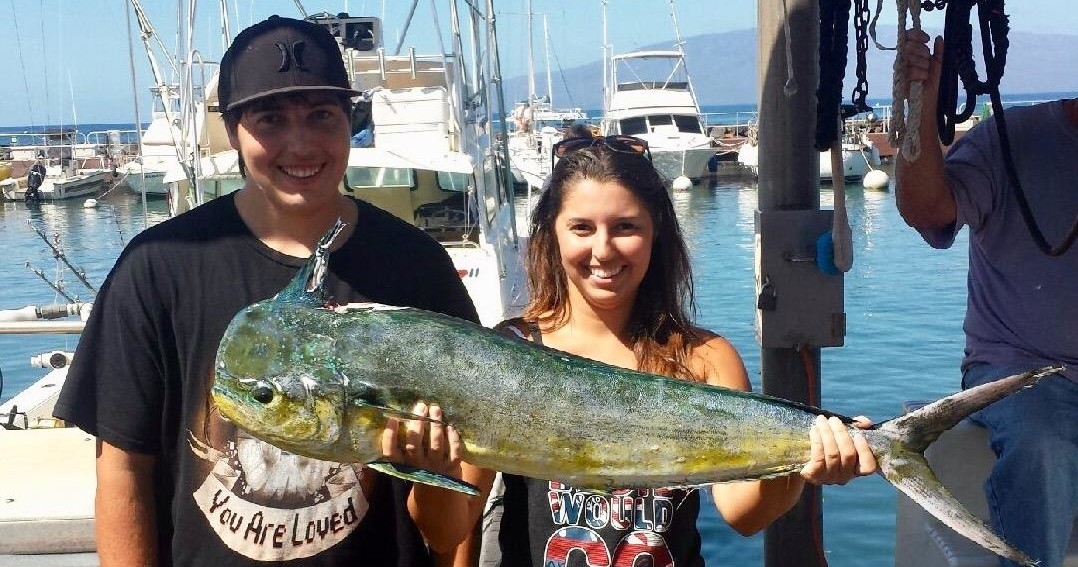 12
12Fishing
Perched on the verdant flanks of Hawaii Island, Keaʻau is a quiet launching point for a fishing experience that folds reef flats, black-sand shoreline casts, and pelagic runs into one compact region. From dawn surf casts for ulua in shallow coastal channels to full-day charters tracking ahi and mahi offshore, the waters near Keaʻau serve anglers of varied appetites. This guide focuses on the real work and the reward of fishing here: reading volcanic coastline, respecting fragile reef systems, timing the trade winds, and pairing an angling day with snorkeling, tidepool exploration, or a post-fish meal at a local market.
Explore fishing → 13
13Kayak
Keaʻau sits at the interface of lush rainforest, black-sand beaches, and a coastline shaped by recent volcanism—making it an intimate launching point for coastal kayaking that feels both wild and immediate. Paddle from sheltered bays into narrow lava-etched coves, slip past basalt cliffs freckled with seabirds, and time your outing to watch spinner dolphins peel through morning glass. This guide focuses on short coastal runs, guided sea-cave explorations, and sheltered bay paddles that are accessible from Keaʻau and nearby Hilo Bay—ideal for paddlers who want raw shoreline geology, abundant marine life, and a Hawaiian cultural context to their trip.
Explore kayak → 14
14Snorkel
Keaʻau sits on the island's lush eastern flank where the sea meets fresh lava and the coastline alternates between rugged cliffs and sheltered pockets. Snorkeling here is less about postcard coral reefs and more about intimate encounters—shallow tidepools, lava-formed channels, and small sheltered bays where reef fish, honu (green sea turtles), and intertidal life congregate. This guide focuses on how to plan safe, rewarding snorkel outings from Keaʻau: when the water is calm, what to expect below the surface, and practical ways to combine snorkeling with tidepool exploration, hiking coastal trails, and cultural visits in the Puna region.
Explore snorkel →Air Activities
Where rainforest meets coastline and active volcanoes sculpt the land, Keaʻau is an understated launchpad for aerial adventure. From low, glassy seaplane hops over the coral-fringed shoreline to high, helicopter vantage points above venting calderas and black lava fields, the sky around Keaʻau reveals the Big Island’s drama with immediacy. Air activities here are as much about weather and geology as they are about adrenaline—trade winds, volcanic steam, and thermal lift shape what’s possible on any given day. This guide focuses on getting you into the air safely and meaningfully: how to read seasons and windows, what to pack for motion and weather, and which experiences pair well with a day on the ground along the Puna coast.
Explore air activities →The city and the sea
Why Keaʻau Belongs on Your Island Itinerary
Variety without surrendering the day to long transfers.
Keaʻau sits on the eastern flank of Hawaii Island like an invitation: subtle, verdant and insistently coastal. From the road into town the landscape reads as a study in contrasts—satin lava flows that have given way to stands of ironwood and ohia, small farms producing tropical fruit, and a shoreline that shifts from gentle coral shelves to black-sand coves sculpted by ancient fire and churned by Pacific swell. For travelers chasing diversity in a compact footprint, Keaʻau’s appeal is its adjacency. A short drive puts you at hiking trailheads, photo-ready lookouts, snorkeling bays and charter points for boat tours. It’s an artful basecamp where you can thread a morning hike into a midday kayak and finish with a photography tour at golden hour. On a practical level Keaʻau is quietly well positioned. Outfitters and locally run eco tours operate here with intimate knowledge of the Hilo-Puna microclimate, which is crucial: trade winds and localized showers mean conditions can change on hour-long timelines. That knowledge also unlocks better experiences—certified scuba operators who know the clearest reefs; boat captains who time trips to avoid onshore wind; hiking guides who can read ephemeral stream crossings after rain. The top activities—sightseeing tour, hiking, water activities, eco tour, photography tour, walking tour, boat tour, city tour, scuba, bus tour, zipline, fishing, kayak, snorkel, and air activities—aren’t siloed. They’re combinable. You can pair a morning waterfall hike with an afternoon snorkel, or swap a scheduled bus tour for a private sightseeing tour that drops you at a secluded bay for sunset photos. Culturally, Keaʻau and the wider Puna district carry a strong sense of place: the land and sea are threaded into community life, and many operators emphasize stewardship. Respect for native habitats and an awareness of volcanic hazards are part of the local vernacular. That means adventures here lean experiential—eco tours that emphasize reef conservation, photography outings that educate on coastal erosion, and fishing charters that practice catch limits. For planning, aim for shoulder months (spring and fall) for fewer crowds and more predictable trade-wind patterns, but know that Keaʻau is essentially year-round: winter trade winds can make offshore water activities choppier, while brief summer squalls refresh the forests and sharpen waterfall flows. For the practical traveler, focus on layering, water readiness and timing. Mornings bring calmer seas and softer light—prime for kayak and snorkel outings—while afternoons can be preferable for inland walks when sun and surf may peak. Local operators often offer combo bookings (kayak + snorkel, boat + photography tour) that save time and simplify logistics. Whether you’re a novice looking for guided snorkeling and sightseeing or an advanced traveler hunting remote hike lines and offshore fishing grounds, Keaʻau rewards attention to weather, a flexible schedule, and a willingness to let the island’s pace set the day.
Access is straightforward: small local roads link Keaʻau to Hilo and to the southern stretches of Hawaii Volcanoes National Park. That proximity makes Keaʻau an effective staging point for morning hikes or late-afternoon drives to crater overlooks.
Local businesses favor small-group formats—private or semi-private boat and photography tours, guided hikes with cultural context, and eco tours focused on reef health—so booking in advance during holidays and weekends is wise.
Conditions shape the day
The best time to visit Keaʻau.
Expect warm, humid tropical weather with localized showers—Puna is one of the wetter districts on the island. Trade winds can affect sea conditions; mornings are often calmer for water activities. Occasionally volcanic vog (sulfur haze) affects air quality depending on eruptive activity—check local advisories.
Best all-around window
Spring + fall
Comfortable mixed-itinerary weather, thinner crowds at beaches and lookouts, and more room to improvise.
Beach season
December–March and summer holidays see higher visitor counts; book tours and accommodations early.
Surf + whales
Shoulder months deliver fewer crowds, better local rates, and stable conditions for mixed activities like hiking and snorkeling.
Coast to inland
Cool marine mornings often give way to warmer inland afternoons and breezy evenings.
Beginner
Low-commitment activities that emphasize scenery and safety: short, well-marked walks, sheltered bay snorkeling, easy boat sightseeing and guided city or walking tours.
- Guided sightseeing tour of coastal lookouts
- Introductory snorkeling at a protected bay
- Short walking tour of Keaʻau town and nearby cultural sites
Intermediate
Longer hikes with steady elevation, guided kayak loops, and half-day boat or photography tours that require comfort on water and some stamina.
- Half-day kayak and snorkel combo
- Photography tour at golden-hour coastal overlooks
- Moderate hike into nearby rainforest gulches
Advanced
Full-day expeditions, offshore fishing, technical scuba, and air activities such as helicopter flights that require prior experience or certification.
- Full-day fishing charter to offshore grounds
- Advanced scuba dives on deep reefs
- Helicopter sightseeing or air activities with aerial photography objectives
Field kit
What to bring.
Pack for sun, salt water, walking, and a meaningful temperature swing between coast and inland Keaʻau.
Essential
Start here
- Light, quick-dry layers and a breathable rain shell
- Reef-safe sunscreen and a wide-brim hat
- Sturdy walking shoes for uneven coastal trails and slick lava rock
- Reusable water bottle and electrolyte snacks
- Waterproof phone case or dry bag
Water days
Keep it dry
- Lightweight daypack with hydration bladder
- Snorkel kit or mask and fins if you prefer your own fit
- Compact binoculars for seabird and dolphin spotting
- Camera with polarized filter for reef and landscape shots
Long days
Stay flexible
- Light wetsuit or rashguard for extended snorkel or kayak sessions
- Trekking poles for rooty, muddy rainforest paths
- Compact tripod for low-light photography
Insider note
Start early, then keep the geography tight.
Start early for calmer seas and clearer light—mornings are prime for snorkel, kayak, and boat tours. Favor small local operators who emphasize reef stewardship and know microclimate patterns in Puna. Pack reef-safe sunscreen and a lightweight rain layer; showers can appear off the blue. If you plan a photography tour, ask about tide and light windows—low wind and outgoing tide often reveal clearer reef structure. For hiking, keep to marked trails and expect muddy sections after rain; trekking poles can be useful. When booking air activities or helicopter tours, check cancellation policies and volcanic advisories. Finally, be mindful of cultural sites and private property: many of Keaʻau’s best vantage points are accessed with permission or via guided routes—respect local signs and guidance.
Good to know
Frequently asked questions.
Can I do most activities without a guide?
Yes for basic sightseeing, short hikes, and some sheltered snorkel spots—however, hire a guide for open-ocean boat trips, scuba, unfamiliar trails, and when local conditions (winds, currents) are variable.
Are reef and marine areas protected?
Many reefs are managed with conservation rules—use reef-safe sunscreen, avoid touching coral, and follow guidelines from guides and signage. Some areas have seasonal or restricted access to protect breeding or recovery.
Is volcanic activity a safety concern?
Volcanic conditions can affect visibility and access; check Hawaii Volcanoes National Park and local county advisories before planning crater visits or scenic flights.
Ready when you are
Find the trip that fits your Keaʻau day.
Compare bookable experiences across the coast, city, and mountains—then save the ones that belong in your plan.
Explore all Keaʻau adventures ↗