1

Top 8 Bus Tours in Keaʻau, Hawaii

Keaʻau, Hawaii

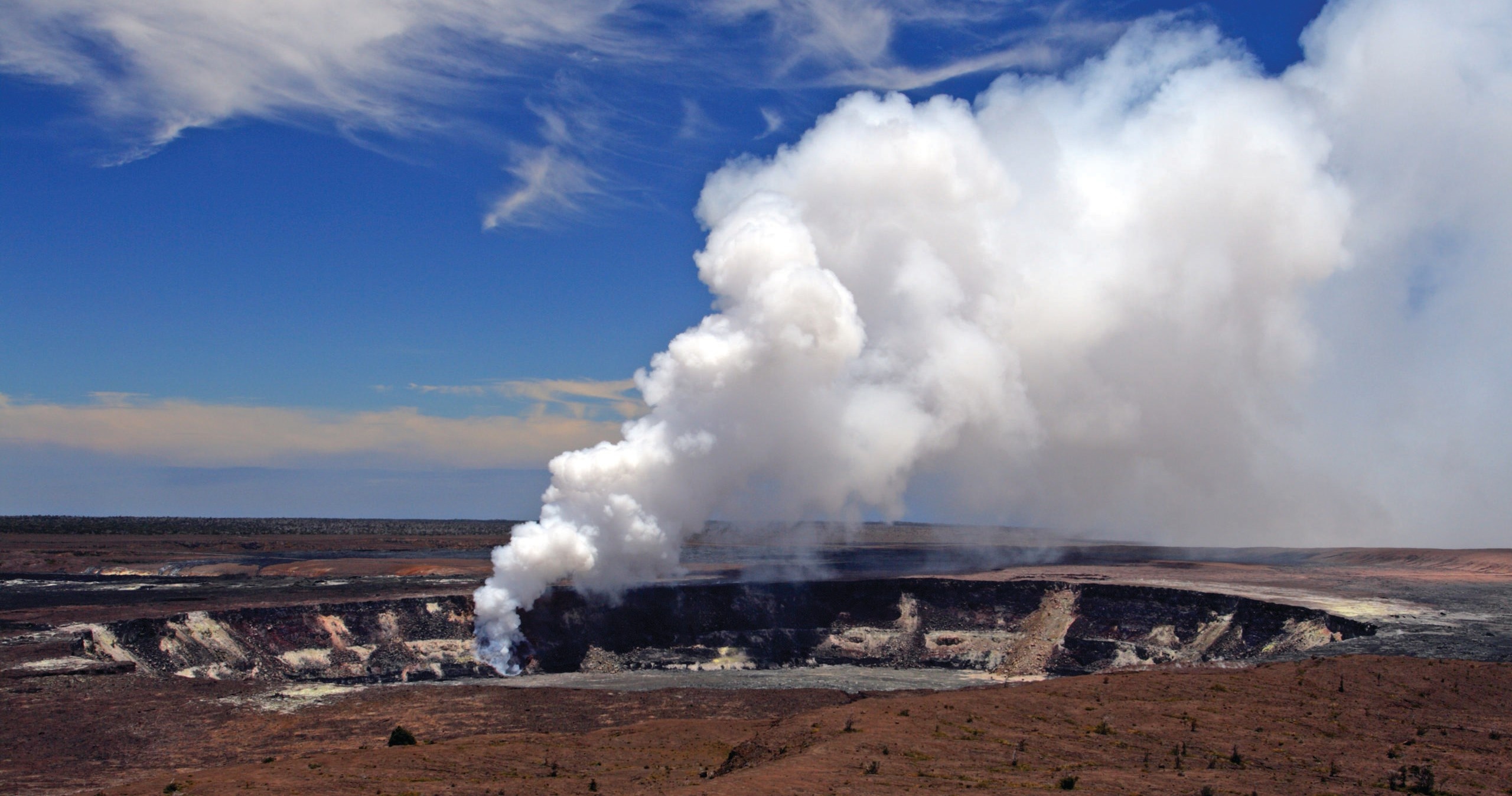
From steam-swirled craters to emerald rainforest corridors and black-sand shorelines, Keaʻau sits at the intersection of volcanic spectacle and lush lowland Hawaiiana. Bus tours based here compress dramatic landscapes—lava-scarred coastlines, crater rims, sulfur-steamed valleys, and cultural waystations—into accessible, low-hassle journeys. Whether you want a guided volcano overview, a shoreline lava-viewing run, or a botanical and cultural sampler wrapped into a day, Keaʻau’s fleet of full-size coaches, minibuses, and small-group vans provides a way to see the Island’s extremes without chasing rental car logistics.

8
Activities
Year-Round
Best Months

Top Bus Tour Trips in Keaʻau

8 trips • Book with confidence • Instant confirmation

Why Keaʻau Is a Standout Bus Tour Destination

Perched on Hawaiʻi Island’s east flank, Keaʻau functions less like a single town and more like a staging ground — a practical, low-key starting point for experiencing the island’s most elemental features. What makes bus tours here so compelling is their ability to fold distance and local knowledge into a single, comfortable package: one vehicle can ferry you from humid lowland gardens to the windswept rim of Kīlauea, from lava-scarred coastline to roadside stands selling the season’s mangoes and kona coffee. That contrast—immediate, stark, and often bewilderingly beautiful—defines the trip. On a single morning you can pass through neighborhoods where taro grows in sheltered gulches and by the time the sun drops you can be watching the coastline glow orange where fresh flows meet the ocean (when conditions allow).

The terrain around Keaʻau is dramatic but variable: young pahoehoe and ʻaʻā flows, broad agricultural flats, and pockets of dense tropical forest. Roads snake through these changes, and that’s where guided buses shine. Drivers and guides read the landscape in real time—adjusting schedules around park closures, vog (volcanic smog), and ocean conditions, and pivoting to scenic alternates when viewing is limited. For travelers who want to focus on photography, geology, or a calm, interpretive experience that foregrounds local history and Hawaiian cultural context, bus tours deliver layered storytelling—why a particular lava bench formed, how native and immigrant communities adapted to the island’s soil, and what sacred sites mean to kupuna (elders) and cultural practitioners today.

Beyond the core volcanic narrative, Keaʻau tours tend to weave in excellent complementary experiences. Short coastal walks let you feel the trade winds and inspect tidepools; quick hikes into native forest reveal endemic birds and orchids; botanical tour add-ons highlight ethnobotany and agroforestry. For adventurous travelers, many operators coordinate multi-modal combos—bus-to-boat lava viewing (where permitted), heli transfers for aerial perspective, or guided hikes that begin with a shuttle drop and end with a comfortable ride back. This mix makes Keaʻau uniquely flexible: it’s ideal if you have a single day to sample the island’s extremes, or if you’re building a longer, layered Hawaiʻi itinerary that combines bus tours with snorkeling, waterfall hikes, and cultural site visits.

Accessibility is a core advantage: bus tours reduce the stress of navigation on variable island roads and eliminate the risk of driving unfamiliar routes after long travel days. Many companies offer wheelchair-accessible vehicles and small-group vans for more intimate experiences.

Local guides bridge science and story—interpreting volcanic processes, explaining land stewardship and cultural protocols, and pointing out flora and fauna that casual passersby might miss.

Seasonality affects what you see: vog, ocean conditions, and park access can change rapidly, so tours that emphasize flexibility and real-time planning offer the best odds of a meaningful experience.

Activity focus: Interpreted sightseeing by road (volcano, coastline, culture)
Number of curated bus tour options from Keaʻau: 8
Typical tour length: half-day to full-day (3–10 hours)
Accessibility: Many operators provide wheelchair-accessible buses and small vans
Safety & regulations: Lava viewing by land or sea is subject to park and county rules; operators adapt routes to current conditions

Best Time to Visit

Best Months

AprilMaySeptemberOctoberNovember

Weather Notes

Keaʻau and the Puna district are humid and warm year-round, with frequent localized showers. Trade winds moderate coastal temperatures but can kick up vog (volcanic haze) depending on prevailing winds. Summer (June–August) sees stable ocean conditions for shoreline tours, while shoulder months often mean fewer crowds and pleasant mid-day temperatures.

Peak Season

Winter holidays and major school breaks draw more visitors to Hawaiʻi Island and increase demand for bus tours.

Off-Season Opportunities

Late spring and early fall offer quieter roads and better booking availability; some operators run discounted small-group departures off-peak.

Frequently Asked Questions

Do I need permits to view lava or enter Hawaiʻi Volcanoes National Park with a bus tour?

Park entry fees apply for Hawaiʻi Volcanoes National Park; tour operators typically handle group permits and access logistics. Lava viewing is governed by current park, county, and emergency management restrictions—operators will route tours to legal, safe vantage points or cancel that portion if conditions are unsafe.

Are bus tours from Keaʻau suitable for travelers with limited mobility?

Many companies offer wheelchair-accessible vehicles and tours that minimize walking. Confirm accessibility features (lift, aisle width, restroom availability) with the operator when booking.

How flexible are itineraries if volcanic or ocean conditions change?

Reputable operators build flexibility into schedules—shifting to botanical, cultural, or coastal alternatives when volcanic viewing is restricted. Confirm cancellation and rescheduling policies in advance.

Choose Your Experience Level

Beginner

Low-impact sightseeing on a coach or small van with short, gentle stops suitable for most travelers.

  • Half-day volcano highlights loop
  • Coastal lookouts and black-sand beach stops
  • Botanical garden sampler with short walks

Intermediate

Moderate activity with multiple stops, short guided walks, and some uneven terrain at coastal vantage points.

  • Full-day Puna coast and lava bench viewing (where permitted)
  • Volcano rim scenic tour with short crater rim hikes
  • Combined cultural site visits and farm-to-table lunch

Advanced

Tours designed for travelers seeking extended exploration, photography-focused stops, and optional active add-ons like guided hikes launched from a shuttle.

  • Early-morning photo runs to capture sunrise on the crater rim
  • Multi-modal trips combining bus transit with helicopter or boat segments
  • Custom private charters for prioritized access and extended stops

Insider Tips & Local Knowledge

Book flexible tours or operators who monitor volcanic and weather updates in real time; safety and legal viewing access change with little notice.

Arrive prepared for microclimates—Keaʻau can be humid while the volcano rim is cool and wind-swept. If you care about photography, request a small group or private vehicle to maximize stop time and minimize jostling. Learn the language of respect: ask guides about cultural protocols before visiting sacred sites and follow posted guidance. For lava-related experiences, trust the operator’s decisions—illegal access or approaching steam plumes is both dangerous and damaging to landscapes and cultural values. Finally, pack for comfort and modesty: long drives punctuated by brief walks mean layered clothing, sturdy shoes, and a willingness to follow the guide’s lead will make the day more enjoyable.

What to Bring

Essential

  • Daypack with water (1–2L) and sun protection
  • Light rain jacket—Puna side receives frequent, brief showers
  • Comfortable walking shoes for short stops and coastal access
  • Face covering for vog or dusty roadside conditions
  • Photo gear with a small zoom lens for both landscape and detail shots

Recommended

  • Reusable water bottle and electrolyte snacks
  • Hat and polarized sunglasses for glare near black sand and ocean
  • Small pair of binoculars for birding and distant coastline views
  • Motion-sickness remedy if you’re sensitive to curving coastal roads

Optional

  • Compact tripod or Gorillapod for long-exposure ocean shots
  • Light change of clothes if you plan to get close to steam or ocean spray
  • Notebook or field guide for geology and plant ID

Ready for Your Bus Tour Adventure?

Browse 8 verified trips in Keaʻau with instant booking

Explore Top 15 Keaʻau, Hawaii Adventures →