
Kaunakakai adventure guide
Find your way into Kaunakakai.
Kaunakakai is the slow, sun-baked heart of Molokai — a harbor town that feels like a doorway into old Hawai‘i. From the harbor, days unfurl around water: tradewind sails, reef snorkeling, patient whale watches in winter, and wide, wind-prized beaches for longboard sessions. Inland, valleys and sea cliffs hold quiet hikes and cultural sites, while low-key eateries and local markets anchor the rhythm between outings. Use this guide to stitch together short, memorable experiences — a morning snorkel, an afternoon boat tour, an evening stroll along the pier — or to plan multi-day trips that mix sailing, hiking, and eco-focused exploration.
Three ways into the city
Pick a landscape. Build a day around it.
Kaunakakai is less a single destination than a collection of neighboring worlds. Start with the version of the city that matches your pace, then use the ranked guide below to fill in the details.

Begin where the city meets the sea.
Surf breaks, sheltered harbors, whale routes, and long beach paths make the coast LA’s most immediate outdoor playground.
Explore water activities →
Let a local connect the landmarks.
Use a guided city, walking, or sightseeing tour to turn LA’s sprawl into a coherent story.
Explore boat tour →
Ride the coast and the city.
Beach paths, river corridors, e-bikes, and ridge climbs reveal a more connected Los Angeles.
Explore e-bike →Choose your way into Kaunakakai
The top 15 Kaunakakai adventures.
Ranked by the number of currently listed trips. Each panel opens the complete local activity collection.
1Water Activities
Kaunakakai is where Molokai's easygoing pace meets big-water possibility: calm, reef-protected bays that invite snorkeling and paddle sports, open-coast stretches for seasonal surf and fishing, and boat gateways to dramatic sea cliffs and the remote Kalaupapa coastline. This guide focuses on water-based adventures—snorkel loops, guided kayak tours, inshore fishing, whale watching seasonals, and the quiet pleasure of SUPing near shoreline reefs—while grounding every recommendation in safety, access, and cultural respect.
Explore water activities →2Boat Tour
Kaunakakai is Molokai’s low-key harbor town and the gateway to some of the most elemental sea trips in Hawai‘i: dramatic sea-cliff cruises beneath the world’s tallest ocean cliffs, intimate coastal wildlife-viewing outings, and snorkeling and fishing trips that still feel like local secrets. From glass-calm mornings that mirror the cliffs to trade-wind afternoons that rock lively open-ocean runs, boat tours from Kaunakakai are as much about the silence and scale of the coastline as they are about the species you may see. Expect small-boat operations, cultural storytelling, and vantage points of Kalaupapa National Historical Park that are best appreciated from the water.
Explore boat tour → 3
3Snorkel
Kaunakakai is Molokai’s low-key gateway to clear, reef-dotted waters where shore-entry snorkels and short boat hops reveal schooling reef fish, hawksbill and green sea turtles, and expansive coral gardens. Unlike busier Hawaiian snorkeling hubs, Kaunakakai’s rhythm is quiet and uncrowded: mornings bring glassy seas and soft light that makes marine life easy to spot, while afternoons can stiffen with trade-wind chop. This guide focuses on how to experience the town’s accessible snorkel spots safely and respectfully—mixing practical guidance on tides, access, and gear with local context about stewardship and complementary activities like coastal hikes, beachcombing at Papohaku, and cultural orientation in town.
Explore snorkel → 4
4Whale Watch
Kaunakakai sits on Molokai’s southern shore where deep-water channels and dramatic sea cliffs make every whale-watch trip a study in scale: hulking humpbacks breaching against an island backdrop, calves shadowing mothers, and the constant soundscape of blowing and tail slaps. This guide focuses on how to experience those encounters responsibly and well—whether you’re glassing from shore, boarding a family-friendly cruise, or booking a small-boat photography-focused outing.
Explore whale watch → 5
5Surf
Kaunakakai is Molokai’s unhurried gateway to waves that favor skill over spectacle. The island’s surf scene is defined by long reef lines, variable winds, and an island-first culture that prizes respect and local knowledge. For travelers seeking fewer crowds, honest conditions, and a chance to surf breaks that reward patience and timing, Kaunakakai’s beaches and nearby points deliver a quietly thrilling Hawaiian surf experience.
Explore surf → 6
6Scuba
Kaunakakai is Molokai’s low-key gateway to Pacific reef dives and sheltered harbor runs. The town’s small-boat culture, exposed reef flats, and offshore pinnacles offer a variety of shore and boat dives for those seeking clear water, healthy reef pockets, and relaxed island tempo. This guide focuses on scuba — where to go, when to plan, what to expect beneath the surface, and how to pair dives with nearby outdoor experiences.
Explore scuba → 7
7Sightseeing Tour
Kaunakakai is Molokai’s understated harbor town — a slow-paced gateway to coastal panoramas, living Hawaiian culture, and low-key, small-group sightseeing. Tours here emphasize place and people over thrills: narrated drives that trace sheer sea cliffs and sugarcane-era roads, harbor cruises that scan for seabirds and spinner dolphins, and neighborhood walks that introduce kupuna (elders), fishponds, and local food stands. Expect honest scenery, intimate guides, and a pace that rewards curiosity rather than checklist sightseeing.
Explore sightseeing tour →Sailing
Kaunakakai is Molokai’s understated harbor town and the most immediate gateway to some of Hawaii’s most elemental sailing: raw channels, sheer sea cliffs, remote anchorages, and cultural coastlines. Whether you’re skimming glassy bays on a shared day catamaran, navigating tradewind reaches along the island’s north shore, or planning a multi-day coastal cruise that ends in the shadow of Kalaupapa’s cliffs, sailing here feels elemental—small crew, big ocean, and a close connection to local place and history.
Explore sailing → 9
9Hiking
Kaunakakai, the low-key heart of Molokai, is a gateway to coastal cliffs, valley waterfalls, and quietly dramatic island trails. Hiking here is less about crowds and more about encountering remoteness, cultural landscapes, and wind-swept ridgelines that look out over the Pacific. This guide gathers the island's accessible day hikes, coastal walks, and more demanding valley and ridge routes, with practical notes on seasonality, terrain, and local access.
Explore hiking → 10
10Eco Tour
Kaunakakai is the low-key gateway to Molokai’s deliberate, conservation-centered travel. Eco tours here are defined less by spectacle and more by attentiveness — small-group guides who know reef chemistry, native forest restoration, and local cultural practices invite visitors to witness landscapes that have been stewarded by a community rather than built for visitors. Expect coastal reef snorkeling with a focus on coral health, guided walks through native woods, cultural agroforestry visits, and mindful boat excursions along rugged sea cliffs.
Explore eco tour → 11
11Kayak
Molokai’s main town, Kaunakakai, is a quiet launch point for a surprising variety of sea-kayak experiences — from gentle harbor paddles and reef-side snorkel runs to committed open-ocean crossings and explorations of long sandy beaches. This guide focuses on navigating the south shore’s shelter, reading the trade winds and swells, and deciding when to hire a guide versus paddling independently.
Explore kayak → 12
12Air Activities
Kaunakakai sits on the broad, low-rolling south shore of Molokai, but its true drama is revealed from above. Air activities—scenic helicopter flights, small-plane and seaplane charters, aerial photography sorties, and tandem aerial experiences—turn the island’s raw geology, remote peninsulas, and sweeping ocean vistas into a compact, unforgettable skyward itinerary. This guide focuses on how to plan, what to expect, and how to make the most of having Molokai beneath you.
Explore air activities → 13
13Boat Rental
Kaunakakai is a small harbor town with a big maritime heart. Boat rental here is less about flashy charters and more about getting a simple, reliable vessel and heading into water shaped by dramatic sea cliffs, broad reefs, and a coastline that keeps many of its stories to itself. Rent a skiff for a quiet day of reef snorkeling, hire a center-console for a private fishing or whale-watch run, or choose a guided skipper to approach Kalaupapa’s sheer cliffs—each option offers intimate access to Molokai’s oceanic moods. This guide focuses on practical choices, seasonal realities, safety considerations, and the best ways to fold boat time into a larger island itinerary.
Explore boat rental →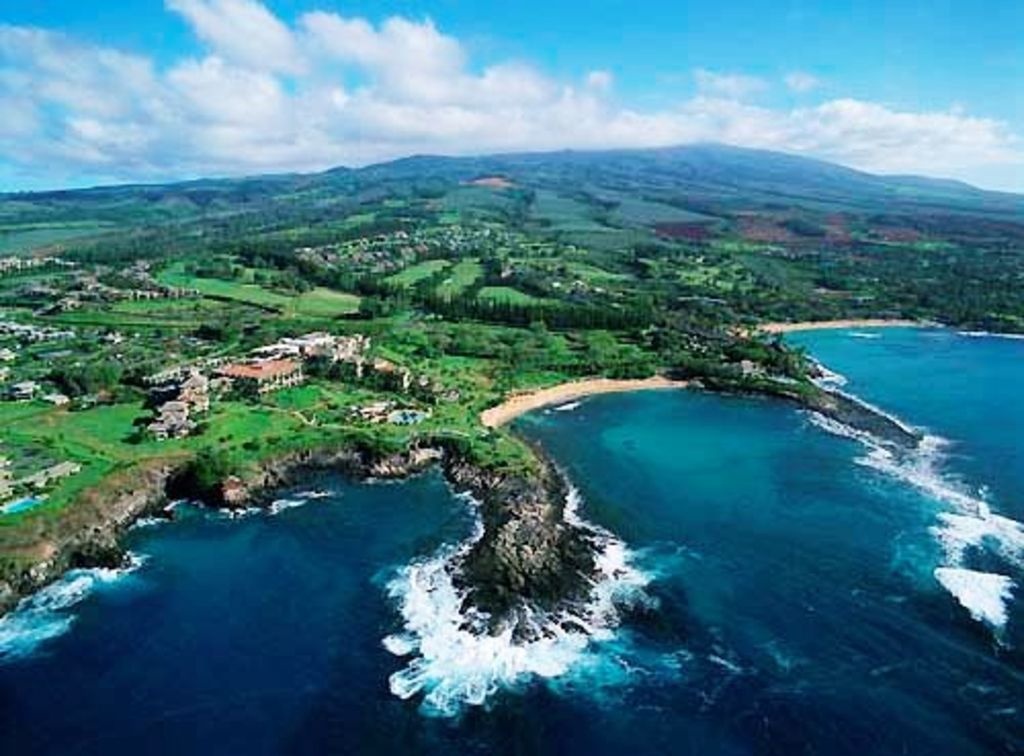 14
14Walking Tour
Kaunakakai is a small-town shoreline walk that rewards attentiveness: coral-framed views, working harbor rhythms, plantation-era storefronts, and quiet residential lanes that open unexpectedly onto ocean spray. Walking tours here are less about conquering peaks and more about moving at the pace of place—listening for fishermen calling nets ashore, reading architecture that maps the island’s social history, and pausing at pocket beaches and cultural sites that mark Molokai’s layered past and lively present.
Explore walking tour →15E-Bike
Kaunakakai, the mellow heart of Molokai, rewrites the island ride when you plug into an e-bike. With open coastal roads, ranch lands, and short dirt ribbons through coconut groves, e-bikes turn long distances into accessible day trips—perfect for travelers who want expansive ocean views without the uphill fight.
Explore e-bike →The city and the sea
Why Kaunakakai Belongs on Your Island Itinerary
Variety without surrendering the day to long transfers.
There is a distinct hush to Kaunakakai that reads like an invitation: not the neon hustle of big islands, but a paced, neighborly confidence that the sea will deliver the best of the day. Molokai’s central town is less a staging point and more a slow-moving vessel. Boats file out from the harbor at dawn under steady trade winds, seeking reefs and pods of spinner dolphins; fisherman mend nets and fishermen’s tales are currency. If you go, you’ll learn quickly that the island’s offerings are not about ticking attractions but about layering experiences—sail into a crescent bay, slide over a reef full of parrotfish and tangs, then climb a short valley trail to find a waterfall and a view that feels like a private postcard. This is a place where water activities dominate the agenda and define the pace: boat tours and sailing are the obvious ways to read the coastline, while snorkeling and scuba reveal coral gardens that reward patience. Surf is present but tasteful—Molokai’s breaks are for longboarders or those looking to catch a clean, cultural wave. For travelers who want land and sea in one trip, hiking around Halawa Valley or walking the pier at sunset pairs well with a morning kayak or an afternoon eco tour. The island’s scale makes it an appealing option for people who want authentic Hawaiian culture without being swallowed by crowds. Local outfitters are small and experienced, and eco-conscious tours and guides emphasize stewardship of reefs and cultural sites. Practical travel here favors light planning—book the boat and the guided snorkel for the first full day, keep an eye on swell windows for surf, and leave room to follow local recommendations from shopkeepers and captains. The payoff is a trip that feels handcrafted: fewer lines, more conversation, and the kind of calm mornings that let you listen to the ocean rather than watch a screen.
Access is straightforward: Kaunakakai’s harbor is the hub for most water departures, and a handful of reputable outfitters offer snorkeling, whale watching in season, and private boat charters. Rentals for kayaks, stand-up paddleboards, and occasional e-bikes let you explore nearshore coves and quiet roads at your own pace.
Pair active days with cultural moments—local history, craft markets, and evenings at low-key eateries. Molokai resists extreme development, which means logistics are simpler but also that services run on island time. Embrace that rhythm and you’ll find the island’s rewards multiply.
Conditions shape the day
The best time to visit Kaunakakai.
Molokai is moderated by trade winds year-round. Summers are warm with steady tradewinds and manageable afternoon breezes; winters are cooler and bring larger swells off the north and northeast, which is prime for whale season and dramatic surf. Rain tends to fall in short bursts and is heavier on windward slopes.
Best all-around window
Spring + fall
Comfortable mixed-itinerary weather, thinner crowds at beaches and lookouts, and more room to improvise.
Beach season
Winter holidays and December–March for whale watching draw more visitors—book boat tours and guided outings early.
Surf + whales
Late spring and early fall offer fewer crowds and pleasant ocean conditions for snorkeling and kayaking.
Coast to inland
Cool marine mornings often give way to warmer inland afternoons and breezy evenings.
Beginner
Short, guided water outings, mellow snorkeling in protected coves, and flat coastal walks that require minimal equipment or prior experience.
- Intro snorkel in a sheltered bay with a guided tour
- Walking tour of Kaunakakai pier and harbor
- Gentle kayak along protected coastline
Intermediate
Longer boat-based trips, surf sessions in manageable breaks, e-bike or self-guided coastal rides, and half-day hikes in accessible valleys.
- Half-day boat tour combining snorkeling and sighting wildlife
- E-bike coastal circuit and beach stops
- Guided hike into Halawa Valley with cultural interpretation
Advanced
Multi-day explorations, open-ocean paddles, advanced surf on larger breaks, and technical scuba diving that requires certification and experience.
- Deep reef or wreck scuba dives with a certified operator
- Open-water kayak expeditions to remote beaches
- Advanced surf sessions on seasonal reef breaks
Field kit
What to bring.
Pack for sun, salt water, walking, and a meaningful temperature swing between coast and inland Kaunakakai.
Essential
Start here
- Reef-safe sunscreen and sun hat
- Light wind shell for boat rides and cooler mornings
- Snorkel mask (or plan to rent) and reef shoes
- Hydration and small daypack for valley hikes
- Waterproof phone case or dry bag
Water days
Keep it dry
- Light, quick-dry layers and rash guard for extended water time
- Compact binoculars for whale and bird watching
- Reusable water bottle and reef-safe insect repellent
- Small first-aid kit and blister prevention supplies
Long days
Stay flexible
- E-bike helmet (if renting an e-bike) and lock
- Underwater camera or action camera with float
- Guidebook or app with local tide and swell info
Insider note
Start early, then keep the geography tight.
Book boat charters and guided snorkels early in high season and on whale-watching dates. Favor midweek departures for quieter waters and more personal attention from captains. Protect the reefs: use reef-safe sunscreen, avoid stepping on coral, and follow guide briefings. If you want surf, monitor swell forecasts and ask local shapers or surf shops about appropriate breaks for your skill level. For land exploration, choose guided cultural tours to access private valleys or sites with restricted access. Carry cash for small vendors and tip guides for attentive service; many island businesses are small and community-run.
Good to know
Frequently asked questions.
Can I do most activities without a guide?
You can do some activities—beach snorkeling near shore, walking tours, and casual surf sessions—without a guide. For offshore reefs, whale watches, scuba, or trips to remote coves it's safer and more informative to go with local operators.
Is whale watching reliable from Kaunakakai?
Yes in season (roughly December–March). Local boat tours increase during winter months to take advantage of humpback presence; sightings are common but never guaranteed.
Are there protected reefs for snorkeling?
Yes—Molokai’s reefs are fragile and many operators run reef-aware tours. Use reef-safe sunscreen, avoid touching coral, and follow guide instructions to protect marine life.
Ready when you are
Find the trip that fits your Kaunakakai day.
Compare bookable experiences across the coast, city, and mountains—then save the ones that belong in your plan.
Explore all Kaunakakai adventures ↗