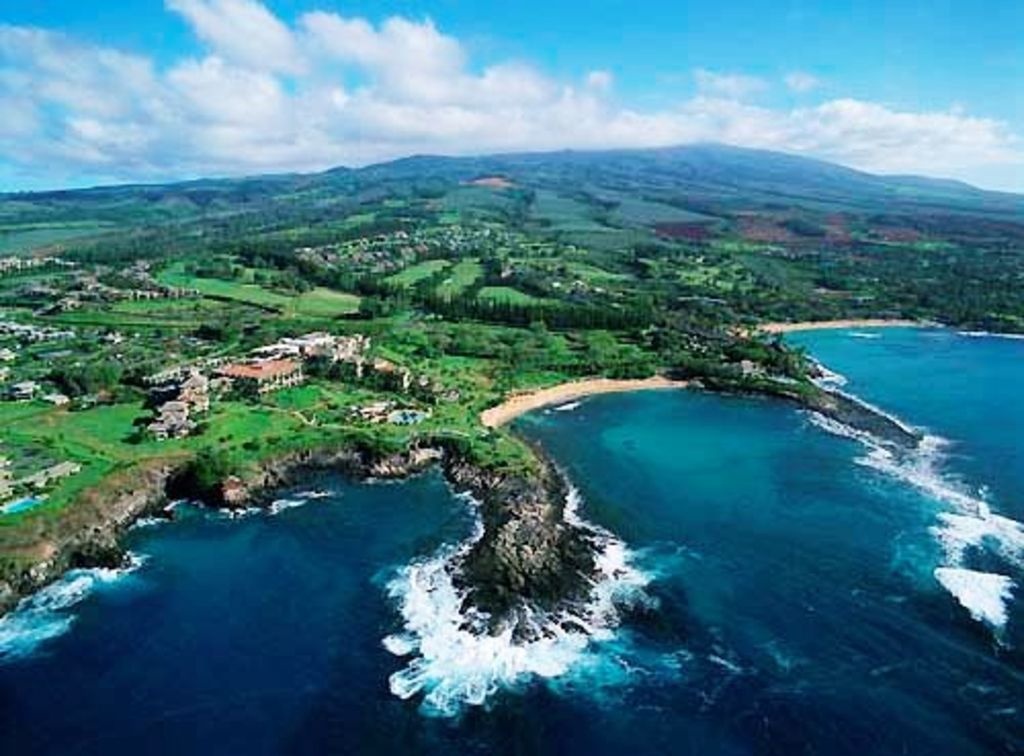
Top Walking Tours in Kaunakakai, Hawaii
Kaunakakai is a small-town shoreline walk that rewards attentiveness: coral-framed views, working harbor rhythms, plantation-era storefronts, and quiet residential lanes that open unexpectedly onto ocean spray. Walking tours here are less about conquering peaks and more about moving at the pace of place—listening for fishermen calling nets ashore, reading architecture that maps the island’s social history, and pausing at pocket beaches and cultural sites that mark Molokai’s layered past and lively present.
Top Walking Tour Trips in Kaunakakai
17 trips • Book with confidence • Instant confirmation
Why Kaunakakai Is a Standout Walking Tour Destination
Kaunakakai’s walking tours are quiet studies in coastal life—an unhurried choreography of fishing boats, shade trees, faded signage, and the low-slung roofs of a town that never forgot its working roots. Here, walking is an act of translation: pavement becomes a ledger of plantation labor and immigrant communities; the harbor becomes a classroom for ocean knowledge passed down through generations; and the shoreline, exposed at low tide, becomes a living museum of reef ecology. On a well-planned walk you move between those registers—past a storefront selling aloha shirts and poi, alongside roadside hala trees, and into tiny cultural markers that point to island stories most guidebooks skim over.
The terrain favors uncomplicated exploration: wide sidewalks, compact town blocks, and short stretches of packed sand and coastal paths. That accessibility makes Kaunakakai an inviting place for travelers who prefer slow discovery over strenuous exertion. But 'easy' is not the same as 'simple.' Each block can hold several distinct experiences—hands-on market stalls, historical plaques, and vantage points where the North Shore’s trade-wind patterns curl into a rhythm you can hear as much as see. A walking tour here can be a focused half-day itinerary—a harbor-to-main-street loop with stops at a fish market, a neighborhood church, and a shore lookout—or an extended cultural day that pairs village walks with visits to nearby native plant gardens, community-run museums, or guided trips to sites like Kalaupapa (note: access to Kalaupapa is regulated).
Seasonality shifts the mood more than the mechanics. In the drier months, shoreline paths stay firm and sunlit; during brief trade-wind squalls the town briefly smells of wet pandanus and sea salt. Locals keep a relaxed tempo year-round, so walking tours often feel like being invited into ongoing life rather than arriving as a spectacle. That intimacy is the region’s asset: Kaunakakai rewards attention, curiosity, and the small courtesies of respectful travel.
Walking tours pair naturally with other low-impact adventures: guided cultural experiences, kayak launches from nearby beaches, shore snorkeling near protected reefs, and birdwatching in coastal wetlands. These complementary activities let visitors layer motion with learning—one walk can feed interest in a second-day snorkeling or a farmer’s-market visit.
Because Kaunakakai remains lightly trafficked compared with larger Hawaiian towns, visitors who walk carefully and travel respectfully will often find more genuine exchange with residents. Local shops, cafes, and community centers offer both logistical support and chances to hear island histories in personal voices.
Best Time to Visit
Best Months
Weather Notes
Molokai has mild tropical weather year-round. Trade winds bring cooling breezes and occasional short rain squalls—dress in layers and carry sun and rain protection. The lower humidity and clearer skies of the spring and early fall months make walking tours most comfortable.
Peak Season
Summer months and winter holidays generally see higher inter-island traffic and more visitors.
Off-Season Opportunities
Visit in shoulder months for quieter streets and more time with local guides. Off-season can also mean greener coastal scenery after winter rains.
Frequently Asked Questions
Do I need permits for walking tours?
Most town walking tours do not require permits. Some culturally sensitive or protected sites in the region (for example, Kalaupapa) have regulated access—check site-specific rules before planning visits.
Are walking tours suitable for all ages and fitness levels?
Yes. Kaunakakai’s town and harbor walks are generally low-effort and appropriate for families, older adults, and casual travelers. Choose routes with minimal sand or steps for stroller or mobility-device access.
Is it better to take a guided walking tour or explore independently?
Both work well. Guided tours add historical and cultural context you’ll miss on your own; self-guided walks allow a slower pace and spontaneous stops. If you seek local stories, schedule a community-led or cultural-guides walk.
Choose Your Experience Level
Beginner
Short, flat loops focused on harbor views, main street shops, and easy shoreline stops. Suitable for families and those preferring relaxed pacing.
- Harbor promenade and fish market visit
- Historic Main Street cultural stroll
- Short coastal lookout loop
Intermediate
Longer village-to-shore routes that include uneven soft-sand sections, small staircases, and multiple stops for food, cultural sites, and viewpoints.
- Community neighborhood loop with cultural stopovers
- Harbor-to-north-shore coastal walk with beach breaks
- Guided tour highlighting plantation-era sites and local artisans
Advanced
Extended shoreline walks and linked trails needing navigation, tide awareness, and more planning—best for walkers who want multi-hour exploration with limited services.
- Full-day coastal traverse with tide planning
- Combined walking and snorkeling excursion requiring logistics
- Independent route that connects multiple rural viewpoints
Insider Tips & Local Knowledge
Respect local customs, private property, and marine life—Kaunakakai is a living community, not a theme-park backdrop.
Start your walk near the harbor early in the morning to watch fishing activity and avoid midday sun. Carry small bills for market purchases and be prepared to ask permission before photographing people or private properties. If a local suggests a different path or a quieter beach, consider taking it—some of the best experiences are improvisational. Check inter-island transport options and confirm return times; some complementary experiences (kayak launches, birdwatching, visits to cultural centers) may rely on local operators. Finally, prioritize Leave No Trace practices: pack out trash, stay on established paths, and treat reefs and tide pools as fragile living systems.
What to Bring
Essential
- Comfortable walking shoes with good grip
- Reusable water bottle (refill where available)
- Sun protection: hat, sunscreen, sunglasses
- Light rain shell (trade-wind squalls are common)
- Phone with offline map or local map printout
Recommended
- Small daypack for purchases and layers
- Portable charger for phone and camera
- Light snacks from local markets
- A notebook or small camera for documentary-style notes
Optional
- Binoculars for shorebird and ocean watching
- Swimwear and quick-dry towel if you plan short beach stops
- Cultural guidebook or phrase sheet for Hawaiian place names
Ready for Your Walking Tour Adventure?
Browse 17 verified trips in Kaunakakai with instant booking
Explore Top 15 Kaunakakai, Hawaii Adventures →