
Kapoho adventure guide
Find your way into Kapoho.
A pocket of shoreline on Hawaiʻi Island’s eastern flank, Kapoho is the sort of place where the ocean and the earth feel like living, adjacent neighbors. Mornings here can begin with a snorkeling cruise into coral gardens and end with a slow reconnaissance of tide pools at low water. The top activities—sightseeing tours, hiking, water activities, eco tours, and photography tours—read like an itinerary that favors immediacy: salt on your skin, light that changes by the minute, and terrain that invites curiosity. Outfitters run boat tours and kayak trips from nearby put-ins; scuba and snorkel options give access to reefs and lava-hewn shorelines; fishing charters and guided kayak trips put fresh-catch possibilities on the same bill as sunset photography. This guide stitches those experiences into a practical travel companion: whether you’re planning a walking tour of coastal points, a bus or air activity to widen your range, or a quiet day of reef exploration, you’ll find clear options and what to bring so you can spend less time planning and more time looking out at the horizon.
Three ways into the city
Pick a landscape. Build a day around it.
Kapoho is less a single destination than a collection of neighboring worlds. Start with the version of the city that matches your pace, then use the ranked guide below to fill in the details.

Begin where the city meets the sea.
Surf breaks, sheltered harbors, whale routes, and long beach paths make the coast LA’s most immediate outdoor playground.
Explore water activities →
Let a local connect the landmarks.
Use a guided city, walking, or sightseeing tour to turn LA’s sprawl into a coherent story.
Explore sightseeing tour →Ride the coast and the city.
Beach paths, river corridors, e-bikes, and ridge climbs reveal a more connected Los Angeles.
Explore water activities →Choose your way into Kapoho
The top 15 Kapoho adventures.
Ranked by the number of currently listed trips. Each panel opens the complete local activity collection.
1Sightseeing Tour
Kapoho is a small stretch of Hawaiʻi Island coastline where ocean, lava, and human stories converge. Sightseeing tours here focus on the dramatic meeting of land and sea — tide pools, blackened lava benches, quiet bays, and the living memory of the 2018 eruption that reshaped the coast. Tours range from short guided strolls and low-tide snorkeling visits to scenic drives and boat-based sunset runs that center geology, marine life, and local culture.
Explore sightseeing tour → 2
2Hiking
Hiking around Kapoho is an exercise in walking on a living landscape. Trails thread between raw lava fields, sheltered rainforest pockets, and a coastline perpetually remade by volcanic force. Expect short coastal walks, rugged lava-slab treks, and secret coves that reward patient exploration—each step shaped by heat, salt, and the slow art of geological change.
Explore hiking →3Water Activities
Kapoho’s shoreline is an intimate lesson in fire and water: a coastline carved by lava, threaded with tidepools and sheltered bays where coral gardens and tropical fish congregate. Water activities here favor short swims and up-close exploration—snorkeling among tide pools, gentle stand-up paddles at dawn, shoreline fishing, and guided coast-kayaking. Conditions change fast on the Big Island’s eastern edge—mornings often glassy, afternoons touched by trade winds, and winter swells turning the same horizon into a surfer’s stage. This guide collects the region’s 19 best water-focused experiences and pairs that local texture with practical planning: where to launch, when to go, what to bring, and how to read the water before you step in.
Explore water activities → 4
4Eco Tour
Kapoho’s coastline reads like a natural laboratory: shallow tide-pool networks, coral gardens, and a shoreline reshaped by lava flows and tropical currents. Eco tours here focus on low-impact marine exploration, cultural context, and habitat restoration—guided experiences that connect snorkeling and tidepooling with native-plant walks, bird and insect observation, and community conservation projects. Expect small-group outings led by local naturalists, accessible shore-based exploration, and the occasional kayak or snorkel launch to reach calmer reef pockets.
Explore eco tour →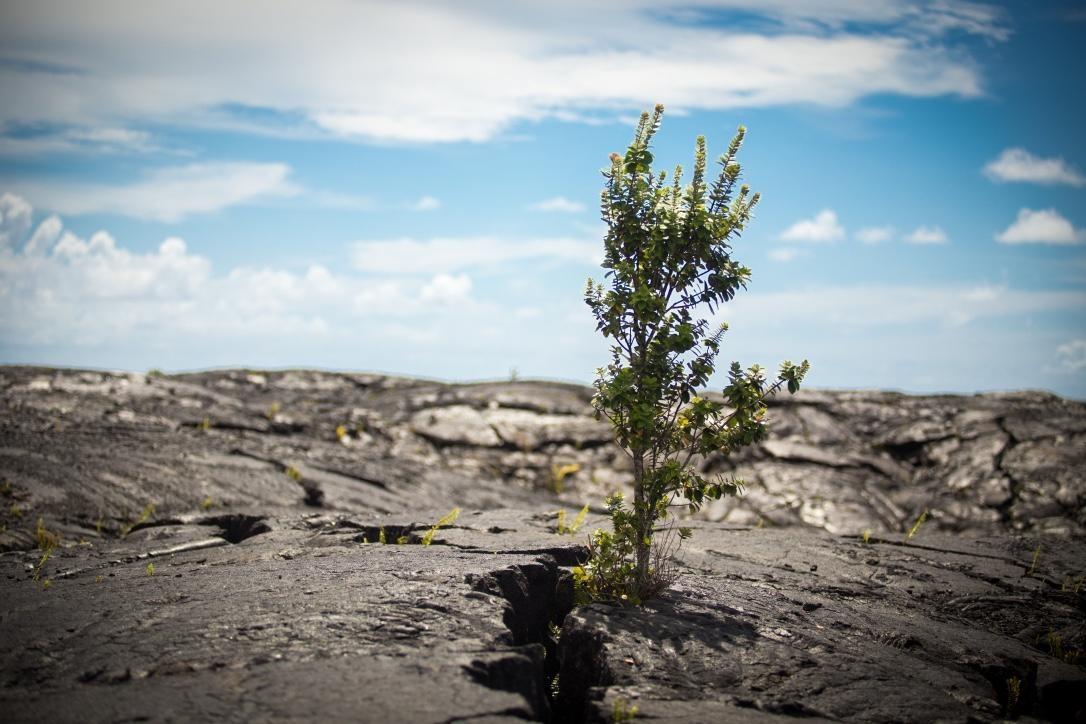 5
5Photography Tour
Kapoho is a small, wildly photographic stretch of coastline where tropical tide pools meet jagged lava shelves and the light bends in spectacular ways. Photography tours here emphasize golden-hour seascapes, intimate tidepool macro work, and landscape compositions framed by raw volcanic geology. Tours range from short sunset excursions to full-day itineraries that chase sunrise, surf, and stars across the Puna coast.
Explore photography tour → 6
6Boat Tour
Boat tours from Kapoho introduce travelers to a coastline shaped by living geology, resilient coral gardens, and close-up encounters with marine wildlife. These short to half-day excursions emphasize snorkeling, wildlife viewing, and quiet coastal cruising—perfect for travelers who want the sea’s perspective of Hawaii’s eastern Big Island.
Explore boat tour → 7
7Walking Tour
Kapoho's walking tours are intimate coastal narratives: shoreline strolls over lava-born black sand, tide-pooling sessions in crystalline coves, and cultural saunters through places reshaped by fire and sea. These guided and self-guided walks balance geology and local history with easy access to snorkeling, birdwatching, and quiet beachcombing—perfect for travelers who want to feel the island's changing edges underfoot.
Explore walking tour → 8
8City Tour
Kapoho's city tours fold quiet coastal neighborhoods, volcanic histories, and salt-sparked shorelines into compact experiences designed for curious travelers. These tours are less about skyscraper skyline views and more about intimate encounters: barefoot markets, lava-sculpted coves, roadside fruit stands, and storytellers whose histories explain how the land keeps changing. Expect short drives between stops, walkable neighborhoods, and easy opportunities to add tide-pooling, snorkeling, or a shoreline hike to any route.
Explore city tour →Scuba
Kapoho's shoreline is a raw, intimate classroom for scuba divers: lava-formed benches, new reef growth, and sheltered tide-pool fringes create short boat runs and accessible shore dives that reward curiosity. This guide focuses on scuba experiences—shore entries, small-boat reef dives, and complementary water activities—mapped for travelers who want to dive where geology and the sea meet in immediate, visible ways.
Explore scuba →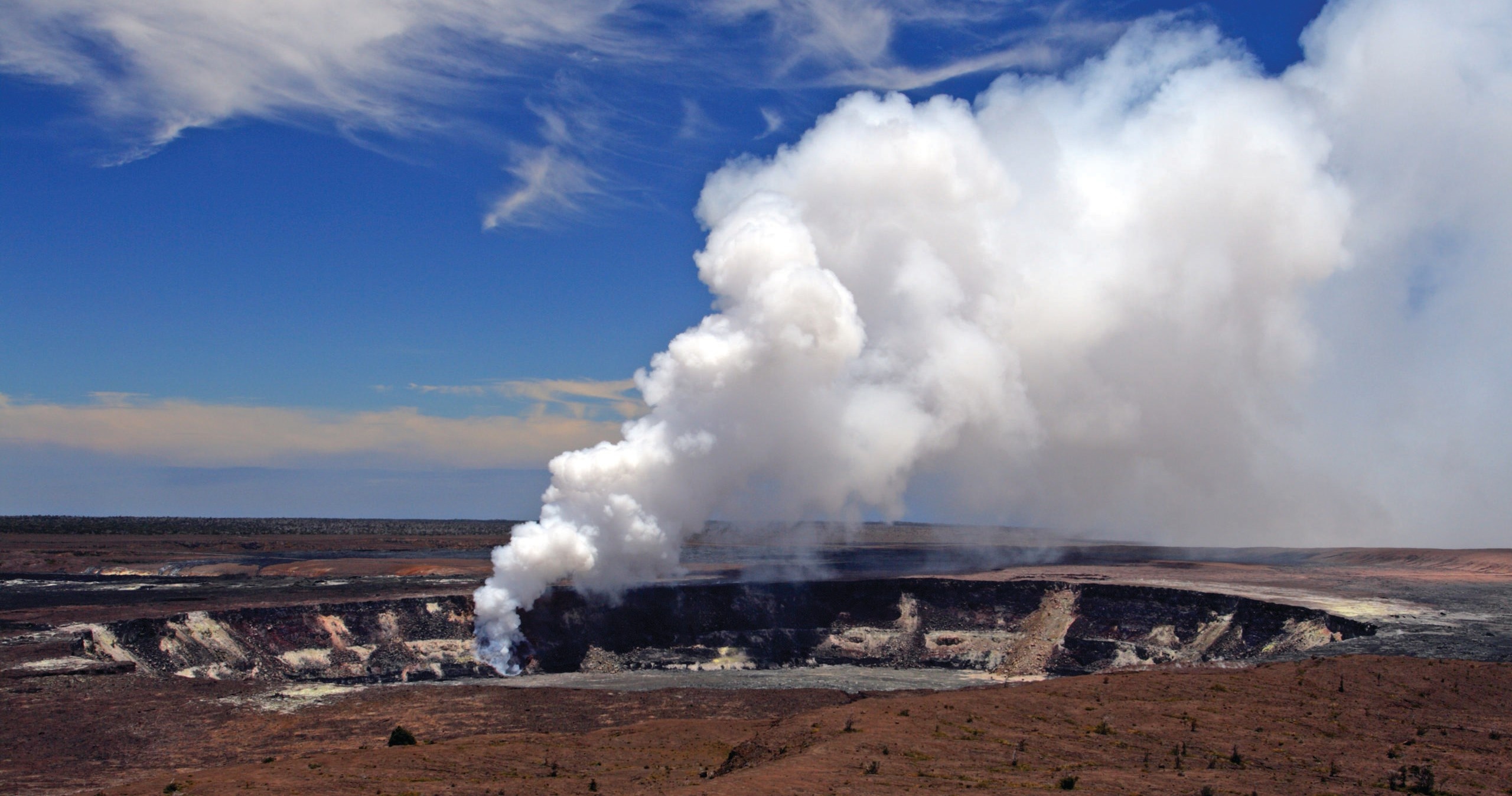 10
10Bus Tour
Bus tours in Kapoho offer a slow-roll, sensory approach to one of Hawaiʻi Island’s most elemental shorelines. From coastal panoramas and black-sand remnants to botanical patches and shoreline tidepools, guided drives let you absorb volcanic landscapes with expert context—without the logistical friction of navigating narrow coastal roads or hunting parking. This guide focuses on the bus-tour experience: what you’ll see, when to go, accessibility and terrain considerations, and how to choose an operator for the pace and interests you prefer.
Explore bus tour →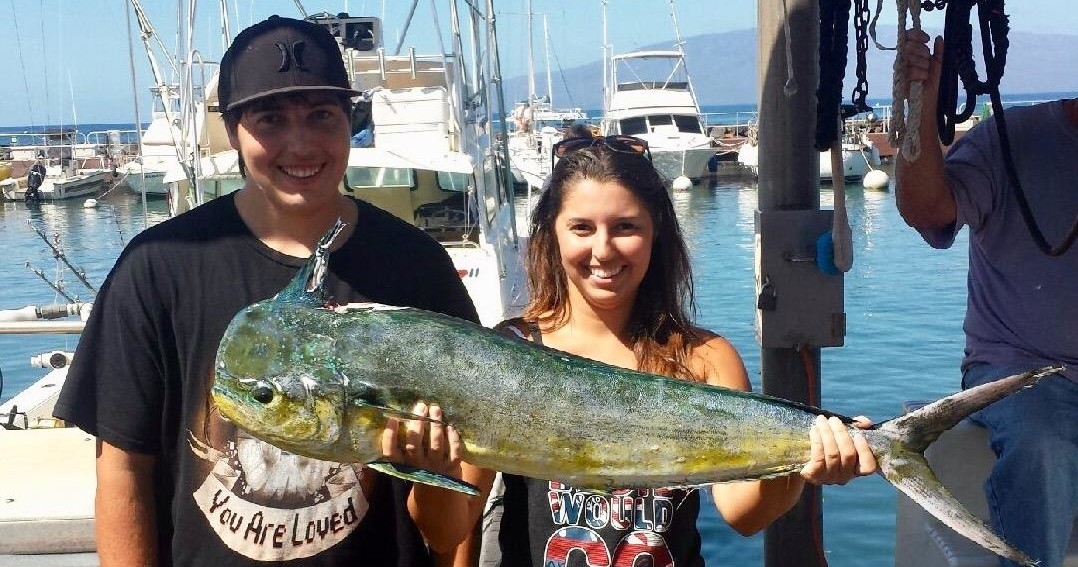 11
11Fishing
Kapoho’s fishing life is intimate and elemental: a shoreline braided with tidepools, sharp lava outcrops, and pockets of sheltered water where reef species gather and pelagics patrol offshore. Anglers come for accessible shorecasting, kayak and small-boat reef fishing, and quick runs to blue-water gamefish. This guide focuses on how to fish Kapoho—where to cast, when to go, what to bring, and how to pair a day on the water with snorkeling, tidepool exploration, and quiet coastal hikes.
Explore fishing → 12
12Kayak
Kapoho compresses the raw geology of Hawaii into paddling strokes: black lava shelves, sheltered emerald bays, and nearshore reefs that host hawksbill turtles and luminous reef fish. Kayaking here is intimate—small-group coastal runs, guided lava-coast explorations, and calm mangrove flats where the water reads like glass. The activity is as much about the shoreline geology and marine life as it is about paddling technique; tides, wind, and reef channels dictate the route. Expect a sensory mix of warm Pacific salt, sunlit coral gardens, and the occasional hiss of steam where cooled lava meets the sea.
Explore kayak → 13
13Snorkel
Kapoho's shoreline is a study in contrasts: jagged black lava fingers give way to shallow turquoise bays, warm spring-fed pools sit a short walk from reef-strewn shorelines, and narrow lava channels funnel clear water over coral gardens. This guide focuses on snorkel experiences within and around Kapoho—shore entries, protected tide pools, and short local boat runs—emphasizing how to choose sites by skill, sea state, and seasonal conditions.
Explore snorkel →Air Activities
Kapoho’s shoreline and volcanic backdrop turn air activities into more than thrills—they’re a way to read the island from above. From low-and-slow scenic flights that trace lava-carved coastlines to tandem paraglides and coastal kite-sessions, the sky above Kapoho reveals turquoise tide pools, black sand remnants, and the ever-changing face of Kīlauea.
Explore air activities →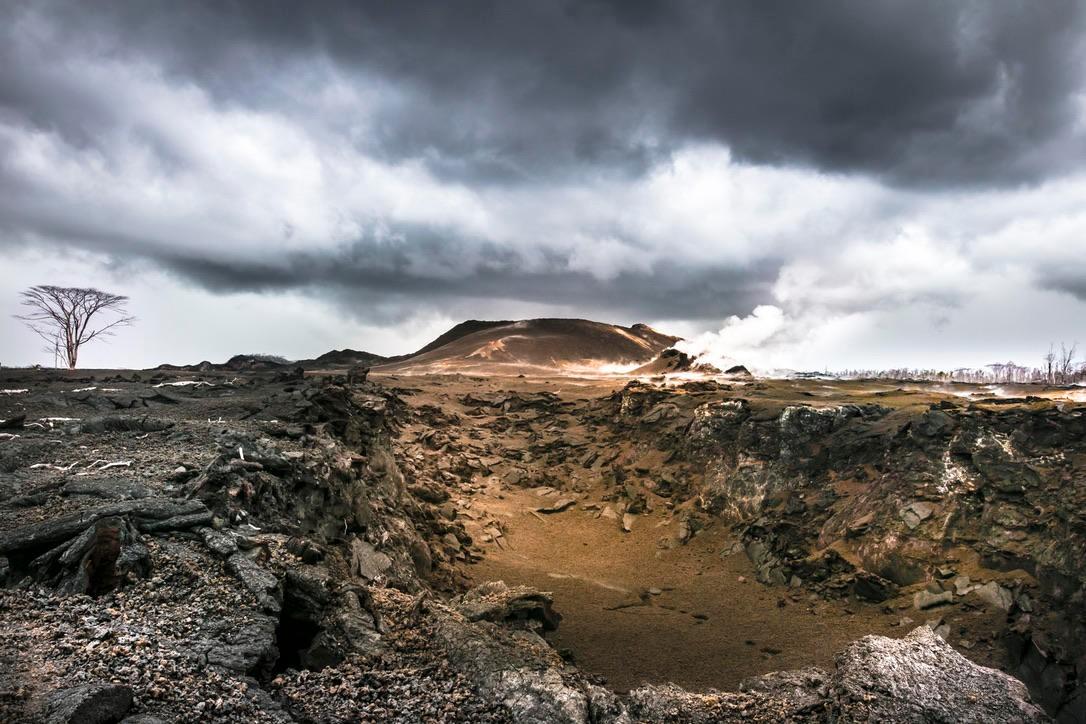 15
15Climbing
Kapoho’s climbing identity is defined by volcanic rock, intimate seaside approaches, and a landscape that changes with the island’s geological heartbeat. This is a place for low-angle bouldering, adventurous scrambles along lava shelves, and careful, small-group alpine-style exploration rather than polished sport crags—where tide schedules, sharp glassy basalt, and fragile coastal ecosystems shape every ascent.
Explore climbing →The city and the sea
Why Kapoho Belongs on Your Adventure Shortlist
Variety without surrendering the day to long transfers.
Kapoho reads like a coastal primer for travelers who prefer their days measured by tide charts and golden-hour surf. It’s compact—an intimacy that rewards curiosity. Walk a shoreline and you’ll find tide pools brimming with life, lenses trained by photographers on reef texture and reef fish, and small-boat captains calling out for divers and snorkelers to slip into warm water. Sightseeing tours and eco tours here aren’t just about ticking boxes; they’re an invitation to learn how lava, lagoon, and reef layered this landscape over centuries. That interplay between geology and marine life makes the place as compelling for a photography tour as it is for a family-friendly snorkel. Practicality sits beside romance. Kayak and boat tours provide both access and orientation—put-ins and pickups save time, and guides can point out the best snorkel spots, the productive fishing grounds, and where sea turtles and reef fish tend to gather. Hikers and walking tours follow coastal ridgelines and short lava trails that reward steady legs with sweeping views, while scuba options let certified divers explore deeper reef structures. For visitors who want edges instead of epic traverses, easy walking tours and sightseeing drives deliver high return on low effort: short distances, big views, and abundant photography opportunities. Culturally and ecologically, Kapoho sits within a living island story. Local guides often combine natural history with cultural context—anchoring a morning snorkel with tales of canoe routes, reef stewardship, and the traditional relationships between people and sea. That makes eco tours an excellent choice for travelers who want more than photos; they want a sense of place. For those building multi-day plans, mix in an air activity or a longer boat tour to see the coastline from above or offshore for dolphins, and schedule a guided fishing trip if you want hands-on lessons from local anglers. The best visits balance motion with stillness: a kayak launch at dawn, a midday snorkel, then a late-afternoon photography scramble to a rocky promontory. Seasonally, Kapoho is forgiving. Many water activities and hikes are possible year-round, but pay attention to local conditions: surf, currents, and weather can reroute plans quickly. Bring reef-safe sunscreen, reef etiquette, and a readiness to follow guide advice. Whether you’re a casual traveler attracted to easy snorkeling and relaxed sightseeing tours, or an avid adventurer stacking hikes, scuba dives, and kayak runs, Kapoho’s compact coastal palette makes it a smart, accessible destination for a wide range of skill levels.
Access is straightforward from nearby hubs; local outfitters provide rentals, guided snorkel and scuba trips, kayak launches, and boat tours that eliminate guesswork.
Choose guided options (boat tour, eco tour, or scuba charter) for unfamiliar currents or when you want local natural-history context and safer marine access.
Pack for variable conditions—morning fog can give way to blistering sun; reef-safe sunscreen and a light shell will keep you comfortable on shore and at sea.
Conditions shape the day
The best time to visit Kapoho.
Hawaii’s coastal weather is broadly temperate year-round. Expect trade-wind trade-offs: breezy days make for choppy water but clearer skies; calm periods produce glassy snorkeling conditions. Short, localized showers can appear any time—pack a light shell for boat decks and shoreline walks.
Best all-around window
Spring + fall
Comfortable mixed-itinerary weather, thinner crowds at beaches and lookouts, and more room to improvise.
Beach season
Holiday windows and summer bring higher visitation; book boat tours, scuba charters, and guided activities in advance during these periods.
Surf + whales
Shoulder months (spring and fall) often deliver quieter water and more availability with similar weather—ideal for photography tours, kayak launches, and extended snorkeling sessions.
Coast to inland
Cool marine mornings often give way to warmer inland afternoons and breezy evenings.
Beginner
Short, guided outings and easy shore-based activities that require minimal skill—perfect for families and first-time visitors.
- Guided snorkel trip to shallow reefs
- Short walking tour of accessible tide-pool areas
- Boat sightseeing tour along the coast
Intermediate
Longer excursions and activities that assume basic water skills—solo kayak trips in sheltered bays, intermediate hikes on uneven coastal terrain, and guided scuba for newly certified divers.
- Half-day kayak tour of nearshore coves
- Photography tour timed for sunrise or sunset
- Guided fishing trip with local anglers
Advanced
Multi-modal days and technical outings—advanced scuba in deeper reef sections, open-water fishing, or air activities that require booking and planning.
- Deep scuba dives with local charters
- Offshore sport-fishing charter
- Air activities (scenic flights) for coastline reconnaissance
Field kit
What to bring.
Pack for sun, salt water, walking, and a meaningful temperature swing between coast and inland Kapoho.
Essential
Start here
- Reef-safe sunscreen and sun hat
- Swimwear and quick-dry layers
- Snorkel or mask if you prefer your own fit
- Dry bag for phone, wallet, and camera
- Light footwear for lava rock and slippery tide pools
Water days
Keep it dry
- Compact camera or mirrorless with a wide-angle lens for reef and landscape shots
- Light wind shell for on-deck boat tours and early mornings
- Water shoes for tide pools and rocky shorelines
- Small first-aid kit and motion-sickness remedies if you’re prone to seasickness
Long days
Stay flexible
- Wetsuit top or shorty for longer snorkel or scuba sessions
- Binoculars for offshore wildlife and birding
- Portable phone charger and a waterproof phone case
Insider note
Start early, then keep the geography tight.
Start early for calm water and softer light—dawn launches improve the odds for clear snorkeling and smoother paddling. Use reef-safe sunscreen and follow guide advice on buoyancy and approach distances to protect coral and wildlife. If you’re photographing, bring a polarizing filter to cut glare and enhance underwater color from a boat. When tide pools are your target, consult tide charts and visit at low tide; avoid touching or collecting marine life. Book scuba, boat, and specialty photography tours in advance during peak windows. Finally, favor outfitters that emphasize local stewardship—eco tours that share cultural context tend to enrich the experience and support conservation efforts.
Good to know
Frequently asked questions.
Do I need a guide for snorkeling and scuba?
For snorkeling you can often go from shore with basic experience, but guided boat snorkel trips and eco tours increase safety and local knowledge. Scuba requires certification; guided dives are recommended for unfamiliar reefs and variable conditions.
Are tide pools safe for families?
Tide pools can be family-friendly when visited at low tide and with care—watch for slippery rock, sudden swell, and delicate marine life. Stick to marked access points and avoid stepping on coral or disturbing creatures.
Can I combine hiking and water activities in one day?
Yes. Many visitors pair a morning kayak or snorkel with an afternoon coastal walk or short hike. Staging your day by tides and wind improves the odds of calm water and better photo light.
Ready when you are
Find the trip that fits your Kapoho day.
Compare bookable experiences across the coast, city, and mountains—then save the ones that belong in your plan.
Explore all Kapoho adventures ↗