1

Photography Tours in Kapoho, Hawaii

Kapoho, Hawaii, United States

Kapoho is a small, wildly photographic stretch of coastline where tropical tide pools meet jagged lava shelves and the light bends in spectacular ways. Photography tours here emphasize golden-hour seascapes, intimate tidepool macro work, and landscape compositions framed by raw volcanic geology. Tours range from short sunset excursions to full-day itineraries that chase sunrise, surf, and stars across the Puna coast.

13
Activities
Best spring–fall with winter surf windows
Best Months

Top Photography Tour Trips in Kapoho

13 trips • Book with confidence • Instant confirmation

Why Kapoho Is a Standout Photography Destination

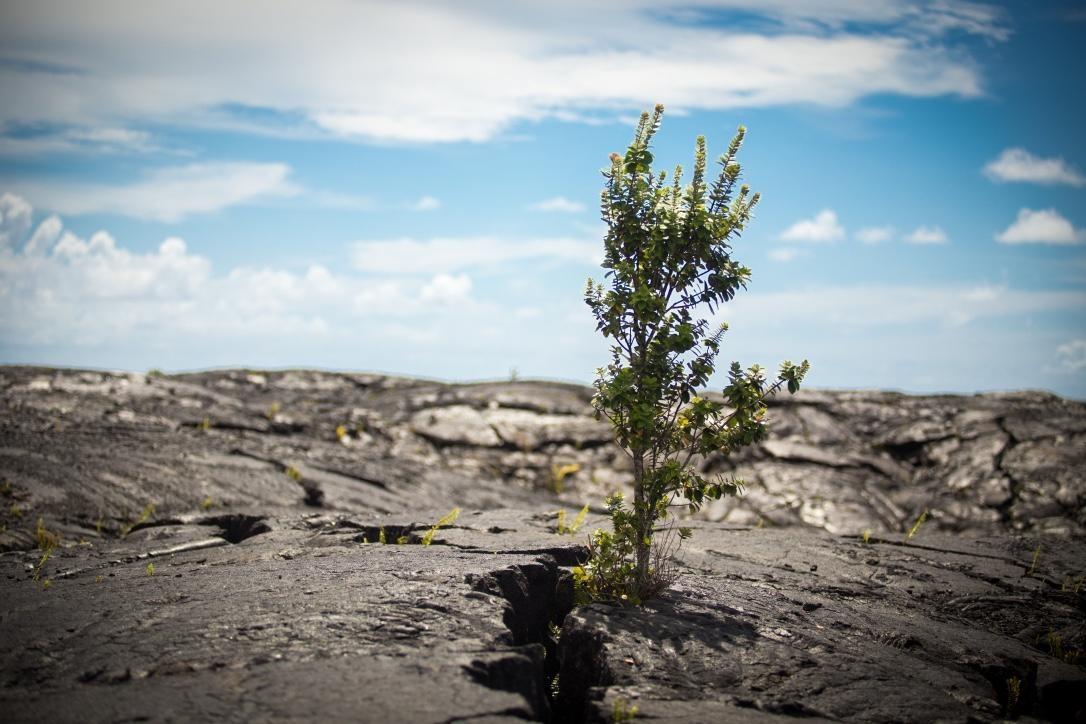
Kapoho's coastline reads like a photographer's primer on contrast: black lava shelves scoured by tropical seas, jewel-toned tide pools, and fringes of verdant vegetation that push right up to the shore. The place is compact but endlessly variable—an hour's light can transform the same outcrop from hard, detailed monochrome into molten color as the sun drops toward the horizon. For photographers, Kapoho offers a rare combination of accessible compositions and geological drama. You can work macro on patterns of algae and tiny anemones in the tide pools, shift to medium-format framing for the juxtaposition of smooth water and pitted lava, then finish with wide-angle panoramas that place a jagged coastline against a big Puna sky.

The region's modern photographic identity is inseparable from its geology and recent history. The 2018 Lower Puna flows reshaped beaches, buried roads, and altered access; that dynamism is part of the story you capture here. Photographs from Kapoho are rarely static—tides, swell, and shifting light animate scenes in ways that reward patience and local knowledge. That makes guided photography tours particularly valuable: local guides know tide lines, the safest viewpoints, how to catch the brief windows when brackish pools mirror the sky, and where to watch for ephemeral reflections after a storm.

Cultural and environmental context matters too. Kapoho sits in a landscape that Hawaiian communities regard with deep connection. Photographers should prioritize respectful access, avoid trampling fragile tide-pool communities, and follow local guidance about private property and permitted areas. Many tours weave cultural interpretation into the schedule—stories about the land (aina), place names, and how lava and sea have shaped both ecology and settlement—so your images arrive with fuller meaning.

Practically speaking, Kapoho rewards modest investment in gear protection and timing strategy. Salt spray, humid air, and abrasive lava demand weather-sealed bodies or protective covers; low-angle sun makes tripods essential for long exposures; and a good polarizer will pull rich color from wet rock and reduce glare on pools. Seasonally, late spring through fall is often the driest, providing more predictable sunsets and calmer seas, while winter months bring big surf and dramatic storm light—photographically compelling but potentially hazardous. Whether you're a curious beginner or a seasoned landscape shooter, Kapoho's compact scale and intense variety make it a place to build a diverse shoot list in a short time, provided you plan around tides, weather, and local access.

Tours focus on three core subjects: tide pools and macro shoreline life, lava-sculpted coastal landscapes, and golden-hour seascapes.

Local guides orient photographers to safe vantage points, tidal timing, and light strategies—especially useful where shifting sand and recent lava have changed routes.

Kapoho complements other Puna activities: snorkel scouting in tide pools for underwater shots, botanical walks for macro flora, and night-sky sessions when volcanic haze clears.

Activity focus: Coastal & Tide-Pool Photography
Small area—high photographic density
Tides and surf shape access and compositional opportunities
Tour types: sunset, sunrise, half-day, full-day, and private instruction
Respect private property and fragile ecosystems; follow guide instructions

Best Time to Visit

Best Months

AprilMaySeptemberOctoberNovember

Weather Notes

Late spring through fall tends to offer more stable trade-wind conditions and clearer evenings for sunset and star photography; winter brings larger surf and dramatic skies but also higher rain probability and stronger onshore winds. Humidity and salt spray are year-round considerations.

Peak Season

Holiday periods and summer months draw more visitors and local traffic; weekends can be busier on popular headlands.

Off-Season Opportunities

Weekdays in the shoulder seasons (spring and fall) often provide quiet shooting windows. Winter storms can create dramatic light and swell—ideal for moody seascapes if you prioritize safety.

Frequently Asked Questions

Do I need permits to photograph in Kapoho?

Most casual photography from public shorelines doesn't require a permit, but drone use, commercial shoots, or access to private property may require permissions. Always ask your tour operator about permits for commercial work or special locations.

Are tours suitable for beginners?

Yes. Many photographers begin with guided sunset or tide-pool tours that cover basic composition, exposure for long exposures, and safety near water and lava. Private instruction is available for personalized learning.

What are the main safety concerns for photography in Kapoho?

Changing tides, slippery rocks, and sharp lava are the primary hazards. Salt spray can damage gear—use covers and clean equipment after the shoot. If you plan on entering tide pools or snorkeling, check currents, never go alone, and heed guide warnings.

Choose Your Experience Level

Beginner

Short, guided sessions focused on composition basics, tripod technique, and safe tide-pool shooting.

  • Sunset composition workshop at a protected headland
  • Tide-pool macro intro with guided spotting
  • Hands-on tripod and long-exposure basics session

Intermediate

Half-day tours that mix macro and landscape work, introduce neutral-density techniques, and refine exposure blending.

  • Golden-hour to blue-hour coastline tour
  • Macro-to-wide workflow session around multiple tide pools
  • Long-exposure surf studies and composition coaching

Advanced

Full-day, bespoke expeditions that chase ideal light around Puna, incorporate advanced techniques, and may include night-sky or underwater components.

  • Full-day sunrise-to-stars shoot with location scouting
  • Astrophotography session away from light scatter
  • Technical tide-pool macro and focus-stacking workshop

Insider Tips & Local Knowledge

Check tides, weather, and local access updates before heading out; conditions and routes can change after storms or lava activity.

Start shoots on a rising tide for dynamic foregrounds but avoid high surf windows where waves can sweep across low ledges. Mid- to low-tide reveals the best tide-pool life and foreground textures. Use a polarizer to cut surface glare on pools and deepen rock colors; a 3–6 stop ND filter helps smooth water for moody compositions. Bring two camera bodies or swap lenses carefully—sand and salt are the real equipment enemies here. When shooting with a guide, ask about lesser-known coves for intimate work and walk routes that reduce trampling of delicate intertidal zones. Finally, plan to rinse gear after each outing: freshwater and gentle drying prevent long-term corrosion from salt exposure.

What to Bring

Essential

  • Weather-sealed camera body or protective rain/dust cover
  • Sturdy tripod with low-angle capability
  • Wide (16–35mm) and medium (24–70mm) lenses; a macro 90–105mm for tide pool detail
  • Circular polarizer and a 3–6 stop ND filter for long exposures
  • Extra batteries and memory cards (humidity drains batteries faster)

Recommended

  • Lens cloths and silica gel packs for moisture control
  • Boots or shoes with good traction for uneven lava and rocks
  • Lightweight rain shell and sun protection (hat, sunscreen)
  • Waterproof field bag or dry sack for gear
  • Hand towel and a small first-aid kit

Optional

  • Flash or small LED for fill on macro subjects
  • Telephoto lens (70–200mm) for distant surf and birdlife
  • Drone (check local rules and tour policy before flying)
  • Underwater housing or action camera for snorkel shots

Ready for Your Photography Tour Adventure?

Browse 13 verified trips in Kapoho with instant booking

Explore Top 15 Kapoho, Hawaii, United States Adventures →