
Kailua adventure guide
Find your way into Kailua.
Nestled on Oʻahu’s windward coast, Kailua is a compact seaside town where early-morning surf checks give way to kayak shuttles past the Mokulua islets and slow, sunlit strolls along powdery beaches. This guide maps the best ways to spend your day—from soft-shoulder paddle sessions and reef-side snorkeling to culture-forward eco tours and photography outings—so you can trade guesswork for a plan that fits your pace.
Three ways into the city
Pick a landscape. Build a day around it.
Kailua is less a single destination than a collection of neighboring worlds. Start with the version of the city that matches your pace, then use the ranked guide below to fill in the details.

Begin where the city meets the sea.
Surf breaks, sheltered harbors, whale routes, and long beach paths make the coast LA’s most immediate outdoor playground.
Explore water activities →
Let a local connect the landmarks.
Use a guided city, walking, or sightseeing tour to turn LA’s sprawl into a coherent story.
Explore boat tour →Ride the coast and the city.
Beach paths, river corridors, e-bikes, and ridge climbs reveal a more connected Los Angeles.
Explore snorkel →Choose your way into Kailua
The top 15 Kailua adventures.
Ranked by the number of currently listed trips. Each panel opens the complete local activity collection.
1Water Activities
On Oʻahu’s windward coast, Kailua condenses Pacific clarity, steady trade winds, and a lineup of accessible ocean activities into a single seaside town. From glassy-morning standup paddle sessions to cross-channel kayak trips to the twin Mokulua islets, Kailua’s water world is about intimate encounters with reef, sea turtle, and swell—delivered with island calm and practical accessibility.
Explore water activities →2Boat Tour
Kailua’s turquoise lagoon and the twin silhouettes of the Mokes make for boat tours that read like a postcard: sheltered waters for calm morning sails, rocky islets ringed with coral, and a coastline stitched with local history. This guide focuses on the boat-based experiences—from calm bay sails and snorkel runs to sunrise paddles and wildlife watching—that let you move through the place rather than just look at it.
Explore boat tour →Snorkel
Kailua’s sheltered bays and offshore islets offer some of Oahu’s most inviting shallow-reef snorkeling: glassy mornings, broad coral gardens, and curious green sea turtles. This guide zeroes in on where to slip beneath the surface, when the water is at its clearest, and how to pair snorkel days with kayaking, SUP, and light coastal hikes.
Explore snorkel → 4
4Sightseeing Tour
Kailua's sightseeing tours are an invitation to slow down and see island life from human-scale vantage points: sandy shorelines, turquoise inlets, coastal ridgelines, and neighborhood streets lined with local businesses. Whether you're drifting by kayak past the twin Mokulua islets at sunrise, pedaling an e-bike through palms and surf shops, or taking a walking tour that threads history and aloha through Kailua Town, the town's tours emphasize lightness — an intimacy with place rather than a checklist. Expect short transfers, easy-to-moderate terrain, and a strong outdoors orientation that pairs well with snorkeling, short hikes, and beach time.
Explore sightseeing tour → 5
5Surf
Kailua is where glassy, waist‑high beach breaks meet full‑throttle trade winds. On any given day you’ll find a blended lineup of longboarders, shortboarders, SUP paddlers, windsurfers and kitesurfers — each drawn to the predictable breeze, sheltered reef geometry, and the easy access of a town that feels built for water. This guide focuses on surfing Kailua: reading the wind window, choosing the right break for your level, and pairing a surf day with paddling to the Mokulua islets or sunset strolls along powdery sand.
Explore surf → 6
6Scuba
Kailua’s turquoise shallows and sheltered bays make it one of Oʻahu’s friendliest gateways to the underwater world. From easy, shallow reef dives off Kailua Beach to boat trips that drop divers around the rugged Mokulua islets and offshore pinnacles, this compact seaside town pairs warm water, clear visibility, and abundant marine life. The experience here pairs well with kayaking, snorkel safaris, and coastal hiking — so expect surface intervals spent exploring hibiscus-lined shorelines or paddling out to sea for a sunrise briefing.
Explore scuba → 7
7Sailing
Kailua's turquoise bay, steady trade winds, and easy launch access make it one of Oahu's most inviting places to get on the water. From gentle morning sails around the Mokulua islets to sun-dipped evening cruises and hands-on learn-to-sail clinics, sailing in Kailua balances effortless beauty with clear, accessible conditions for a wide range of abilities.
Explore sailing →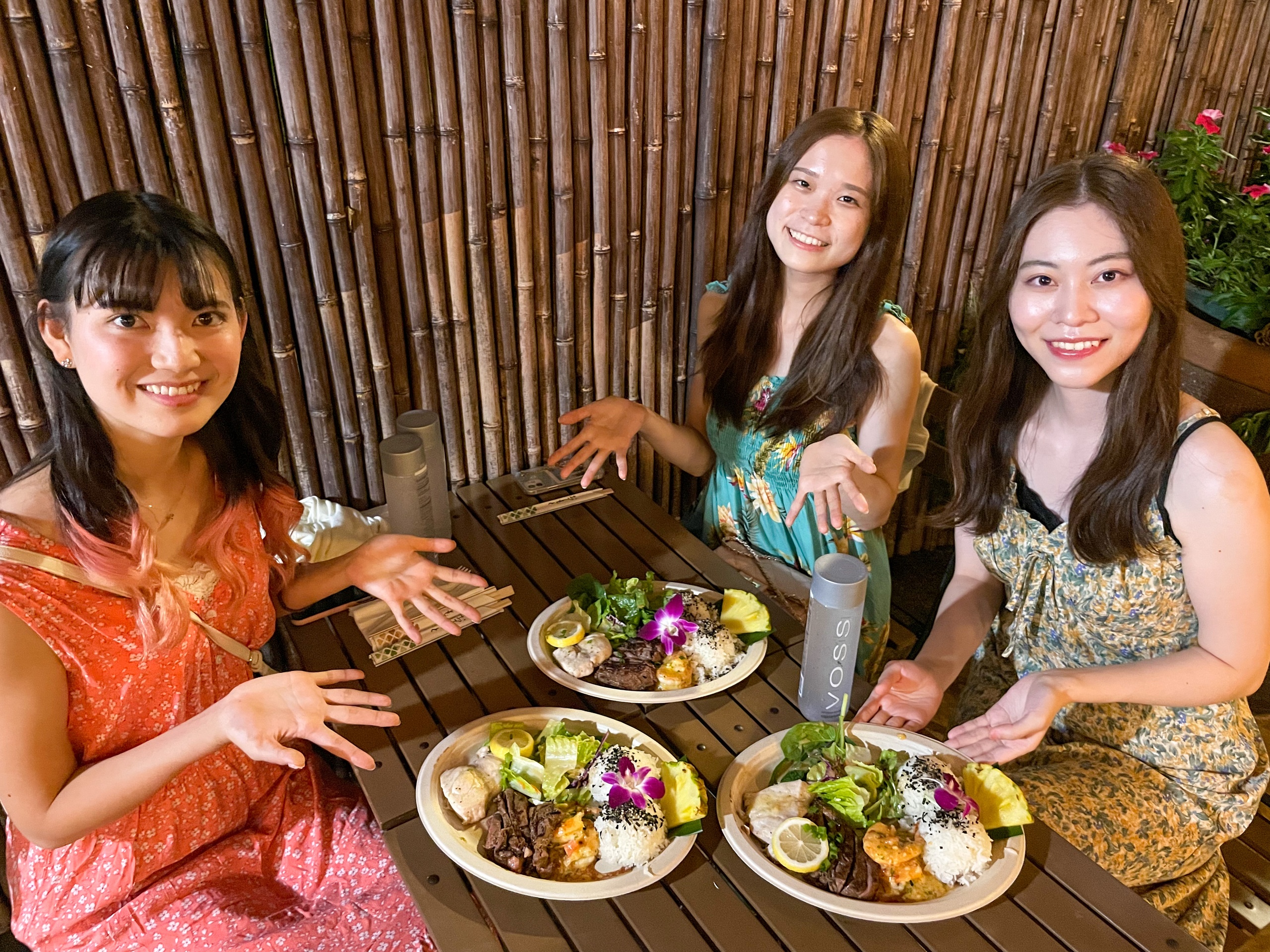 8
8Bus Tour
Kailua’s bus tours are a practical and scenic way to experience Oahu’s lush windward coastline without renting a car. For travelers who want the choreography of shorelines, lookouts, and local flavor laid out with narration and minimal logistics, bus-based excursions deliver: short hops between Lanikai and Kailua beaches, coastal drives that frame the Koʻolau’s jagged spine, and full-day circuits that link cultural sites, botanical gardens, and easy nature stops. They appeal to solo travelers, families, and visitors aiming to maximize time outdoors while leaning on a guide to point out stories, vistas, and quiet local haunts.
Explore bus tour →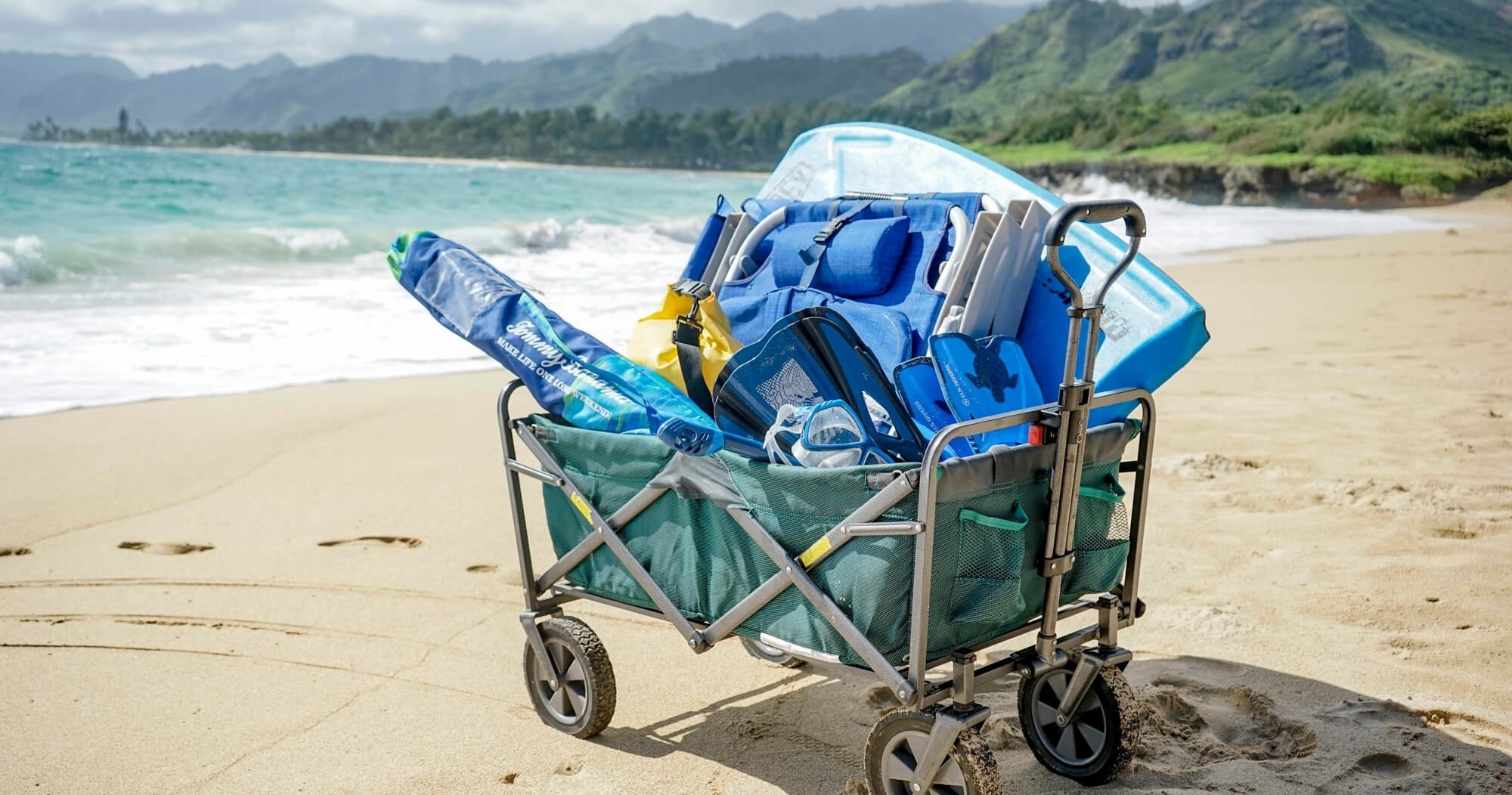 9
9SUP
Kailua’s shallow, glassy bays, clear water, and iconic offshore islets make it one of the most inviting places on Oahu to stand up paddleboard. Whether you’re gliding past coral gardens in a calm morning glass-off, chasing windlit downwind runs, or navigating playful surf at Lanikai Point, Kailua offers a range of SUP experiences framed by classic Hawaiian scenery and easily accessible launch points.
Explore sup →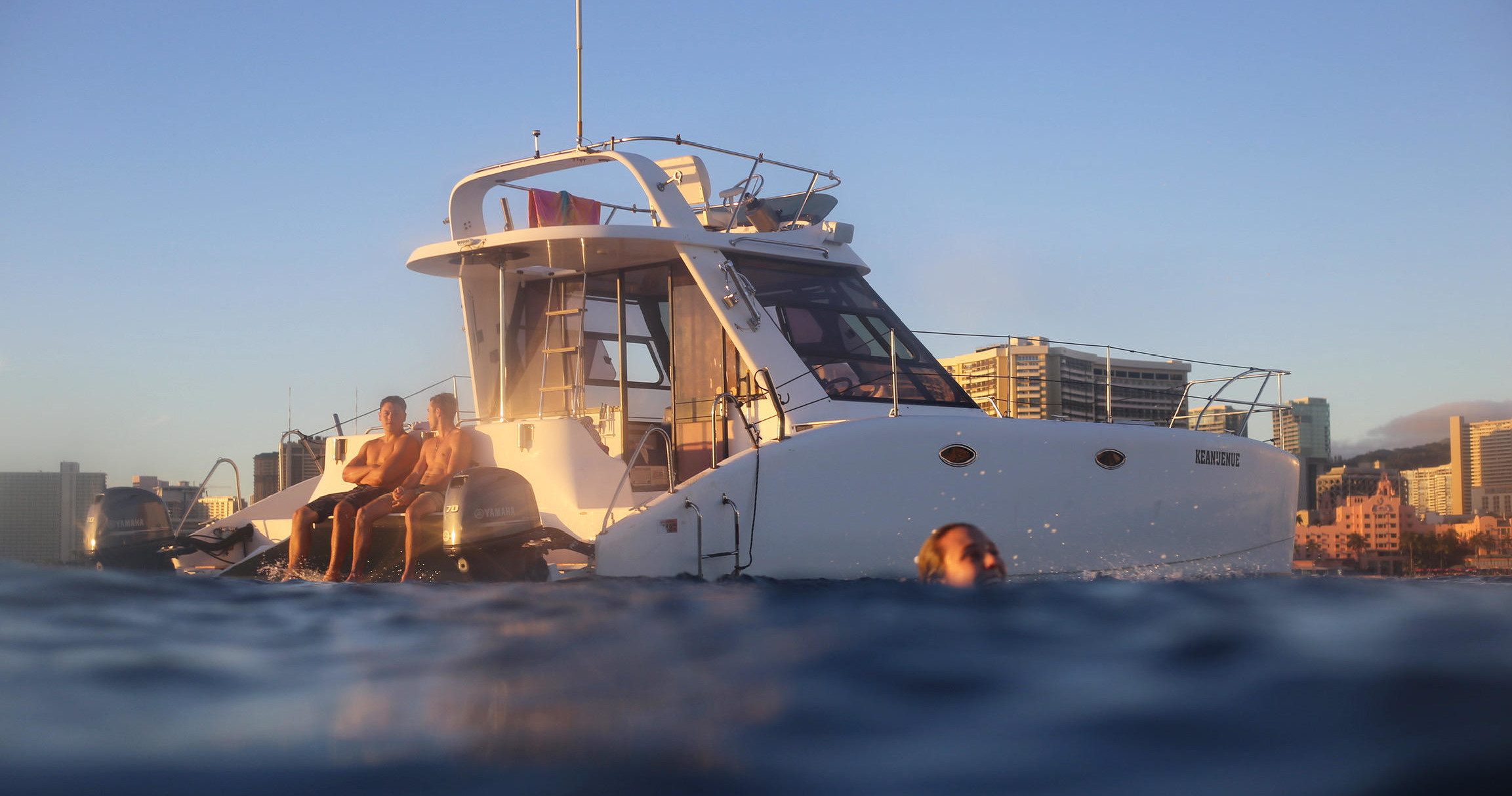 10
10Whale Watch
From the sugar-white shores of Lanikai to the sheltered swell of Kailua Bay, whale watching here is an intimate chapter of the island’s seasonal story. Each winter, North Pacific humpback whales migrate into the warm, shallow waters off Oahu’s windward coast to breed, calve, and socialize — offering dramatic surface behaviors and quiet, close encounters that are ideally experienced by boat, kayak, or even from carefully chosen shoreline overlooks. This guide focuses on the practical rhythms of whale watching in Kailua: when to go, how to choose the right vessel and operator, what to pack for sea conditions, and how to pair a whale trip with kayaking, snorkeling, or cultural exploration of the windward shore.
Explore whale watch →City Tour
Kailua’s city tours are an intimate study in coastal small-town life: pastel storefronts, shaved-ice stands, surf wax-scented air, and a shoreline that draws locals and visitors together. A Kailua city tour can be a relaxed walking exploration of historic streets and boutique shops, a breezy e-bike loop along bike lanes and beach parks, or a multi-stop cultural route that pairs food, history, and short nature detours. These tours lean outdoors—sun, trade winds, and salt air—so practical planning and local awareness shape the experience as much as the sights themselves.
Explore city tour → 12
12Dolphin
Kailua’s turquoise bays and steady trade winds create a front-row seat for encounters with Hawaii’s playful dolphins. Whether you glide in a kayak at dawn, slip over a reef while snorkeling, or watch from a quiet point onshore, the experience is part natural theater, part ocean education—best enjoyed with respect for the animals and the sea that sustains them.
Explore dolphin →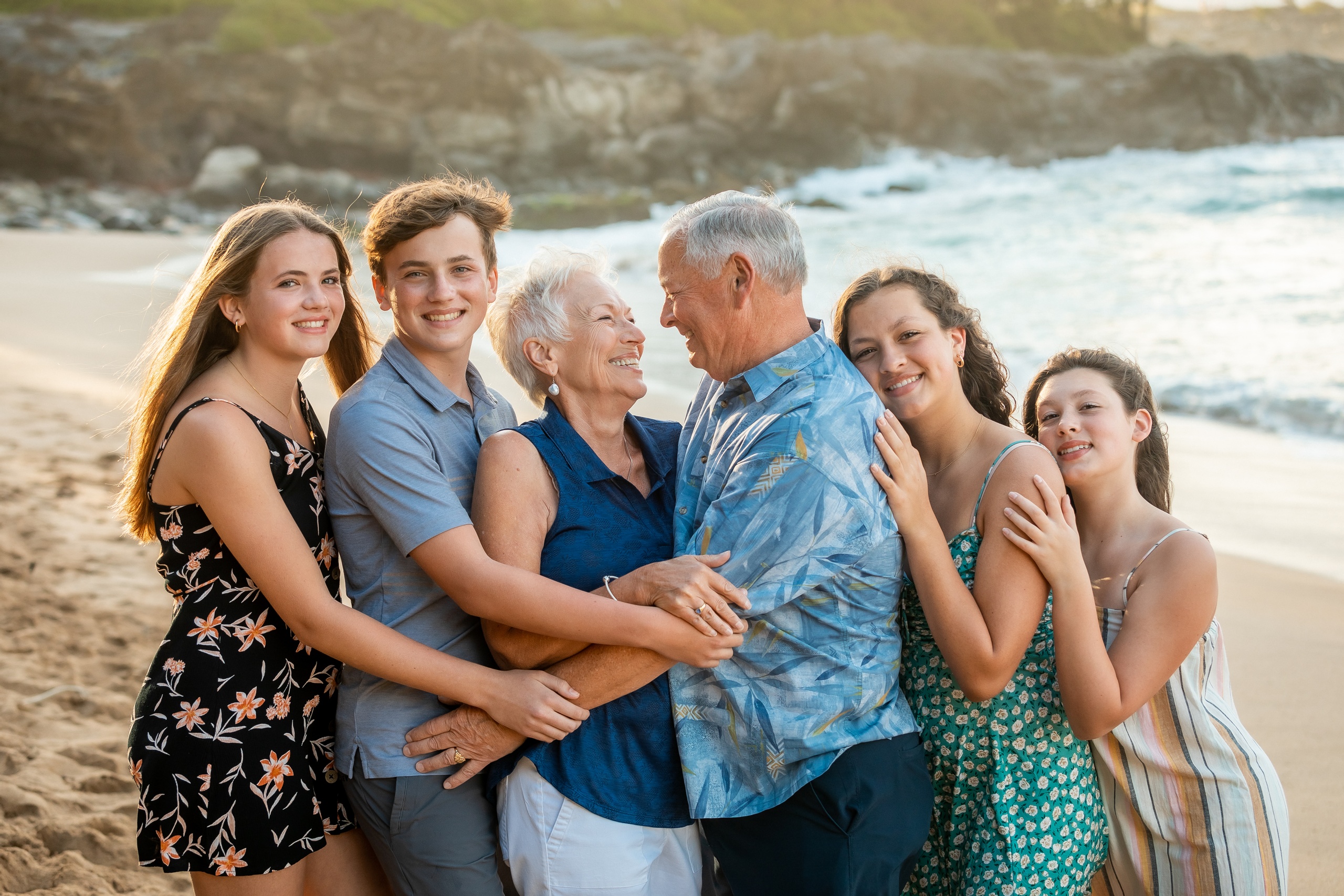 13
13Photography Tour
Kailua is a compact photographic playground where turquoise bays, pillowy sand, and verdant ridgelines meet the intimate rhythm of a windward Oʻahu town. Photography tours here are less about long treks and more about timing, light, and local knowledge—knowing the right beach for sunrise, the sheltered cove for translucent water, and the roadside pullout where a curve of palms frames an improbable sky. These guided experiences tune you to micro-moments: the quiet after a morning paddle, low-tide reflections, or cloud banks rolling over the Koʻolau. The result is an approachable, high-reward itinerary for anyone wanting to turn a day in Kailua into a memorable portfolio of coastal Hawaiʻi imagery.
Explore photography tour → 14
14Eco Tour
Kailua's eco tours focus on water, wetland, and coastal stewardship: mornings spent in quiet kayaks skimming turquoise bays, guided snorkel swims that prioritize reef-safe practices, birding walks through coastal makai wetlands, and hands-on reef restoration outings that pair storytelling with service. These tours blend natural history, Native Hawaiian cultural context, and low-impact adventure—ideal for travelers who want to witness marine life and landscapes while learning how to protect them.
Explore eco tour →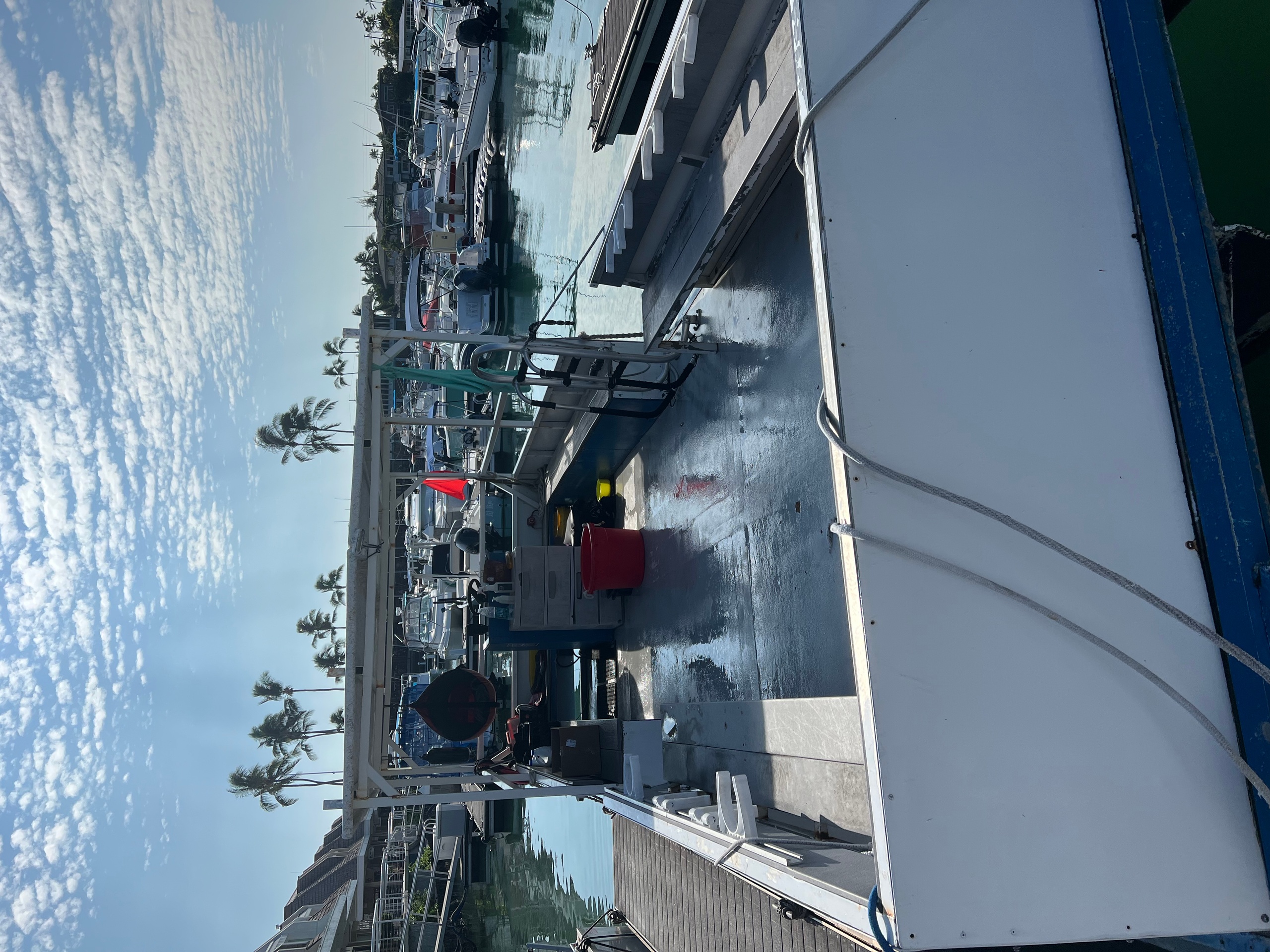 15
15Boat Rental
Kailua's sheltered turquoise bays, easy launch points, and instant access to the two small offshore islands make it an unusually welcoming place to rent a boat. Whether you imagine a slow sunrise paddle in a sit-on-top kayak, an effortless stand-up paddleboard crossing to the Mokes, a snorkel stop in crystalline waters, or a short powerboat day trip downwind, Kailua compresses the high-island experience into approachable distances and manageable conditions.
Explore boat rental →The city and the sea
Why Kailua Belongs on Your Adventure Shortlist
Variety without surrendering the day to long transfers.
Kailua feels like a benthic atlas of easy water access and island culture: mornings begin with a thread of dawn light across Kailua Bay and the town folds neatly into activities that reward both leisure and curiosity. Water Activities are the obvious draw—think kayak runs to the Mokulua islets and paddle-swept laps inside the bay—yet the town also scaffolds a layered menu of experiences that include guided Boat Tour options, casual Boat Rental for do-it-yourself days, and specialized Whale Watch outings in winter. Snorkel spots sit a short paddle from shore; SUP sessions are calm inside the bay and lively when the tradewinds pick up. If surf checks are your ritual, Lanikai and nearby breaks deliver consistent sets suitable for lessons or longboard sessions. For deeper underwater adventure, local operators run Scuba trips offshore and combine them with eco-minded dives that highlight coral resilience. On land, Kailua’s compact main street makes easy work of a City Tour or Photography Tour—both function as slow-motion ways to meet local makers and spot scenes that look made for the lens. Sightseeing Tour and Bus Tour options bring broader island context: waterfalls in the Koolau foothills, the verdant Maunawili Falls hike, and rain-forest outlooks that reward short climbs. For low-effort days, choose a Sailing cruise or a mellow Dolphin-watch trip; experienced skippers will point out seasonal migration patterns and seabird colonies. Eco Tour guides emphasize reef etiquette, native plants, and the cultural landscape that ties the town to Hawaiian navigational history. The diversity is practical: you can stack a morning SUP, an afternoon snorkeling run, and an evening boat-based sunset sail without a full day of travel.
Access is the real advantage. Kailua’s small footprint means outfitters, launch points, and gear rental are clustered; that makes same-day bookings feasible and itineraries flexible. Local providers routinely offer surf lessons, snorkeling trips, and guided paddles that scale to experience level—so beginners and seasoned adventurers both find runnable options.
Respect and rhythm matter here. Tides shape access to reef flats and some snorkel sites; tradewinds modulate SUP and surf conditions; and cultural awareness—simple gestures like listening to a guide explain place names—deepens the visit. Plan for sun, a little wind, and a pace that favors connection over checklisting.
Conditions shape the day
The best time to visit Kailua.
Kailua enjoys mild, tropical conditions year-round. Late spring and early fall are the wind-moderate shoulder months ideal for calm SUP and snorkeling. Winter (December–March) brings larger swell on exposed north and west shores and the best Whale Watch opportunities; bring a wind layer for cool mornings.
Best all-around window
Spring + fall
Comfortable mixed-itinerary weather, thinner crowds at beaches and lookouts, and more room to improvise.
Beach season
December–March draws whale enthusiasts and winter holiday crowds; summer (June–August) fills beaches and family bookings.
Surf + whales
April–May and September–November offer fewer crowds, lower prices, and pleasant water conditions; local guides often run promotions and smaller-group tours.
Coast to inland
Cool marine mornings often give way to warmer inland afternoons and breezy evenings.
Beginner
Short, guided paddles, supervised snorkel lagoon swims, and lessons-based surf sessions make Kailua friendly for first-timers.
- Guided SUP on Kailua Bay
- Shallow-water Snorkel near Lanikai (guided)
- Beginner Surf lesson at a protected break
Intermediate
Longer paddles to the Mokulua islets, independent Boat Rental days, and multi-site Snorkel or Photography Tours suit paddlers and lens-focused travelers.
- Round-trip kayak to the Mokulua islets
- Half-day Boat Tour with snorkel stops
- Sunset Sailing or Photography Tour
Advanced
Windward-channel crossings, performance Surf sessions on exposed reefs, and technical Scuba dives offshore require experience and contingency planning.
- Open-water Scuba boat trip to deeper reefs
- Advanced Surf at reef breaks on northern exposures
- Long coastal paddle with tidal planning
Field kit
What to bring.
Pack for sun, salt water, walking, and a meaningful temperature swing between coast and inland Kailua.
Essential
Start here
- Reef-safe sunscreen (SPF 30+)
- Light wetsuit or rashguard for extended snorkel/scuba sessions
- Quick-dry layers and a windbreaker for tradewind afternoons
- Water bottle and snacks; refill stations limited on the beach
- Waterproof phone case or small dry bag
Water days
Keep it dry
- Mask and snorkel (many rentals available but personal fit matters)
- Board leash for SUP or surf lessons
- Microspikes or trail shoes for muddy inland hikes
- Wide-brim hat and polarized sunglasses for glare reduction
Long days
Stay flexible
- Underwater camera or action-cam with float
- Compact binoculars for whale and dolphin spotting
- Light beach towel and sand-free mat
Insider note
Start early, then keep the geography tight.
Arrive early to snag beach parking and to catch glassy morning conditions. Ask outfitters about reef-safe practices and current marine advisories; the best guides will brief you on tide windows for snorkeling and the wind windows for safe SUP exits. If you rent a boat, review local regulations and fuel policy carefully and confirm whether life jackets and communication devices are included. Carry cash for small vendors, bring a reusable bag for purchases, and treat cultural sites with quiet attention—asking permission before photographing private properties or ceremonies is standard courtesy. Finally, use biodegradable sunscreen to protect reefs, and when in doubt, choose a guided option to deepen both safety and understanding.
Good to know
Frequently asked questions.
Do I need a guide for snorkeling or can I go solo?
You can snorkel from shore at several calm spots, but guided Snorkel trips are recommended for access to prime reefs, local safety insight, and equipment. Conditions change with tide and swell—guides watch for those variables.
Are surf lessons available for first-timers?
Yes. Many outfitters offer beginner Surf lessons with soft-top boards and instructor-led water time. Choose lessons that limit student-to-instructor ratios and include safety briefings.
When is the best time to see whales or dolphins?
Whale Watch season peaks December through March for humpback sightings. Dolphin encounters are year-round; ethical Dolphin tours maintain distance and follow NOAA guidelines to avoid disruption.
Ready when you are
Find the trip that fits your Kailua day.
Compare bookable experiences across the coast, city, and mountains—then save the ones that belong in your plan.
Explore all Kailua adventures ↗