Whale Watch — Kailua, Hawaii

Kailua, Hawaii

From the sugar-white shores of Lanikai to the sheltered swell of Kailua Bay, whale watching here is an intimate chapter of the island’s seasonal story. Each winter, North Pacific humpback whales migrate into the warm, shallow waters off Oahu’s windward coast to breed, calve, and socialize — offering dramatic surface behaviors and quiet, close encounters that are ideally experienced by boat, kayak, or even from carefully chosen shoreline overlooks. This guide focuses on the practical rhythms of whale watching in Kailua: when to go, how to choose the right vessel and operator, what to pack for sea conditions, and how to pair a whale trip with kayaking, snorkeling, or cultural exploration of the windward shore.

77
Activities
Seasonal (December–April)
Best Months

Top Whale Watch Trips in Kailua

77 trips • Book with confidence • Instant confirmation

Why Kailua Is Exceptional for Whale Watching

Kailua’s windward exposure creates a marine corridor that humpback whales favor during the Hawaiian winter. Unlike the exposed west side of Oahu, Kailua Bay and the gentle drops just offshore offer relatively shallow, warm water where breeding, nursing and playful social behaviors concentrate. That seasonal congregation makes Kailua unusually reliable for both shore and vessel-based viewing: you don’t always need a long ocean passage to see dramatic tail slaps, breaching arcs, or a mother and calf moving in deliberate, watchful pairs. The light here is one of the understated pleasures for photographers and naturalists—the soft, early-morning sun on a west-facing hump, the glassy bowls of bay water that reveal a rolling back or the mist from a distant blow.

But the experience in Kailua is more than sightings. It’s a place where local history, community stewardship, and small-scale boating culture shape how visitors encounter whales. Long before modern tour operators ran rigid itineraries, Hawaiian communities read the sea for signs: migratory timing, currents, and weather. Today many local captains combine safety-focused seamanship with a conservation-minded approach—staying at respectful distances and interpreting behaviors to give passengers context. For travelers, that means a whale-watch outing in Kailua often feels like a guided conversation between the sea and the shore: an hour of observation punctuated with slow moments to listen, photograph, and learn how whales use the calm of the windward coast to nurse, sing and teach calves.

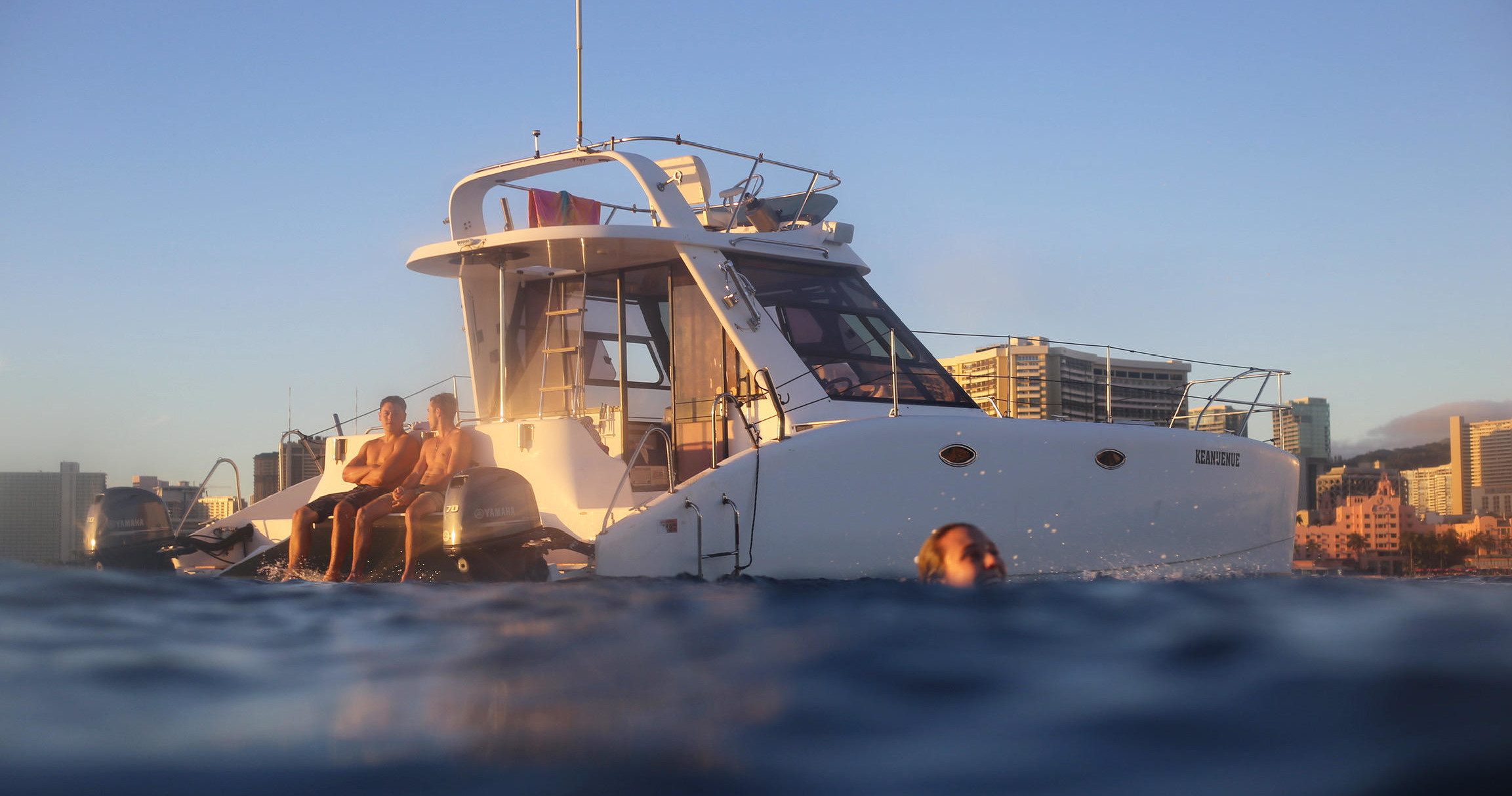
Practical accessibility is part of Kailua’s appeal. Launch points are close to town, parking and cafes are nearby, and operators run a mix of vessels—comfortable sightseeing catamarans for families, smaller zodiacs for photographers who want speed and nimbleness, and guided kayak options for paddlers seeking a taut, first-row encounter. Because shore-based opportunities are good—especially from higher headlands or certain beaches—travelers who prefer to keep feet dry can still enjoy reliable spotting. Seasonality, sea state, and weather determine the best approach on any given day, but the consistent migrant pattern, combined with a community of experienced guides, makes Kailua a whale-watching destination that balances spectacle with accessibility.

Kailua’s sheltered bay and nearby offshore shelf concentrate whale activity in relatively shallow water, improving sighting odds for both small boats and shore-based viewers.

Local operators prioritize vessel etiquette and education—opt for captains who discuss behavior, conservation, and the cultural significance of whales in Hawaiian tradition.

Activity focus: Whale watching (primarily humpback whales)
Season window: December–April (peak January–March)
Launch points: Kailua Harbor and nearby beach ramps
Typical trip lengths: 2–4 hours for guided tours
Shore-watching can be productive; headlands and early mornings are best

Best Time to Visit

Best Months

DecemberJanuaryFebruaryMarchApril

Weather Notes

Winter months bring the migrating humpback population into Hawaiian waters; mornings are often calmer and offer the best visibility, while trade winds can pick up in the afternoon. Expect occasional rain squalls typical of the windward side and choppier seas on windy days.

Peak Season

January–March is the most active and busiest period for whale sightings and booked tours.

Off-Season Opportunities

May–November still offers marine life viewing: spinner dolphins, sea turtles, and enjoyable snorkeling and paddling conditions when whales are absent.

Frequently Asked Questions

Do I need a permit to go whale watching from Kailua?

No general permit is required for commercial whale-watch operations; however, operators follow federal and state regulations that set minimum approach distances for marine mammals and may have specific permits for research or special access. Shore-based viewing requires no permits.

Are whale-watching trips safe for families and non-swimmers?

Most licensed operators provide safety briefings, life jackets, and crew trained in passenger safety. Choose family-friendly catamarans or larger vessels if you prefer a more stable platform; always disclose mobility or medical concerns when booking.

How long is a typical whale-watch trip in Kailua?

Guided trips commonly last 2–4 hours depending on the operator and how far they travel offshore. Some specialty photography or research trips may be longer.

Can I kayak to see whales in Kailua?

Yes—guided kayak trips run from Kailua and Lanikai and can be excellent for quiet, close observations, but they require good sea conditions, paddling ability, and strict adherence to whale approach guidelines.

Choose Your Experience Level

Beginner

Comfortable, low-effort ways to see whales—shore viewing from beaches and headlands or family-friendly catamaran tours with guided narration.

  • Morning catamaran whale-watch
  • Shore-based spotting at scenic overlooks
  • Short, guided zodiac outings in calm conditions

Intermediate

More hands-on experiences for travelers comfortable on water: small-boat trips for closer photography, guided kayak tours, and half-day excursions that prioritize behavior interpretation.

  • Small-group zodiac photography trip
  • Guided ocean kayak whale-watch
  • Combination snorkel and whale-watch mornings

Advanced

Active or specialized outings—private charters for tailored routes, pelagic or research-support trips, and long-format photo or acoustic tours that require experience with sea travel and rougher conditions.

  • Private charter tailored to behavior hotspots
  • Research or acoustic monitoring day trips (when available)
  • Multi-activity sea expeditions combining long-distance transit with focused observation

Insider Tips & Local Knowledge

Always verify vessel credentials, weather forecasts, and local regulations before heading out. Respect marine mammal approach guidelines and the knowledge of local guides.

Book early for January–March; small operators sell out fast on calm mornings. Prefer captains who discuss behavior and follow NOAA approach rules—these operators prioritize conservation and usually provide the best learning experience. For photography, aim for the first light of morning when seas are often glassier and the sun is favorable; bring a fast shutter speed and a zoom lens in the 200–400mm range. If you're prone to seasickness, take medication an hour before departure and choose larger vessels when possible. Combine a whale trip with a guided kayak the next morning or an afternoon snorkel at nearby reef sites to round out the marine experience. Onshore, ask locals about lesser-known vantage points—some small headlands and promontories can produce prolonged sightings without the cost of a boat tour. Finally, learn a bit about Hawaiian cultural perspectives on whales—many guides will weave these stories into trips, deepening the encounter and underscoring the islands’ stewardship responsibilities.

What to Bring

Essential

  • Light windbreaker or waterproof shell (sea spray and wind chill)
  • Motion-sickness medication or acupressure bands if prone to seasickness
  • Wide-brim hat, polarized sunglasses, and reef-safe sunscreen
  • Water and snacks—tours may be on the water for several hours
  • Binoculars or zoom lens for distant surface behavior

Recommended

  • Camera with fast shutter and telephoto or zoom lens
  • Small dry bag for electronics and valuables
  • Layered clothing: mornings can be cool, afternoons warm
  • Reusable water bottle

Optional

  • Compact tripod or monopod for stabilized photography
  • Notebook for behavior notes or guided trip information
  • Light gloves for early-season paddle tours

Ready for Your Whale Watch Adventure?

Browse 77 verified trips in Kailua with instant booking

Explore Top 15 Kailua, Hawaii Adventures →