
Jackson adventure guide
Find your way into Jackson.
Tucked into a valley of birch and spruce beneath the Presidential Range, Jackson is the kind of New England town where mornings begin with steam rising from a coffee cup and afternoons end with light hitting the granite ridges. Here, the mix is elemental: water activities on mirrored ponds and swift rivers, winter activities that transform the landscape into a playground for skiing and snowmobiling, and summer days full of canoeing, kayaking, and fishing. Outfitters in town make boat rental, guided boat tour, and bike rental easy to layer into a single day, while train rides and eco tours offer low-effort ways to see the valley for anyone balancing a love of climbing crags with slow, scenic travel.
Three ways into the city
Pick a landscape. Build a day around it.
Jackson is less a single destination than a collection of neighboring worlds. Start with the version of the city that matches your pace, then use the ranked guide below to fill in the details.

Begin where the city meets the sea.
Surf breaks, sheltered harbors, whale routes, and long beach paths make the coast LA’s most immediate outdoor playground.
Explore water activities →
Let a local connect the landmarks.
Use a guided city, walking, or sightseeing tour to turn LA’s sprawl into a coherent story.
Explore boat tour →
Ride the coast and the city.
Beach paths, river corridors, e-bikes, and ridge climbs reveal a more connected Los Angeles.
Explore bike tour →Choose your way into Jackson
The top 15 Jackson adventures.
Ranked by the number of currently listed trips. Each panel opens the complete local activity collection.
1Water Activities
Tucked into the Mount Washington Valley, Jackson offers a concentration of approachable yet varied water experiences: gentle river paddles on the Saco, cool swimming holes, family-friendly tubing, and trout streams threaded through mountain forests. This guide focuses on how to plan water-based days here—when to go, what to expect, and how to match conditions to your skill level—while pointing out complementary hikes, viewpoints, and seasonal alternatives.
Explore water activities → 2
2Winter Activities
A carved-out village at the foot of the White Mountains, Jackson becomes a winter laboratory: groomed cross-country tracks, snow-dusted carriage roads, and access to some of New England's most serious backcountry traverses sit within a five- to thirty-minute drive. This guide focuses on winter-specific pursuits—nordic skiing, snowshoeing, alpine runs, backcountry skiing and splitboarding, guided snowmobile outings, and the smaller pleasures of icy waterfalls and quiet village trails—paired with practical planning for conditions, access, and how to balance ambition with safety.
Explore winter activities → 3
3Ski
Jackson combines classic New England charm with a hard-working winter scene: groomed alpine runs a short drive from town, expansive cross-country networks right out of the village, and quiet backcountry approaches that open when conditions allow. This guide focuses on ski-specific experiences—downhill, nordic, and backcountry—framed by practical planning and local insight.
Explore ski → 4
4Boat Rental
Jackson's small, storied village sits like a comma between mountain ridgelines and river corridors. For boat renters the draw is intimate: quiet ponds for flatwater paddling, gentle river floats framed by forest and ledges, and easy access to lakes within a short drive. This guide focuses on renting and launching a canoe, kayak, SUP, or small motor craft in and around Jackson, plus how to pair a day on the water with hikes, fishing, and village comforts.
Explore boat rental →5Boat Tour
Boat tours around Jackson are less about grand ocean passages and more about close-to-the-land river and lake journeys. Expect quiet waterways threaded through forested valleys, opportunities to watch fall color from the water, and options that pair paddling with local natural history. This guide focuses on the kinds of guided and self-guided boat experiences you’ll find in and around Jackson—river runs, tranquil lake excursions, wildlife watching, and seasonal floats that make the most of the Saco River corridor and nearby ponds.
Explore boat tour → 6
6Fishing
Nestled in the Mount Washington Valley, Jackson is a compact village whose riparian ribbons—cool brooks, classically northern rivers, and tucked-away ponds—offer a concentrated, intimate freshwater fishing experience. From early-morning dry-fly rises to late-afternoon bass ambushes, the area blends accessible waters with wild scenery, making it ideal for anglers who prize both solitude and technical sport.
Explore fishing → 7
7Lodging
Tucked into a narrow stretch of valley framed by spruce-lined ridgelines and the quick turn of the Saco River, Jackson's lodging scene is intimate and intentionally scaled. Expect classic New England inns with wood-paneled lounges, riverside cabins that open onto trails, and discreet luxury lodges that emphasize quiet and connection to the mountains. Whether you're chasing fall color, a snowy powder day, or a summer morning on a riverbank, Jackson's places to stay are shaped by season, access, and a local respect for the landscape—making the town an ideal base for both soft-adventure travelers and serious outdoorspeople.
Explore lodging → 8
8Climbing
In the shadow of the northern Presidential Range, Jackson serves as a low-key base for climbing in the eastern White Mountains. Classic granite edges, accessible single-pitch routes, nearby multi-pitch cliffs, a seasonal mix of sport and trad, and winter ice lines on higher peaks make this compact town a surprisingly versatile climbing destination.
Explore climbing →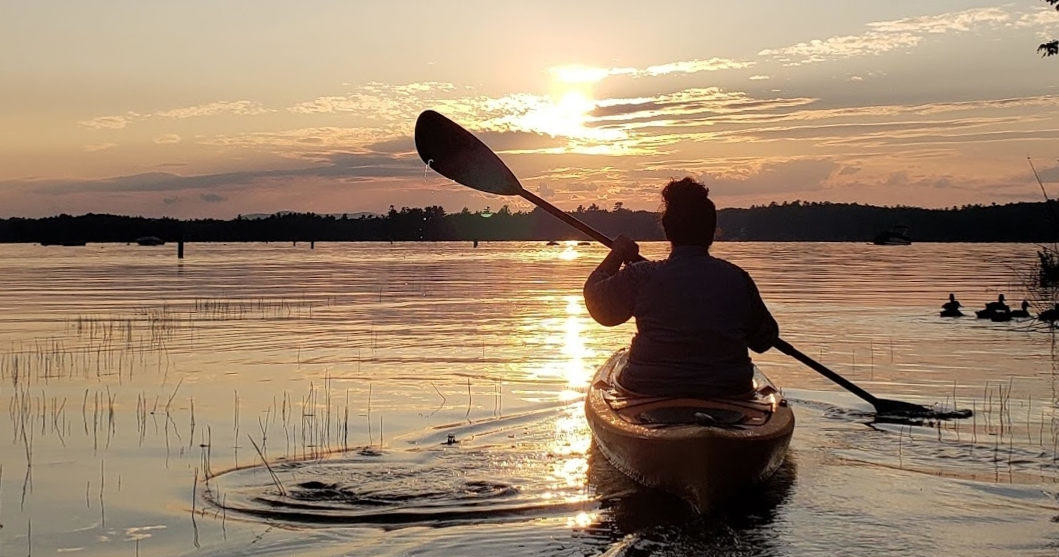 9
9Kayak
Nestled at the edge of the White Mountains, Jackson offers a compact but rich paddling scene: placid river bends lined by hardwoods, mirror-smooth mountain ponds, and short stretches of playful current for paddlers seeking a little river energy. This guide focuses on kayaking options that fit a day trip, a mellow half-day glide, or a guided experience that pairs paddling with local history and fall color.
Explore kayak →10Bike Tour
Nestled in a glacial valley beneath the White Mountains, Jackson is a deceptively compact base for bike touring that delivers a remarkable cross-section of New England terrain: quiet paved backroads, twisty river lanes, long gravel approaches into forested logging roads, and singletrack options for riders who want to push into technical terrain. This guide focuses on bike tours that showcase Jackson’s varied surfaces, seasonal colors, and easy access to higher-elevation climbs and scenic descents. Whether you’re chasing fall foliage, gravel miles in summer, or the unique quiet of an early-spring shoulder season ride, the area’s human-scale roads and nearby trail networks reward measured exploration.
Explore bike tour → 11
11Train
Tucked into the foothills of the White Mountains, Jackson is less a rail junction than it is a portal: a gentle, scenic starting point for experiences that highlight historic locomotives, seasonal excursions, and the theatrical sweep of northern New England landscapes. Trains here are not merely transport; they are a way to unfurl the region’s geology, folklore, and changing seasons without having to negotiate narrow mountain roads. This guide focuses on the passenger and heritage-rail experiences most relevant to travelers using Jackson as basecamp—day trips on restored steam or diesel trains, short scenic spins perfect for families, and rail-adjacent adventures that pair a ride with a hike, a river paddle, or an autumn photography loop.
Explore train → 12
12Bike Rental
Tucked at the foot of the eastern White Mountains, Jackson is a small town with outsized cycling appeal. Rent a bike here and you can trade quiet village lanes for tree-shaded rail-trails, test gravel spines that flank mountain foothills, or roll the iconic Kancamagus Highway for sweeping mountain views. Rental shops in and around Jackson cater to families, gravel riders, and those after a relaxed village-to-river spin—many offer e-bikes that expand range and make the hills friendlier. This guide focuses on what to expect when renting a bike in Jackson: the terrain, practical planning, seasonal constraints, and how to thread rentals into a day of hiking, paddling, or sightseeing across the Saco River corridor.
Explore bike rental →13Snowmobile
Nestled at the foot of the Presidential Range, Jackson is an invitation to stride into cold, fast air and threaded corridors of groomed trail. This guide focuses on snowmobiling—where dense spruce stands, open sled-worthy meadows, and high-elevation corridors come together to form accessible day runs and longer networked routes. Read on for terrain notes, season timing, safety essentials, and how to shape a day on the sled that balances speed, scenery, and local culture.
Explore snowmobile → 14
14Canoe
Jackson feels small until you set a canoe on its glassy backwaters and feel the valley widen. Canoeing here is intimate and variable: placid pond loops framed by birch and pine, short technical river stretches that require basic maneuvering, and easy access to longer flatwater runs in the Saco watershed. Expect reflective mornings, birch-shrouded shorelines, and the scent of cold river water that reads like the region's shorthand.
Explore canoe → 15
15Eco Tour
Jackson, a small village threaded by the Saco River and framed by the White Mountains, is an unexpectedly sophisticated base for eco-focused exploration. Eco tours here emphasize intimate, low-impact encounters with riverine wetlands, mixed hardwood forests, and glacially sculpted meadows. Guides layer natural history with local conservation practice—showing how beaver-engineered wetlands slow runoff, where brook trout spawn, and how seasonal rhythms drive everything from maple sugaring to fall bird migration. Whether you're paddling a quiet backchannel, following a naturalist on a foraging walk, or listening for owls on a night ecology tour, the appeal is the same: Jackson's scale makes deep, teachable experiences accessible without long approaches or heavy infrastructure.
Explore eco tour →The city and the sea
Why Jackson Belongs on Your Adventure Shortlist
Variety without surrendering the day to long transfers.
Jackson is the kind of place that rewards both intent and serendipity. A compact village sits framed by an amphitheater of mountains, but the real asset is accessibility: trailheads, river put-ins, and scenic drives are close enough to string into a single day. That makes Jackson ideal for travelers who want to mix water activities—early-morning kayak or canoe on placid ponds—with afternoon climbs on glaciated granite, or who prefer to split a long weekend between ski laps on nearby resorts and a late-winter snowmobile route through quieter valleys. There’s a cultural rhythm here rooted in seasons. Summer unfolds with boat rental options and guided boat tours that launch from nearby lakes, and anglers follow brook and river currents for classic New England fishing. Autumn turns the hills into a patchwork of color and draws photographers and bike tour groups along the Kancamagus Highway; bike rental shops in town make it simple to swap a pedal day for a short hike. Winter activities are another story—Jackson becomes a gateway for ski days, cross-country loops, and snowmobile explorations that spread out across the White Mountain National Forest. If you’re chasing solitude, late fall and early spring shoulder seasons deliver quiet trails and discounted lodging, while peak winter and peak foliage times reward planning and early starts. Practicality lives alongside romance. You can begin a day with a sunrise paddle, return to town for a hot sandwich, then head out for an afternoon climb or a short train excursion that shows off the regional history and landscape without demanding a whole day. Lodging options range from family-run inns with hearty breakfasts to simple cabins that put you a mile from trailheads—good to know when you’re optimizing transitions between activities like kayak to climb, or ski to snowmobile. Guides and outfitters are plentiful enough to fill gaps in skills—book a guided climb for exposed routes, a kayak instructor for launching in windy conditions, or a fishing guide who knows the local riffles. This mix of do-it-yourself and assisted options is what makes Jackson scalable to experience level: beginners can find sheltered paddles and easy loop hikes; intermediates can string together ridge hikes with river runs; advanced visitors can chase technical climbs, multi-day traverses, and fast whitewater within a reasonable drive. Finally, Jackson’s small size is an advantage. Meals, maps, and last-minute gear rentals are within easy reach, so you can focus on stacking experiences rather than logistics. Whether your trip is centered on eco tours that interpret local flora and fauna, a sequence of boat tours and fishing days, or a winter itinerary of ski and snowmobile loops, Jackson lets you design a trip that feels both wild and well-served.
Access is deceptively simple: short drives connect lakes, rivers, and trailheads. Outfitters and local lodges handle shuttles, rentals, and guided trips for water activities, ski packages, and climbing days.
Seasons define the offering—late spring and fall shoulder months offer solitude; summer provides warm-water paddles and fishing; winter opens up skiing and snowmobiling. Plan early for foliage and holiday weekends.
Conditions shape the day
The best time to visit Jackson.
Summer brings warm afternoons and ideal conditions for kayaking, canoeing, and fishing; early fall offers crisp air and peak foliage—expect busy weekends. Winter delivers reliable snow for skiing and snowmobiling; spring and late fall can be wet and muddy, which affects trail conditions and river flows.
Best all-around window
Spring + fall
Comfortable mixed-itinerary weather, thinner crowds at beaches and lookouts, and more room to improvise.
Beach season
Late September to mid-October for fall foliage and December–February for winter sports—book lodging and guided activities early.
Surf + whales
Late spring (May–early June) and late fall (November) offer thinner crowds, lower rates, and pleasant days for hikes and low-elevation paddles—but watch for mud season closures on some back roads and trails.
Coast to inland
Cool marine mornings often give way to warmer inland afternoons and breezy evenings.
Beginner
Short, sheltered paddles on calm ponds, easy lakeshore hikes, and gentle village loops that build confidence without technical demands.
- Guided kayak on a sheltered pond
- Introductory fishing trip with a local guide
- Casual bike ride with a bike rental around Jackson Village
Intermediate
Longer paddles with some open-water exposure, single-day ridge hikes, cratered climbs with basic scrambling, and multi-mode days combining boat tour and a short hike.
- Self-guided canoe trip paired with an afternoon climb
- Bike tour along the Kancamagus with moderate mileage
- Half-day kayak outing with wind-exposure planning
Advanced
Technical rock climbs, full-day ridgeline traverses, classed whitewater runs, and extended winter backcountry travel that require planning, experience, and often partner or guide support.
- Technical climbing routes in the White Mountains
- Full-day traverse of high ridgelines with navigation
- Guided advanced snowmobile loops and backcountry ski tours
Field kit
What to bring.
Pack for sun, salt water, walking, and a meaningful temperature swing between coast and inland Jackson.
Essential
Start here
- Layered clothing for variable mountain weather
- Waterproof shell and quick-dry base layers
- Sturdy footwear suitable for wet rock and trail
- Personal flotation device if you’ll kayak, canoe, or paddle
- Daypack with snacks, water, and a printed or offline map
Water days
Keep it dry
- Microspikes or traction for icy shoulder-season trails
- Compact binoculars for birding and riparian wildlife viewing
- Dry bag for electronics during water activities
- Rechargeable headlamp for pre-dawn starts or cave/low-light approaches
Long days
Stay flexible
- Action camera with float tether
- Lightweight sit pad or camp chair for pondside breaks
- Portable first-aid kit geared to day hikes and paddles
Insider note
Start early, then keep the geography tight.
Start early to beat foliage and holiday crowds; mid-morning parking fills fast at popular trailheads and pond put-ins. After heavy rain, favor lakes and lower-elevation paddles over rivers and avoid muddy trails to help with trail preservation. Reserve rental gear and guided trips ahead of peak windows—ski and snowmobile services book quickly in winter, and boat rental inventory is limited on high-traffic summer weekends. For mixed itineraries, ask lodges about shuttle or drop-off options so you can chain activities (kayak-to-hike, bike-to-boat) without wasting daylight.
Good to know
Frequently asked questions.
Can I mix water activities and hiking in a single day?
Yes—Jackson’s compact geography makes it easy to paddle a morning lake, return for lunch, and hike a nearby loop in the afternoon. Plan for transport between put-ins and trailheads; many outfitters can arrange shuttles.
Do I need a guide for climbing or whitewater?
For technical climbing routes and classed whitewater, a guide is recommended unless you have proven experience and the proper gear. Local guide services offer half-day and full-day options that include instruction and safety equipment.
Are rivers and lakes safe for swimming?
Some ponds and sheltered coves are safe for swimming in summer; avoid swimming near inlets, strong currents, or posted no-swim areas. Cold water and changing weather can make conditions hazardous—use caution and proper flotation when appropriate.
Ready when you are
Find the trip that fits your Jackson day.
Compare bookable experiences across the coast, city, and mountains—then save the ones that belong in your plan.
Explore all Jackson adventures ↗