
Hana adventure guide
Find your way into Hana.
Perched on Maui’s windward rim, Hana is the kind of place that slows time: a hood of rainforest punctuated by black-sand coves, secret pools, and ocean swell that draws surfers and whale watchers alike. This guide pairs sensory storytelling with practical direction—so you can plan snorkel mornings, kayaking afternoons, and sunset photography without missing the same small-town quiet that makes Hana special.
Three ways into the city
Pick a landscape. Build a day around it.
Hana is less a single destination than a collection of neighboring worlds. Start with the version of the city that matches your pace, then use the ranked guide below to fill in the details.

Begin where the city meets the sea.
Surf breaks, sheltered harbors, whale routes, and long beach paths make the coast LA’s most immediate outdoor playground.
Explore water activities →
Let a local connect the landmarks.
Use a guided city, walking, or sightseeing tour to turn LA’s sprawl into a coherent story.
Explore boat tour →
Ride the coast and the city.
Beach paths, river corridors, e-bikes, and ridge climbs reveal a more connected Los Angeles.
Explore bike tour →Choose your way into Hana
The top 15 Hana adventures.
Ranked by the number of currently listed trips. Each panel opens the complete local activity collection.
1Water Activities
Hana’s coastline reads like a chapter from a traveler's dream: secret black and red sand beaches, reef-lined coves, freshwater pools tucked beneath jungle canopies, and a slow, reverent way of life that shapes how you move through the water here. This guide focuses on water activities—snorkeling, surf sessions, guided boat trips, tidepool exploration, and waterfall swimming—framed by practical advice for timing, access, and safety in an area where wild ocean and fragile culture meet.
Explore water activities →2Boat Tour
Fringed by cliffs, hidden coves, and the open Pacific, boat tours from Hana turn the island’s famously slow road into a salt-sprayed, sea-level odyssey. Whether it’s a short coastal cruise to see sea caves and waterfalls from the water, a snorkeling run to offshore reefs, or seasonal whale-watching excursions that fold in local storytelling, Hana’s boat trips deliver an intimate look at a coastline most visitors only glimpse from the highway. This guide focuses on what to expect on the water—conditions, terrain, complementary activities, and how to plan a safe, memorable voyage along Maui’s eastern edge.
Explore boat tour → 3
3Snorkel
Hana’s shoreline reads like a study in contrasts: calm reef pockets that cradle shimmering tropical fish, cliffs that funnel winter swells, and black-sand coves that echo the island’s volcanic origins. Snorkeling here isn't about mass-market boat drops; it's about small coves, tidepools, and protected reef flats where encounters with reef fish, honu (green sea turtles), and vibrant corals feel intimate and private. Because Hana is remote and often weather-dependent, good planning—checking swell, tides, and local guidance—turns a half-day outing into a memorable marine immersion.
Explore snorkel → 4
4Sightseeing Tour
Hana rewrites the rules of sightseeing: here the journey is the destination. Narrow coastal roads thread past plunging waterfalls, black-sand coves, and taro patches while small, hospitable stalls and cultural sites punctuate the drive. Sightseeing tours in Hana range from relaxed half-day drives with curated stops to intimate cultural walks, guided van tours with local narration, and small-boat coastal cruises that reveal sea cliffs and hidden bays. Expect slow rhythms, dramatic microclimates, and a mode of travel that rewards patience and curiosity.
Explore sightseeing tour → 5
5Surf
Hana’s shoreline is a study in contrasts: sheltered coves with glassy waist-high waves alongside raw, coral-strewn reef breaks that fire up on the right swell. Remote by design—accessed along one of Hawaii’s most famous drives—Hana rewards surfers with uncrowded lineups, intimate reef setups, and views that blur the line between surf trip and wilderness retreat. This guide focuses on surfing in and around Hana: reading the local breaks, navigating reef-and-tide hazards, seasonal swells, and how to pair surf sessions with snorkeling, SUP, and coastal hikes.
Explore surf → 6
6Whale Watch
Hana’s shoreline feels like an end-of-the-road theater for migrating humpbacks: remote, intimate, and saturated with ocean sound. Whale watching here is a study in contrast—long, slow bull whales singing beneath the hull one minute; a blow and tail-slap silhouette breaking the horizon the next. This guide focuses on where to see whales from shore, how to choose a small-boat or charter experience when available, and how to pair marine time with the waterfalls, tidepools, and cultural rhythms that define Hana.
Explore whale watch → 7
7Hiking
Hana is a slow, lush corridor of rainforest, volcanic coastline, and mist-fed waterfalls. Hiking here blends soft, fern-lined loops and boardwalks with raw basalt shorelines, secluded black-sand coves, and long coastal walks that feel removed from modern life. Trails are short and immersive or long and remote—either way, the landscape demands a respectful, prepared approach.
Explore hiking → 8
8Scuba
On Maui’s far eastern edge, Hana offers scuba divers a quieter, more elemental side of Hawaiian waters. Far from the west-side resorts, dives here are shaped by black lava coastline, sheltered reefs, and water that alternates between glassy blue and wind-whipped chop. Expect intimate reef gardens, surprising topography—lava tubes, small pinnacles, and ledges—and frequent encounters with reef fish and green sea turtles. Because Hana is remote, diving here feels less like a checklist and more like a slow encounter with place: you arrive by a long coastal road, meet local operators who know the tide and current like the back of their hand, and go underwater where land and sea retain an unhurried, volcanic character.
Explore scuba →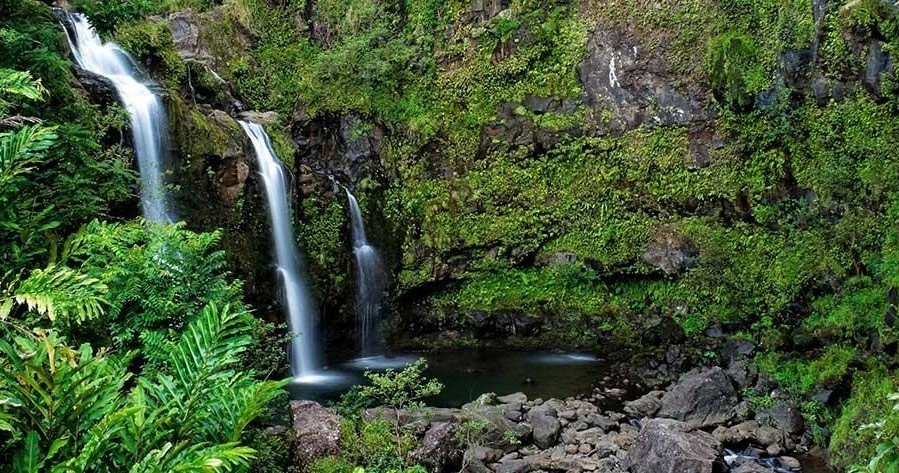 9
9Photography Tour
Hana is a slow-motion dream for photographers: a place where black-sand beaches meet emerald bamboo forests, where roadside waterfalls catch the same soft Pacific light that sculpts the basalt cliffs. Photography tours here are less about ticking landmarks and more about coaxing quiet stories from landscape, culture, and weather—sunrises that melt color into the ocean, long-exposures of tide-swept shorelines, intimate portraits of taro lo‘i and old Hawaiian homesteads. This guide focuses on how to plan a photography-focused trip in Hana, what to expect from the terrain and conditions, and practical tips to transform the island’s moods into images that feel both personal and true to place.
Explore photography tour → 10
10Eco Tour
Hana is a compact, invitation-only kind of place: a rainforested peninsula where cultural stewardship and wild coastline meet. Eco tours here range from low-key tidepool walks and reef snorkeling to guided rainforest walks, birdwatching expeditions, and community-led agro-ecology visits. Each experience is steeped in place — the scent of wet ʻōhiʻa and fern, the sudden hush under canopy, the wide, black-sand beaches and complex nearshore reef systems. These are not adrenaline-first tours; they are close-looking, slow, and designed for travelers who want to learn as they move through one of Hawaiʻi’s most intact island environments.
Explore eco tour →Sailing
Hana sits at the edge of Maui where the island’s lush cliffs drop straight into the Pacific, and the ocean is both highway and hidden doorway. Sailing here is less about crowded harborways and more about a slow, deliberate approach—skimming reef edges, circling offshore islets, and easing into coves you otherwise couldn’t reach. From whale-song winter mornings to molten-sky sunsets, the sea off Hana offers intimate wildlife encounters, face-to-face views of waterfall cliffs, and trade-wind afternoons that favor small catamarans and daysails. This guide curates 31 sailing experiences that range from sheltered coastal cruises and snorkeling passages to longer coastal explorations, all framed by practical planning notes for the unique conditions of east Maui.
Explore sailing → 12
12Kayak
Hana’s coastline compresses a lifetime of Pacific moods into a handful of coves and coral reefs—quiet glassy mornings, wind-whipped afternoons, and deep blue swell rolling around headlands. Kayaking here rewards attention: tide windows reveal sea caves, reef channels hold bright tropical fish, and the island’s slow pace invites lingering on a paddle rather than racing through checkpoints.
Explore kayak → 13
13SUP
Hana’s coastline reads like a slow-motion postcard: anchored coves, basalt headlands, and pockets of reef that cradle clear, jade-green water. For stand-up paddleboarding (SUP) the town’s rewards are quiet mornings, close encounters with coastal flora and fauna, and an intimacy with the sea that feels both wild and hospitable. This guide focuses squarely on paddling—flatwater exploration, reef-side snorkel paddles, surf play where conditions allow, and day trips that thread the space between shoreline history and open-ocean perspective.
Explore sup →14Bike Tour
Hana’s bike tours are an intimate study in contrasts: sinuous coastal asphalt, lush rainforest tunnels, a handful of gravel shoulders, and sudden clearings that expose ocean cliffs and waterfalls. Whether you’re rolling the legendary Hana Highway with a road bike, exploring mellow dirt lanes and plantation roads on a gravel or e-bike, or pedaling short singletrack loops near town, Hana rewards measured pace and close attention to weather, road etiquette, and cultural stewardship.
Explore bike tour → 15
15Bus Tour
Hana’s bus tours turn the legendary Road to Hana from a white-knuckle drive into a slow, interpretive passage through coastal rainforest, waterfalls, and taro lo‘i. Whether you want a narrated cultural loop, a luxury mini-coach, or a small-group shuttle that stops for short hikes and swim holes, bus tours unlock remote pockets of east Maui with local guides, easy logistics, and hands-off navigation of one-lane bridges and steep hairpins.
Explore bus tour →The city and the sea
Why Hana Belongs on Your Adventure Shortlist
Variety without surrendering the day to long transfers.
Hana is less a single destination than a sequence of invitations: a fern-lined trail that opens into a freshwater plunge pool, a coastal shelf that drops into a kaleidoscopic reef, and a roadside stand selling taro and coconut pudding that tastes like a local benediction. The Road to Hana—part pilgrimage, part driving tour—spools out hairpin turns and one-lane bridges, each bend revealing another microclimate and another chance to launch into water activities. Boat tours and sailing trips leave from nearby harbors to skirt the rugged coastline; on calm days, snorkeling and scuba bring you face-to-face with reef fish and sections of undulating coral that feel entirely untouched. Movie-light rain and frequent mist keep the flora lush here, and that moisture also fuels the pools, waterfalls, and black-sand coves that make Hana an alluring mix of wet-nature play and slow cultural rhythms. For travelers who crave active itineraries, Hana delivers a compact portfolio of experiences: morning hikes through native ʻōhiʻa and ʻōlapa to lookouts, afternoon kayak and SUP sessions in protective coves, and late-day photography tours aimed at capturing the low, golden angles that turn basalt cliffs into sculpted bronze. Boat tours and whale watch trips—especially in winter months—offer a different tempo, emphasizing sightlines and marine life rather than trail legs and elevation. If you prefer two wheels, bike tours that descend toward Kipahulu are exhilarating and cinematic; those who favor guided context will find eco tours and photography tours that combine cultural history with natural storylines. The town itself is small and intentionally paced—expect a community that values privacy and place-based knowledge. Respectful exploration goes far: follow posted access rules at state parks, honor private driveways, and choose reef-safe sunscreen to protect the fragile marine ecosystems you came to see. Practical logistics fold neatly into Hana’s charms. Outfitters in Maui handle most rentals and guided options—everything from kayaking and SUP to intro scuba—so you can plan single-activity days or a stacked itinerary. Weather matters: heavy rain can close trails and change beach conditions, so build flexibility into your plan and pack for sudden showers. Cell service is spotty; download maps and make a plan for meeting points. Finally, allow time for unplanned pauses—a roadside look, a quick dip, a conversation with a vendor—because Hana’s truest offerings are often the unscripted ones.
Access is deliberate: the Road to Hana is the route, not just a road. Drive slowly, yield at one-lane bridges, and factor in stops so you don’t rush the coastline’s viewpoints. Outfitters in Paia and Kahului supply boats, kayaks, and guided snorkel trips for those who want to skip the driving.
Culture and conservation are central here. Waiʻānapanapa and Kipahulu are protected spaces with rules designed to protect both people and ecosystems—observe closures, respect signage, and use reef-safe sun care. Book guided whale watch tours in season for the best chance to see humpbacks without stressing wildlife.
Conditions shape the day
The best time to visit Hana.
Hana’s climate is humid and frequently wet—morning sun and afternoon showers are common. Winter months bring larger surf and better whale-watching conditions, while shoulder seasons offer clearer skies and fewer crowds. Prepare for microclimates: it can be raining in one cove and bright ten minutes away.
Best all-around window
Spring + fall
Comfortable mixed-itinerary weather, thinner crowds at beaches and lookouts, and more room to improvise.
Beach season
Summer and holiday periods see more visitors; plan accommodations and guided outings well ahead.
Surf + whales
Late fall through early spring is quieter on trails and often cheaper for lodging; note that heavier rainfall can limit access to pools and some coastal launch points.
Coast to inland
Cool marine mornings often give way to warmer inland afternoons and breezy evenings.
Beginner
Short, low-exposure outings that don’t require specialty gear—perfect for families and casual explorers.
- Short coastal strolls and photography at Hamoa Beach
- Mellow kayak or SUP in protected coves (guided options available)
- Guided boat tour or whale watch in season
Intermediate
Longer hikes and paddles, basic surf or snorkeling with currents, and multi-stop Road to Hana days.
- Snorkel sessions at popular reef sites with local guides
- Kipahulu day hike to ridgeline lookouts and freshwater pools
- Self-guided bike descents with experienced riders and proper gear
Advanced
Technical surf, open-water scuba, full-day sea kayak expeditions, or multi-hour ridge traverses that require planning and high comfort with variable conditions.
- Advanced surf sessions on exposed breaks (local knowledge required)
- Open-water scuba dives to offshore pinnacles
- Guided sea kayaking or sailing expeditions along rugged shorelines
Field kit
What to bring.
Pack for sun, salt water, walking, and a meaningful temperature swing between coast and inland Hana.
Essential
Start here
- Reef-safe sunscreen and sun hat
- Rain shell or light waterproof layer
- Sturdy water shoes for rocky beaches and stream crossings
- Water, snacks, and a small dry bag for phone and keys
- Downloaded/offline maps and a basic first-aid kit
Water days
Keep it dry
- Snorkel gear or book a guided snorkel/scuba trip
- Light daypack with a towel and quick-dry change of clothes
- Binoculars for whale watching and seabird viewing
- Headlamp if you plan sunset-to-night transitions or early starts
Long days
Stay flexible
- Lightweight tripod for photography tours
- Inflatable SUP or kayak if you plan multiple beach launches
- Local pocket guide or phrasebook to Hawaiian place names and etiquette
Insider note
Start early, then keep the geography tight.
Start early on the Road to Hana to avoid mid-day traffic and to catch soft morning light for photography. Pack a small trash bag—there are limited services on-route, and pack-in/pack-out is standard. If you plan snorkeling or scuba, choose reef-safe sunscreen and consider a guided trip to learn about fragile coral habitats. For whale watching, winter months (roughly December–April) offer the best odds; choose responsible operators who follow distance guidelines. Many state parks have limited parking—arrive off-peak or use shuttle services when offered. Finally, speak softly and courteously to locals: Hana is a working community and a quiet handshake of aloha goes a long way.
Good to know
Frequently asked questions.
Can I do most activities without a guide?
Yes—many hikes and shoreline spots are accessible on your own. For scuba, complex surf, or deeper cultural context, guided trips add safety and interpretation; boat tours are recommended for whale watching and offshore snorkeling.
Is the Road to Hana safe to drive on my own?
It can be—if you drive slowly, respect local traffic rules, and allow time for stops. One-lane bridges, blind corners, and narrow shoulders require attention. If you prefer not to drive, consider a guided sightseeing or bus tour.
Are the pools and beaches safe for swimming?
Conditions vary by season and location. Some freshwater pools and sheltered beaches are safe, while open-coast spots can have strong currents, waves, or hazardous rock. Heed posted signs and local advice.
Ready when you are
Find the trip that fits your Hana day.
Compare bookable experiences across the coast, city, and mountains—then save the ones that belong in your plan.
Explore all Hana adventures ↗