1

Top Photography Tours in Hana, Hawaii

Hana, Hawaii

Hana is a slow-motion dream for photographers: a place where black-sand beaches meet emerald bamboo forests, where roadside waterfalls catch the same soft Pacific light that sculpts the basalt cliffs. Photography tours here are less about ticking landmarks and more about coaxing quiet stories from landscape, culture, and weather—sunrises that melt color into the ocean, long-exposures of tide-swept shorelines, intimate portraits of taro lo‘i and old Hawaiian homesteads. This guide focuses on how to plan a photography-focused trip in Hana, what to expect from the terrain and conditions, and practical tips to transform the island’s moods into images that feel both personal and true to place.

43
Activities
Year-round (strong local microclimates)
Best Months

Top Photography Tour Trips in Hana

43 trips • Book with confidence • Instant confirmation

Why Hana Is a Standout Photography Tour Destination

Hana feels like a curated sequence of light studies. The coastline is an ever-changing studio—black sand beaches that swallow midday glare, sea cliffs that throw late-afternoon shadows, and tide pools that rearrange the foreground for every passing swell. Inland, the Pipiwai Trail’s bamboo forest compresses perspective and muffles sound, creating a corridor ideal for slow, contemplative frames where motion blur and muted greens dominate. The Road to Hana itself is an extended photographic assignment: tight turns, micro-attractions, and unmarked pullouts where a waterfall, an old sugar plantation cabin, or a flowering kiawe tree can become the subject of an entire shoot.

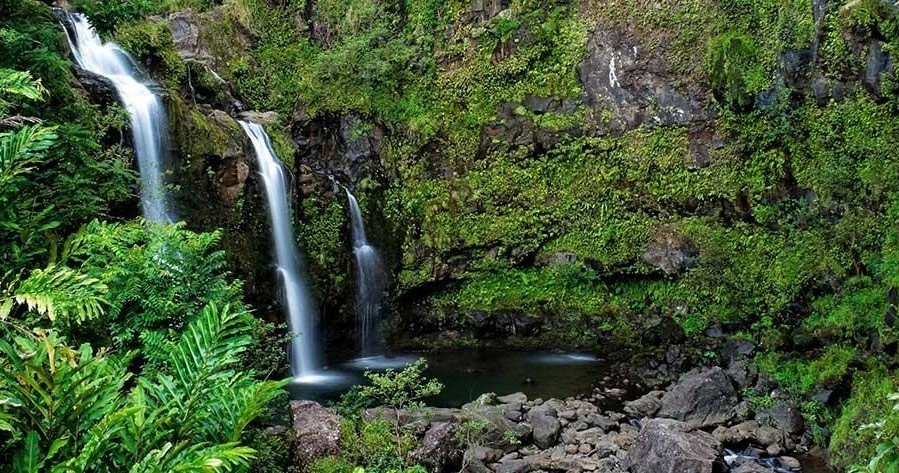
What makes Hana exceptional for photography tours is the variety within a small radius. Sunset at Hamoa Beach reads like seascape work—long exposures, tonal gradations, and the occasional silhouette of a lone fisherman—while dawn at Hana Bay can be a soft portrait session of village life before day visitors arrive. The contrasts continue with Waiʻānapanapa State Park: a black-sand cove, coastal blowholes, and volcanic headlands that demand attention to composition and texture. A short drive to Kipahulu and the Pipiwai Trail gives access to the bamboo cathedral and Waimoku Falls, where silky waterfall exposures and wide-angle compositions reward patient hikers.

Beyond pure landscape, Hana’s cultural landscape is a compelling layer for storytelling photography. Taro terraces and small farms, humble roadside stands, and the rhythms of local fishing life add human scale and context to environmental images—an opportunity to pair landscape work with respectful portraiture and documentary approaches. That intersection of culture and nature is also why guided photography tours are especially valuable here: local guides help navigate access considerations, explain cultural sensitivities around sacred sites, and time shoots for conditions that shift quickly in this wet microclimate.

On a practical level, Hana’s weather and terrain shape the tour: frequent localized showers mean quick changes in light—but they also deliver dramatic skies and reflective surfaces that elevate images. Narrow, winding roads slow down visits and make timing essential; sunrise and sunset shoots require biking or short hikes to reach the best vantage points. For adventurous photographers, the region’s isolation is its asset: fewer crowds, darker skies for night work, and a pace that invites experimentation rather than checklist-style sightseeing. Whether you’re after sweeping coastal panoramas, intimate flora-and-fauna studies, or moody cultural portraits, Hana’s concentrated diversity rewards planning, patience, and a willingness to follow the light.

The Road to Hana is both the transport and the subject—multiple stops, pullouts, and short hikes create an itinerary that unfolds image opportunities rather than a single destination.

Microclimates produce fast-moving weather: quick rain squalls can transform a flat scene into high-contrast drama, so a flexible schedule and protective gear are essential.

Activity focus: Photography Tours (landscape, cultural, and nature photography)
Total matching photography tours: 43
Road to Hana supplies continuous roadside subjects—plan for many short stops
Waiʻānapanapa State Park requires reservations at times; check ahead
Hana’s microclimates can change light rapidly—carry weather protection

Best Time to Visit

Best Months

AprilMaySeptemberOctober

Weather Notes

Hana’s climate is tropical with pronounced microclimates—expect frequent brief showers, especially inland and near cliffs. Trade-wind days bring clearer coastal skies; inland valleys often remain misty. Golden hour is extended on clear mornings, but late-afternoon squalls can produce dramatic skies.

Peak Season

Summer and winter holiday periods see increased visitation on the Road to Hana and at popular park sites.

Off-Season Opportunities

Shoulder months (spring and fall) generally offer quieter roads, calmer seas, and good light—ideal for multi-stop photography days.

Frequently Asked Questions

Do I need permits to shoot in state or national park areas?

Some locations—especially Waiʻānapanapa State Park and parts of Haleakalā National Park (Kipahulu)—have reservation systems or require commercial permits for organized shoots. Always check park websites and, for paid tours or commercial shoots, contact park authorities ahead of time.

Are drones allowed for photography around Hana?

Drone use is restricted in many state and national park areas and near populated beaches. Recreational drone pilots must follow FAA rules and local park regulations—check both before flying.

How difficult are photography tours—do I need to be a strong hiker?

Tours range from easy roadside stops to half-day hikes (e.g., Pipiwai Trail to Waimoku Falls). Choose a tour aligned with your mobility and check trail conditions before heading out.

Choose Your Experience Level

Beginner

Short, accessible stops with big payoff—sunrise/sunset beach sessions, village portraits, and scenic pullouts along the Road to Hana. Minimal hiking required.

  • Sunrise at Hana Bay
  • Black-sand beach compositions at Waiʻānapanapa (short walk from parking)
  • Road-to-Hana roadside waterfall studies

Intermediate

Half-day outings that combine short hikes and varied terrain—bamboo forest interiors, moderate coastal trails, and multi-stop golden-hour runs.

  • Pipiwai Trail afternoon shoot (bamboo + waterfall)
  • Hamoa Beach long-exposure session
  • Kipahulu coastal cliffs and tide-pool details

Advanced

Full-day itineraries and technical shoots—pre-dawn climbs for ridge panoramas, advanced night-sky work, or extended landscape projects requiring planning and full gear loads.

  • Pre-dawn headland compositions with tide and swell timing
  • Multi-day project combining cultural portraiture and landscape sequences
  • Night-sky and Milky Way shoots from remote Hana overlooks

Insider Tips & Local Knowledge

Respect private property, cultural sites, and park rules. Weather and access change quickly—confirm details before you go.

Start shoots with an eye for foreground: black sand, tide-polished stones, and crushed coral create natural foreground interest that anchors wide compositions. Check tide charts before coastal sessions—low tide opens tide-pool detail and exposed reef, high tide favors dramatic surf and blowhole action. Timing is everything: aim to be positioned 30–60 minutes before golden hour in Hana, because parking and short hikes can add unexpected minutes. For Road to Hana days, travel light and plan stops; the road is slow and pullouts fill fast on busy days. Bring protective gear for equipment—moisture is constant and salt spray is corrosive. Finally, favor a local guide for cultural shoots: they improve access, advise on respectful framing of people and places, and help sequence the day for the best light while minimizing impact on fragile sites.

What to Bring

Essential

  • Weather-sealed camera body or protective rain cover
  • Sturdy tripod for long exposures and low-light work
  • Wide-angle (16–35mm) and mid-range prime or zoom (35–85mm)
  • Spare batteries and multiple memory cards
  • Quick-dry layers, waterproof jacket, and sturdy footwear
  • Plenty of water and portable snacks (limited shops in Hana)

Recommended

  • Neutral density (ND) and polarizing filters for seascapes
  • Telephoto lens (100–400mm) for distant subjects and wildlife
  • Lens cleaning kit and silica gel packs for humid conditions
  • Portable backup drive or laptop and a power bank
  • Small microfiber towel and camera rain sleeve

Optional

  • Drone for aerials (only where allowed—check local and National Park regulations)
  • Intervalometer for time-lapse sequences
  • Lightweight gaiters for muddy trails
  • Local SIM or offline maps for navigation in sparse-coverage areas

Ready for Your Photography Tour Adventure?

Browse 43 verified trips in Hana with instant booking

Explore Top 15 Hana, Hawaii Adventures →