
Half Moon Bay adventure guide
Find your way into Half Moon Bay.
On the San Mateo coast, Half Moon Bay compresses salt-scrub bluffs, kelp-rich water, and a working harbor into a compact outdoor playground. This guide helps you pair surf sessions and tide-pool sidesteps with short cliff walks, bike-friendly coastal lanes, and harbor-based boat tours and rentals.
Three ways into the city
Pick a landscape. Build a day around it.
Half Moon Bay is less a single destination than a collection of neighboring worlds. Start with the version of the city that matches your pace, then use the ranked guide below to fill in the details.

Begin where the city meets the sea.
Surf breaks, sheltered harbors, whale routes, and long beach paths make the coast LA’s most immediate outdoor playground.
Explore boat tour →
Let a local connect the landmarks.
Use a guided city, walking, or sightseeing tour to turn LA’s sprawl into a coherent story.
Explore city tour →
Ride the coast and the city.
Beach paths, river corridors, e-bikes, and ridge climbs reveal a more connected Los Angeles.
Explore bike rental →Choose your way into Half
The top 15 Half Moon Bay adventures.
Ranked by the number of currently listed trips. Each panel opens the complete local activity collection.
1Boat Tour
Half Moon Bay’s coastline is compact but astonishingly active: a narrow corridor where kelp forests, migrating whales, coastal raptors, and legendary surf lines converge. Boat tours here range from mellow harbor cruises that introduce local ecology to adrenaline-tinged zodiac runs into open Pacific swell. This guide helps you match the right vessel, season, and operator to the experience you want—wildlife watching, storm-spectating, surf-viewing at Mavericks, or a reflective sunset off the Coastside.
Explore boat tour → 2
2Water Activities
Half Moon Bay's shoreline compresses an astonishing variety of ocean experiences into a narrow stretch of coast: surf breaks that draw elite big-wave riders, sheltered harbor waters for paddlecraft and beginner lessons, kelp-lined coves for sea kayaking, and long sandy beaches for tidepool exploration and clamming. This guide focuses on how to feel confident, safe, and excited about water time here—whether you’re sliding into a 5/4 wetsuit for a winter swell or launching an inflatable kayak on a calm spring morning.
Explore water activities →3Bike Rental
Salt-scented air, wide ocean views, and a ribbon of coast-path riding make Half Moon Bay one of Northern California’s easiest and most rewarding places to rent a bike. Whether you want a casual cruiser for a seaside spin, a gravel bike to work through headlands and farm roads, or a mountain bike for shaded singletrack, rental shops in town gear you up to explore the coast and nearby redwood corridors with minimal fuss.
Explore bike rental →4City Tour
Half Moon Bay compresses coastal drama, agricultural richness, and small-town main-street charm into a walkable, bikeable seaside itinerary. City tours here mix salt air and surf history with farm stands, public art, tidepools, and harbor life — ideal for short walking circuits, longer coastal-trail loops, or themed guided strolls that fold local fishermen, surfers, and growers into the story of place.
Explore city tour → 5
5Sightseeing Tour
Half Moon Bay condenses the drama of Northern California's coast into accessible, view-rich sightseeing—cliffside lookouts, working harbors, tide pools that reveal another world at low tide, and seasonal marine life that stages one of the most reliably scenic showings on the Peninsula. This guide focuses on curated sightseeing tours and outings that maximize coastal panoramas, wildlife viewing, and the area’s human stories.
Explore sightseeing tour →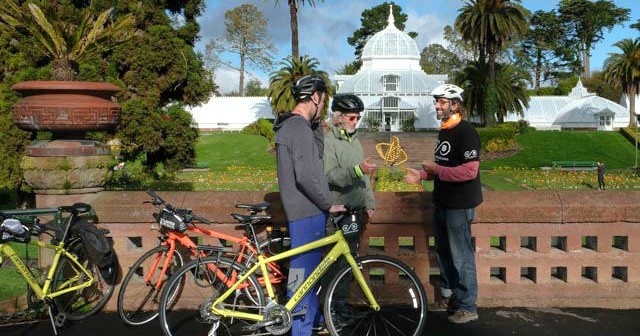 6
6Bike Tour
Half Moon Bay is a compact coastal canvas for bike touring: clifftop views, quiet agricultural backroads, and a stitched network of paved multi-use paths and scenic state highways. Whether you crave a gentle harbor-to-beach promenade, a gravel jaunt through pumpkin fields, or a wind-tested road ride along Highway 1, the coastside offers approachable loops and longer ambitions that connect surf, sea cliffs, and farmland in a single day.
Explore bike tour →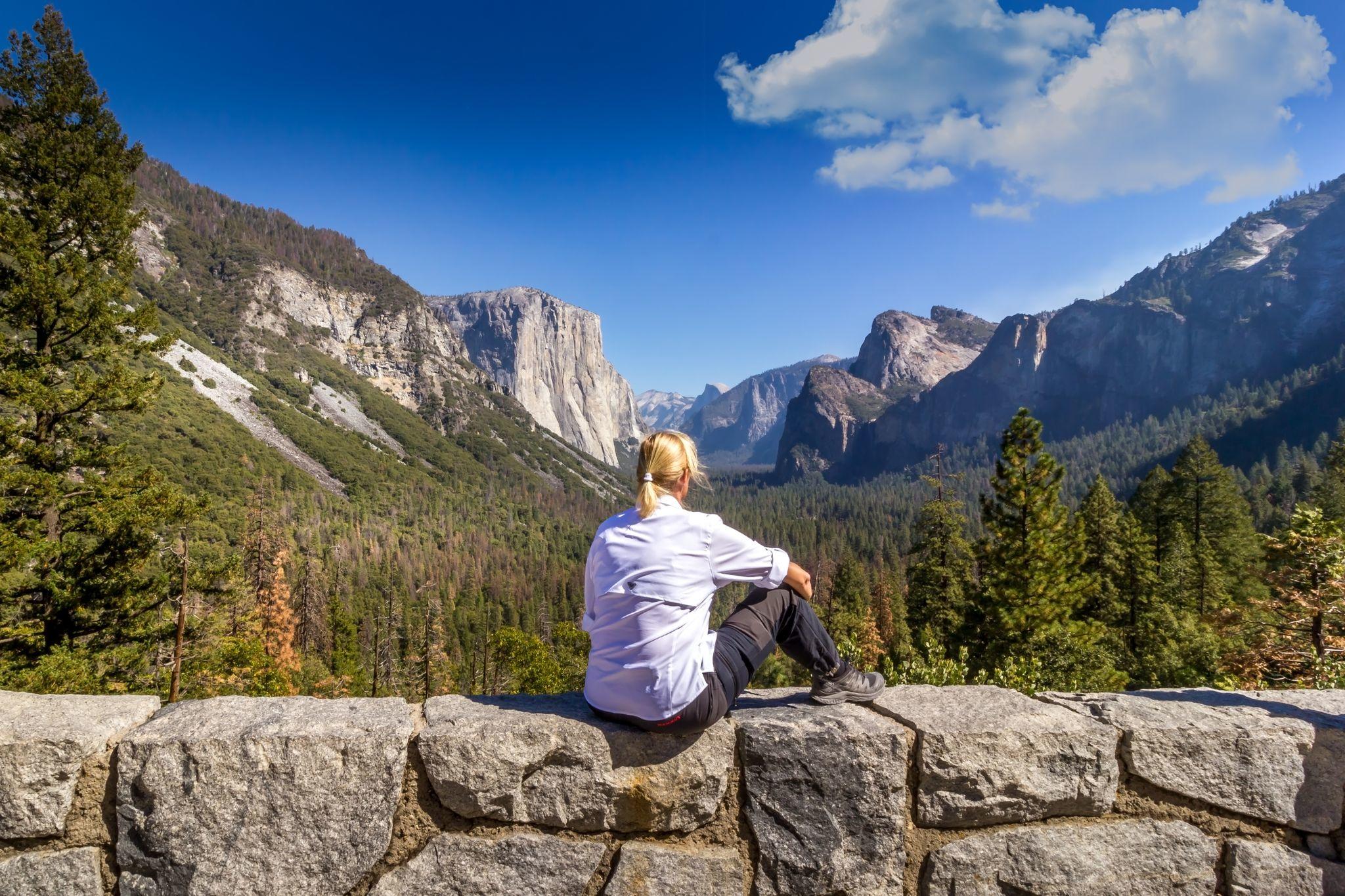 7
7Walking Tour
Half Moon Bay condenses Pacific drama into easy-to-reach walking experiences: bluff-top promenades that unspool ocean panoramas, compact historic streets that map a fishing-and-farming past, and exposed rocky shelves where tidepools reveal a miniature sea. These walking tours are as much about rhythm and observation as distance—slow coastal air, seabird calls, the click of boardwalk planks, and the cadence of waves that shape the town’s character. Whether you want a breezy waterfront ramble, a curated historical loop through downtown, or a guided low-tide expedition among anemones and hermit crabs, Half Moon Bay’s walking tours put the coast—and its stories—at your feet.
Explore walking tour → 8
8Bus Tour
Bus tours in Half Moon Bay compress open-ocean drama, agricultural vistas, and coastal history into a single, accessible day—or half-day—of travel. Whether you want narrated coastal drives, wildlife-focused excursions for whale and bird watching, or shuttle-style loops that pair short hikes and tidepool stops, bus-based experiences let you relax, learn, and cover ground without the logistics of driving, parking, or navigation.
Explore bus tour → 9
9Sailing
Half Moon Bay is a compact coastal chapter of wind, fog, and salt-sweet air—an ideal launch point for everything from gentle harbor sails to brisk coastal runs. With easy access to Pillar Point Harbor, a strong local sailing community, and dramatic swells breaking off Mavericks, this stretch of the Pacific offers varied conditions that reward preparation and curiosity. Expect fog-draped mornings that burn off into steady afternoon sea breezes, plentiful wildlife, and a mix of charter, lesson, racing, and day-cruise options suited to both newcomers and seasoned helms.
Explore sailing → 10
10Boat Rental
Half Moon Bay is a compact coastal town with outsized access to Pacific marine life, protected harbor launches, and dramatic open-ocean stretches. Boat rental options here range from calm harbor cruisers for family outings to guided charters for fishing, wildlife viewing, and coastal photography. Launch from Pillar Point Harbor and you can be beneath sea cliffs, weaving through kelp forests, or tracking migrating whales within an hour. This guide focuses on renting and using boats safely and smartly in Half Moon Bay’s varied coastal conditions—what to expect, when to go, and how to pair a day on the water with complementary coastal adventures.
Explore boat rental → 11
11E-Bike
Half Moon Bay's low cliffs, farm-lined backroads, and sweeping beaches make it an ideal playground for e-bikes. Short, scenic paved sections invite casual riders; gravel farm lanes and nearby open-space preserves reward riders seeking a bit more adventure. This guide focuses on where to ride, when to go, what to expect from the terrain and weather, and how to plan practical, memorable e-bike outings in and around Half Moon Bay.
Explore e-bike →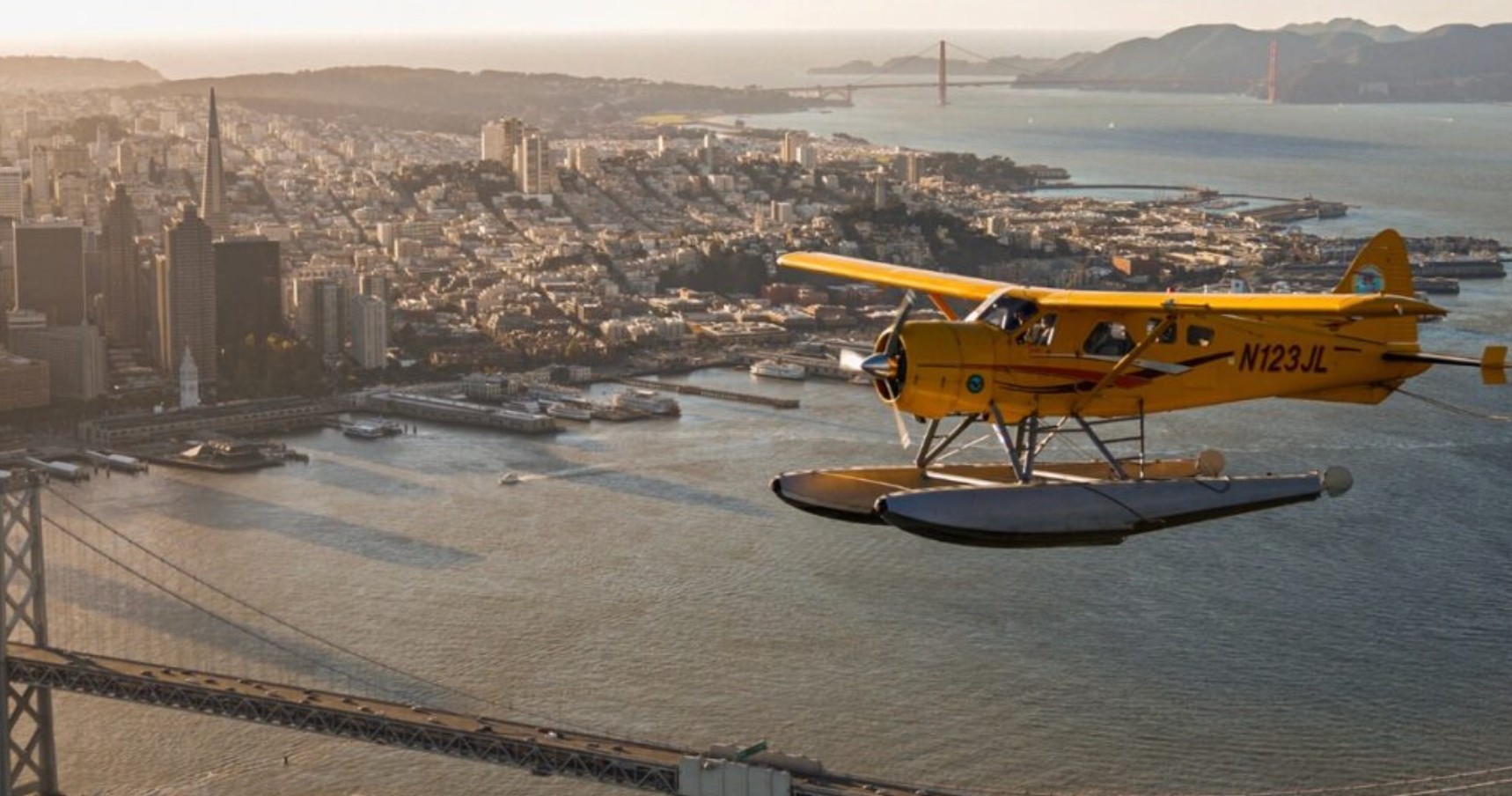 12
12Airplane
Perched where the coastal plain meets the Pacific, Half Moon Bay is a small-town launch point for a surprisingly rich set of airplane experiences—scenic flightseeing along the Big Sur–San Francisco coastline, pilot training circuits at the local airfield, and low-altitude aerial photography that captures fog, surf, and agricultural mosaics in a single frame. This guide focuses solely on airplane-centered adventures: how to pick the right flight for your goals, what to expect from the terrain and weather, and how to combine a flight with classic coastal activities on the ground.
Explore airplane →Ferry
Half Moon Bay's shoreline is a study in contrasts: low-lying beach parks that roll into wild, wind-scoured headlands, fishermen's piers, and private slips where charter captains stage short coastal runs. While not a major ferry hub, the town functions as a gateway for small-boat crossings, seasonal passenger charters, and water taxis that connect travelers to fishing grounds, whale-watching lanes, and secluded coves. This guide focuses on the experience of crossing those cool Pacific swells—what to expect aboard short coastal ferries and charters, how weather and tide shape every departure, and how to combine a crossing with fishing, coastal hikes, and birdwatching for a fuller Half Moon Bay adventure.
Explore ferry → 14
14Lodging
Half Moon Bay’s lodging scene folds the intangible into the practical: ocean-spray inns that wake you with gull calls, farm stays smelling of damp earth and lavender, and bluff-top resorts staring down at surf and sky. This guide curates thirteen options that help shape the coastal experience—places chosen for location, character, and the way they let you slip easily into local rhythm, whether your plan is surf-first, tide-pool hunting, trail running, or a slow weekend of tide-watching and farm-to-table dinners.
Explore lodging → 15
15Surf
Half Moon Bay is Pacific edge and coastal culture braided together: gentle beach breaks for learners at Linda Mar, the shifting sandbar perfection of Pillar Point, and the world-famous, heart-stopping swells of Mavericks farther offshore. This guide focuses on surfing the Half Moon Bay coastline—how tides and seasonal swells change the lineup, where to find lessons and rentals, how to read hazards, and how to plan a safe and memorable surf trip whether you want an easy morning session or to witness big-wave spectacle.
Explore surf →The city and the sea
Why Half Moon Bay Belongs on Your Coastal Adventure Shortlist
Variety without surrendering the day to long transfers.
Half Moon Bay is the kind of place that compresses many coastal experiences into a single morning or an extended weekend. Walk a bluff trail at sunrise and you’ll watch fishing boats head out from Pillar Point Harbor while surfers edge toward a gray line of swell at Mavericks; by afternoon you can swap a walking tour for a bike rental and follow a coastal rail-trail as sea birds wheel overhead. The town’s scale is a gift: lodging and cafés are a short walk from beaches, so you can pace a day with a morning surf lesson or guided boat tour and an afternoon of tide-pooling or sightseeing. Geography does the heavy lifting here. Low cliffs and broad beaches alternate with granite points that funnel swell, which is why Half Moon Bay supports everything from mellow family-friendly paddles to world-class surf. The harbor is active—crab boats, sailboats, and charter vessels share a working marine ecosystem—so options for boat rental, sailing, ferry hops, and organized water activities are abundant. That variety makes Half Moon Bay equal parts practical and aspirational: it’s a place where a casual walker can follow a scenic bluff path, while a more committed adventurer books an e-bike or a guided boat-tour for wildlife viewing and sea-cave recon. Culturally, the town retains a coastal-village rhythm. Local outfitters stock wetsuits, surfboards, and e-bikes; tide charts and surf reports are part of daily conversation; and city- and sightseeing-tours offer short, informative looks at maritime history and land-use that deepen a simple beach day into a place-based experience. Practical infrastructure—bike rental shops, ferry and boat-rental options, small commercial harbors, and seasonal sightseeing tours—means you can layer activities: a morning of water activities, a midday walking tour through downtown, and a late-afternoon bike-tour along the coast. For photographers and slow-travelers, golden-hour light on the bluffs and lingering fog over the ocean are rewards for early starts and patient pacing. The best part is adaptability. Half Moon Bay’s range of activities—boat tours, sailing, surf lessons, bike rentals and tours, walking and city tours, even airplane scenic flights and short ferry legs to nearby points—allows you to tailor the day to weather and skill. Fog and wind can change plans on a dime; that’s when the town’s indoor and harbor-based options (museums, seafood-focused eateries, or a short bus tour) let you keep time outdoors in a different register. For any visitor intent on coastal adventures—families, day-trippers, or seasoned ocean-seekers—Half Moon Bay is a compact, well-served gateway to the Northern California coast.
Access and logistics are friendly: Highway 1 threads the coast and parking is available at major beach access points; local outfitters handle rentals and guided outings for surfing, sailing, and fishing.
Because activities cluster—boat rental and sailing launches at Pillar Point, surf and lessons near Mavericks or Poplar Beach, and a short ribbon of bike-friendly roads—you can stack multiple experiences in a day with minimal transit time.
Conditions shape the day
The best time to visit Half Moon Bay.
Coastal Mediterranean climate: cool summers with frequent morning fog that burns off, mild autumns with clearer skies, and occasional strong winter storms. Water remains cool year-round—wetsuits are commonly used outside of the warmest summer days.
Best all-around window
Spring + fall
Comfortable mixed-itinerary weather, thinner crowds at beaches and lookouts, and more room to improvise.
Beach season
Late summer and early fall for clearer skies and calmer seas; weekends see the highest visitation (book lodging and guided outings early).
Surf + whales
Winter storms bring dramatic surf and fewer crowds—great for photography and experienced surfers.
Coast to inland
Cool marine mornings often give way to warmer inland afternoons and breezy evenings.
Beginner
Short, low-risk coastal walks, introductory surf lessons, easy harbor sails, and flat bike rides on paved lanes.
- Intro surf lesson at a sheltered beach
- Half Moon Bay State Beach stroll and tide pooling
- Gentle e-bike or bike rental ride along coastal roads
Intermediate
Longer bluff hikes, self-guided bike tours along windy coastal roads, multi-hour boat tours, and standup paddleboarding in sheltered coves.
- Guided boat tour for marine mammal viewing
- Coastal bike-tour linking Pillar Point to local beaches
- Walking tour of downtown and harbor with a sightseeing focus
Advanced
Big-wave surfing near Mavericks (local expertise required), offshore sailing passages, and technical coastal rides that require advanced navigation and conditions awareness.
- Advanced surf session at Mavericks with local spotters
- Sea-kayak or sailing outings in exposed conditions
- Full-day coastal rides on mixed pavement with strong headwinds
Field kit
What to bring.
Pack for sun, salt water, walking, and a meaningful temperature swing between coast and inland Half.
Essential
Start here
- Layered windproof jacket (coastal wind and fog)
- Sun protection (hat, SPF 30+, sunglasses) for exposed bluff walks
- Closed-toe traction footwear for rocky tide-pools and bluff trails
- Light daypack with water and snacks
- Waterproof phone case or dry bag for harbor and boat activities
Water days
Keep it dry
- Wetsuit or rent one for surf and colder-water paddling
- Helmet for e-bike or aggressive coastal biking
- Binoculars for bird and marine mammal spotting from boat tours and bluffs
- Tide-chart or app for safe tide-pool exploring
Long days
Stay flexible
- Action camera with float tether for surf or boat days
- Compact picnic blanket for beach stops
- Portable charger for full-days of photos and maps
Insider note
Start early, then keep the geography tight.
Start early to beat weekend parking and catch softer light on the bluffs. If fog rolls in, pivot to harbor-based boat or sightseeing tours and city- or walking-tours downtown. For ocean activities, consult local outfitters—renting a wetsuit, booking a boat rental, or taking a guided sailing trip will both improve safety and deepen your experience. If you're planning to ride, consider an e-bike for the coastal climbs; many rental shops offer both standard bike rental and e-bike options. Respect private property and posted signs at surf access points; crowd etiquette and local experience matter at big-wave spots. Finally, pack layers and a waterproof shell—Half Moon Bay can be sunlit and warm one hour, fog-swept and cool the next.
Good to know
Frequently asked questions.
Do I need to book surf lessons or boat tours in advance?
Yes—popular outfitters and guided boat tours can fill, especially on weekends and in summer. Book lessons and harbor-based charters ahead to secure preferred times.
Can I combine activities in one day?
Absolutely. Half Moon Bay’s compact layout makes it easy to pair a morning surf or boat-tour with an afternoon bike rental or walking tour and a sunset bluff stroll.
Are tide pools safe for kids?
Tide pools are a fantastic learning spot, but watch for slippery rock and incoming tides. Check tide charts and never turn your back on the surf.
Ready when you are
Find the trip that fits your Half Moon Bay day.
Compare bookable experiences across the coast, city, and mountains—then save the ones that belong in your plan.
Explore all Half Moon Bay adventures ↗