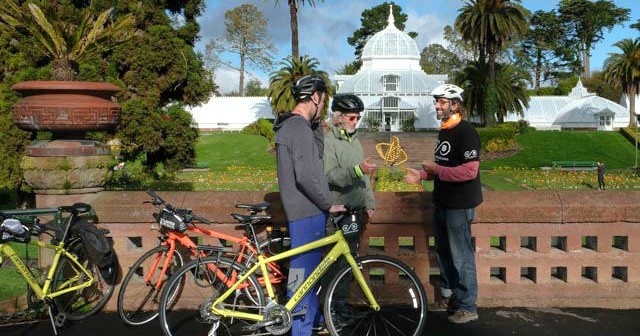
Best Bike Tours in Half Moon Bay, California
Half Moon Bay is a compact coastal canvas for bike touring: clifftop views, quiet agricultural backroads, and a stitched network of paved multi-use paths and scenic state highways. Whether you crave a gentle harbor-to-beach promenade, a gravel jaunt through pumpkin fields, or a wind-tested road ride along Highway 1, the coastside offers approachable loops and longer ambitions that connect surf, sea cliffs, and farmland in a single day.
Top Bike Tour Trips in Half Moon Bay
39 trips • Book with confidence • Instant confirmation
Why Half Moon Bay Is a Must-Ride Coastside Playground
Half Moon Bay lives at the meeting point of ocean and orchard, where the cadence of a good pedal stroke is scored by gulls, the hiss of surf, and the occasional distant creak of an old tractor. The town’s compact center is a useful base: friendly bike shops, a scattering of cafés that cater to early starts, and paved multi‑use paths that immediately free you from traffic. But the real attraction is the immediate contrast of landscapes a rider can stitch together in a single day—crisp cliff-edge ocean views on one mile, wide pastoral fields and hedge-lined farm lanes the next. That variety shapes an unusually forgiving bike-tour destination: you can dial the difficulty up or down without leaving the coast.
Coastal riders will be drawn to the Coastside Trail and the stretch of the California Coastal Trail that threads the bluffs, offering postcard vistas and accessible mileage for families or casual riders. Road cyclists will find satisfying, low‑traffic loops that incorporate Highway 1, the rolling climbs toward Miramar and the inland turns that lead to Pescadero and its landmark deli. Gravel and mixed-surface aficionados can cut inland on farm tracks and crumbly county roads that skirt pumpkin patches and meet up with redwoods in nearby parks. For ambitious, long-distance touring, Half Moon Bay is also a practical waypoint on a longer Pacific Coast route: head north toward Pacifica and the Devil’s Slide Trail, or south toward Año Nuevo and the scenic ribbon that links coastal preserves.
Seasonality here is more about fog and wind than snow: summer mornings can be cool and misty with the classic June Gloom, while late summer and early fall often offer the sunniest, calmest windows for long rides. Winter weather brings dramatic ocean conditions and occasional strong onshore winds that can make exposed headlands a stern test. The human rhythms matter, too—the town’s agricultural calendar punctuates the landscape with strawberry season, wildflower springs, and autumn pumpkin festivals that add a sensory layer to any ride. Complementary activities—surf sessions at Mavericks, a seal-viewing stop at Año Nuevo, or a restorative coffee and seafood lunch at Pillar Point—turn a bike tour into a full coastal day that connects nature, food, and local culture.
The scale and proximity of attractions make Half Moon Bay an efficient cycling destination: short transfer times, varied terrain, and infrastructure that serves both casual riders and more serious cyclists.
Local businesses—bike shops, rentals, and cafes—are concentrated enough to solve last-minute mechanicals or nutrition needs, while nearby state parks and coastal preserves offer quiet side trips for hikers and photographers.
Riders should respect seasonal wind patterns and tide timings; a ride timed to low tide can add tidepooling and beach access to your itinerary, while avoiding blustery headlands will preserve energy for scenic inland miles.
Best Time to Visit
Best Months
Weather Notes
Spring and early fall typically deliver the most consistent dry, mild weather and calmer winds. Summer mornings often begin with coastal fog that can burn off by midday; winter brings the strongest storms and the liveliest surf but may also introduce heavy winds.
Peak Season
Late summer through autumn (August–October) sees more stable sunny days and local festivals tied to harvests.
Off-Season Opportunities
Winter and early spring can offer solitude, dramatic skies, and excellent surf viewing; be prepared for stronger winds and occasional road closures after storms.
Frequently Asked Questions
Do I need special permits to bike along the coastline or in nearby parks?
Most paved coastal and county roads do not require permits. Some state parks may have vehicle or parking fees; check specific park websites for current rules if you plan to leave a vehicle.
Are there bike rental and repair options in town?
Yes—Half Moon Bay has several shops offering rentals, basic repairs, and local route advice. For major mechanical issues, larger shops in nearby Pacifica or Daly City provide fuller services.
Is the Coastside Trail family-friendly?
Yes. The Coastside Trail is paved and mostly flat, making it suitable for families, children, and casual riders.
Choose Your Experience Level
Beginner
Gentle, low‑traffic rides on paved multi-use paths and short harbor-to-beach loops suitable for families and casual riders.
- Pillar Point Harbor to Main Street loop
- Short Coastside Trail seaside promenade
- Flat harbor and beach ride with tidepool stops
Intermediate
Longer coastal loops and mixed-surface routes with moderate climbs and exposure to coastal wind—good for fit cyclists wanting scenic mileage.
- Half Moon Bay to Pescadero loop via Highway 1 and Stage Road
- Coastal bluffs ride with stops at Mavericks viewpoint
- Gravel-inland tour through farmland and backroads
Advanced
All-day efforts that combine sustained climbs, exposed headlands with strong winds, and longer mileage—planning for weather and navigation is essential.
- Extended Pacific Coast route north to Devil’s Slide and Pacifica
- Long-distance touring linking Half Moon Bay, Año Nuevo, and Santa Cruz
- High-speed road rides on exposed Highway 1 segments in variable conditions
Insider Tips & Local Knowledge
Check tide and weather forecasts, carry layered clothing, and know where to refill water and food.
Start rides early to catch calmer winds and clearer skies—fog often burns off by late morning but can linger in protected coves. If you’re riding the bluffs keep an eye on crosswinds; a sheltered inland connector can make rides more pleasant on windy days. Time coastal stops around low tide to access tidepools and safer beach exits. Bring cash or card for small eateries in Pescadero and Half Moon Bay; many cafés welcome cyclists and have outdoor seating. For gravel routes, ask a local shop about road conditions after rain—farm tracks can become soft and rutted. Finally, be mindful of wildlife viewing etiquette at Año Nuevo and other reserves: observe from a distance and follow posted signage to protect animals and nesting habitats.
What to Bring
Essential
- Helmet and a compact repair kit (spare tube, pump/CO2, multi-tool)
- Layers—wind shell or light rain jacket
- Water and electrolyte snacks
- Cel phone with offline map or cue sheet
- Sunscreen and sunglasses
Recommended
- Cycling gloves and padded shorts for longer miles
- Light lock for stops at cafés or viewpoints
- Tire sealant or tubeless repair kit for gravel routes
- Small first-aid kit
Optional
- Binoculars for marine wildlife along Año Nuevo
- Camera for coastal panoramas
- Light panniers for market stops (pumpkins, produce)
Ready for Your Bike Tour Adventure?
Browse 39 verified trips in Half Moon Bay with instant booking
Explore Top 15 Half Moon Bay, California Adventures →