
Haiku adventure guide
Find your way into Haiku.
A green shoulder of Maui where rainforests meet a restless ocean, Haiku is less a single destination than a launch pad: surf breaks that catch winter swells, crystal coves for snorkeling and scuba, and inland ridgelines that beg for hiking and photography tours. Use this guide to stitch together water activities, boat tours and eco tours with short hikes, bike tours, and sunset sails for a full-spectrum island week.
Three ways into the city
Pick a landscape. Build a day around it.
Haiku is less a single destination than a collection of neighboring worlds. Start with the version of the city that matches your pace, then use the ranked guide below to fill in the details.

Begin where the city meets the sea.
Surf breaks, sheltered harbors, whale routes, and long beach paths make the coast LA’s most immediate outdoor playground.
Explore water activities →
Let a local connect the landmarks.
Use a guided city, walking, or sightseeing tour to turn LA’s sprawl into a coherent story.
Explore boat tour →
Ride the coast and the city.
Beach paths, river corridors, e-bikes, and ridge climbs reveal a more connected Los Angeles.
Explore bike tour →Choose your way into Haiku
The top 15 Haiku adventures.
Ranked by the number of currently listed trips. Each panel opens the complete local activity collection.
1Water Activities
Haiku sits on Maui’s windward edge where the land meets the Pacific with a raw, salt-scented energy. Water activities here pivot around wind, swell, and reef—Ho'okipa's world-class windsurfing and big-wave breaks draw athletes and spectators alike, while calmer mornings yield glassy conditions for stand-up paddleboarding and reef snorkeling in nearby bays. The town’s access to both rugged coastline and verdant inland streams makes Haiku an ideal base for pairing ocean days with freshwater waterfalls and rivers on East Maui.
Explore water activities →2Boat Tour
Haiku sits on Maui’s lush windward flank, a short drive from harbors that launch boat tours into some of the Pacific’s most dramatic coastal theater. From sunrise sailings under steady trade winds to zodiac trips along sea cliffs and seasonal humpback-watching cruises, boat tours from the Haiku area put travelers on the water for marine life encounters, snorkeling in clear coves, cultural shoreline narratives, and opportunities to watch the island reveal itself from sea level.
Explore boat tour → 3
3Snorkel
Haiku sits on Maui’s windward flank where lush valleys tumble toward a rocky, reef-studded coastline. Snorkeling from shore here is an intimate way to meet the island’s nearshore world—turtle-napped ledges, shallow coral gardens, and the quick dart of reef fish through crystalline pockets of water. Expect conditions that reward early mornings and dry trade-wind windows; when the seas are calm, Haiku and nearby coves deliver accessible snorkel outings suited to both first-timers and practiced fins.
Explore snorkel → 4
4Surf
Haiku sits on Maui’s windward flank—a short run from Paʻia and Ho'okipa—where surf culture is woven into the scent of sea salt and the sound of trade winds. This guide focuses on surfing in and around Haiku: reef and beach breaks, wind-driven sessions at Ho'okipa, and access points for everything from first waves to big-swell commitments. It blends practical planning with local texture so travelers can choose waves that match skill, season, and appetite for adventure.
Explore surf → 5
5Sightseeing Tour
Haiku sits at the crossroads of Maui’s verdant windward valleys and the island’s rollicking North Shore surf. Sightseeing tours that launch from or pass through Haiku combine palm-lined coastal lookouts, farm-and-garden visits in Upcountry, dramatic seaside cliffs, and short-access cultural stops—often threaded together on half- or full-day van loops. Expect microclimates: morning surf and sunshine can give way to misty gulches within minutes. The best tours balance scenic stops with local context—farm stories, Hawaiian history, and wildlife viewing—so travelers leave with a clearer sense of place, not just photographs.
Explore sightseeing tour → 6
6Whale Watch
Haiku sits at the edge of a sea that turns theatrical each winter, where the returning humpback whales choreograph displays visible from boats and certain shorelines. This guide focuses on whale-watching experiences centered on Haiku—day trips launching nearby, shore-based vantage points, and curated tours that pair marine life encounters with local culture. Expect a mix of calm harbor departures, smaller zodiac outings for close encounters, and opportunities to combine whale watching with snorkeling, surf-spot watching, and North Shore explorations.
Explore whale watch → 7
7Scuba
Haiku is an understated launch point for some of Maui’s most textured underwater landscapes: fringing reefs, lava-formed ledges, and sheltered bays that open onto dramatic drop-offs. From easy, shallow reef dives for newly certified divers to current-tested drift runs and dramatic swim-throughs for seasoned teams, diving around Haiku offers clear water, abundant reef life, and a quiet, local vibe that feels a world away from the resort piers.
Explore scuba → 8
8Hiking
Haiku sits on the windward flank of Maui like a green, breathing threshold to East Maui’s waterfalls, bamboo groves, and ocean-facing valleys. Hikes here skip the alpine austerity of Haleakalā and instead deliver tropical humidity, sudden ribboning rain, and the hush of dense ʻōhiʻa and fern forests. This guide focuses on day hikes and trail systems accessible from Haiku—waterfall loops, ridge walks with ocean views, and the approaches to the storied Hana corridor—plus the practical notes you need to plan them safely and responsibly.
Explore hiking → 9
9Eco Tour
Haiku sits where rain-fed valleys spill toward the north shore of Maui—an intimate patchwork of taro terraces, fern-draped gulches, coastal shrublands, and reef-front waters. Eco tours here emphasize connection: guided wetland walks that track native birds and water systems, streamside hikes that read the history of land stewardship, and small-group marine trips that center reef health and traditional Hawaiian fishing practices. Expect slow discovery, hands-on interpretation, and itineraries that balance soft adventure with conservation-minded stewardship.
Explore eco tour → 10
10Photography Tour
Haiku is not a single scene so much as a mood: a saturated green corridor where misty ridgelines meet coastal light, where taro lo‘i and bamboo groves offer layered compositions and waterfalls appear just off hidden roads. Photography tours here range from gentle dawn sessions along the shore to sweat-earned vantage points above cascading streams. This guide focuses on how to plan a successful Haiku photography outing—when to go, what to carry, and how to match the season to the image you want to make.
Explore photography tour → 11
11Kayak
Haiku’s verdant ridgelines tumble toward a coast shaped by trade winds, reef teeth, and small, sheltered bays. For kayakers the district is less about long, exposed crossings and more about close-to-water experiences: paddling calm estuaries and reef-edged coves, threading along dark lava shoreline, and linking snorkeling stops with short paddles. Expect a mix of peaceful flatwater outings and more technical ocean starts when the swell and winds are up.
Explore kayak →Sailing
Haiku sits on Maui’s windward flank and acts as a quiet doorway to a playground of trade-wind sailing, sheltered reef runs, and long coastal reaches. Expect steady northeasterly trades, variable swell depending on season, and quick access to coastal day-sails that thread reefs, pass offshore pinnacles, and deliver luminous Hawaiian sunsets. This guide focuses specifically on sailing from the Haiku/Paia corridor—what to expect, when to go, and how to plan smart, respectful trips on these coastal waters.
Explore sailing →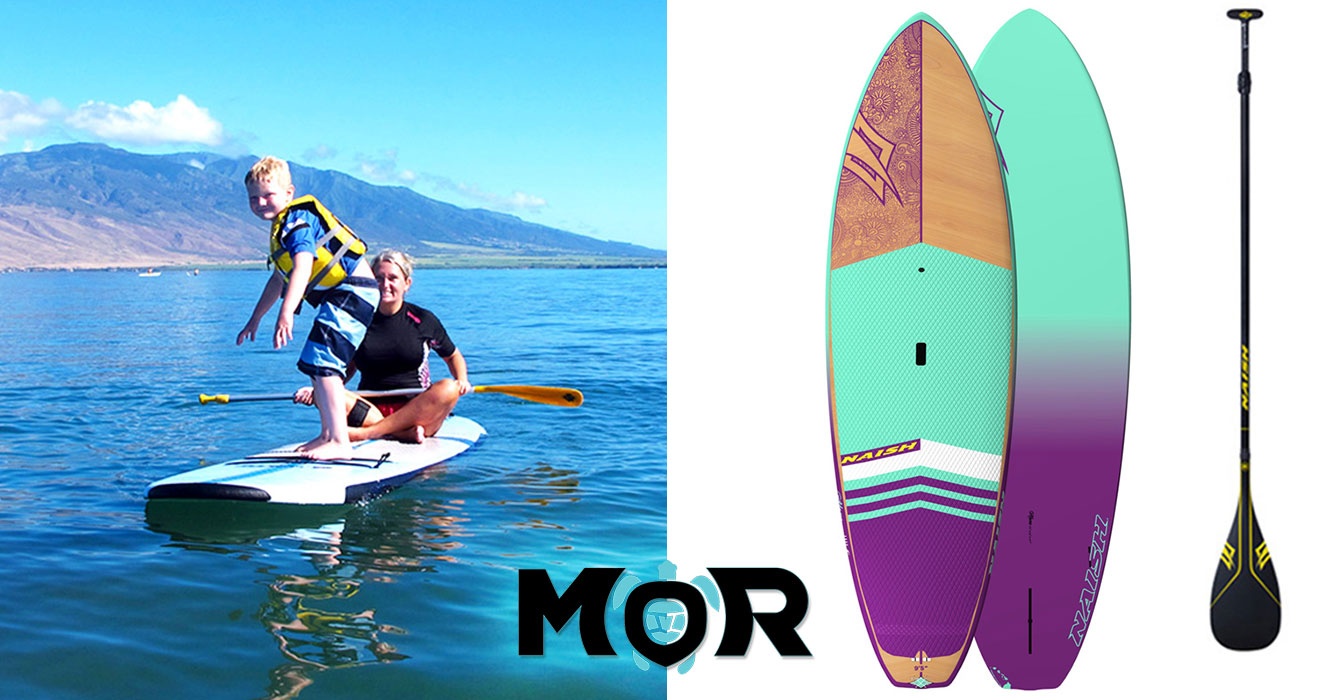 13
13SUP
Haiku’s coastlines and nearshore waters serve up a rare combination: sheltered mornings, reef-protected paddling, and quick access to open ocean for those chasing rolling swells. From gentle estuary floats to guided reef tours and early-morning flatwater runs, SUP here is as much about marine life and coral gardens as it is about balance and breath.
Explore sup →14Bike Tour
Haiku sits like a green lung on Maui’s north shore—an outpost of mango trees, taro patches, and quiet, rolling roads where bike tours turn into slow-motion discoveries. From coastal cruisers that trace the wind-swept blue of the Pacific to gravel and backroad loops that climb into eucalyptus-scented Upcountry, Haiku offers a pleasing mix of gentle grades, punchy rollers, and long, scenic descents. This guide focuses on how to ride Haiku: the best routes, seasonal considerations, rental and transport logistics, and practical tips that keep your tour focused on the country vistas rather than traffic or logistics.
Explore bike tour → 15
15Dolphin
Haiku sits at the lush edge of Maui’s north shore, a short drive from sheltered bays and offshore reefs where dolphins gather in predictable numbers. This guide zeroes in on dolphin-focused adventures—wildlife-watching cruises, guided snorkel swims, and mindful shore-based encounters—pairing place-based storytelling with the practical planning notes you need to turn a fleeting ocean encounter into a meaningful day on the water.
Explore dolphin →The city and the sea
Why Haiku Belongs on Your Adventure Shortlist
Variety without surrendering the day to long transfers.
Haiku feels like an island in miniature: the trade winds sketch patterns across sugar-green hills while the ocean below alternates between glassy bays and thunderous, reef-driven surf. You can stand on a short ridge at dawn and plot a day that stitches water activities and land-based exploration—paddle out on a SUP into a mirror-flat morning, trade the flatwater for a kayak into a sea cave, then swap the board for fins and snorkel (or scuba) near coral bommies where surgeonfish and parrotfish stitch color into the reef. There is a rhythm here keyed to tides and weather. In winter the surf swells turn Haiku into a surf and whale-watch corridor: boat tours and sailing charters run daily, and guided whale watch trips thread between breaches and spouts. Come spring or fall and the water calms, inviting stand-up paddleboarding, family-friendly snorkeling, and swim stops where dolphins sometimes hover at the boat’s prow. Inland, miles of ferned trails and ridge lines reward short, steep hikes and photography tours—bring a telephoto for the endemic plant life and the dramatic coastal light. Eco tours keep the experience grounded: local guides translate biological detail into a deeper sense of place and show why reef etiquette and low-impact hiking matter. Haiku is also practical. Outfitters along the Hāna Highway and near Haiku town offer everything from snorkel rentals and guided scuba to bike tours and kayak shuttles. That makes it straightforward to layer a morning surf lesson, an afternoon eco tour, and an evening photography tour at a volcanic coastline without spending half your day on logistics. For travelers who want to balance curated experiences—like a sunrise boat tour or a guided reef dive—with self-directed outings—an independent hike or a rented SUP—the town makes for an efficient basecamp that still feels wild. Lastly, Haiku’s pull is seasonal but forgiving. Whale-watch season and big-wave winter surf bring spectacle; spring and fall offer quieter water and clearer hiking days. For photographers, the light in late afternoon across the north shore is the kind that flattens pride and elevates patience: tidepools, paddlers, distant spouts, and a coastline that reads best when you slow down and look closely.
Access and outfitting are strengths: local shops handle gear, guides provide shuttle logistics for kayak and SUP launches, and boat tours depart near convenient harbors. That accessibility lets you stack activities—boat tour then snorkel, or morning hike then afternoon surf lesson—without losing momentum.
Haiku rewards modular planning. Pick a priority (surf, snorkel/scuba, whale watch, or hiking) and build short supporting activities around it. Shoulder seasons reduce crowds and make guided eco tours and photography tours especially rewarding.
Conditions shape the day
The best time to visit Haiku.
Warm, tropical conditions year-round. Winter months (December–March) bring larger north swells—prime for surf and whale watches but not for novice paddling. Rain showers are common in trade-wind pockets; inland trails can be muddy after heavy rain.
Best all-around window
Spring + fall
Comfortable mixed-itinerary weather, thinner crowds at beaches and lookouts, and more room to improvise.
Beach season
December through March for winter surf and humpback whale activity; plan and book boat tours and guided outings early.
Surf + whales
Shoulder months (spring and fall) offer calm water for snorkeling, fewer crowds on trails, and better photography light—often the best combination of value and accessibility.
Coast to inland
Cool marine mornings often give way to warmer inland afternoons and breezy evenings.
Beginner
Short, low-risk outings that introduce island elements—calm-water paddles, sheltered snorkeling, and easy guided walks.
- Intro surf lesson on a gentle north-shore break
- Guided snorkel at a protected bay
- Short photography tour focusing on coastlines and tidepools
Intermediate
Longer days or mildly technical water and land activities—exposed paddles, longer coastal hikes, or bike tours on rolling terrain.
- Half-day kayak or SUP along the coast with current awareness
- Boat tour with snorkeling stops and a chance to spot dolphins
- Intermediate hike to ridge viewpoints with some elevation gain
Advanced
High-exposure or skill-intensive adventures—open-ocean paddles, big-wave surf sessions, technical scuba dives, and long multi-hour traverses.
- Guided offshore scuba dives on deeper reef walls
- Open-ocean kayak or multi-mile SUP excursions (with support/shuttle)
- Advanced surf sessions on winter north swells
Field kit
What to bring.
Pack for sun, salt water, walking, and a meaningful temperature swing between coast and inland Haiku.
Essential
Start here
- Reef-safe sunscreen and sun hat
- Light, quick-dry layers for changing coastal weather
- Waterproof phone case or dry bag for ocean outings
- Swimwear and reef booties or water shoes
- Basic first-aid items and reef-safe insect repellent
Water days
Keep it dry
- Mask, snorkel, and fins if you prefer your own gear
- Light wind shell for early-morning sails or ridge hikes
- Waterproof camera or action camera for boat and surf shots
- Small daypack with hydration bladder for hikes
Long days
Stay flexible
- Tide chart or app for planning snorkeling and rock-pool sessions
- Compact binoculars for whale and dolphin spotting
- Drybag for longer kayak or boat tours
Insider note
Start early, then keep the geography tight.
Start early—mornings are typically the calmest for snorkeling, SUP, and photography. For whale-watch and dolphin encounters, pick a licensed boat tour that follows local guidelines; sightings are never guaranteed but a good captain increases your chances. Give reef life space: avoid touching coral, stand clear of fish and sea turtles, and use reef-safe sunscreen. After rain, expect muddy trail approaches—choose gravel or paved side trips and favor guided options if water levels are high. Finally, park mindfully: many popular put-ins and trailheads are on narrow shoulders—leave no trace and plan to arrive before mid-morning on weekends.
Good to know
Frequently asked questions.
Can I do most activities without a guide?
Yes for many entry-level options—gentle hikes, beach snorkeling in calm coves, and bike touring. Choose a guide for offshore boat tours, scuba dives, technical surf instruction, or when navigating currents and tide-dependent access points.
Is it safe to snorkel and swim anywhere?
No—respect posted signs and local guidance. Reefs have sharp coral and unpredictable currents; opt for designated snorkeling spots or guided snorkel trips, especially if you’re unfamiliar with tides.
When is whale season and how do I see whales responsibly?
Humpback whales are most active December through April. The responsible way to watch whales is from a licensed whale-watch or boat tour that follows approach-distance regulations, or from shore at approved vantage points—never attempt to swim with whales.
Ready when you are
Find the trip that fits your Haiku day.
Compare bookable experiences across the coast, city, and mountains—then save the ones that belong in your plan.
Explore all Haiku adventures ↗