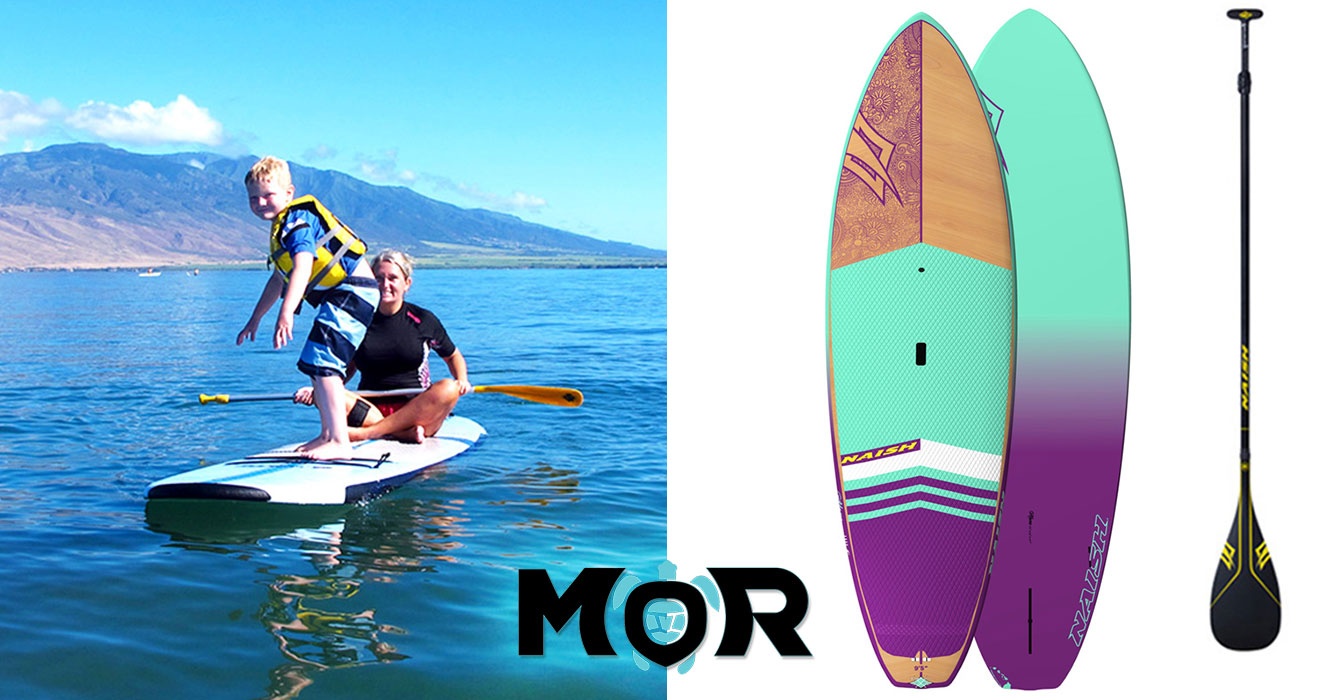
Stand-Up Paddle (SUP) in Haiku, Hawaii
Haiku’s coastlines and nearshore waters serve up a rare combination: sheltered mornings, reef-protected paddling, and quick access to open ocean for those chasing rolling swells. From gentle estuary floats to guided reef tours and early-morning flatwater runs, SUP here is as much about marine life and coral gardens as it is about balance and breath.
Top SUP Trips in Haiku
38 trips • Book with confidence • Instant confirmation
Why Haiku Is Exceptional for SUP
There’s a particular hush to a Haiku morning on the water: the low sun spilled across a glassy surface, the island silhouette broken by the occasional sail, and the small, deliberate strokes of a paddle that send tiny concentric rings across an otherwise perfect mirror. Haiku sits on East Maui where reef structures and coastal contours create a variety of paddling conditions within a short distance of shore. That means you can go from calm, waist-deep reef flats ideal for learning and snorkeling from your board to semi-protected bays that offer a gentle chop for basic surf practice, all within a single outing.
This variety is what makes the place special for stand-up paddlers of all levels. Beginners find confidence on the sheltered shallows where clear water and coral gardens make every glide visually rewarding; guides often layer in cultural and environmental context, pointing out native limu (seaweed), the telltale signs of reef recovery, and the seasonal migration of humpback whales offshore. Intermediates can explore slightly larger water or practice downwind runs when the tradewinds pick up in the afternoon. Advanced paddlers use Haiku as a launchpad for longer coastal circuits or to meet local surfers and windsurfers on the outer breaks.
Beyond conditions, SUP in Haiku plugs you into the island rhythm: small roadside shacks selling fresh coconut, the scent of ironwood and breadfruit from nearshore groves, and a local ethic of respect for the ocean. Much of the coastline here is backed by privately owned shoreline or culturally significant areas, so paddlers who come prepared to follow access guidance and reef-safe practices find a warmer welcome and more stable conditions season after season. Environmentally minded paddling is especially important here; coral reefs are living systems under stress, so reefs must not be touched, anchored on, or trailed through.
Practically, Haiku is attractively accessible. Paia and nearby parking areas put you close to a range of put-in points, and several local outfitters operate small-group clinics, rentals, and guided eco-tours tailored to tide and wind windows. The town’s mix of casual cafés and outdoor shops means you can easily pick up any last-minute gear, then slip quietly into a morning that feels equal parts tropical postcard and purposeful adventure. Whether your aim is to float through a kelp forest at sunrise, learn the basics in waist-deep water, or test yourself on a longer open-water crossing, Haiku’s paddle culture offers routes, resources, and rhythms that suit every rhythm-seeker.
Morning calm is the rule: trade winds typically pick up midday, so early put-ins deliver the most consistent flatwater for instruction and reef tours.
Ecotourism and cultural education are often built into guided SUP experiences—expect to learn about local fish, coral health, and Hawaiian place names when paddling with reputable guides.
Haiku’s proximity to Paia and Kuau Bay provides easy access to both protected bays and more exposed stretches, making it simple to tailor an outing to skill level.
Best Time to Visit
Best Months
Weather Notes
Haiku benefits from warm, stable subtropical conditions. Early mornings are usually calm and ideal for SUP; trade winds strengthen through late morning and afternoon, especially May–September. Winter months (December–April) can bring larger swell to exposed north and west-facing coasts but still offer sheltered options along Haiku’s east-facing shoreline.
Peak Season
Late spring and early fall offer the most reliable mix of calm mornings and manageable afternoon winds; winter brings whale season and increased tourism.
Off-Season Opportunities
Midday paddles in summer can be windier—good for practicing downwind skills. Winter offers whale-watching from your board on calm days and fewer crowds on weekdays.
Frequently Asked Questions
Do I need to book a guide or can I rent and go on my own?
You can rent and paddle independently from public put-ins, but booking a reputable guide is recommended if you’re unfamiliar with local currents, reef hazards, or cultural access rules. Guides also time outings to tides and wind windows.
Are there places to safely leave a car while I paddle?
Parking varies by put-in. Use official parking areas where available, arrive early to secure spots, and avoid blocking private driveways or access paths. Local outfitters often provide suggestions for legal parking.
Is it safe to paddle near coral reefs?
Yes, with care. Observe reef-safe practices—do not stand on, touch, or anchor on coral. Use a board leash with awareness of your surroundings, and follow guide instructions to minimize reef contact.
Choose Your Experience Level
Beginner
Protected shallow reefs and nearshore bays in Haiku are excellent for learners: calm water, warm temperatures, and visual rewards make for low-stress early sessions.
- Guided reef-flat SUP lesson
- Calm-morning flatwater practice near Haiku shore
- Snorkel-from-board introductory tours
Intermediate
Paddlers comfortable with basic balance can explore longer reef circuits, slightly choppiers sections near headlands, and learn downwind fundamentals on trade-wind afternoons.
- Half-day coastal circuit to nearby points
- Guided sunrise reef and marine-life tour
- Downwind practice sessions when winds moderate
Advanced
Experienced paddlers can plan longer open-water crossings, surf-oriented SUP outings, or practice technical downwind runs when conditions align. Knowledge of navigation, currents, and safety protocols is essential.
- Open-coast crossings to nearby bays (weather dependent)
- SUP surf sessions on exposed breaks
- Self-supported multi-stop coastal paddles
Insider Tips & Local Knowledge
Respect the ocean and local practices: follow reef-safe guidelines, park thoughtfully, and ask before accessing private shoreline.
Start at first light to catch the glassy water and avoid midafternoon tradewinds. If you’re new to Maui’s currents, book a guided tour for your first outing—their local knowledge of tides, channel cuts, and sea life is invaluable. Carry reef-safe sunscreen and use a leash appropriate to conditions; a longer leash on rocky entries prevents board loss, while a shorter leash is better for surf sessions. Learn a few Hawaiian place names and the simple cultural etiquette of the shoreline—locals appreciate paddlers who show respect for land and sea. Finally, check tide charts and local surf reports the day of your paddle; a calm morning can turn lumpy with shifting conditions by midday.
What to Bring
Essential
- PFD (personal flotation device) or life vest (required for rentals/guides)
- Sun protection: reef-safe sunscreen, hat, UV shirt
- Water and quick snacks
- Waterproof dry bag for phone/ID/keys
- Leash for your SUP board
Recommended
- Light, quick-dry layers (mornings can be cool before sun-up)
- Water shoes or reef booties for rocky put-ins
- Basic repair kit if bringing own inflatable board
- Portable pump and patch kit for inflatable boards
Optional
- Snorkel mask and fins to explore reef breaks from the board
- Action camera or small waterproof camera
- Long-sleeve rash guard for extended sun exposure
Ready for Your SUP Adventure?
Browse 38 verified trips in Haiku with instant booking
Explore Top 15 Haiku, Hawaii Adventures →