
Fraser adventure guide
Find your way into Fraser.
Tucked into the high valley west of Rocky Mountain National Park, Fraser is a launchpad for alpine days and long winter afternoons. Think brisk morning hikes and late-afternoon fishing, shredding powder at Winter Park Resort or pointing skis toward quieter skin tracks; the town’s activity list reads like a four-season sampler: Walking Tours and easy Sightseeing Tours for slow mornings, Hiking and Climbing for ridge-minders, Water Activities and Rafting on nearby stretches in summer, and a winter wardrobe of Snowmobile, Ski, and Winter Activities otherwise. Outfitters cluster here for Bike Rental, guided Bike Tours, eco-minded Eco Tours, and practical Lodging that keeps your gear close and your wake-up late enough to enjoy a proper coffee before the trailhead.
Three ways into the city
Pick a landscape. Build a day around it.
Fraser is less a single destination than a collection of neighboring worlds. Start with the version of the city that matches your pace, then use the ranked guide below to fill in the details.
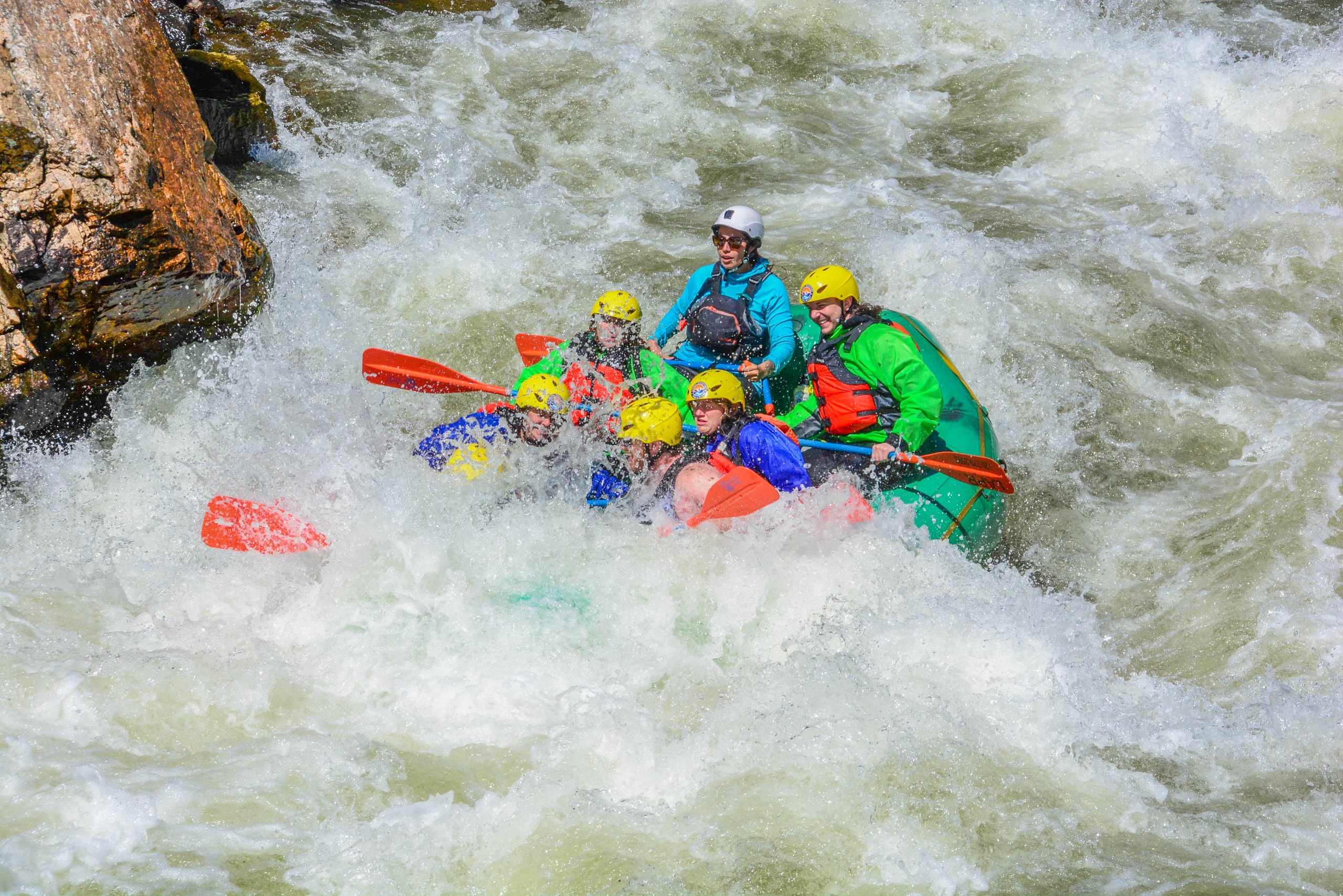
Begin where the city meets the sea.
Surf breaks, sheltered harbors, whale routes, and long beach paths make the coast LA’s most immediate outdoor playground.
Explore water activities →
Let a local connect the landmarks.
Use a guided city, walking, or sightseeing tour to turn LA’s sprawl into a coherent story.
Explore walking tour →
Ride the coast and the city.
Beach paths, river corridors, e-bikes, and ridge climbs reveal a more connected Los Angeles.
Explore bike rental →Choose your way into Fraser
The top 15 Fraser adventures.
Ranked by the number of currently listed trips. Each panel opens the complete local activity collection.
1Walking Tour
Fraser condenses mountain life into approachable walking tours: riverwalks that trace braided channels and wetlands, short interpretive loops through high-elevation meadows, and a compact historic main street lined with local cafés and mountaineering lore. Whether you want a gentle nature stroll, a photography-focused ramble, or a cultural walk that connects ranching history to contemporary mountain life, Fraser’s walking experiences are short on distance but rich in detail.
Explore walking tour → 2
2Hiking
Fraser sits at the threshold of high-country hiking—an accessible valley town with meadows, aspen groves, and quick access to alpine ridgelines. Trails here range from gentle riverwalks that suit families to exposed summer routes that ascend toward the Continental Divide. This guide focuses on hiking-focused experiences around Fraser: what the terrain feels like, when to go, and how to plan for altitude, weather, and seasonal trail conditions.
Explore hiking →3Water Activities
Fraser sits where alpine streams gather momentum and the Colorado River begins its long journey west. For travelers seeking cold-water clarity and wide-open skies, this valley offers a compact menu of water-based adventures—calm paddleboarding on high mountain reservoirs, technical cold-water fly-fishing on freestone rivers, low-key tubing floats, and guided whitewater outings a short drive away. Water here is both landscape and language: it carves canyons, feeds wetlands, and maps the rhythm of seasons.
Explore water activities → 4
4Climbing
Perched high in the Fraser Valley, the town of Fraser is a compact gateway to Rocky Mountain climbing that rewards small-commitment days and high-country ambitions alike. From low-angle slab and boulder fields to steep alpine faces and winter ice lines, climbing around Fraser mixes accessible approaches with the altitude and weather rhythms of the Colorado Rockies. This guide focuses on the climbing experience—terrain, seasonality, access, and practical planning—so you can move from imagining a route to standing on the rock.
Explore climbing → 5
5Fishing
At 8,500 feet, Fraser is a high-altitude angler’s gateway where freestone rivers, spring-fed creeks, and cold, clear lakes meet a rhythm of seasonal insect hatches and mountain light. This guide focuses strictly on fishing opportunities—from easy roadside banks and reservoir boat ramps to alpine lake scrambles and guided float trips—while pointing to complementary adventures like hiking, rafting, and wildlife viewing that make a Fraser visit feel like a full outdoor chapter.
Explore fishing → 6
6Winter Activities
Fraser, Colorado sits at the approachable edge of the high Rockies and serves as a quiet, snow-rich gateway to classic Colorado winter sport: cross-country skiing on groomed Nordic tracks, snowshoe treks through aspen groves, fat-bike loops across groomed multi-use trails, ice skating on chilled ponds, and motorized adventures on nearby snowmobile corridors. Less about lift lines and more about wide-open, wind-scoured landscapes, Fraser's winter scene is intimate, versatile, and refreshingly low-key — perfect for families seeking gentle snowplay and for seasoned winter travelers after deep-snow solitude.
Explore winter activities →7Bike Rental
Fraser is a gateway for two-wheeled adventure: a compact mountain town where a short pedal puts you on river-side multi-use trails, quiet rural roads, and direct access to the singletrack around Winter Park. Whether you want a family-friendly cruiser for a sunny afternoon, a nimble hardtail for local singletrack, an e‑bike to extend the mileage, or a fat bike for snow-season fun, Fraser’s rental shops make it simple to match kit to terrain and weather.
Explore bike rental → 8
8Bus Tour
Fraser sits at the crossroads of high-alpine valleys, lodgepole forests, and broad, wildlife-rich meadows — an ideal base for guided bus tours that turn transportation into storytelling. From short shuttle loops that spotlight elk and moose along the Fraser River to full-day scenic drives over high passes and into neighboring communities, bus tours here are practical, accessible, and deeply attuned to the rhythms of the Rockies. This guide focuses on the kinds of bus experiences you can expect in and around Fraser: interpretive wildlife runs, fall-foliage and photography-focused outings, winter shuttle services to Nordic and alpine trailheads, and historical drives that weave mining and rail lore into panoramic stops. Expect a blend of comfortable transit, guided interpretation, and frequent photo-friendly pullouts—perfect for travelers who want big-country views without backcountry logistics.
Explore bus tour → 9
9Snowmobile
Fraser sits on the high, wide valley floor where the Fraser River threads between sage and lodgepole—an ideal gateway to some of Colorado’s most accessible and varied snowmobile country. From groomed trail systems and family-friendly loops to backcountry access for long-run powder days, Fraser’s winter landscape is focused, cold, and inviting: a place where machines meet mountain air and every run feels like a small expedition.
Explore snowmobile → 10
10Ski
Fraser is a winter incubator: a low-key mountain town that opens into big-sky alpine skiing, intimate Nordic loops, and quiet backcountry gateways. This guide focuses on ski-specific experiences—resort runs, nordic networks, and the nearby powderfields that draw skiers who want both convenience and unfiltered mountain time.
Explore ski → 11
11Bike Tour
Fraser sits in a wide, high-mountain valley where gentle paved greenways meet quiet gravel county roads and technical singletrack. Bike tours here range from easy riverside spins that trace willow-lined channels to multi-surface loops that climb into subalpine forests. Close proximity to Winter Park and the broader Grand County trail network makes Fraser an ideal base for riders who want access to both relaxed, family-friendly rides and ambitious high-country traverses.
Explore bike tour → 12
12Sightseeing Tour
Set on a broad high-elevation meadow with jagged peaks as a backdrop, Fraser delivers a compact, low-stress sightseeing experience that rewards slow travel. The town is a gateway for valley drives, riverside strolls, historic-town discovery, and easily combined outdoor activities—wildlife watching at dawn, scenic rail or shuttle options for nearby high-country views, and short nature walks that reveal Colorado's mountain ecosystems without a long hike.
Explore sightseeing tour →Eco Tour
Fraser’s wide, slow-moving river channels, riparian meadows, and lodgepole-backed hills make it a quietly rich spot for eco tours. Guided walks, wetland birding excursions, and hands-on stewardship trips introduce the valley’s seasonal rhythms—from spring migratory flocks to late-summer beaver activity—while emphasizing conservation practices and local natural history.
Explore eco tour →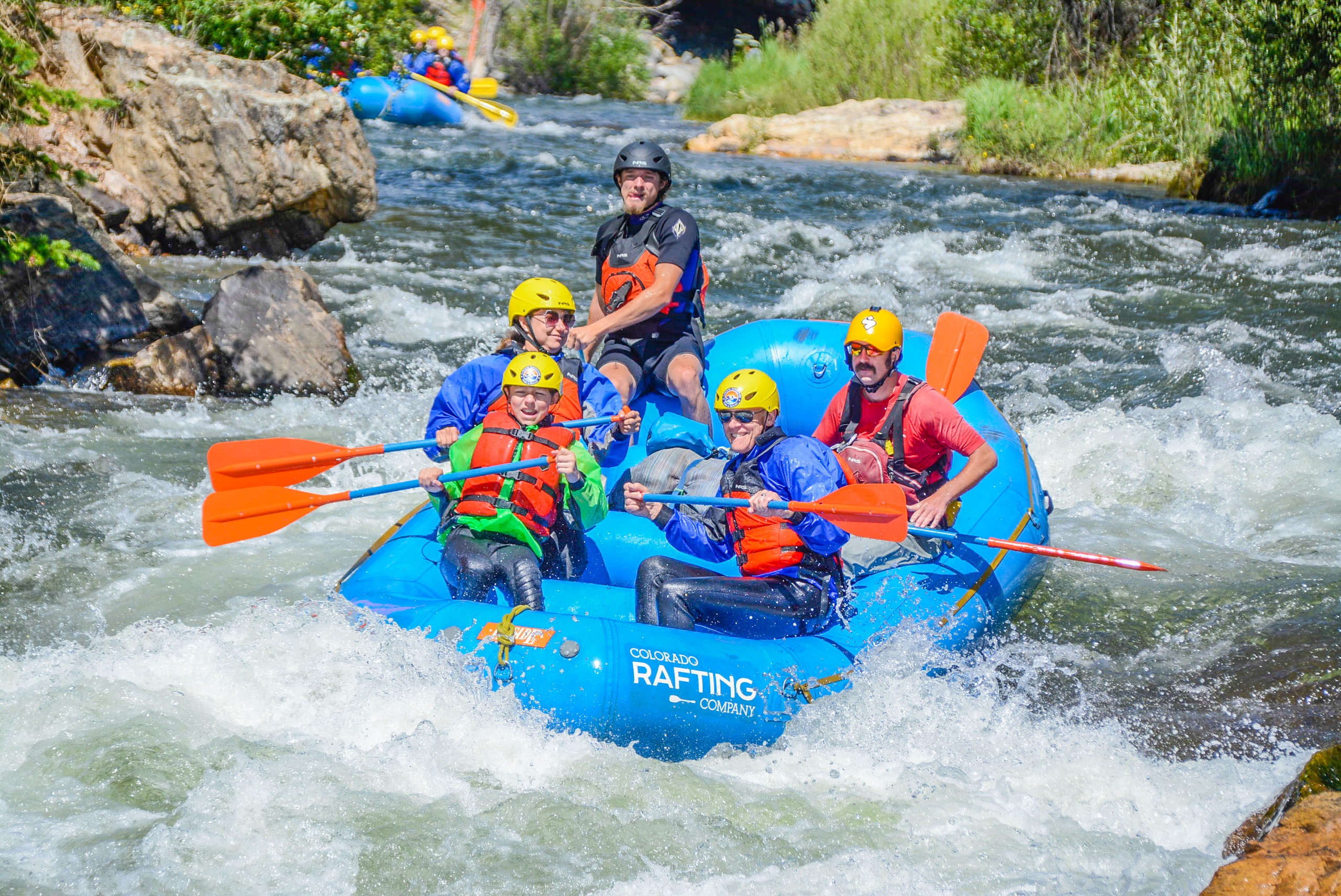 14
14Rafting
Fraser sits at the threshold of the Colorado River headwaters and serves as a quietly confident base for rafting that blends alpine calm with sudden, river-born adrenaline. From gentle family floats that thread the valley to guided runs that skim rocky gorges and spring surge, rafting around Fraser is a study in contrasts: placid stretches that reflect spruce and aspen, and short, punchy rapids that reward timing and teamwork. This guide focuses on the rafting options anchored to Fraser—what the water feels like each season, which runs suit different skill levels, how to plan logistics, and the complementary mountain experiences that make a raft trip here a full Colorado summer day.
Explore rafting → 15
15Lodging
Fraser is a compact, high-mountain town that feels less like a resort village and more like a practical, outdoors-first basecamp. From simple motels and cozy cabin rentals to family-run lodges and ski-adjacent condos, lodging in Fraser tilts toward comfort, access, and value — especially for travelers prioritizing early-morning trailheads, cross-country loops, or easy drives to Winter Park. This guide breaks down the terrain of lodging choices, seasonality, and planning tips tailored to adventurers who want to maximize time outside without surrendering a good night’s sleep.
Explore lodging →The city and the sea
Why Fraser Belongs on Your Adventure Shortlist
Variety without surrendering the day to long transfers.
Perched at roughly 8,500 feet, Fraser is less destination and more connective tissue—an easy, low-key town that opens onto some of Colorado’s most characterful country. In summer the valley smells of sun-baked sage and river moss; in winter it’s all hush and powder. That polarity is Fraser’s charm: you can stack a day of high-country Hiking and technical Climbing with an evening Walking Tour of town history, or alternate whitewater Rafting and flatwater Water Activities with a late-afternoon rod-and-stream Fishing session. The town’s compact footprint makes logistics simple. Rent a bike for a mellow morning on a multi-use trail, then trade two wheels for a shuttle and front-country Ski or Snowmobile for the afternoon. For travelers who prize variety over epicism, Fraser is a practical basecamp—close enough for sunrise access to alpine ridgelines, far enough to feel like you’ve escaped the crowds. There’s also a cultural rhythm here that rewards slow travel: local outfitters who know which river runs are best for a half-day float, guides who time a Snowmobile loop to avoid busy corridors, and lodging hosts who dry your skins overnight. Fraser’s role in the region is functional and delightful. It serves as the practical hinge between winter-sports infrastructure and high-country summer terrain, which means you can pivot by the hour—swap a morning Bike Tour for an afternoon Eco Tour, or schedule a Sightseeing Tour before dinner and a night-sky watch after. For families and mixed-ability groups, that flexibility matters: it lets people pick their day’s tempo without sacrificing access or safety.
Access and variety are Fraser’s strongest cards. Trails, river put-ins, and ski lifts are all short drives from the center; shuttle services and Bike Rental shops make same-day activity swaps painless. That means you can layer experiences—morning hike, afternoon river session, evening local fare—without losing a day to transit.
Plan around the seasons. Summer transforms open meadows into host sites for anglers and paddlers, while winter trades those meadows for untracked bowls and groomed Nordic networks. Shoulder seasons carry their own rewards: quieter trails, discounted Lodging, and crisp days ideal for photography and long Bike Tours on emptier roads.
Conditions shape the day
The best time to visit Fraser.
Summers are warm by day and cool at night with afternoon thunderstorms possible; winters bring reliable snowfall and cold, crisp days. Shoulder seasons (May and October) offer quiet access but variable trail and river conditions—expect muddy approaches after rain or early snow.
Best all-around window
Spring + fall
Comfortable mixed-itinerary weather, thinner crowds at beaches and lookouts, and more room to improvise.
Beach season
Winter (December–March) for downhill and Nordic skiing; mid-summer (July–August) sees higher demand for Water Activities and Hiking.
Surf + whales
Late spring and early fall are quieter and less expensive—ideal for long-distance Bike Tours, hiking high meadows, or taking a Bus Tour to nearby points.
Coast to inland
Cool marine mornings often give way to warmer inland afternoons and breezy evenings.
Beginner
Short, well-graded trails, gentle river float options, and easy sightseeing loops make Fraser accessible to newcomers and families.
- Gentle riverside Walking Tour and town Sightseeing Tour
- Beginner-friendly Hiking around lower-elevation meadows
- Flatwater Water Activities on sheltered lakes or slow river stretches
Intermediate
Longer ridge hikes, half-day Bike Tours, and guided Rafting trips that require basic conditioning and familiarity with altitude.
- All-day Hiking with moderate elevation gain to alpine lakes
- Guided Bike Tour on mixed surfaces after renting local bikes
- Half-day Rafting or fly Fishing with a local guide
Advanced
Technical climbing routes, full-day alpine traverses, and backcountry winter travel that demand technical skills and careful planning.
- Technical Climbing on high-angle rock and mixed routes
- Full-day backcountry Ski or Snowmobile missions with navigation skills
- Multi-stage Bike Tours with sustained climbs and technical descents
Field kit
What to bring.
Pack for sun, salt water, walking, and a meaningful temperature swing between coast and inland Fraser.
Essential
Start here
- Layered clothing—high-altitude temps swing quickly
- Sunscreen and sunglasses (strong UV at elevation)
- Sturdy footwear suitable for both dusty summer trails and wet spring routes
- Water bottle or hydration system (hydrate more at altitude)
- Basic first-aid and navigation tools (offline map or downloaded GPX)
Water days
Keep it dry
- Lightweight shell for afternoon storms
- Traction devices or microspikes in shoulder-season hikes
- Wicking base layers and insulated midlayer for winter activities
- Fishing license if you’ll fish nearby streams and lakes
Long days
Stay flexible
- Dry bag for Water Activities and Rafting
- Compact binoculars for wildlife and alpine-glacier views
- Sleeping bag liner if you opt for budget Lodging or backcountry nights
Insider note
Start early, then keep the geography tight.
Start early to beat afternoon storms in summer and to secure parking at popular trailheads. If you’re here for winter activities, book lessons and rentals in advance during the holidays. Favor outfitters who offer shuttle logistics for Bike Tours and point-to-point hikes. After heavy rain or spring melt, choose paved or gravel routes to avoid damaging soft trails. When fishing, ask a guide about prime runs and seasonal regulations; for Rafting, check river flows the morning of your trip. Lastly, respect quiet hours and pack out what you pack in—small towns like Fraser rely on responsible visitors to keep trails open and welcoming.
Good to know
Frequently asked questions.
Do I need a guide for rafting or climbing?
Guides are recommended for whitewater Rafting and technical Climbing unless you have recent, relevant experience. Outfitters provide safety gear, local knowledge of river levels, and route logistics.
Can I find bike rentals and guided bike tours locally?
Yes. Fraser and nearby Winter Park have several Bike Rental shops and guided Bike Tours suited to families and more ambitious riders. Rent-to-ride options simplify logistics if you’re not traveling with gear.
What permits or licenses are required?
A Colorado fishing license is required for Fishing. For backcountry overnight trips or specific trailheads (near wilderness areas), check federal and state land-management sites for permits or reservation requirements.
Ready when you are
Find the trip that fits your Fraser day.
Compare bookable experiences across the coast, city, and mountains—then save the ones that belong in your plan.
Explore all Fraser adventures ↗