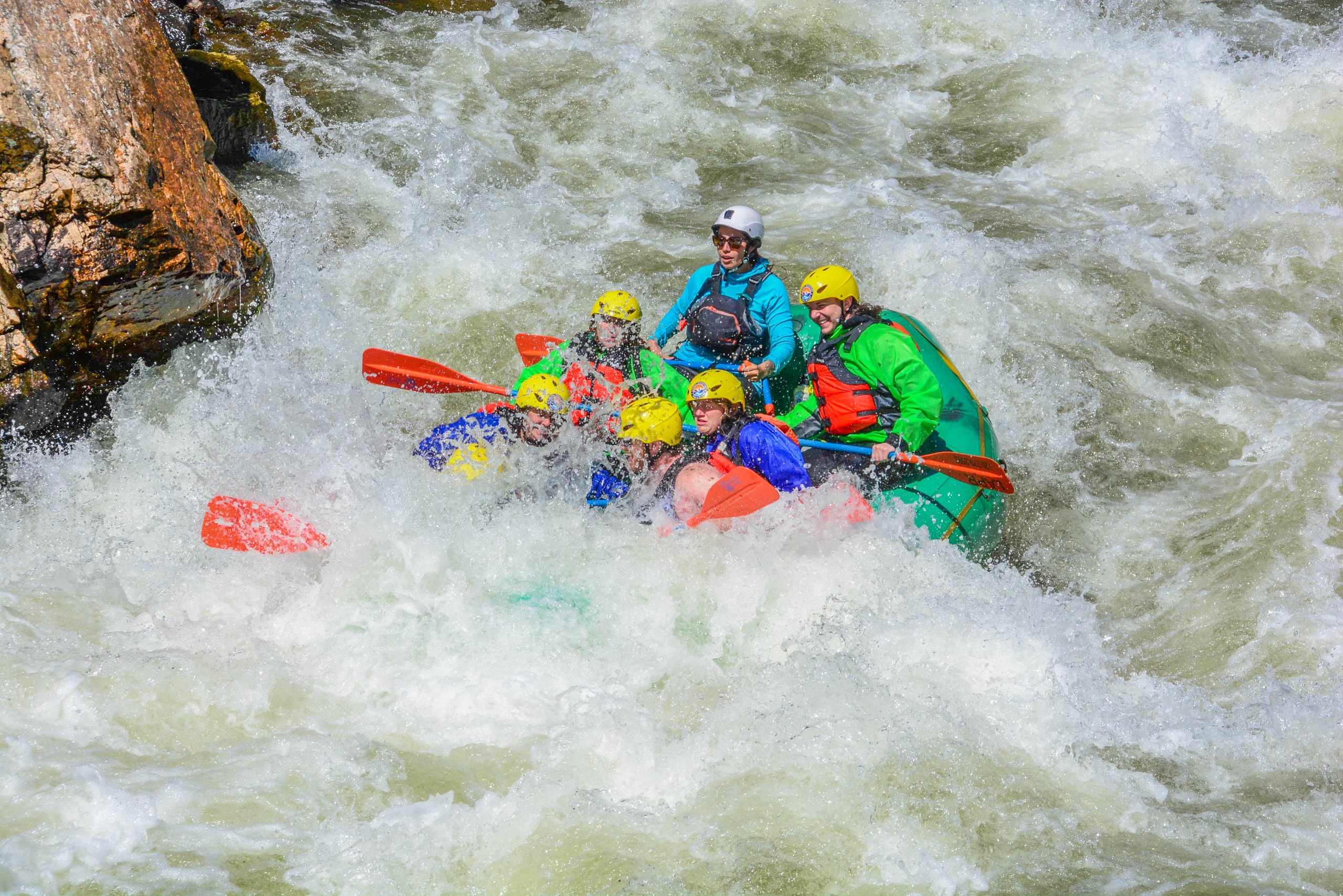
Top Water Activities in Fraser, Colorado
Fraser Water Activities Guide

Top Water Activities in Fraser, Colorado

Fraser sits where alpine streams gather momentum and the Colorado River begins its long journey west. For travelers seeking cold-water clarity and wide-open skies, this valley offers a compact menu of water-based adventures—calm paddleboarding on high mountain reservoirs, technical cold-water fly-fishing on freestone rivers, low-key tubing floats, and guided whitewater outings a short drive away. Water here is both landscape and language: it carves canyons, feeds wetlands, and maps the rhythm of seasons.

Fraser River & Colorado River HeadwatersGranby Reservoir / Lake GranbyArapaho National Forest

Live destination inventory

Top Water Activities Trips in Fraser

26 trips · Book with confidence · Instant confirmation

The prototype intentionally does not invent replacement trip cards or add images that are not already part of the live source page.

The city from the water

Why Fraser Is a Standout Water-Activity Base

Fraser’s water is alpine-born: snowmelt that arrives late in spring and runs clear until the first freeze. That origin shapes everything for visitors—the volume of river flows, the crisp bite of reservoir winds, and the height of adrenaline on a guided rapids run nearby. What makes Fraser distinctive is scale and variety compressed into a small valley. Within a half-hour drive you can be glassing a trout-rich riffle on the Fraser River, launching a SUP from the broad bowl of Lake Granby, or pinning your helmet for commercial rapids on more technical stretches of the Colorado River and its tributaries. The result is a playground where low-key, family-friendly water days coexist with technical, guide-required outings, and where traveling anglers, paddlers, and floaters share a landscape that still feels uncrowded compared with more famous front-range reservoirs. The seasonal pulse is clear: mid-June through September is the workhorse window for most water activities, when roads are clear, reservoirs are open, and rivers settle into predictable flows. June can be high and fast as snowmelt swells channels—excellent for guided rafting but not ideal for solo paddlers. By July and August flows moderate and weather is reliably warm, though mountain afternoons often bring lingering thunderstorms that demand flexible planning. Early fall narrows crowds and sharpens the light, creating some of the best low-angle mornings for casting and paddle-sport sessions. Winters convert the same water into a different playground—frozen expanses for ice fishing or silent ski loops—but those are outside the core “water sports” season. Beyond logistics, Fraser’s water story is ecological and cultural. The river corridors thread wetlands and willow stands that support migratory birds and native fish populations. Local outfitters and guides emphasize stewardship and catch-and-release fly-fishing practices to protect these cold-water systems. Land use remains a mix of public forest, reservoir management, and private ranchland, so easy access depends on knowing trailheads and respecting seasonal closures. For travelers, that means the best days often come from combining an early morning float, an afternoon paddle on a quiet reservoir, and an evening spent on the riverbank watching alpine light fall across the valley—simple rituals that reveal the region’s slow, watery pulse.

Proximity is a strength: Fraser is a short drive from Winter Park and Grand Lake, and the area provides quick access to both placid reservoir paddling and nearby commercial whitewater operations.

The river systems here are freestone and temperature-sensitive—great for trout and scenic canyon runs, but dependent on seasonal snowpack and water-management decisions upstream.

The harbor is the gateway, and the Pacific becomes the classroom.

Local operators offer everything from hourly SUP rentals and family tubing floats to full-day guided fly-fishing trips and rafted whitewater runs; novices and experienced paddlers alike can find appropriate, insured options.

Activity focus

Choose by purpose

Whale watching, snorkeling, sunset sailing, cultural canoeing, harbor sightseeing, or private chartering.

Departure hubs

Start near the city

Waikiki and Honolulu Harbor are primary hubs, with some trips launching near Hanauma Bay.

Accessibility

Confirm the vessel

Gangways, shaded seating, and boarding requirements vary according to vessel size and operator.

Seasonal planning

Best Time to Visit

Fraser is warm year-round, but wind, swell, migration, visibility, and demand change the best match between traveler and trip.

Fraser boat tour
Year-round destination

Seasonal highlights change the reason to go

Winter favors humpback encounters; warmer, calmer months favor snorkeling visibility and smoother water.

Humpback season

July–August (highest visitation for reservoirs, rentals, and guides)

Prime whale watching, winter holidays, higher demand, and earlier sell-outs.

Snorkeling window

June–July–August–September

Typically gentler seas and clearer water for snorkeling trips.

Weather notes

Trade winds year-round

High-elevation summer days are typically warm and sunny but often bookended by cool mornings and frequent afternoon thunderstorms. Snowmelt elevates river flows in late spring; early-season outings require caution and, often, guides. Always check flow reports and weather before heading out.

Quieter opportunities

Late spring & summer weekdays

Late fall and winter close most water-based operations but open opportunities for ice fishing, snowshoeing to frozen lakes, and cross-country skiing along valley trails. Some outfitters offer winter experiences—confirm availability.

Match the trip to your comfort

Choose Your Experience Level

Low effort

Beginner

Calm, low-stress water days suitable for families and newcomers. Expect sheltered reservoirs, gentle float routes, and guided or rental-supported outings.

  • SUP or kayak on Lake Granby
  • Family tubing float on a mellow stretch of the Fraser River
  • Guided introductory fly-fishing lesson
Active day trip

Intermediate

Requires some paddling competence, basic whitewater awareness, or multi-hour endurance. Watercraft control and comfort with cold splashes are helpful.

  • Half-day guided kayak trip on faster river sections
  • Solo paddling in variable reservoir winds
  • Catch-and-release fly-fishing in faster riffles
Longer or technical

Advanced

Technical runs or off-trail water access requiring high skill, experience reading water, and proper safety equipment. Consider hiring experienced local guides for complex runs.

  • Technical whitewater runs (guided or experienced paddlers only)
  • Backcountry alpine-lake paddling with remote launches and carry-in gear
  • High-flow spring river trips requiring swift-water skills

Prepare for sun, spray, and swell

What to Bring

Essential

Core kit

  • Layered quick-dry clothing and a warm insulating layer
  • Personal flotation device (PFD) — required for most outfitters and recommended for independent paddlers
  • Wetsuit or dry top for cold-water activities (especially early season)
  • Waterproof phone case or dry bag
  • Sunscreen, sunglasses with strap, and a brimmed hat
Recommended

Useful extras

  • Lightweight river shoes or neoprene booties
  • Basic repair kit for inflatable kayaks or SUPs
  • Waterproof map or offline GPS of trailheads and launch areas
  • Small first-aid kit and whistle for emergencies
Optional

Trip-specific

  • Fly-fishing license (purchase before you arrive) and locally recommended flies
  • Dry bag camera for landscape photography
  • Trekking poles for steep riverbank approaches
Always verify river flow reports, reservoir conditions, and outfitter schedules before you go.

Insider Tips & Local Knowledge

Reserve whale-watching and popular sunset cruises well ahead during December–April.
Choose morning snorkeling departures for calmer seas and better underwater visibility.
For motion sensitivity, choose a larger vessel, sit mid-ship, and take preventative medication before boarding.
Do not touch coral or wildlife, avoid standing on reefs, and use reef-safe sunscreen.
Community-based operators may add context about traditional navigation and stewardship.
Arrive early for parking and check-in because Waikiki departure areas can be busy.

Planning questions

Frequently Asked Questions

A Colorado fishing license is required for anglers; many guided trips include license assistance but verify with your outfitter. There are no universal permits for casual paddling, but certain access points may require parking passes or have private-ranch restrictions.
Top Water Activities in Fraser, Colorado
Ready for your water activities adventure?

Browse 26 verified trips in Fraser.

Compare current availability and book with instant confirmation.

Explore Fraser water activities