
Durham adventure guide
Find your way into Durham.
Perched on the edge of the Great Bay and threaded by the Oyster River, Durham is a compact launchpad for waterborne afternoons, quiet forest walks, and short escapes toward the nearby seacoast. This guide stitches together the town’s strongest draws—water activities on the estuary, boat tours and whale-watch departures a short drive away, bike and e-bike loops through college woods and coastal flats, and a scattering of fishing and sightseeing options for easy half-day trips. Use it to plan warm-weather paddles and shoulder-season hikes alike, balancing practical local intel with the kind of routes that turn a day trip into a memory.
Three ways into the city
Pick a landscape. Build a day around it.
Durham is less a single destination than a collection of neighboring worlds. Start with the version of the city that matches your pace, then use the ranked guide below to fill in the details.

Begin where the city meets the sea.
Surf breaks, sheltered harbors, whale routes, and long beach paths make the coast LA’s most immediate outdoor playground.
Explore water activities →
Let a local connect the landmarks.
Use a guided city, walking, or sightseeing tour to turn LA’s sprawl into a coherent story.
Explore boat tour →
Ride the coast and the city.
Beach paths, river corridors, e-bikes, and ridge climbs reveal a more connected Los Angeles.
Explore bike rental →Choose your way into Durham
The top 15 Durham adventures.
Ranked by the number of currently listed trips. Each panel opens the complete local activity collection.
1Water Activities
Tidal estuaries, sheltered river corridors, and a compact downtown that puts boats, boarders, and birders within striking distance: Durham’s water scene is intimate, ecological, and endlessly instructive. From quiet morning flatwater paddles through salt marsh channels to springtime oyster flats and river runs edged in maple and oak, the town’s aquatic playground is as much about nature-watching and seasonal rhythms as it is about propulsion.
Explore water activities →2Boat Tour
Durham’s boat-tour scene is quietly intimate: small, captain-led vessels threading the tidal channels of Great Bay and the Piscataqua, where salt marshes, oyster racks, and seabirds dominate the scenery. Tours range from short wildlife cruises and educational estuary trips to sunset sails and private charters. For travelers who like a mix of gentle motion and sharp natural detail—tidal currents, migrating shorebirds, and the way light hits low marsh grass—Durham’s waterways deliver an accessible maritime experience within minutes of downtown.
Explore boat tour →3Bike Rental
Durham’s compact grid of university streets, tidal river corridors, and low-traffic country lanes makes it an ideal place to pick up a rental and explore by bike. Whether you want a family-friendly cruiser for a riverside spin, a gravel bike for quiet farm roads, or an e-bike to extend your range toward coastal towns, rentals unlock a landscape that’s both immediate and quietly expansive.
Explore bike rental → 4
4Sailing
Durham sits at the edge of a living, breathing estuary—Great Bay—where tides sculpt a playground for small-boat sailors, day charters, and instructional programs. The sailing here is intimate: sheltered channels that open toward the coast, salt marsh horizons, and tidal current choreography that rewards planning and local knowledge. This guide focuses on how to experience Durham under sail—day sails from quiet ramps, instructional clinics, wildlife-focused cruises, and coastal hops that link university research sites to historic harbors in nearby Portsmouth and New Castle.
Explore sailing → 5
5Sightseeing Tour
Durham compresses New England’s layered coastal story into walkable streets, tidal marsh overlooks, and a lively college-town center. Sightseeing tours here range from easy guided walks across the University of New Hampshire’s arboretum and historic Main Street to small-boat estuary cruises that reveal saltmarshes, migratory birds, and the rhythm of the tides. This guide focuses on curated experiences — walking tours, bike-friendly routes, estuary paddles, and driving loops — designed to help you move slowly through Durham’s history, ecology, and seasonal color.
Explore sightseeing tour → 6
6Fishing
Durham sits at a rare confluence: a tidal estuary and quiet inland rivers braided with ponds and marsh. Fishing here is intimate—shore casts at dawn along eelgrass flats, stealthy fly presentations on the Lamprey, and family-friendly mornings from small public launches. Species mix saltwater migrants and freshwater natives, so anglers chasing anything from striped bass and river herring to brown trout and smallmouth bass will find focused opportunities within minutes of town.
Explore fishing → 7
7Surf
Durham is not a classic surf town with lineups out front, but it functions as a quietly strategic base for surfers who value short drives, estuary-based paddling, and quick access to New Hampshire's small but spirited stretch of coastline. From the tidal theatrics of Great Bay to the beachbreaks of Hampton and Rye and the more consistent swells a short drive north into southern Maine, this guide maps how to build surf-focused days from a small New England college town—plus practical notes on seasonality, gear, and local etiquette.
Explore surf → 8
8Bike Tour
Durham offers a compact but richly varied bike-touring playground: tidal estuary vistas, quiet country backroads, short gravel loops and student-town energy from the University of New Hampshire. Whether you want a family-friendly riverside spin, a mixed-surface gravel tour through working farmland, or a longer coastal run that links to Portsmouth, Durham makes an inviting base for day tours and multi-stop exploration.
Explore bike tour → 9
9Boat Rental
Durham sits at the hinge of salt marsh and inland river—an understated launchpad for small-boat exploration. Boat rentals here are mostly about low-profile, high-reward time on the water: kayaks and stand-up paddleboards threading tidal creeks, canoes gliding past salt hay and osprey nests, and guided outings that introduce the rhythms of Great Bay. Expect a blending of freshwater and saltwater ecologies, tidal choreography that shapes every outing, and easy access to seaside towns if you want to expand a paddle into a coastal day trip.
Explore boat rental →City Tour
Durham is a compact, walkable New England town where red-brick academic buildings meet tidal marshes and a revived mill-era main street. City tours here move at a human pace: looped walking tours through campus history, food-and-drink strolls that stitch together locally brewed ales and oyster bars, and guided explorations that pair civic history with the natural edges of Great Bay. These experiences are as much about the views from the river and salt marsh as they are about architecture, student culture, and seasonal festivals—making Durham a city-touring destination that’s small in scale but rich in texture.
Explore city tour → 11
11Eco Tour
Durham’s eco tours are quiet, tidal, and studied—an invitation to explore salt marshes, eelgrass beds, shorebird flyways, and community-led restoration projects. Within minutes of downtown you can be kneeling on a mudflat at low tide identifying shellfish, gliding through tidal channels by kayak, or listening to a researcher explain how nitrogen and oysters shape the bay. These experiences blend natural history, live science, and low-impact recreation: ideal for travelers who want to learn while moving gently through place.
Explore eco tour → 12
12Hiking
Durham’s hiking experience is understated but rich: low ridgelines, river corridor walks, tidal estuary edges and university woodlands combine to form short, soulful hikes perfect for morning escapes, family outings, and trail-running intervals. Close to the Great Bay and tucked into the Oyster and Lamprey river valleys, Durham’s trails emphasize intimacy with water, woodland understory, and seasonal drama rather than alpine grandeur.
Explore hiking → 13
13Walking Tour
Durham's compact streets, riverside paths, and red-brick university architecture make it an ideal place for walking tours that blend history, ecology, and campus life. Whether you want a relaxed hour-long stroll that follows the Oyster River, a guided deep-dive into local history, or a self-guided loop that pairs coffee shops with marsh overlooks, Durham's human-scale layout invites slow travel and steady footsteps.
Explore walking tour →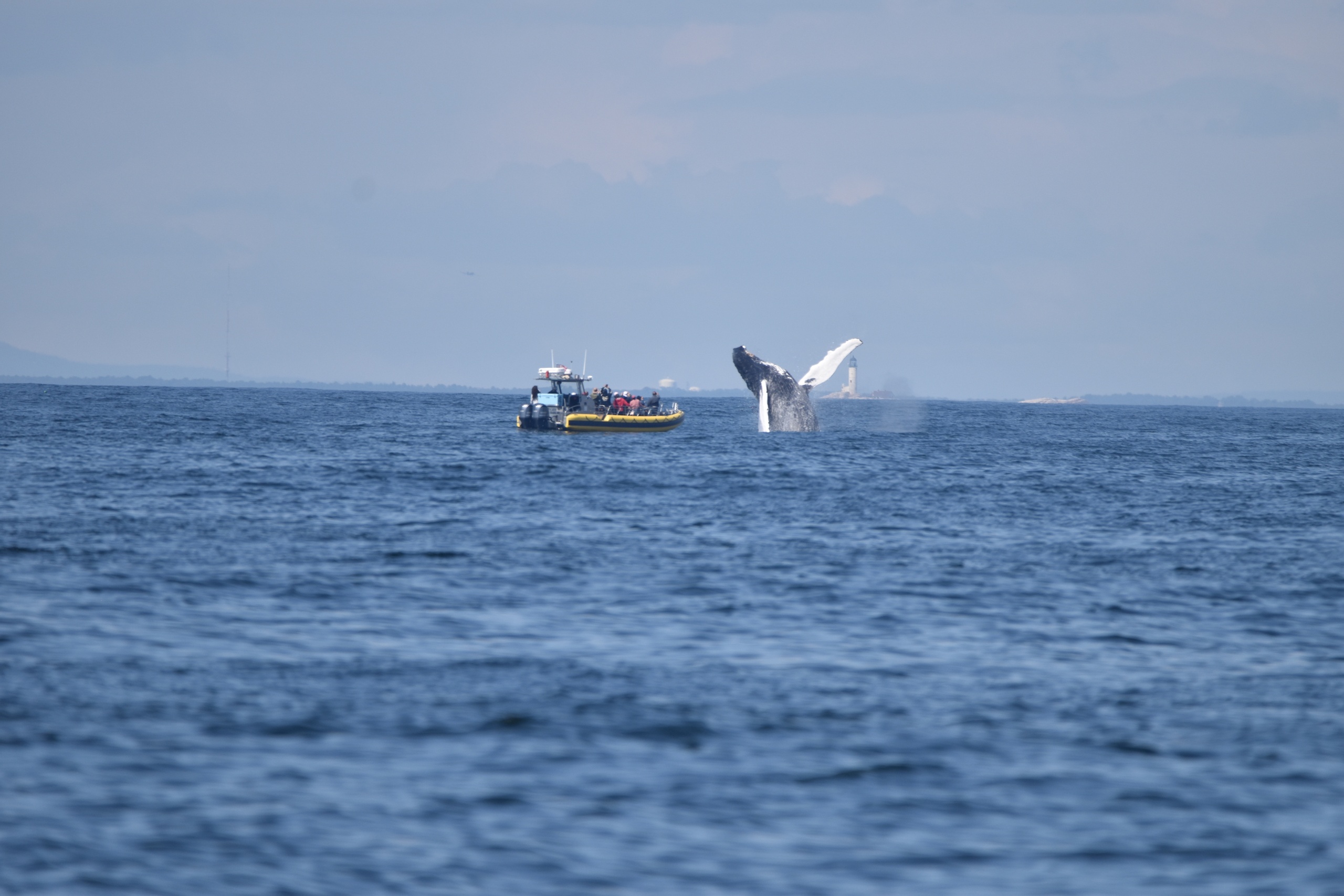 14
14Whale Watch
Durham is a quiet collegiate town with surprisingly quick access to some of New England’s richest marine waters. From here you can reach Portsmouth and nearby harbors where boat-based whale watches depart into the productive Gulf of Maine. Trips put you into a living landscape of humpbacks, minkes, seals, and terns—framed by rocky islands, tidal channels, and the low-slung coastline that defines New Hampshire’s short but wildlife-rich seaboard.
Explore whale watch → 15
15E-Bike
Durham’s compact mix of tidal estuary, university streets, and pastoral backroads makes it a surprising and ideal spot for e-bike exploration. Short, scenic loops around the Oyster River and longer coastal connectors to the Seacoast offer a range of terrain—paved bike lanes, quiet secondary roads, hardpacked gravel, and singletrack-adjacent paths—perfect for riders who want distance with less effort. This guide focuses on where to ride, how to plan for battery logistics, seasonality, and what to expect on the ground.
Explore e-bike →The city and the sea
Why Durham Belongs on Your Adventure Shortlist
Variety without surrendering the day to long transfers.
Durham feels like a doorway: step out of town and you’re quickly surrounded by a mix of tidal marsh, tidy college woods, and lowland farmland that behaves more like a country trail system than a suburban perimeter. The Oyster River threads through campus and into the Great Bay, creating sheltered coves and salt-tinged launches for kayaks and SUPs. That proximity to water—paired with short drives to Portsmouth and the seacoast—means a single basecamp can yield quiet estuary paddles in the morning, a midday boat tour or bike loop, and an evening at a locally brewed taproom. For travelers who favor variety over endurance, Durham offers an unusually dense mix of accessible activities. You can rent a bike and trace flat, scenic roads before switching to a walking tour of UNH’s historic corners; swap the pedals for a paddle and follow gulls along tidal channels; or hop a short ride to coastal ports for sailing and whale-watch departures. The town’s scale is an asset: outfitters, docks, and interpretive signs are rarely far apart, and the best half-day adventures are uncomplicated—ideal for families, day-trippers, and people who want to pack several experiences into one afternoon. There’s also a quietly local character to Durham that rewards slower travel. Early mornings are for glassy paddles across the bay or fishing from a quiet bank; late afternoons open up for shoreline birding or a coastal sightseeing tour that lingers on lighthouses and salt marsh ecology. Come summer for the busiest window of boat tours and surf-adjacent days, or arrive in shoulder seasons for clearer air, lower crowds, and more introspective wildlife viewing. Practical planning is straightforward: tide tables matter for estuary launches, weather can turn coastal outings brisk, and a short drive will put you alongside deep-water marinas and ocean-facing beaches when you want them.
The logistics are friendly. Local outfitters offer boat rentals and launches on the Great Bay and nearby coastal marinas, while bike rentals and e-bike options make short-distance exploration inclusive. For more specialized outings—sailing charters, whale watching, and guided fishing trips—nearby Portsmouth and coastal harbors serve as departure points without adding long transit times.
Durham’s best asset is how neatly it layers activity types: water activities and boat tours sit beside bike-friendly corridors and pocket hiking trails. That makes it simple to tailor a trip by energy level—mixing a morning hike with an afternoon on the water—or to hand off parts of the day to different members of your group without losing momentum.
Conditions shape the day
The best time to visit Durham.
Late spring through early fall delivers the most reliable conditions for paddling, boat tours, and seaside visits—warm days, cool evenings, and frequent afternoon sea breezes. Winters are cold with freeze–thaw cycles along the estuary; some trails remain accessible but coastal outings are more weather-dependent.
Best all-around window
Spring + fall
Comfortable mixed-itinerary weather, thinner crowds at beaches and lookouts, and more room to improvise.
Beach season
Summer (June–August) for boat tours, sailing, and fishing charters; weekends near the coast draw the biggest crowds.
Surf + whales
Shoulder seasons (May and September–October) offer quieter trails, strong birding, and lower rates.
Coast to inland
Cool marine mornings often give way to warmer inland afternoons and breezy evenings.
Beginner
Gentle, short outings with low technical demand—ideal for families and first-time paddlers or bikers.
- Calm SUP or kayak on a sheltered Great Bay cove
- Short walking tour of UNH and nearby nature trails
- Casual bike rental and flat loop on town roads
Intermediate
Longer loops, mixed surfaces, and estuary currents that require some local knowledge and a reasonable fitness base.
- Guided eco tour of the Great Bay salt marshes
- Half-day bike tour combining paved roads and gravel shoulders
- Boat rental for exploring tidal channels and nearby islands
Advanced
Open-water trips, surf or ocean-facing days, and full-day guided adventures that demand experience or a skilled guide.
- Sailing charter along the New Hampshire coast
- Whale-watch or deep-water fishing trip from Portsmouth
- Long estuary crossings timed with favorable tides and wind
Field kit
What to bring.
Pack for sun, salt water, walking, and a meaningful temperature swing between coast and inland Durham.
Essential
Start here
- Layered clothing and a wind shell for bay breezes
- Waterproof daypack or dry bag for phones and keys
- Reusable water bottle and snacks
- Sun protection (hat, SPF 30+, sunglasses)
- Tide table or app when planning estuary and coastal launches
Water days
Keep it dry
- Light neoprene booties or quick-drying shoes for launches
- Compact binoculars for salt-marsh birding
- Portable phone charger and a waterproof phone case
- Trail or gravel-friendly bike tires if you plan mixed-surface loops
Long days
Stay flexible
- Action camera with float leash for paddles
- Light picnic and blanket for shoreline stops
- Waders or fishing vest for anglers visiting tidal flats
Insider note
Start early, then keep the geography tight.
Start early for glassy water and better bird activity on the Great Bay. If tides are low, choose deeper put-ins or plan launches closer to high tide. For boat tours and whale watching, book morning departures for calmer seas and better sighting windows. Rent e-bikes if you want to cover the local loop without worrying about hills, and favor local outfitters for up-to-the-minute advice on currents, wind, and ideal launch sites. Finally, respect estuarine habitats—stay out of cordoned nesting areas and follow leave-no-trace principles to protect shorebirds and eelgrass beds.
Good to know
Frequently asked questions.
Can I do most activities without a guide?
Yes—many walks, bike routes, and sheltered estuary paddles are straightforward for self-guided travelers. Choose a guide or charter for ocean sailing, whale watching, or technical fishing trips.
Are tides important for launching kayaks and SUPs?
Yes. Tidal range affects put-in depth and current strength in the Oyster River and Great Bay. Check tide tables and local launch notes before paddling.
Is Durham a good base for whale-watching?
Durham itself doesn’t host deep-ocean whale trips, but nearby ports (Portsmouth and neighboring harbors) offer whale-watch departures within a short drive.
Ready when you are
Find the trip that fits your Durham day.
Compare bookable experiences across the coast, city, and mountains—then save the ones that belong in your plan.
Explore all Durham adventures ↗