
Delaware Water Gap adventure guide
Find your way into Delaware Water Gap.
A jagged slice of ridge and river where the Delaware cuts through the Kittatinny Range, the Delaware Water Gap pairs adrenaline and easygoing river days. From canoe and kayak put-ins to steep hiking up Mount Tammany, this is a place to mix water activities—boat tour, rafting, fishing—with ridge-line views and low-key townside culture.
Three ways into the city
Pick a landscape. Build a day around it.
Delaware Water Gap is less a single destination than a collection of neighboring worlds. Start with the version of the city that matches your pace, then use the ranked guide below to fill in the details.

Begin where the city meets the sea.
Surf breaks, sheltered harbors, whale routes, and long beach paths make the coast LA’s most immediate outdoor playground.
Explore water activities →
Let a local connect the landmarks.
Use a guided city, walking, or sightseeing tour to turn LA’s sprawl into a coherent story.
Explore boat tour →
Ride the coast and the city.
Beach paths, river corridors, e-bikes, and ridge climbs reveal a more connected Los Angeles.
Explore wildlife →Choose your way into Delaware
The top 15 Delaware Water Gap adventures.
Ranked by the number of currently listed trips. Each panel opens the complete local activity collection.
1Water Activities
Carved where the Delaware River cleaves the Appalachian ridgeline, Delaware Water Gap is a magnet for river people: kayakers threading riffles, anglers casting into deep pools, families floating lazy summer afternoons, and paddlers chasing the hush of early-morning mist. This guide focuses on water-based ways to explore the Gap—from placid flatwater and stand-up paddleboarding to whitewater runs, fishing beats, and seasonal swims—blending practical planning with local context to help you pick the right stretch, season, and skill level.
Explore water activities →2Boat Tour
Boat tours along the Delaware River thread together geology, history, and outdoor recreation in a way that feels both intimate and elemental. From gentle narrated cruises past the towering gap to guided kayak and canoe trips that chase riffles and eddies, the waterway is the best vantage point for experiencing the Gap's cliffs, forests, and seasonal wildlife.
Explore boat tour → 3
3Canoe
The Delaware Water Gap is a paddler’s paradox: wide-open river miles that feel remote, framed by steep, forested ridgelines and punctuated by quick-moving riffles and calm backwaters. Canoeing here ranges from relaxed flatwater floats through scenic farmland to focused day runs where current and rock gardens demand attention. This guide distills the best canoe experiences, launch points, seasonal rhythms, and trip-planning essentials so you can match ambition to river conditions and come away with a clean, river-stained memory.
Explore canoe → 4
4Kayak
The Delaware Water Gap compresses dramatic geology, seasonal river moods, and accessible access points into a compact corridor of paddling opportunity. From broad, placid stretches ideal for beginners to riffly current that thrills intermediates and rewards timing, kayaking here is defined by the river’s relationship with the surrounding ridgelines and the marked seasonality of flows. This guide unpacks the best ways to experience the river by kayak—day trips, guided floats, and link-ups with hiking, fishing, and camping—so you can plan a safe, scenic outing whether you come for placid flatwater exploration or whitewater-feel runs at higher flows.
Explore kayak → 5
5Rafting
The Delaware Water Gap is where a storied river meets rugged ridgelines and a long tradition of seasonally surging flows. Rafting here ranges from placid scenic floats that thread between forested bluffs to adrenaline-tinged guided runs that play through ledges and swift current. This guide focuses on the river experience—how to read the water, when to go, what to expect from local outfitters, and how rafting connects with nearby hiking, fishing, and paddling opportunities.
Explore rafting → 6
6Boat Rental
The Delaware Water Gap is a waterway that invites you in slowly — broad, reflective reaches give way to tree-carved channels and low, stony rapids. Boat rentals here span everything from solo kayaks for a quiet sunrise paddle to jon boats and small motorboats for anglers chasing bass and walleye. This guide focuses on renting and running boats in and around the Gap: where to launch, how to read the river, seasonal rhythm, and the practical choices that shape a day on the water.
Explore boat rental → 7
7Zoo
Beyond its cliff-lined river and forested ridgelines, the Delaware Water Gap region offers a quieter, intentional side of wildlife encounters: small zoos, wildlife rescues, and interpretive centers that focus on native species, rehabilitation, and habitat education. These sites pair easily with the region’s outdoor pursuits—birding along rivers, nature hikes through mixed hardwood forests, and paddling trips that bring you close to riparian wildlife. This guide focuses on intentional zoo and wildlife-education experiences that fit neatly into a day of exploration in the Water Gap corridor.
Explore zoo → 8
8Hiking
Long ridgelines, river-level greenways, and classic Northeastern forest—Delaware Water Gap compresses a wide variety of hiking experiences into a narrow, scenic corridor. From quick river walks to exposed quartzite summits and overnight backpacking on Appalachian Trail spurs, this guide focuses on trails that reveal the Gap's geology, seasonal color, and easy access to complementary adventures like paddling the Delaware River and bouldering on park cliffs.
Explore hiking →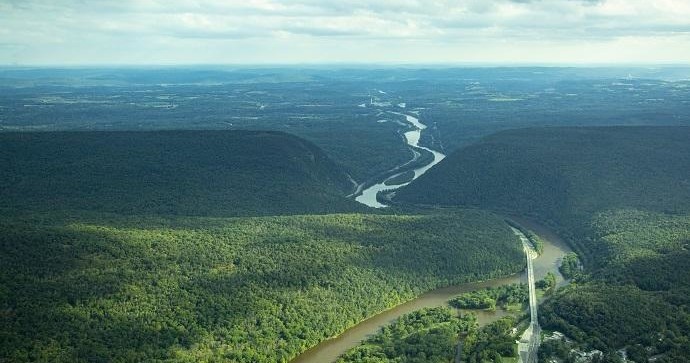 9
9Air Activities
Across the sculpted notch where the Delaware River slices the Kittatinny Ridge, the Delaware Water Gap reveals itself best from above. Thermals off the limestone ridge lift paragliders, dawn balloonists drift over polished river bends, and small planes trace the corridor’s layered forests and exposed cliffs. This guide focuses on the airside experiences—tandem paragliding, scenic flights, hot-air ballooning, and ridge soaring—blending practical planning with the sensory details that turn a flight into a memory.
Explore air activities → 10
10Scuba
Scuba around the Delaware Water Gap is a study in contrasts: freshwater drift dives in a storied river corridor, seasonal lake and quarry training sites nearby, and a tight-knit local dive community that treats cold, tannin-stained water like a different kind of blue. Visibility is often limited and conditions change quickly with rainfall and runoff, making planning, local knowledge, and appropriate training the core of a successful trip.
Explore scuba →11Wildlife
A ribbon of river, hardwood ridgelines, and tucked-away wetlands make Delaware Water Gap a compact wildlife theater—where bald eagles cruise the river, woodlands hide secretive mammals, and spring migrants pulse through understory and canopy. This guide focuses on where, when, and how to see the area’s richest wild neighbors with minimal fuss and maximum respect.
Explore wildlife →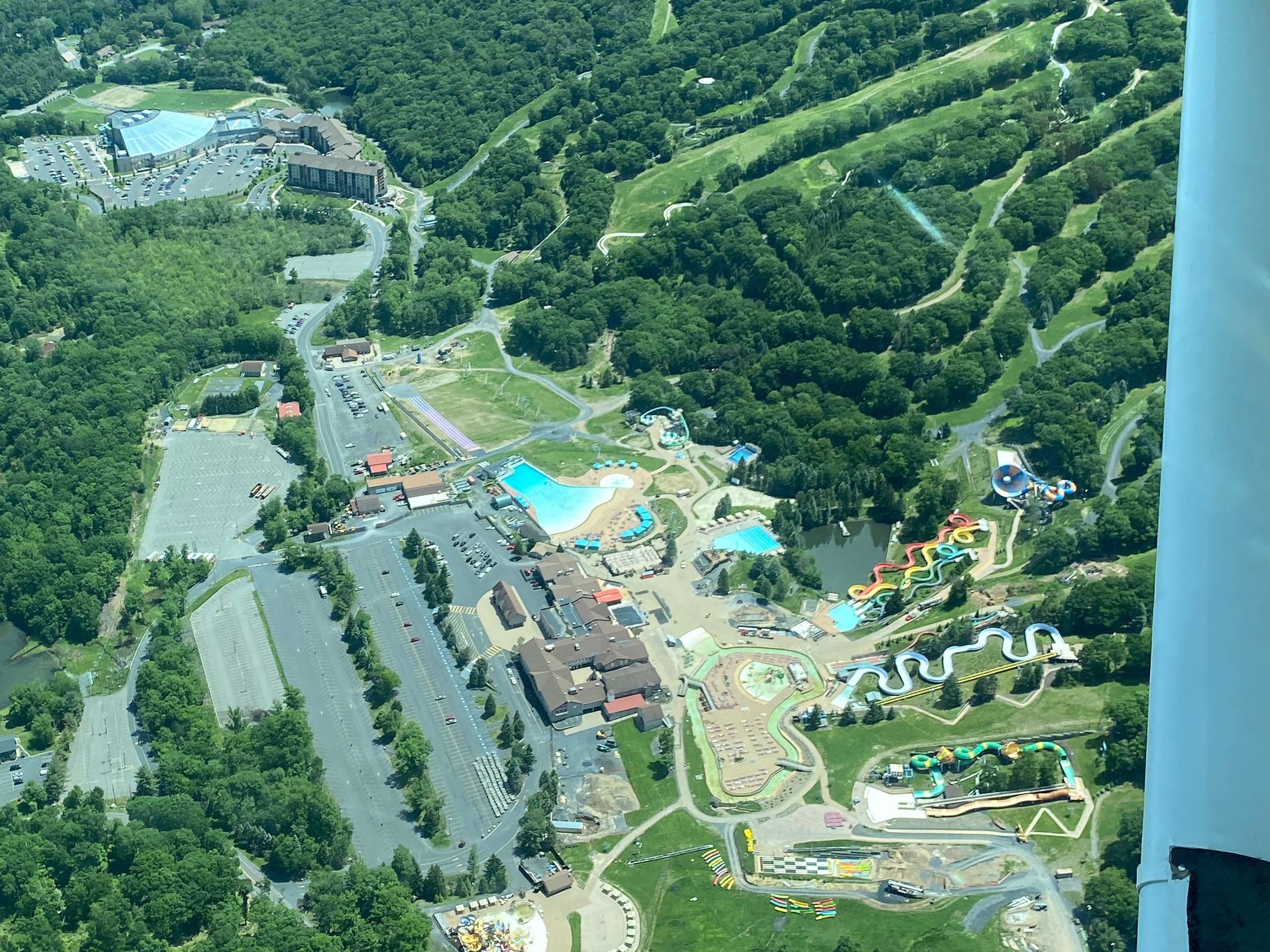 12
12Air Tour
Float above the river gorge, trace the spine of the Kittatinny Ridge, and watch the seasonal choreography of light over folded mountain geology. Air tours in the Delaware Water Gap translate a famously intimate landscape into a panoramic, cinematic experience—ideal for leaf-peepers, photographers, and anyone curious about how the river carved a corridor through the Appalachians.
Explore air tour → 13
13Bike Tour
Framed by the limestone ridges and the broad curve of the Delaware River, Delaware Water Gap compresses a surprising variety of paved scenic roads, crushed-stone rail-trails, and forested singletrack into a compact, rideable playground. Whether you favor long, rolling gravel routes along farm lanes and river flats or technical forest loops that feed the adrenaline, the area’s varied terrain and accessible trailheads make it an ideal spot for day tours, multi-day bikepacking, and family-friendly excursions.
Explore bike tour → 14
14City Tour
The Delaware Water Gap region is often sold as a wild, river-sculpted landscape—and it is—but threaded through that wilderness are compact, characterful towns whose streets tell a parallel story. City tours here are less about skyscrapers and more about walkable Main Streets, historic mills, riverfront promenades, and the small cultural scenes that bloom at the edge of the wild. These walks combine natural context with local history, artisanal food, and outdoor adventuring: you can finish a brewery crawl and be on a trailhead in under an hour.
Explore city tour → 15
15Fishing
The Delaware Water Gap is a compact, charismatic fishing landscape where freestone creeks, rocky pockets of tailwater and a wide, steady river join to host trout, smallmouth bass and seasonal migratory runs. Anglers come for technical fly-fishing in cold riffles, calm bank-and-pier sessions, and boat outings that reach quieter riffles and runs. This guide focuses on where to cast, when to go, and what to bring so you can spend more time on the water and less time guessing.
Explore fishing →The city and the sea
Why Delaware Water Gap Belongs on Your Adventure Shortlist
Variety without surrendering the day to long transfers.
The Delaware Water Gap is the kind of place that enters your body in stages: first the sound—the river moving around rock, a motor from a boat tour on the channel, birds calling from the ridge—then the light, honeyed in late afternoon where the forest opens and the valley stretches like a map. Hiking here is literal elevation—the ascent to Mount Tammany rewards a lungful of cedar-scented air and a view that frames the Delaware River like a blue ribbon. It’s also tactile: river shoes squelching in sandbars after a canoe or kayak trip, the spray from a raft when the water runs lively, the slow patient tug of a trout on a fly line where anglers stake out quiet eddies. What makes the Gap especially useful for travelers is the variety. You can start the morning with a sunrise ridge walk, switch to boat rental or a guided canoe in the afternoon, and cap the day with a low-light wildlife watch along the shoreline. For families, calm stretches of the river and soft beaches pair with accessible hikes and interpretive centers; for more ambitious visitors, full-day raft trips, steep singletrack, or a bike tour along adjacent country roads give a good challenge. The area’s search keywords—water activities, boat tour, canoe, kayak, rafting, boat rental, fishing, hiking, wildlife, and even air activities like scenic air tours—aren’t just marketing phrases here. They’re how people experience the place: floating past bluffs, spotting osprey riding thermals, loading a rented kayak onto the river at a friendly outfitter, or watching sunset from a ridge bench. The culture around the Gap is small-town and equipment-forward. Outfitters cluster near major put-ins and trailheads, offering everything from guided rafting to quiet SUP rentals; local shuttle services save you the logistical headache of point-to-point paddles. Seasonal rhythms are clear—late spring and early fall deliver warm water and fewer crowds, while summer brings busier river weekends and more options for family-friendly boat tours. Winter closes some services but opens crisp, quiet hikes for those comfortable with cold weather gear. Practical planning matters here: check river levels before launching, understand shuttle windows for popular canoe runs, and consider a guided whitewater day if you’re new to rapid-reading current. The payoff is that each activity—whether a guided air tour that lets you see the gap from above or a patient afternoon of fishing—feels connected to a landscape that’s immediate, varied, and profoundly outdoor.
Access is straightforward: major highways skirt the valley and trailheads and river put-ins are concentrated, which reduces transit time between activities. Outfitters handle boat rental, guided rafting, and shuttles so you can focus on the river or the ridge instead of logistics.
Conservation and etiquette matter—leave no trace at popular beach put-ins, respect posted swimming bans, and be prepared for variable river conditions. Wildlife watching is best in morning and evening; bring binoculars and keep distance from nesting waterfowl.
Conditions shape the day
The best time to visit Delaware Water Gap.
Spring and fall bring the best paddling and hiking conditions: warm days, cool nights, and lower storm frequency. Summer offers the warmest water for swimming but higher visitation on river weekends; brief afternoon storms are possible. Winter is quieter—expect frozen patches and fewer services.
Best all-around window
Spring + fall
Comfortable mixed-itinerary weather, thinner crowds at beaches and lookouts, and more room to improvise.
Beach season
Summer weekends and October leaf-peeping generate the heaviest crowds—arrive early for popular trailheads and put-ins.
Surf + whales
Late fall through early spring delivers quieter trails, lower lodging prices, and clear air for long ridge views; scout trail conditions and pack traction when frost or ice is likely.
Coast to inland
Cool marine mornings often give way to warmer inland afternoons and breezy evenings.
Beginner
Short, well-marked hikes and calm sections of the Delaware River make the gap accessible for new outdoor enthusiasts and families.
- Gentle river float via a tandem canoe or kayak rental
- Short loop to river overlooks at Worthington State Forest
- Guided, family-friendly boat tour or scenic air tour
Intermediate
Longer hikes with steady elevation gain, point-to-point paddles, and singletrack bike tours offer satisfying half-day outings.
- Ascent of Mount Tammany for ridge views then an afternoon kayak
- Half-day canoe trip with a local shuttle and brief class I–II rapids
- Bike tour on backroads with river overlooks
Advanced
Steep scrambles, technical descents, multi-hour whitewater runs, and expedition-style fishing or photography missions demand planning and advanced skills.
- Full-day technical ridge traverse along the Kittatinny with route-finding
- Guided whitewater rafting on high-water days
- Multi-stop birding and wildlife photography at dawn and dusk
Field kit
What to bring.
Pack for sun, salt water, walking, and a meaningful temperature swing between coast and inland Delaware.
Essential
Start here
- Layered clothing for variable conditions on ridge and river
- Waterproof footwear or river shoes for canoe/kayak/raft days
- Personal flotation device (PFD) if renting; confirm availability with outfitter
- Sun protection: hat, sunglasses, high-SPF sunscreen
- Reusable water bottle and high-energy snacks
Water days
Keep it dry
- Quick-dry clothing and a light rain shell for pop-up storms
- Dry bag for phone, keys, and snacks on the water
- Lightweight daypack and a small first-aid kit
- Binoculars for wildlife and birding along the river
Long days
Stay flexible
- Wading shoes or fleece for early-season paddles
- Action camera with floatation tether
- Compact fishing kit for a half-day on calmer eddies
- Portable phone charger
Insider note
Start early, then keep the geography tight.
Start early to beat parking bottlenecks at popular trailheads and put-ins. Use outfitters for boat rental and shuttles—they know current conditions and legal access points. On busy summer weekends, consider midweek paddles or launching from lesser-known put-ins. Respect private property near access ramps, pack out trash, and avoid standing on exposed rock edges near swift currents. For fishing, check local regulations and seasonal trout stocking schedules; a guided trip will accelerate learning and increase your odds. If you want an elevated perspective, a short scenic air tour provides an unmatched view of the gap and ridge-line formations—book in advance during peak foliage season.
Good to know
Frequently asked questions.
Can I mix hiking and river activities in one day?
Yes. Many visitors pair a morning ridge hike like Mount Tammany with an afternoon paddle. Plan for shuttle time if you’re doing a point-to-point canoe or kayak trip; local outfitters can handle shuttles and rentals.
Are there safe places to swim?
Designated beaches and calm river eddies are appropriate for wading and swimming, but currents can be strong in channels. Obey posted signs, wear a PFD if in deeper water, and avoid slippery rocks.
Do I need a guide for rafting or kayaking?
For flatwater paddling, many people rent kayaks or canoes without a guide. For whitewater rafting or unfamiliar river conditions, book a guided trip—outfitters provide safety instruction and equipment.
Ready when you are
Find the trip that fits your Delaware Water Gap day.
Compare bookable experiences across the coast, city, and mountains—then save the ones that belong in your plan.
Explore all Delaware Water Gap adventures ↗