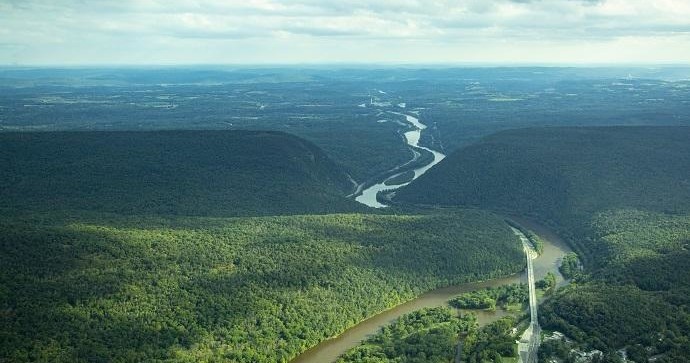
Air Activities in Delaware Water Gap, Pennsylvania
Across the sculpted notch where the Delaware River slices the Kittatinny Ridge, the Delaware Water Gap reveals itself best from above. Thermals off the limestone ridge lift paragliders, dawn balloonists drift over polished river bends, and small planes trace the corridor’s layered forests and exposed cliffs. This guide focuses on the airside experiences—tandem paragliding, scenic flights, hot-air ballooning, and ridge soaring—blending practical planning with the sensory details that turn a flight into a memory.
Top Air Activities Trips in Delaware Water Gap
6 trips • Book with confidence • Instant confirmation
Why the Delaware Water Gap Delivers for Air Activities
The Delaware Water Gap reads like an aerialist’s map: a deep river valley carved through a long, straight ridge; open farmfields that sit like mirrors beside the water; and a stitched patchwork of hardwood forest rising to the ridgecrest. For pilots, fliers, and balloonists the geography matters. The Kittatinny Ridge behaves predictably in the right weather—creating ridge lift and clean thermals that make short, thrilling ridge flights and safe sites for training and tandem flights. Dawn and dusk are the windows of choice: wind tends to calm, thermals are gentler, and the light softens the valley into layers of green and blue.
The human story is part of the appeal. Local operators run small fleets of light aircraft and hot-air balloons from fields tucked near East Stroudsburg and Brodheadsville; paragliding and hang gliding groups use ridge launch sites where the land drops away to the river. These are not high-altitude expeditions so much as intimate aerial encounters that foreground the river corridor, the exposed cliffs of the gap, and the rural communities knifed along the valley floor. The proximity to major population centers—New York and Philadelphia within a two-hour drive—means accessibility without the crowding of larger mountain ranges.
Beyond the mechanics of lift, the Gap delivers textures: the piano-key pattern of floodplain fields, the slow glinting of the Delaware River braided with shoals, and seasonally shifting forests. Spring brings fresh greens and rising thermals; late summer offers long, warm days for longer scenic flights; and fall provides a spectacle of foliage when flights feel like they’re sifting through fire. Operators and pilots here balance that spectacle with stewardship: the Gap is a national recreation area, and air activity intersects conservation rules, migratory-bird considerations, and FAA airspace — meaning your best day in the air is planned with both weather and regulation in mind.
Practical advantages are straightforward. Short flight windows, easy meet-up points near town, and a range of offerings—from introductory tandems to scenic airplane tours—make it a great place to try air activities for the first time. At the same time, ridge lines and thermal structure attract experienced paragliders and sailplane pilots who appreciate technical flying and cross-country possibilities. For travelers, an aerial trip here pairs naturally with paddling the Delaware, a ridgeline hike, or an afternoon at a riverside brewery—airtime becomes the connective tissue in a fuller, layered adventure.
Accessibility: Short drives from I‑80 and I‑287 put launch sites and small airfields within reach of regional airports and train stations, so visitors can combine a flight with a day of hiking or paddling.
Diversity of experiences: The corridor supports multiple air disciplines—hot-air balloon rides at dawn, tandem paragliding on ridge launches, scenic fixed‑wing flights for photography, and occasional ultralight operations from private fields.
Environmental and regulatory context: Because much of the area sits inside the Delaware Water Gap National Recreation Area, pilots and operators coordinate with park rules and FAA guidance. Drones and certain low-level operations are restricted—always check with the operator and park service before planning a flight.
Seasonal shaping: Spring and fall are the most stable times for ridge lift and thermal structure; summer afternoons can become turbulent, and winter flights are possible but limited by weather and shorter daylight.
Best Time to Visit
Best Months
Weather Notes
Calmer winds and cooler temperatures at dawn and dusk create the most consistent windows for flights. Spring and fall generally offer the best lift structure for ridge and thermal flying; summer afternoons can develop convective turbulence. Always check local forecasts and consult your operator for microclimate tendencies.
Peak Season
Late September through October (foliage viewing draws extra bookings for scenic flights and balloon rides).
Off-Season Opportunities
Winter and early spring can offer clear, crisp views and quieter schedules for experienced fliers, though many operators scale back services in colder months.
Frequently Asked Questions
Do I need prior experience to fly?
No—many air activities offer tandem or guided options that require no prior experience. For paragliding and hang gliding, introductory tandem flights let you feel the sport before committing to lessons.
Are there weight or health restrictions?
Operators commonly have weight and health guidelines for safety. These vary by activity and provider—check with the operator ahead of booking and disclose any medical conditions that could affect your flight.
How weather-dependent are flights?
Extremely. Wind speed and direction, visibility, and thermal activity dictate whether flights proceed. Operators typically confirm or cancel within 24 hours of the scheduled time and will reschedule when possible.
Choose Your Experience Level
Beginner
Tandem flights and short scenic airplane or balloon rides that prioritize stability and views over technical flying.
- Tandem paragliding over the river corridor
- Dawn hot-air balloon scenic ride
- 30–45 minute fixed-wing scenic flight
Intermediate
Introductory lessons, supervised ridge launches, and longer scenic flights that require some familiarity with aviation basics and weather awareness.
- Beginner paragliding lessons with short solo hops
- Introductory glider or light-aircraft photography flights
- Group ridge soaring sessions
Advanced
Cross-country paragliding, advanced ridge soaring, or piloting small aircraft in complex valley and ridge conditions—requires certification and strong local knowledge.
- Cross-country paragliding along the Kittatinny Ridge
- Advanced ridge-slope soaring sessions
- Pilot-led aerial photography missions
Insider Tips & Local Knowledge
Coordinate closely with your operator and the National Park Service; air activity is both weather- and regulation-dependent.
Book early for dawn balloon or scenic flights during fall foliage weekends—slots fill quickly. Arrive 30–60 minutes early for briefings and dress for wind chill, even on warm days. If you’re flying tandem, keep pockets empty or secured; operators will usually provide tether points for cameras. Consider pairing a morning flight with a riverside paddle or a late-afternoon ridge hike to get both perspectives of the Gap. Respect wildlife and avoid unauthorized low-level flights near nesting areas; drones are restricted in many parts of the national recreation area. Finally, if you’re learning to paraglide or hang glide, spend time on ground-handling practice—the valley’s thermals are rewarding but demand solid fundamentals.
What to Bring
Essential
- Photo ID and booking confirmation
- Layered clothing (windproof shell recommended)
- Closed-toe shoes with ankle support
- Sunglasses and sunscreen
- Phone in a secure pocket or tether
Recommended
- Small daypack for personal items
- Light gloves for chilly morning launches
- Ear protection for small aircraft or helicopter flights
- A compact camera or action-cam with a secure mount
Optional
- Binoculars for river and bird spotting
- Portable power bank
- Light hydration and a snack for post-flight celebration
Ready for Your Air Activities Adventure?
Browse 6 verified trips in Delaware Water Gap with instant booking
Explore Top 15 Delaware Water Gap, Pennsylvania Adventures →