
Chelsea adventure guide
Find your way into Chelsea.
A compact, salt-slick ribbon along Boston Harbor, Chelsea is where working waterfront grit meets surprising access to water-borne adventure. The town’s top activities are decisively coastal—boat tours and ferry hops thread into sightseeing and city tours, while boat rental, kayak outings, and sailing options put the harbor within reach of anyone who wants to trade sidewalk for wind. On land, walking tours and bike rental invite easy exploration of murals, historic mills, and riverfront greenways. Whether you’re chasing sunrise light for a photography tour, lining up an eco tour to study shorebirds, or booking a fishing charter off the breakwater, Chelsea functions as a launching pad for metropolitan waterways and short, urban escapes. Use this guide to plan quick, practical outings—daylight boat tours, an afternoon bike tour that connects to neighboring Boston neighborhoods, or a sunset kayak launch from a low-tide access—while still discovering the local stories behind the docks and piers.
Three ways into the city
Pick a landscape. Build a day around it.
Chelsea is less a single destination than a collection of neighboring worlds. Start with the version of the city that matches your pace, then use the ranked guide below to fill in the details.

Begin where the city meets the sea.
Surf breaks, sheltered harbors, whale routes, and long beach paths make the coast LA’s most immediate outdoor playground.
Explore boat tour →
Let a local connect the landmarks.
Use a guided city, walking, or sightseeing tour to turn LA’s sprawl into a coherent story.
Explore walking tour →
Ride the coast and the city.
Beach paths, river corridors, e-bikes, and ridge climbs reveal a more connected Los Angeles.
Explore bike tour →Choose your way into Chelsea
The top 15 Chelsea adventures.
Ranked by the number of currently listed trips. Each panel opens the complete local activity collection.
1Boat Tour
Chelsea’s compact industrial waterfront opens onto Boston Harbor with surprising variety: low-slung working creeks, skyline-framed harbor routes, and quick access to island stops. Boat tours from Chelsea range from short skyline cruises and ecosystem-focused outings to private charters that slip past shipping channels and salt marshes. This guide helps you navigate options, seasons, and practicalities so you can pick the right cruise for your pace.
Explore boat tour → 2
2Water Activities
Chelsea’s compact waterfront is a study in contrasts: industrial piers give way to marshy estuaries and sheltered channels that welcome paddlers, anglers, and harbor sailors. This guide focuses on water-based adventures you can plan from Chelsea — kayak and SUP routes, salt‑marsh explorations, urban fishing, and short boat hops into Boston Harbor — with practical notes on tides, access, and seasonal rhythm.
Explore water activities →3Walking Tour
Chelsea reshapes the idea of a walking tour. Here, industrious waterfrontways and tightly woven neighborhood streets sit beside community gardens, colorful murals, and immigrant-run storefronts—offering short, sensory-rich walks that pair city grit with coastal light. This guide focuses solely on walking tours: route ideas, accessibility notes, seasonality, and practical planning to help you turn an afternoon stroll into a meaningful exploration.
Explore walking tour →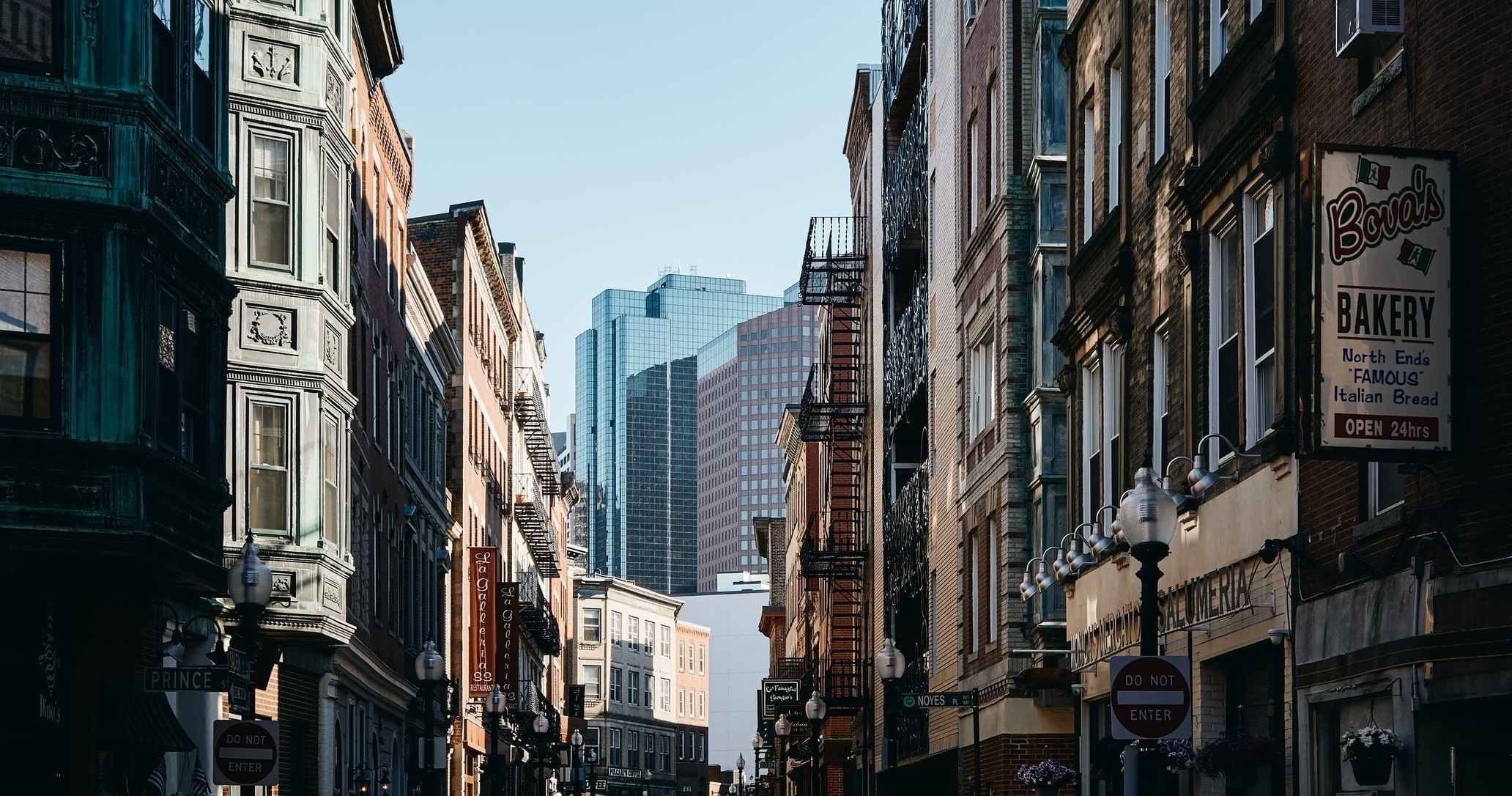 4
4City Tour
Chelsea’s compact streets and working waterfront reward curious walkers. Once a center of industry and maritime trade, the city now unfolds as a living juxtaposition: salt marshes and freight terminals, family-run restaurants and emerging art projects. City tours here are intimate—short blocks, unexpected vistas, and a strong sense of place shaped by migration, labor, and the river.
Explore city tour → 5
5Sightseeing Tour
Chelsea is an overlooked pocket of Greater Boston where industrial edges meet tidal marshes, immigrant neighborhoods hum with small businesses, and the waterfront reveals a different kind of New England panorama. Sightseeing tours here lean less on postcard vistas and more on textured urban landscapes—riverfront industry, reclaimed greenways, neighborhood murals, and bird-rich marshes. This guide highlights accessible walking and boat-based tours, bike-friendly routes, and complementary experiences (food, history, and nature) that let you experience Chelsea at neighborhood scale.
Explore sightseeing tour → 6
6Sailing
Chelsea sits at the doorstep of Boston Harbor—an urban seam where working waterfront, tidal channels, and protected bays converge to create short, lively sailing experiences. Whether you’re skippering a daysail past container piers and saltmarsh, taking a twilight cruise to a quiet anchorage, or practicing basics in protected creeks, Chelsea offers quick access to a range of conditions and a gateway to the wider Boston Harbor Islands and the Massachusetts coastline.
Explore sailing →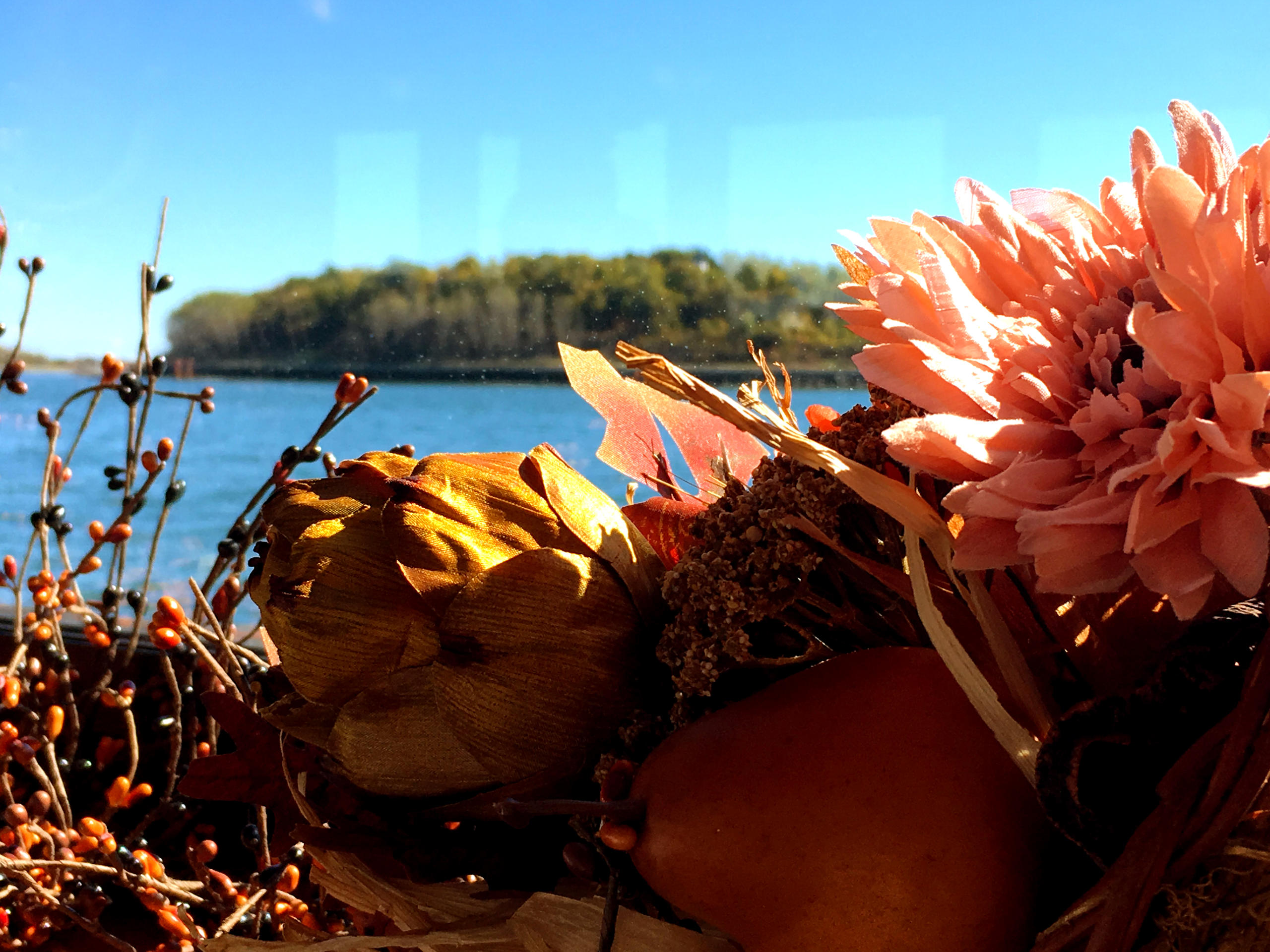 7
7Fishing
Straddling tidal creeks and the broad shoulders of Boston Harbor, Chelsea is a compact, intensely urban base for estuary and nearshore fishing. Expect a mix of pier and shore casting, stealthy wading in back creeks, and easy access to inshore boat trips out into productive feeding grounds. Seasons bend around migrations—spring and early summer bring schools of striped bass and bluefish chasing bait along riprap and point breaks, while late summer and early fall keep that action rolling with added flounder and seabed species. Chelsea's fishing scene is practical and gritty: locals rig light tackle for quick hookups, anglers cast topwater at dawn, and charters out of nearby harbors shorten the distance to deep water for bottom species and larger game.
Explore fishing →8Bike Tour
Chelsea's bike tours distill the contrast of New England into short, vivid rides: salt-marsh vistas, working waterfronts, and compact streets that knit neighborhoods to the harbor. Expect flat, rideable routes, frequent stop-and-smell moments, and easy connections to East Boston and the Boston Harbor shoreline.
Explore bike tour → 9
9Boat Rental
Chelsea sits at the hinge of river and harbor—an industrial waterfront that opens into tidal channels, salt marshes, and the wide blue of Boston Harbor. For boat renters, that means quick access to varied water: sheltered creek runs for calm paddling, open harbor routes to the Boston skyline, and island landings within an hour. This guide focuses on renting boats from Chelsea’s waterfront: what to expect from different craft, how tides and shipping traffic shape trip planning, and practical tips to turn a rental into a confident, scenic day on the water.
Explore boat rental →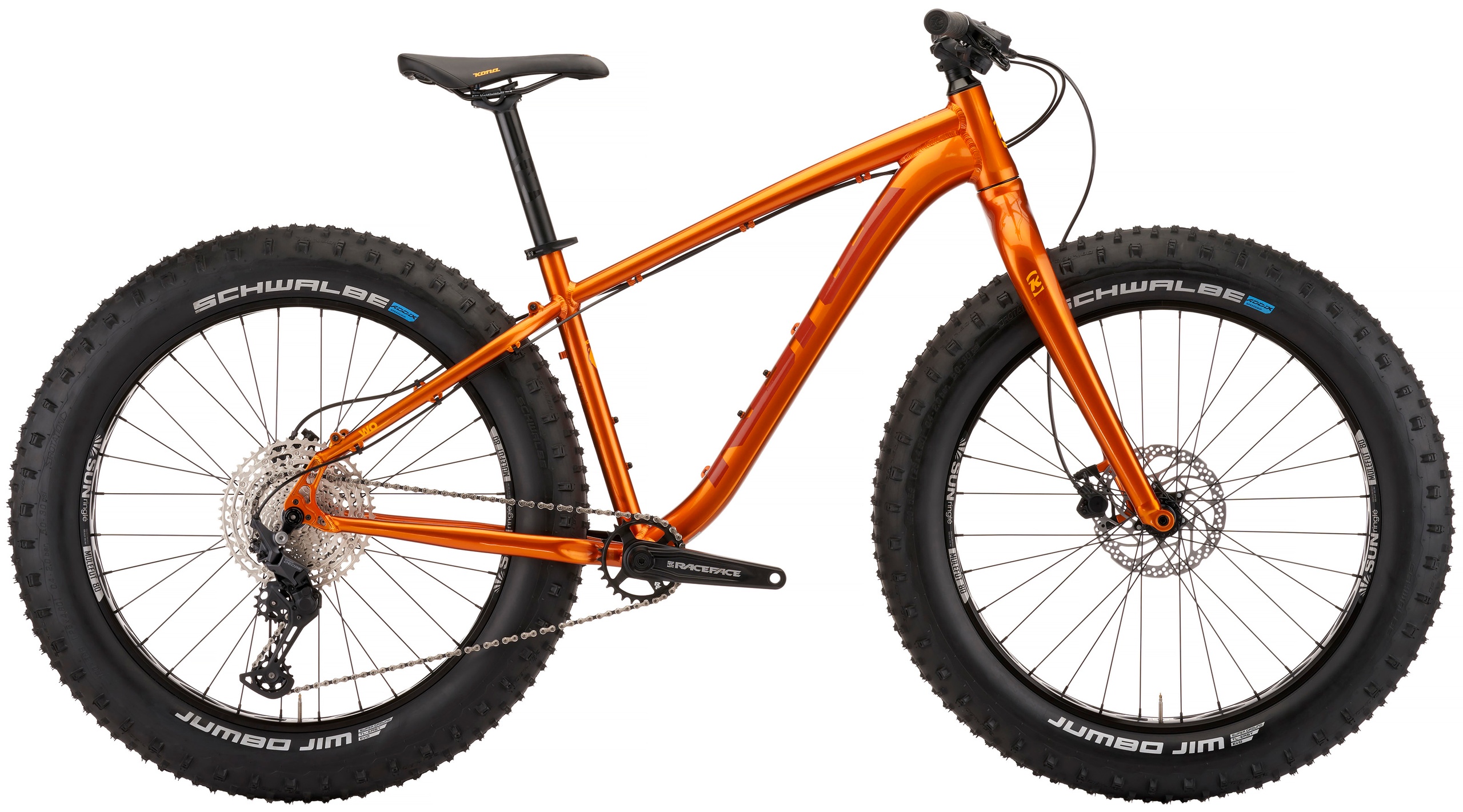 10
10Bike Rental
Chelsea sits ankle-deep in industrial history and tidal marshes, a compact launchpad for short urban spins and longer coastal rides. Bike rentals here are pragmatic: convenient doorstep access to flat greenways, quick crossings into Boston, and easy connections to waterfront trails. Whether you want an e-bike for a waterfront cruise, a sturdy commuter for a loop into the city, or a child seat for a family outing, Chelsea's rental scene is about mobility—fast, flexible, and tied to the rhythms of the harbor.
Explore bike rental → 11
11Hiking
Chelsea compresses a surprising range of hiking experiences into a handful of square miles: salt-marsh boardwalks and industrial shorelines meet remnant greenways, riverside paths, and immediate access to larger forested reservations a short drive away. This guide focuses on walking and hiking options that pair urban storytelling with coastal and marshland ecology—ideal for quick morning loops, family-friendly walks, and connecting to bigger day hikes beyond the city.
Explore hiking → 12
12Kayak
Kayaking in Chelsea is a study in contrasts: industry and estuary, city grit and salt-marsh hush. Within minutes of downtown, paddlers can be navigating tidal channels rimmed with spartina grass, threading between working waterfront piers, or pushing out toward the broader sweep of Boston Harbor. The short runs and protected coves make Chelsea ideal for beginner-friendly day paddles and wildlife-focused outings, while tidal currents and exposed harbor stretches offer a meaningful challenge for more experienced paddlers. This guide focuses on routes, safety around tidal flows, seasonal considerations, and how to pair a Chelsea paddle with birding, shoreline hikes, or a Harbor Islands day trip.
Explore kayak → 13
13Ferry
Chelsea’s waterfront is a working edge where industry, salt marsh, and city meet. Ferries and harbor connections here are less about postcard cruises and more about practical waterborne mobility—short crossings that unlock coastal neighborhoods, islands, and urban trails. This guide focuses on using ferries from Chelsea as transit, scenic connectors, and springboards to local outdoor activity.
Explore ferry → 14
14Eco Tour
Chelsea’s narrow streets and industrial waterfront give way to tidal marshes, brackish creeks, and a surprising abundance of wildlife. Eco tours here fuse urban history and coastal ecology—guided marsh walks, boat-based birding, and community-led restoration work invite travelers to see how cities and nature coexist along Boston Harbor’s edge.
Explore eco tour → 15
15Photography Tour
Chelsea compresses contrasts into compact frames: salt marshes rubbing shoulders with industrial piers, intimate immigrant storefronts, rooftop views of the Boston skyline, and unexpected pockets of wildlife. Photography tours here favor texture and light—sunrises over Chelsea Creek, fog-draped mornings, gritty industrial backdrops softened by golden-hour warmth, and human-centered street scenes. This guide focuses on how to plan and shoot Chelsea specifically—routes, seasons, gear, and the kinds of images you can realistically capture on a half-day or full-day tour.
Explore photography tour →The city and the sea
Why Chelsea Belongs on Your Harbor-Itinerary
Variety without surrendering the day to long transfers.
Chelsea sits at a crossroads of industrial memory and marine possibility. Step outside a commuter train and you’ll find a shoreline that is both earnest working waterfront and an unexpectedly generous playground for short-form adventure. From the low piers and estuarine edges of Chelsea Creek you can organize a morning of fishing, launch a kayak for a half-day paddle under the Mystic River bridges, or rent a small powerboat and chase the skyline of Boston from the water. Boat tours and ferry runs make the harbor legible: they transform docks into chapters—sightseeing tours that narrate the lighthouses and reclaimed shorelines, eco tours that point out salt marshes and migrating birds, and photography tours that time the light for the smooth, glassy hour after sunrise. The town’s walking tours put Chelsea’s layered history—millworks, immigrant communities, and public art—within easy reach of outdoor-minded travelers who want to mix urban curiosity with active minutes. Bike rental and bike tour operators stitch routes into Boston’s network, turning a Chelsea launch into a full-day exploration that includes Revere Beach and waterfront paths. For sailors and small-craft enthusiasts, the harbor’s protected pockets are ideal for learning the ropes: sailing lessons and boat rental options let you progress from a sheltered day-sail to a short coastal navigation. And if you prefer to stay onshore, the proximity of ferry service, scenic boat tours and well-curated walking tours makes it simple to layer experiences—pair a morning kayak with an afternoon sightseeing tour and an evening photography session on the pier. Practicalities tilt toward convenience: short transit times from Boston, abundant rental and guide options for boat rental, kayak, and bike rental, and a mix of beginner-friendly activities alongside more committed outings—think guided fishing trips or an offshore sailing charter. Chelsea’s mosaic of water activities, city-tour accessibility, and pocket greenways creates an approachable itinerary for families, photographers, and seasoned day-trippers alike. Use the town as a base to access longer hikes and coastal trails in nearby Revere or the Mystic River corridor, and don’t overlook weekday mornings for calmer water conditions and thinner crowds. This guide weaves the top tags—Boat Tour, Water Activities, Walking Tour, City Tour, Sightseeing Tour, Sailing, Fishing, Bike Tour, Boat Rental, Bike Rental, Hiking, Kayak, Ferry, Eco Tour, and Photography Tour—into practical routes and gear lists so you can plan adventures that feel both immediate and deeply place-based.
Chelsea’s advantage is proximity: a short transit ride or bike brings you to multiple launch points and guided operators. Outfitters handle everything from kayak basics to guided eco tours, so even newcomers can book a same-day water activity. The harbor’s protected inlets are forgiving on windy days, but open-water trips and sailing lessons benefit from checking tides and wind forecasts in advance.
Pair your outdoors time with a local rhythm—markets, murals, and historic industrial architecture make urban walking tours rewarding between outings. Photography tours often align with sunrise or golden-hour boat tours; if your priority is images, plan around tide and light. For anglers, municipal breakwaters and licensed charters offer differing experiences: shore fishing for quick sessions, charters for fuller days and deeper water.
Conditions shape the day
The best time to visit Chelsea.
Late spring through early fall offers the most consistent window for water activities: milder temperatures, longer daylight, and calmer seas. Summer brings the warmest water but also the highest visitor counts on ferry and sightseeing tours. Shoulder seasons (May, September) balance comfortable weather and fewer crowds.
Best all-around window
Spring + fall
Comfortable mixed-itinerary weather, thinner crowds at beaches and lookouts, and more room to improvise.
Beach season
Summer (July–August) for beach access and harbor tours; weekends are busiest.
Surf + whales
Late fall and winter provide quieter streets and lower rates; many guided water activities scale back, but walking tours, city tours, and photography outings can be rewarding in crisp light.
Coast to inland
Cool marine mornings often give way to warmer inland afternoons and breezy evenings.
Beginner
Short, guided excursions and self-guided urban active outings that require minimal prior skills.
- Guided boat tour of Boston Harbor
- Short walking tour of Chelsea murals and waterfront
- Beginner-friendly kayak rental in protected inlets
Intermediate
Longer paddles, basic navigation, and multi-modal days that combine biking with a ferry or short boat hop.
- Half-day kayak to nearby piers and estuaries
- Bike tour linking Chelsea to Revere Beach with a ferry segment
- On-the-water photography tour at golden hour
Advanced
Open-water sails, fishing charters, and self-supported outings that require weather, tide, and navigation know-how.
- Offshore fishing charter departing from the harbor
- Day sail around outer harbor islands
- Independent small-craft navigation in variable tide conditions
Field kit
What to bring.
Pack for sun, salt water, walking, and a meaningful temperature swing between coast and inland Chelsea.
Essential
Start here
- Wind- and water-resistant jacket for harbor gusts
- Closed-toe shoes that can get wet (for launches and piers)
- Reusable water bottle and light snacks
- Phone in a waterproof sleeve or small dry bag
- Sun protection: hat, sunglasses, SPF
Water days
Keep it dry
- Layers for changing coastal temps (mornings can be chilly)
- Light daypack for walking tours and photography gear
- Personal flotation device if you own a kayak or SUP
- Binoculars for birdwatching on eco tours
Long days
Stay flexible
- Compact tripod or stabilizer for photography tours
- Fishing license if you’ll fish from shore (state rules apply)
- Quick-dry towel and change of clothes for boat rental days
Insider note
Start early, then keep the geography tight.
Start early for calm water and cleaner light—many photography tours and kayak rentals book the first slots of the day. Check tide charts for Chelsea Creek launches; low tide can expose mudflats and limit access. Weekdays reduce congestion for bike tours and boat rental pickups. If you plan to fish, secure the appropriate Massachusetts license and ask local tackle shops about seasonal species and hotspots. For eco tours, bring binoculars and neutral clothing to avoid startling birds. Finally, combine a harbor boat tour with a short walking tour of Chelsea to understand how the waterfront shaped the town—local guides often share the best vantage points for sunset photography.
Good to know
Frequently asked questions.
Can I launch a kayak in Chelsea without a guide?
Yes—there are public access points for experienced kayakers, but novice paddlers should book a guided kayak tour or rental that includes a safety briefing and PFD.
Are boat tours and ferries wheelchair accessible?
Accessibility varies by operator. Contact the boat tour or ferry company in advance to confirm boarding procedures and accessibility features.
Do I need a license to fish from shore?
Yes—Massachusetts state fishing regulations and licensing apply. Check local rules and posted signage at piers and breakwaters before fishing.
Ready when you are
Find the trip that fits your Chelsea day.
Compare bookable experiences across the coast, city, and mountains—then save the ones that belong in your plan.
Explore all Chelsea adventures ↗