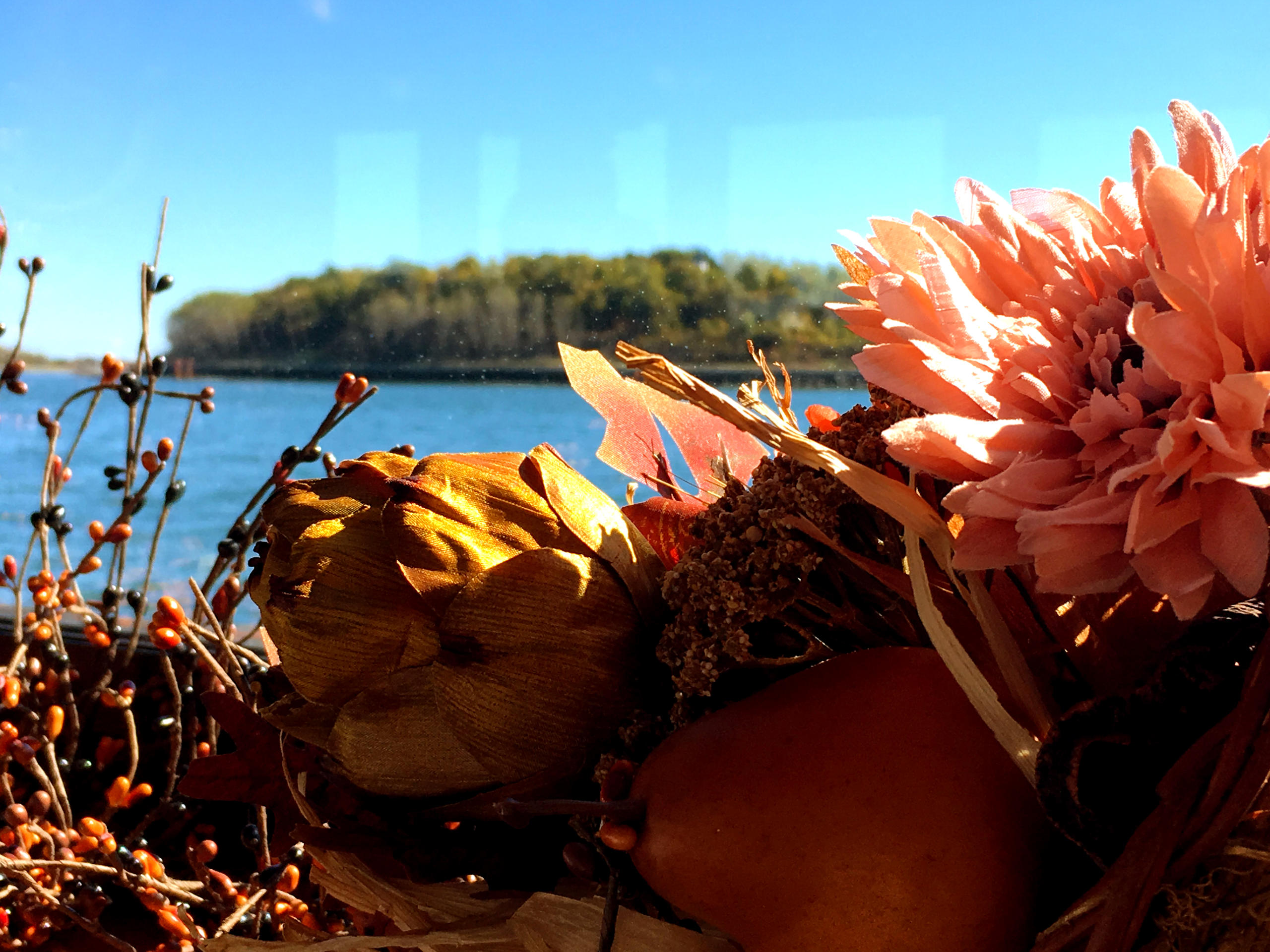
Top Fishing Adventures in Chelsea, Massachusetts

Chelsea, Massachusetts

Straddling tidal creeks and the broad shoulders of Boston Harbor, Chelsea is a compact, intensely urban base for estuary and nearshore fishing. Expect a mix of pier and shore casting, stealthy wading in back creeks, and easy access to inshore boat trips out into productive feeding grounds. Seasons bend around migrations—spring and early summer bring schools of striped bass and bluefish chasing bait along riprap and point breaks, while late summer and early fall keep that action rolling with added flounder and seabed species. Chelsea's fishing scene is practical and gritty: locals rig light tackle for quick hookups, anglers cast topwater at dawn, and charters out of nearby harbors shorten the distance to deep water for bottom species and larger game.

29
Activities
Spring–Fall (Best for shore & inshore fishing)
Best Months

Top Fishing Trips in Chelsea

29 trips • Book with confidence • Instant confirmation

Why Chelsea Is a Practical, Underrated Base for Fishing

Chelsea’s waterfront reads like a working map of coastal New England: stacked pilings, channel markers, ledges, and the long sweep of harbor that softens into the open ocean a short boat ride away. For the visiting angler this means variety in a small footprint—tide-driven estuaries where striped bass stage and feed, rocky structure that holds tautog and sea bass, and quick access to boat ramps and charters that make inshore trips to schooling bluefish and flounder easy to reach. There’s a distinct urban quality to fishing here. You’ll find anglers casting from industrial bulkheads, families dropping lines off city piers, and guides loading gear into trucks destined for a short run to deeper water. That proximity to Boston’s maritime infrastructure is an advantage: you don’t need to commit to long drives or multiday plans to get on fish.

This guide leans practical because Chelsea itself is practical. Tides matter—more than scenic vistas—because the current shapes where bait gathers and where predators ambush. The city’s mix of shallow flats and deeper channels creates predictable feeding lanes at certain tide stages, and anglers who time those windows are rewarded. Seasonal shifts are clear and reliable: spring’s warming waters trigger migration and explosive surface action; summer keeps multiple species accessible both from shore and from small boats; fall concentrates fish yet again as waters cool. Even winter holds its own, especially for those willing to take a charter offshore or to target structure-holding species near deeper channels.

Beyond fish, Chelsea offers complementary experiences that make a day on the water feel like a complete trip. Kayaking and wildlife watching along quieter creeks, seafood counters and oyster bars showcasing the harbor’s harvest, and quick access to urban amenities—supplies, fuel, and last-minute bait—mean you can be efficient and comfortable. The shoreline here also tells a story of industry and recovery: restoration projects and working waterfronts rub shoulders, and that juxtaposition has created pockets of habitat that support robust food chains. For travelers, Chelsea is less about postcard panoramas and more about getting into the rhythm of coastal fishing: reading tides, selecting the right tackle for tight structure, and enjoying the immediacy of saltwater action without long approaches.

Concentration of access: short drives to multiple shoreline spots and nearby charter options make Chelsea an efficient base for both half-day and full-day trips.

Seasonal clarity: spring and early summer favor striped bass and bluefish topwater action; late summer and fall broaden options to include flounder and seabed species.

Urban-meets-wild: industrial edges and restored marshes create productive transitional habitat that concentrates bait and predators.

Activity focus: Saltwater & estuarine fishing (shore, pier, inshore boat)
Number of matching trips: 29
Common species: striped bass, bluefish, flounder, tautog, black sea bass
Best approach: time tides—incoming and outgoing windows concentrate feeding fish
Accessibility: short distance to Boston’s harbors and charter fleets

Best Time to Visit

Best Months

MayJuneJulyAugustSeptember

Weather Notes

Tidal currents and wind define comfort and success. Spring and early summer bring temperate air and steady tides; summer can be calm or blow up with afternoon sea breezes; fall is often cooler with consistent feeding as fish move. Nor'easters and stormy weather can quickly close boat operations—monitor forecasts.

Peak Season

Late spring through early fall for shore and inshore fishing—peak action for striped bass and bluefish tends to occur in late May into July and again in late summer.

Off-Season Opportunities

Winter offers calmer, less-visited piers and targeted boat trips for structure species; however, shorter daylight and colder conditions require more preparation and possibly charter-only access.

Frequently Asked Questions

Do I need a fishing license in Chelsea?

Recreational anglers should verify current Massachusetts licensing requirements before fishing. Licenses or permits may be required for certain saltwater or freshwater fishing; vendors and local sporting shops can confirm current rules.

Where can I launch a small boat or find charters?

Chelsea offers access points into neighboring harbors; many anglers opt to launch from nearby public ramps or book inshore charters operating out of the greater Boston area. Check local marina and charter listings for availability and reservations.

Is shore fishing safe along industrial waterfronts?

Shore fishing from bulkheads and piers is common but requires attention to tide, slippery surfaces, and marine debris. Wear appropriate footwear, be mindful of tides and changing water levels, and avoid restricted or private property.

Choose Your Experience Level

Beginner

Accessible, low-commitment options like pier and shoreline casting. Short sessions that teach basic tackle setup and tide-reading.

  • Casting from city piers for striped bass and bluefish
  • Bait fishing for flounder near shallow flats at low tide
  • Guided half-day inshore trip to learn local tackle and techniques

Intermediate

Longer shore sessions and small-boat trips requiring more knowledge of tides, structure, and multispecies tactics.

  • Tide-timed estuary sessions targeting concentrations of feeding bass
  • Light-tackle boat trips to nearby ledges and channel edges
  • Night or dawn topwater sessions for early surface action

Advanced

Technical approaches—precise tide and current reading, fishing around complex structure, and longer offshore trips for larger or seasonal species.

  • Inshore-to-offshore transition trips targeting mixed schools and larger game
  • Precision jigging for tautog and bottom species around structure
  • Multi-rod boat setups for mixed-species, high-intensity days

Insider Tips & Local Knowledge

Tides and structure define success—plan around them and pack redundancy in line and leaders.

Scout during low tide to get a mental map of flats, rocks, and drop-offs. Mid- to high-tide windows often produce the most feeding activity in estuaries; incoming tides can push bait into corners where predators wait. For shore anglers, fish near structure—bulkheads, riprap, and points—where currents concentrate bait. If booking a charter, ask about daily targets and whether they provide rods and tackle; on popular inshore days, reservations fill quickly. Respect working waterfront signage and private docks, and always secure your catch and gear—wind and waves can pull lines into hazards. Finally, pair a fishing day with nearby complementary activities: a short paddle in quieter creeks, a visit to a local seafood market, or a walk along the harbor to watch terns and shorebirds following bait schools.

What to Bring

Essential

  • Rod and reel suited to saltwater light-to-medium tackle
  • A selection of leader material and hooks (including circle hooks)
  • Assortment of lures: topwater, soft plastics, bucktails, jigheads
  • Bait and terminal tackle (weights, swivels, leader)
  • Valid fishing license or required permits for Massachusetts (check current rules)
  • Tide table or app and local chart for currents and shallow areas
  • Personal flotation device if fishing from a small boat

Recommended

  • Waders or waterproof boots for shore and creek access
  • Tackle box with spare lines and basic tools (pliers, line cutters)
  • Sun and rain protection—hat, polarized sunglasses, layered clothing
  • Handheld VHF or a charged phone in waterproof case
  • Small first-aid kit and antiseptic for cuts from structure or racks

Optional

  • Light folding chair for long waits at piers
  • Compact fish finder for boat anglers
  • Camera with fast autofocus for action shots
  • Binoculars for scouting birds and bait concentrations

Ready for Your Fishing Adventure?

Browse 29 verified trips in Chelsea with instant booking

Explore Top 15 Chelsea, Massachusetts Adventures →