
Centennial adventure guide
Find your way into Centennial.
Set in the sun-burnished suburban spine of the Denver metro, Centennial is an unexpectedly handy launchpad for outdoor plans: morning walking tours along tree-lined neighborhoods, afternoon hikes that climb into foothill ridgelines, and evenings spent swapping route beta over local brews. The city is less about one iconic climb or lake and more about a practical assortment of options—bike tours and bike rentals for neighborhood and greenway loops, easy-access hiking and scenic drives that push toward the Rockies, and water activities on Cherry Creek and nearby reservoirs. This guide stitches together climbing crags and winter activities, sightseeing and eco tours, plus motorized outings and quiet train or bus tours to help you mix big days and mellow afternoons with equal confidence.
Three ways into the city
Pick a landscape. Build a day around it.
Centennial is less a single destination than a collection of neighboring worlds. Start with the version of the city that matches your pace, then use the ranked guide below to fill in the details.

Begin where the city meets the sea.
Surf breaks, sheltered harbors, whale routes, and long beach paths make the coast LA’s most immediate outdoor playground.
Explore boat rental →
Let a local connect the landmarks.
Use a guided city, walking, or sightseeing tour to turn LA’s sprawl into a coherent story.
Explore walking tour →
Ride the coast and the city.
Beach paths, river corridors, e-bikes, and ridge climbs reveal a more connected Los Angeles.
Explore bike tour →Choose your way into Centennial
The top 15 Centennial adventures.
Ranked by the number of currently listed trips. Each panel opens the complete local activity collection.
1Walking Tour
Centennial’s walking tours trade alpine vistas for human-scale discovery: wide paved greenways, prairie-edge parks, and neighborhood streets that reveal suburban Colorado life. Expect birding and riverfront paths, crafted community parks, and short cultural loops that pair well with coffee stops, brewery detours, and seasonal events.
Explore walking tour → 2
2Hiking
Centennial sits at the edge of the Denver metro sprawl and the Front Range foothills, making it an ideal launch point for hikes that move from suburban greenways into red-rock canyons, river corridors, and pine-scalloped ridgelines. This guide focuses on day hiking: accessible trailheads, family-friendly loops, and more demanding foothills scrambles that reward hikers with distinct Colorado light, geological variety, and close-to-home wilderness.
Explore hiking → 3
3Climbing
Centennial sits quietly on the southern edge of the Denver metro area, a practical launch point for a broad palette of Front Range climbing: from technical trad lines in steep canyon walls to accessible sport routes, roadside crack faces, and winter ice climbs when temperatures freeze waterfalls into blue ribbons. This guide focuses on climbing—rock and ice—profiling the experiences reachable from Centennial in a day, plus what to pack, the seasonality to watch, and how to layer the trip with hiking, bouldering, and mountain biking for a fuller outdoor itinerary.
Explore climbing →4Bike Tour
Centennial's bike tours stitch suburban ease to wide-open prairie, riverfront ribbon trails to tree-lined canal corridors. Easygoing paved rides, gravel loops across open fields, and quick spins that connect to longer singletrack all make the town a practical base for cyclists who want variety without the alpine commitment. This guide focuses on Bike Tours—guided and self-guided routes—that showcase Centennial's mix of accessible infrastructure, scenic waterways, and connections to the larger Denver cycling network.
Explore bike tour → 5
5City Tour
Centennial's city tours compress suburban charm, curated public spaces, and neighborhood stories into walkable stretches and themed guided routes. Expect leafy greenways, modern civic centers, and culinary pit stops woven with local history and seasonal events. These 17 curated experiences range from easy neighborhood walks and family-friendly park loops to guided food-and-drink meanders and active bike-friendly city circuits that pair well with nearby outdoor escapes.
Explore city tour → 6
6Sightseeing Tour
Centennial's sightseeing tours fold suburban charm into wide-open Colorado skies. From riverfront walks and reservoir vistas to curated neighborhood and culinary routes, the town offers accessible, short-form excursions ideal for half-day explorations or a relaxed morning. This guide focuses on sensory, walkable, and small-group tour experiences that reveal how Centennial's landscape and local life shape a distinct, easygoing kind of Colorado sightseeing.
Explore sightseeing tour →7Boat Rental
Centennial sits on the dry-pressed edge of the Denver metro, but a short drive opens access to wide reservoirs, sheltered coves, and slow stretches of the South Platte ideal for getting out on the water. Boat rentals around Centennial range from easygoing pontoons built for social afternoons and family outings to single-occupant kayaks and paddleboards that put you in touch with shoreline birds, braided channels, and the high-plains light. This guide zeroes in on renting craft — what types to choose, how seasonality and wind shape the experience, and the practicalities every renter should know before stepping into the bow.
Explore boat rental → 8
8ATV/UTV
Centennial sits at the edge of the Denver metro spread, a practical basecamp for wheeled off-road exploration where high plains give way to foothill ridgelines. From dusty two-tracks and gravel access roads to technical short-course features at private riding areas, ATV and UTV outings here pair easy access with dynamic terrain transitions—ideal for a half-day rental outing or a longer multi-day loop that pushes into the Front Range backcountry.
Explore atv/utv → 9
9Water Activities
Centennial's water scene is a study in contrasts: suburban access meets wide-open reservoir skies and slow-moving urban rivers. Within a half hour of downtown, paddlers, anglers, and sun seekers find calm coves, designated launch areas, and multiuse trails that make water-based days easy to plan and hard to forget. This guide breaks down the best ways to get on the water — from beginner stand-up paddleboarding to float fishing and small-boat exploration — plus the practical details that turn a good trip into a smooth one.
Explore water activities → 10
10Bus Tour
Centennial's bus tours are an underappreciated way to read the Front Range—its suburban grids, engineered greenways, and surprising pockets of prairie and foothill views. Whether you want a comfortable city loop that unpacks local history and architecture, a scenic connector to nearby mountain trailheads, or a curated tasting and brewery crawl that keeps you off the wheel, bus tours here translate small-city texture into digestible, accessible experiences.
Explore bus tour → 11
11Bike Rental
Centennial sits on the gentle edge of the Denver metro, where prairie light meets a surprising network of paved trails, lakeside loops, and nearby singletrack. Bike rental options here let you trade four wheels for two in minutes—whether you're after a casual pedal along Cherry Creek, a family-friendly e-bike cruise, or a quick shuttle to nearby gravel and dirt routes. This guide zeroes in on renting a bike in Centennial: what the terrain feels like, how seasons shift the experience, and how to match a rental to your ride plan.
Explore bike rental → 12
12Jet Ski Rental
Centennial sits at the suburban edge of the Denver metro and serves as a convenient launch point for jet-skiing across several Front Range reservoirs. Expect approachable water access, broad open stretches for flat-water cruising, and quick day-trip logistics—making it a smart pick for riders who want high-energy aquatic time without a long mountain drive.
Explore jet ski rental → 13
13Eco Tour
Centennial’s eco tours are intimate, local explorations that reveal how urban-edge communities steward prairie, wetland, and riparian ecosystems. Expect expert-led birding walks, native-plant restoration tours, and guided explorations of suburban waterways and reservoirs that spotlight wildlife, conservation practices, and seasonal rhythms of Colorado’s Front Range.
Explore eco tour →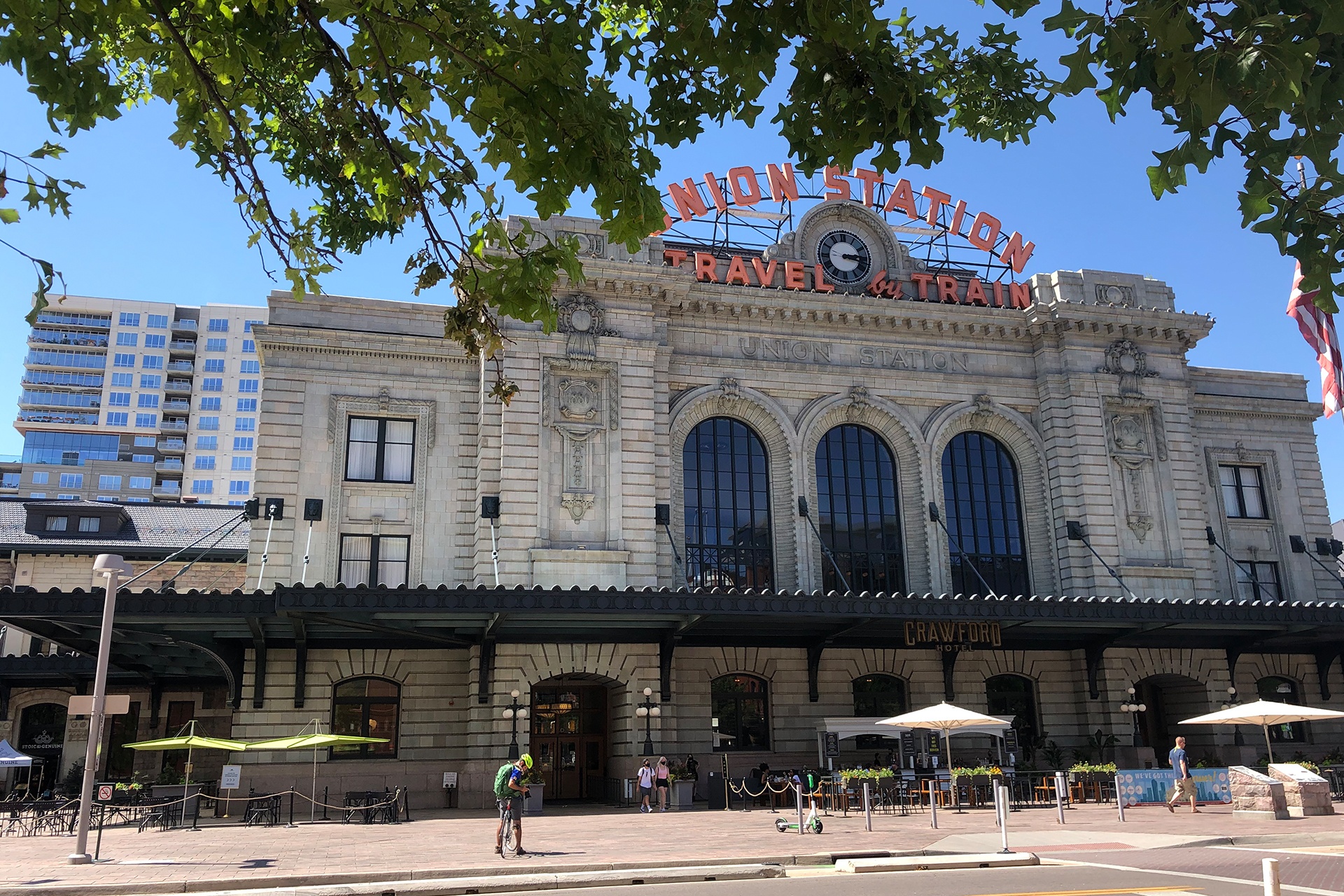 14
14Train
Centennial is less a single rail line and more a hub of short, purposeful rail experiences: commuter light rail rides that slice through suburbs and into Denver, vintage and scenic excursions within reach of the city, and rail-adjacent micro-adventures that start or end with a train ride. This guide focuses on trains as the experience—how to ride them for scenery, convenience, and the occasional nostalgic detour—and how to fold them into broader outdoor days in the Front Range.
Explore train → 15
15Winter Activities
Centennial sits at the gentle edge of the Rockies, a suburban threshold where wide-open parks meet wind-carved plains. In winter, the landscape simplifies into a clear, crisp palette—lakes rimmed with ice, prairie grasses bowed by frost, and low ridgelines dusted with snow. This guide focuses on winter-specific outdoor pursuits you can do in and around Centennial: accessible cross-country ski loops, snowshoe outings inside state parks and nearby foothills, neighborhood ice skating, low-elevation winter hikes, and wildlife-focused walks that reveal how the region adapts to cold. Practical route notes, seasonality guidance, and packing lists are woven through to help both first-timers and experienced winter travelers find purposeful outdoor time without driving deep into the high country.
Explore winter activities →The city and the sea
Why Centennial Belongs on Your Adventure Shortlist
Variety without surrendering the day to long transfers.
Centennial sits where the city loosens into prairie and foothill—that blurry edge is its strength. You can start a day with a walking tour through quiet subdivisions and community parks, swap into a bike rental and pedal greenway miles beside the South Platte, and by mid-afternoon be lacing shoes for a foothills hike that gives a first, close-in view of the Front Range. Those transitions are swift: a short drive or a longer pedal and you’re at trailheads that slot into hikes of all lengths. The geography here rewards variety. Cherry Creek State Park and nearby reservoirs answer for paddles, boat rentals, and beginner-friendly water activities; the carved walls and sandstone fins toward Roxborough and other nearby canyons make for approachable climbing and vivid scrambling when conditions allow. For travelers who prefer engines, a network of ATV/UTV routes and scenic drives stretch into the high country; for those who favor softer rhythms, eco tours, birding along river corridors, and calm train or bus tours through the metro and into nearby mountain towns offer low-effort, high-reward days. Centennial also benefits from infrastructure. Outfitters in the metro area keep gear rental options plentiful: bike rental shops with hybrid and e-bike choices, kayak and SUP options near reservoirs, jet-ski rental when conditions permit, and guided climbs or instructional sessions for budding climbers. That means you can plan a compact trip that blends city comforts—good coffee, easy roads, a short commute to a trailhead—with real outdoor time. Seasonality here is forgiving: summer draws paddlers and longer bike tours, shoulder seasons showcase crisp hiking days and fewer crowds, and winter activities—snowshoeing, low-angle winter hikes and groomed trails in nearby parks—are accessible on firmer weather days. Practically, Centennial’s advantage is choice. It’s a basecamp that lets you stack experiences: morning hikes, midday water activities, late-afternoon climbing or a scenic drive to watch light find the foothills. For weekenders, that means less travel time and more varied outdoor time. For multi-day travelers, Centennial’s proximity to the Rockies makes it an easy pivot point for one big mountain day and several smaller, restorative outings back at lower elevation. Whether you’re chasing mileage, seeking family-friendly paddles and bike loops, or layering technical climbs with urban exploring, Centennial’s mix of walking tours, hiking, bike tours, and water activities provides a pragmatic, pleasantly surprising itinerary.
Access and convenience are the city’s quiet currency: multiple trailheads, greenways, and state park entrances sit within a 20–40 minute drive from most neighborhoods, and outfitters cover rentals and guided options for everything from bike tours to climbing instruction.
Because the area bridges metro and mountain, you can plan mixed days—urban walks and city tours in the morning, then longer hikes or boat rental sessions in the afternoon—making Centennial a strong pick for short stays.
Shoulder seasons (late spring and early fall) are particularly rewarding: cooler hiking temperatures, calmer waters for paddling, and fewer crowds at popular viewpoints.
Conditions shape the day
The best time to visit Centennial.
Spring and fall offer the most comfortable hiking and biking conditions; summers are warm with occasional afternoon thunderstorms—ideal for water activities in the mornings. Winters bring cold, clear days suitable for low-elevation winter hikes and snow play in nearby higher-elevation areas.
Best all-around window
Spring + fall
Comfortable mixed-itinerary weather, thinner crowds at beaches and lookouts, and more room to improvise.
Beach season
Late spring through early fall for water activities and longer bike tours; shoulder-season fall for hiking and climbing with fewer crowds.
Surf + whales
Winter weekdays often offer quieter trails and lower lodging rates; bring traction when temperatures drop and be prepared for variable conditions at higher elevations.
Coast to inland
Cool marine mornings often give way to warmer inland afternoons and breezy evenings.
Beginner
Short, well-marked trails, gentle water activities, and easy neighborhood walks that require minimal gear and navigation.
- South Platte River greenway walk or short bike loop
- Paddle session at Cherry Creek State Park (calm cove)
- Guided city tour or self-guided walking tour of local parks
Intermediate
Longer hikes with moderate elevation gain, multi-hour bike tours on mixed pavement and gravel, and guided climbing sessions on beginner routes.
- Foothills ridge hike with 1,000–2,000 ft gain
- Half-day bike tour that links local trails and state park routes
- Introductory climbing day with a guide
Advanced
Technical climbing, full-day mountain approaches, high-adrenaline motorized routes, and winter missions requiring route-finding and technical gear.
- Multi-pitch climbing and technical crag routes (nearby mountain areas)
- Full-day mountain bike or mixed-terrain traverses into the foothills
- ATV/UTV backcountry routes and winter backcountry day trips
Field kit
What to bring.
Pack for sun, salt water, walking, and a meaningful temperature swing between coast and inland Centennial.
Essential
Start here
- Layered clothing for large diurnal temperature swings
- Sturdy walking/hiking shoes and a pair of traction-friendly shoes for damp rock
- Hydration system or two liters of water for day hikes
- Sun protection (hat, SPF 30+, UV sunglasses)
- Portable phone charger and a downloaded map or offline navigation
Water days
Keep it dry
- Light rain shell for sudden storms
- Helmet for climbing and for bike tours or e-bike rentals
- Dry bag for electronics during water activities
- Compact first-aid kit and blister care
Long days
Stay flexible
- Binoculars for river and riparian birdwatching
- Action camera with chest or helmet mount
- Microspikes for icy shoulder-season hikes
Insider note
Start early, then keep the geography tight.
Beat the heat and the crowds by starting early—mornings are best for water activities and scenic overlooks. After storms, favor paved and gravel routes to minimize trail damage and postpone technical climbs until rock has dried. If you plan to rent gear, reserve ahead for weekends in summer. For a quick natural fix without a long drive, use Cherry Creek State Park or the South Platte greenways; for quieter, more rugged terrain, head for Roxborough or the nearby foothill trailheads. Respect wildlife and private property on lesser-known routes, and pack out what you bring.
Good to know
Frequently asked questions.
Can I do most activities without a guide?
Yes—many walking tours, hikes, bike loops, and paddles on calm reservoirs and the South Platte can be done self-guided. Consider a guide for technical climbs, whitewater, or if you’re new to local routes.
Are rentals easy to find locally?
Yes. Bike rental and watercraft options are common in the metro area and nearby parks; book weekends in advance for peak months.
What’s the best way to avoid afternoon storms in summer?
Start hikes and bike rides early, aim to be off exposed ridgelines by midday, and plan paddles for the calm morning hours.
Ready when you are
Find the trip that fits your Centennial day.
Compare bookable experiences across the coast, city, and mountains—then save the ones that belong in your plan.
Explore all Centennial adventures ↗