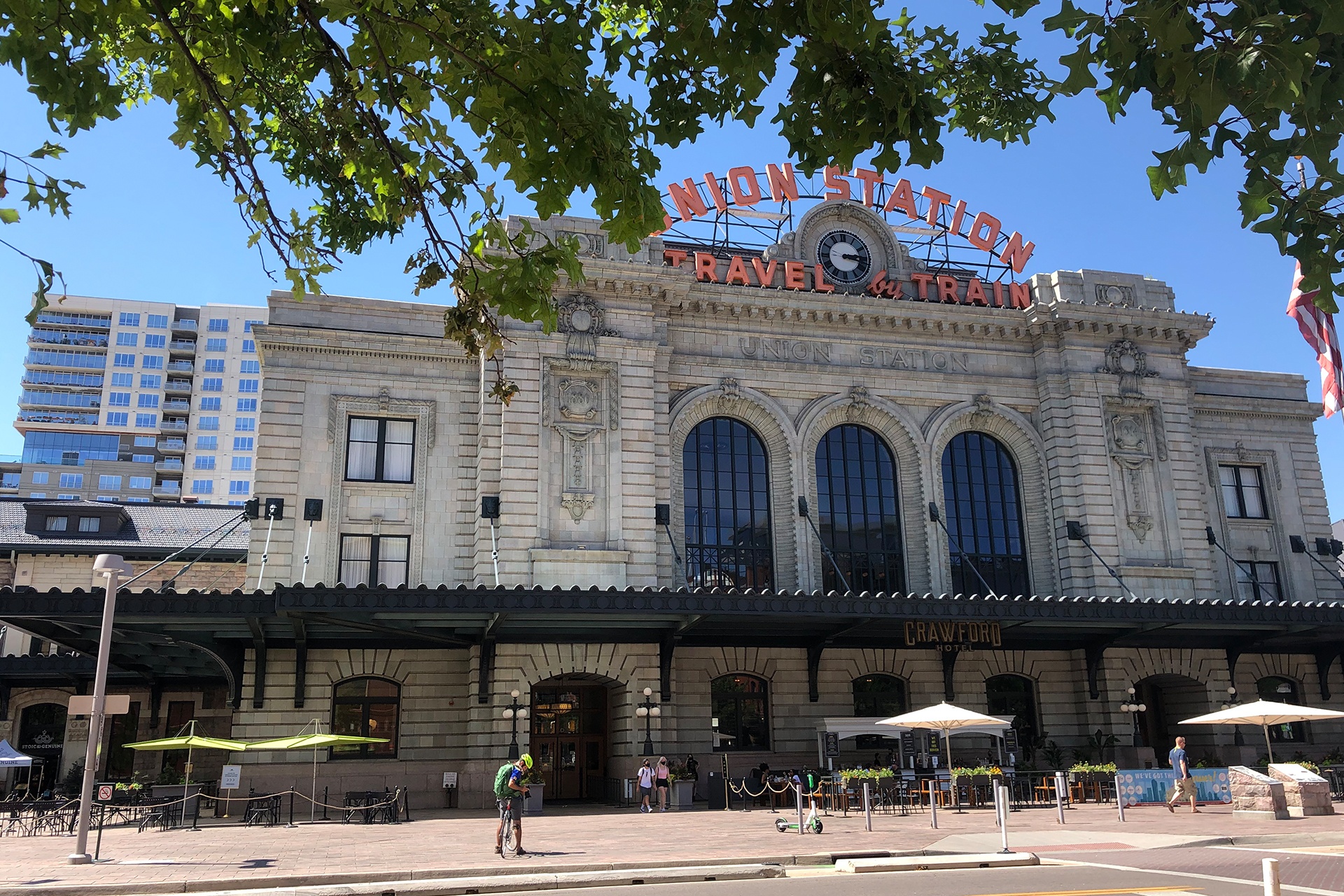
Top 4 Train Experiences in Centennial, Colorado
Centennial is less a single rail line and more a hub of short, purposeful rail experiences: commuter light rail rides that slice through suburbs and into Denver, vintage and scenic excursions within reach of the city, and rail-adjacent micro-adventures that start or end with a train ride. This guide focuses on trains as the experience—how to ride them for scenery, convenience, and the occasional nostalgic detour—and how to fold them into broader outdoor days in the Front Range.
Top Train Trips in Centennial
4 trips • Book with confidence • Instant confirmation
Why Trains Matter in Centennial
Trains in Centennial are practical and quietly cinematic. They’re not the alpine tourist railways of the West, but rather the arteries that connect suburban neighborhoods to the big-picture landscapes beyond Denver. Ride the light rail on a weekday morning and you’ll see the town in motion—commuters with coffee, cyclists rolling bikes onto racks, parks and strip malls sliding past the window. Ride on a clear weekend and the Front Range asserts itself: low foothills and vast sky make even a short trip feel like transit to something bigger.
This is a place where the experience of the train is as much about access as it is ambiance. A half-hour rail hop can turn a neighborhood outing into a trailhead approach, or it can be the most efficient and low-stress way to reach Denver for cultural detours and trailheads outside the city. For photographers and rail-curious travelers, the contrast between glassy light-rail windows and the agricultural edges of suburban sprawl provides striking, directional light. For families and casual adventurers, trains eliminate the parking scramble and condense travel time into a low-effort slice of your day.
Environmental and urban planning currents also give Centennial’s trains a different flavor. Transit corridors double as greenways and bike-friendly streets; many stations anchor mixed-use developments with cafes and local shops—ideal micro-start points for walks or last-mile bike rides. Seasonality shapes the feel more than the availability: crisp winter light and snow-dusted low hills feel starkly different from the humid summer evenings when you ride home under a lavender sunset. Practicalities—timetables, bike policies, and last-train times—matter here. The best train experiences in and around Centennial are the ones that are planned, combining a short rail ride with a longer outdoor framing: a riverside path accessed via a station, a brewery or farmers market within easy walking distance, or a rail-to-ride day where you take the train out and pedal back along a regional trail.
Trains here are connectors—efficient, predictable, and often the easiest way to stitch together urban conveniences with suburban trailheads or Front Range access points.
The best experiences combine a short rail trip with an outdoor anchor: a greenway, an overlook, a bike path, or a neighboring town’s trail network.
Expect practical amenities at stations—park-and-ride lots, sheltered platforms, and basic transit info—but plan for last-mile logistics like bike racks, rideshares, or short walks.
Best Time to Visit
Best Months
Weather Notes
Spring and fall offer the most pleasant rail-side weather—mild days and clear light. Summer evenings can be warm but comfortable, and winter can bring cold snaps and occasional snow; trains generally run year-round but prepare for icy platforms and reduced comfort during storms.
Peak Season
Late spring through early fall, when outdoor extensions (bike rides and greenway walks) are at their best.
Off-Season Opportunities
Off-season travel offers quieter stations and easy seating; combine a short rail trip with winter birdwatching or a cozy cafe stop near a station.
Frequently Asked Questions
Do I need a special pass to ride trains in Centennial?
Ticketing varies by operator. Local light-rail systems use reloadable transit cards and contactless payment; regional or tourist trains may require separate tickets. Check the operator website for up-to-date fare options.
Can I bring a bike on the train?
Many commuter and light-rail services allow bikes but have rules about peak hours and boarding locations. Folding bikes are typically easiest; check the operator policy for bike carriage.
Are trains wheelchair accessible?
Most modern light-rail stations and trains are accessible, with level boarding or ramps and designated spaces. For specialized assistance, contact the transit provider ahead of travel.
Is parking available at Centennial-area stations?
Several stations have park-and-ride lots, though capacity can fill during weekday mornings and event weekends. Arrive early or plan alternate last-mile options when lots are busy.
Choose Your Experience Level
Beginner
Short, straightforward rides focused on convenience and simple sightseeing—ideal for families and casual travelers.
- Station-to-station coffee crawl
- Short greenway walk launched from a local station
- Commuter-rail hop into Denver for a museum visit
Intermediate
Combine rail travel with active outdoor elements—bike-and-ride loops, trailheads accessible by a short train trip, or photography outings.
- Rail to a riverside trailhead and bike back
- Sunset light-rail ride with a walk to a nearby overlook
- Transit-assisted brewery and neighborhood walk
Advanced
Multi-modal itineraries that require scheduling and coordination: planned connections to scenic or heritage trains, long rail-to-trail days, or rail-based photography projects over varied light conditions.
- Coordinated trip using regional commuter rail plus a scenic excursion outside the metro area
- All-day rail-and-ride exploration linking multiple rail stations and long-distance bike segments
- Rail-focused photo expedition timed for sunrise or golden hour
Insider Tips & Local Knowledge
Transit schedules and bike/access policies change—always verify operator websites and local station notices before you go.
Time your short rail rides to avoid peak commuter windows if you're on a leisure trip. Early mornings and late afternoons on weekdays are busiest. Use stations with kiosks or nearby cafes to top up cards and grab snacks. If you plan to combine trains with biking, bring a compact lock and plan for station bike-rack capacity—some lots are monitored but not secured. For better light and fewer crowds, ride mid-morning on weekends and aim for clear weather when photographing the foothills. Lastly, treat the train as an efficient doorway: plan the outdoor portion first (trailhead times, café hours) and let the train be the convenient, low-stress transport that delivers you to it.
What to Bring
Essential
- Transit card or payment method for fares
- Photo ID (if required for certain passes)
- Comfortable shoes for short walks to/from stations
- Layered outerwear—stations can be exposed and weather changes quickly
- Reusable water bottle
Recommended
- Compact daypack for last-mile hiking or picnicking
- Bike lock if you plan to leave your bike at a station rack
- Portable phone charger for schedules and maps
- Light snack for longer excursions
Optional
- Compact camera or smartphone with extra storage
- Binoculars for birdwatching near greenways and waterways
- Small folding seat pad for station platforms or impromptu picnics
Ready for Your Train Adventure?
Browse 4 verified trips in Centennial with instant booking
Explore Top 15 Centennial, Colorado Adventures →