
Castle Valley adventure guide
Find your way into Castle Valley.
Castle Valley is a concentration of Utah’s cinematic red rock: towering sandstone monoliths, desert flats that catch the sunrise like molten copper, and narrow canyons that hum with wind and silence. This guide pairs immersive experiences—climbing Castleton Tower and Fisher Towers, paddling the Colorado’s calmer arms, and rolling backcountry on an ATV—with practical notes on when to go, what to bring, and how to layer climbing, hiking, biking, and water days into one flexible itinerary.
Three ways into the city
Pick a landscape. Build a day around it.
Castle Valley is less a single destination than a collection of neighboring worlds. Start with the version of the city that matches your pace, then use the ranked guide below to fill in the details.

Begin where the city meets the sea.
Surf breaks, sheltered harbors, whale routes, and long beach paths make the coast LA’s most immediate outdoor playground.
Explore water activities →
Let a local connect the landmarks.
Use a guided city, walking, or sightseeing tour to turn LA’s sprawl into a coherent story.
Explore bike tour →Ride the coast and the city.
Beach paths, river corridors, e-bikes, and ridge climbs reveal a more connected Los Angeles.
Explore bike rental →Choose your way into Castle
The top 15 Castle Valley adventures.
Ranked by the number of currently listed trips. Each panel opens the complete local activity collection.
 1
1Climbing
Castle Valley is a concentrated, high-character climbing landscape where freestanding sandstone towers and steep bolted faces sit under a wide desert sky. Climbers come for the exposure and variety — single-pitch sport lines, classic trad crack climbs, and committing multi-pitch routes up spires that rise from river terraces. Short hikes deliver long, memorable pitches; bright mornings and cool late afternoons shape the most comfortable climbing windows. This guide focuses on climbing-specific terrain, seasons, access, and the practical planning you need to make a trip here deliberate and rewarding.
Explore climbing → 2
2ATV/UTV
Castle Valley is a compact, otherworldly network of slickrock fins, desert washes, and panoramic mesas that invite exploration from the seat of an ATV or UTV. Think wide-open vistas, technical slickrock sections, and remote washes that feel half-day adventurous and half-guided pilgrimage. This guide focuses on riding the red stone labyrinths around Castle Valley—how to plan, where to go, and how to read the land so your off-road trip is as responsible as it is exhilarating.
Explore atv/utv → 3
3SUP
Castle Valley compresses the soul of desert paddling into a few golden hours: broad, glassy river flats that mirror sandstone towers; narrow canyon runs that hum with quiet wind and the scrape of rock; and warm, low-angle light that makes every stroke a photograph. Stand-up paddleboarding here is not just a way to move across water — it’s a slow-motion method of reading a landscape shaped by eons of water and wind. This guide focuses solely on SUP in and around Castle Valley: where to launch, when to go, what to expect from river and reservoir paddles, plus practical planning notes for day trips, sunset floats, and multi-activity itineraries that pair paddling with hiking, climbing viewpoints, and desert backcountry camps.
Explore sup →4Bike Tour
Castle Valley is a pocket of sweeping redrock, lonely dirt roads, and sandstone monoliths that reward riders who want solitude and scenic variety. From smooth paved byways framed by buttes to technical slickrock and sweeping gravel approaches beneath the La Sals, the area is tailor-made for self-guided bike tours and overnight bikepacking loops that feel remote yet remain comfortably close to Moab’s services.
Explore bike tour → 5
5Hiking
Castle Valley is raw desert theater—an amphitheater of red fins, spires, and canyons carved above the Colorado River. This guide focuses on hiking: day routes that trace slickrock ridgelines, rim walks that frame distant La Sal peaks, and hidden washes that reveal quiet geology and desert life. Trails here reward light planning, respect for desert weather, and a taste for big skies.
Explore hiking →Bike Rental
Castle Valley's redrock silhouettes and sweeping desert mesas make it a place where a rented bike becomes a time machine—slow enough to drink in the landscape, fast enough to trace a single ridge before the light changes. This guide focuses on renting bikes in Castle Valley: the terrain you'll encounter, the type of machines that make sense here, seasonal advisories, and how to pair a rental with classic regional rides and complementary adventures like rock climbing, canyoneering approaches, and scenic drives into Moab.
Explore bike rental →7Water Activities
Castle Valley is a study in contrasts: arid mesas and towering sandstone buttresses that shelter sudden, cool pockets of water. Water activities here are less about long beach days and more about discovering how water carves and colors desert terrain—flatwater paddles on slow river stretches, cliff-side swims in spring-fed basins, slot-canyon wading, and guided rafting runs on nearby rivers. Expect short seasonality windows, bright sun, and the kind of quiet solitude that follows a dip in a natural pool.
Explore water activities → 8
8Walking Tour
Castle Valley condenses the high-desert romance of southeastern Utah into a walkable collection of sandstone towers, wide valley floors, and rimline ledges. These walking tours are less about miles and more about proximity to scale — the way a single path can bring you inches from a sheer sandstone face and, in the same hour, open onto a panorama of the La Sals. The routes here favor short, experiential loops, sunrise and golden‑hour photo walks, interpretive valley strolls, and technical rim scrambles for walkers who like a little exposure. Accessibility ranges from flat, accessible valley paths to uneven slickrock that rewards careful footing. Expect quiet trails, minimal services, and scenery that feels curated for slow travel and close observation.
Explore walking tour → 9
9Rafting
Castle Valley’s redrock horizons and sinuous river corridors frame a rafting experience where geology, light, and water combine. Rafting here ranges from mellow scenic floats that reveal cottonwood-lined backwaters to full-throttle whitewater through shadowed canyons. The region is best known for runs on the Colorado River and adjacent tributaries, where multi-day expeditions, day trips, and commercial guided options connect you with remote canyon walls, slot canyons, and desert skies.
Explore rafting →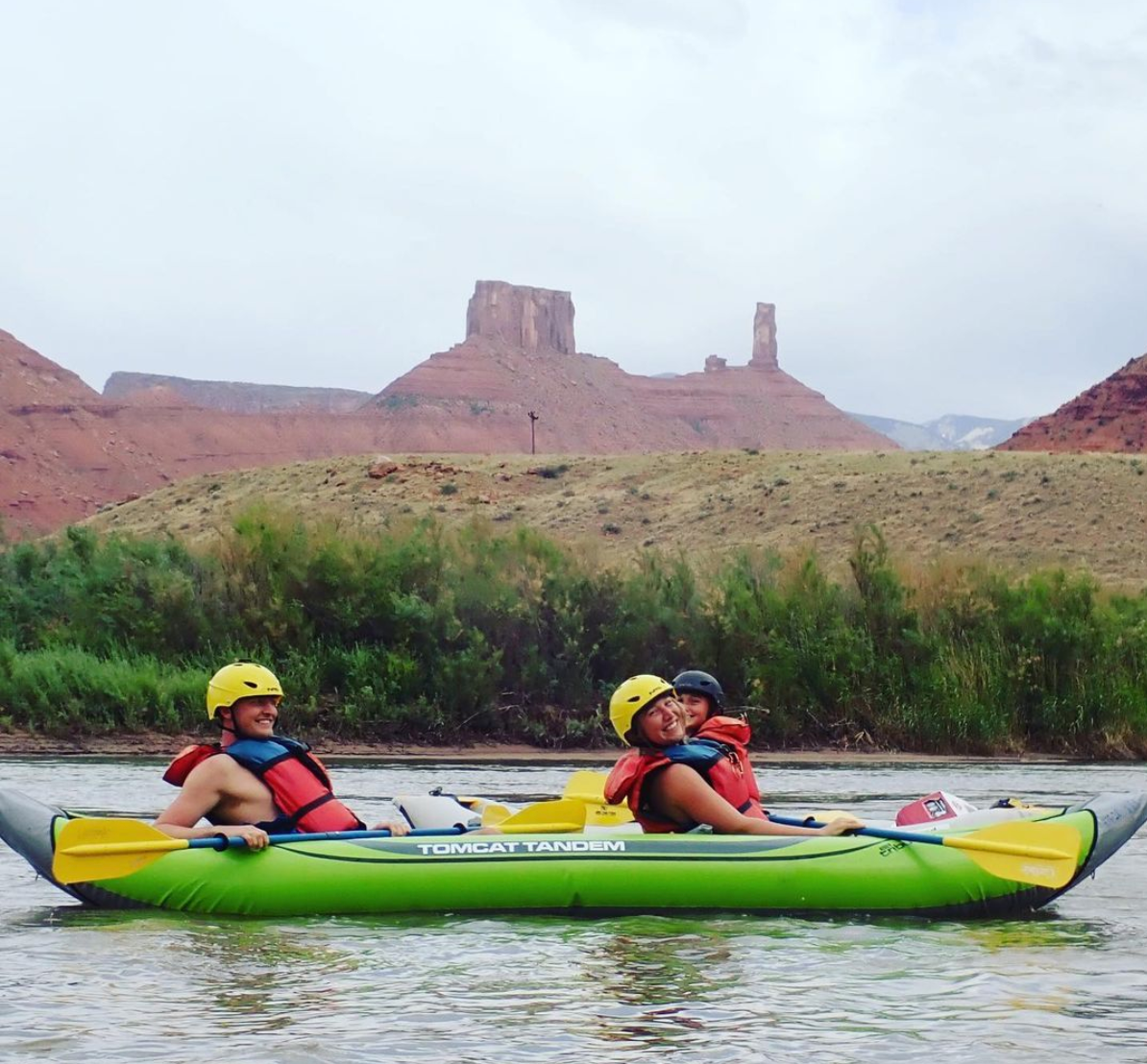 10
10Kayak
Castle Valley is a throat-cut canyon landscape of redrock guardians and wide sky—the kind of place where a kayak lets you read the desert from water level. Here, paddling ranges from glassy reservoir laps under towering sandstone to long, low-gradient river floats through classic canyon country. This guide distills ten approachable and adventurous ways to explore Castle Valley by kayak, with practical notes on seasons, access, and what to pack.
Explore kayak → 11
11Photography Tour
Castle Valley is a light-obsessed landscape: fins, towers and mesas catch sunrise and hold color late into evening. Photography tours here are about reading light and geology together—slowly moving from shadow to glow, scouting vantage points for dramatic silhouettes, and timing the desert's brief windows of perfect clarity. This guide focuses on guided and self-led photography tours that center on landscape, astrophotography, and culturally mindful image-making.
Explore photography tour →E-Bike
Castle Valley is a red-rock amphitheater tailor-made for e-biking: wide, weathered dirt roads that sweep across sage flats, remote two-tracks that thread between sandstone fins, and vast views that unfold toward the La Sal Mountains. E-bikes level the playing field here—letting riders of varied fitness access remote overlooks, long desert loops, and technical slickrock features with enough throttle to make ascents manageable and enough control to savor slow, scenic stretches.
Explore e-bike → 13
13Sightseeing Tour
Castle Valley is a compact, cinematic slice of high desert where monoliths of Wingate sandstone rise like theater sets against the La Sal Mountains. Sightseeing here is intimate and immediate: short drives and modest walks deliver colossal formations, river-bottom green ribbons, and light that stages the landscape anew at dawn and dusk. This guide distills the best small-group and self-guided tours—ideal for photographers, geology buffs, and travelers who want big views with small logistics.
Explore sightseeing tour →Scooter
Castle Valley’s honey‑colored towers and sweeping desert roads reward slow, curious travel. Scooter touring here is less about speed and more about intimacy: hugging river bends on paved byways, rolling past sandstone monoliths, and slipping onto short dirt spurs to reach viewpoints. This guide collects accessible routes, practical gear checks, and planning notes for riders who want to experience the red‑rock landscape on two small wheels—whether you ride an electric scooter, a small-displacement motor scooter, or a manual kick scooter for short transfers between trailheads.
Explore scooter → 15
15Canoe
Canoeing in Castle Valley is a lesson in contrasts: the slow, tactile progress of a wooden yoke and a single-bladed paddle against a backdrop of vertical red sandstone, cottonwood-lined riverbanks, and wide, desert skies. These three recommended canoe outings highlight soft-water floats, short technical stretches near Moab, and scenic day trips that pair perfectly with hiking, climbing, and photography in the valley.
Explore canoe →The city and the sea
Why Castle Valley Belongs on Your Adventure Shortlist
Variety without surrendering the day to long transfers.
The first light that washes over Castle Valley does two things: it unmasks texture in the sandstone and it rearranges priorities. Where city travel often demands compromise—schedules, reservations, humidity—here the itinerary is written in horizon lines and natural anchors. Start with a rope and a rack for sport and trad Climbing on Castleton Tower or at nearby routes; end with a paddle at dusk, where SUP and kayak silhouettes cut the river like rendered brushstrokes. In a single day you can move from desert singletrack beneath endless blue to a river that reflects the La Sal Mountains in cold, high-contrast detail. Castle Valley reads like a condensed manual of the Southwest. ATVs and UTVs carve desert roads to viewpoints that otherwise take a day to reach, giving you access to amphitheaters of stone and hidden washes. Bike tours and bike rentals—from gravel rides that skirt slickrock to e-bike options that flatten steep approaches—make the area approachable for mixed-ability groups. Hikers can choose a sunrise scramble to a spire base or a mellow walking-tour route that keeps the horizon in view. For water lovers, the region’s proximity to the Colorado River and nearby reservoirs opens options for rafting, canoeing, and flatwater paddling with a photography-tour twist: every bend is a composition. What makes Castle Valley special to planners and photographers, families and hard-core adventurers alike is the balance of extremes. Rugged, technical climbs sit minutes from calm water put-ins; a morning spent learning to place pro on an exposed route can be followed by a late-afternoon SUP session on a quiet backwater. Sightseeing tours and guided photography outings interpret the geology and history—how a once-mighty river sculpted towers and where Indigenous pathways threaded these canyons. For travelers who crave variety, pack light but think in layers, and stitch together an itinerary of climbing, hiking, bike-tour loops, and at least one water-activities day. The valley’s real currency is time: low-angle light, a slow wind, and the intervals between human noise when you can hear the desert think.
Access is refreshingly direct: Castle Valley is a short drive from Moab, which serves as the logistical hub for rentals, guides, and shuttles. Local outfitters support rock climbing, guided rafting, kayak and SUP rentals, and ATV/UTV excursions—making it simple to add technical experiences like multi-pitch climbs or whitewater with a pro.
Seasonal considerations matter: spring and fall deliver ideal temperatures for climbing and hiking, while summer brings heat that favors early starts, shaded canyons, and water-based activities. Winter rewards solitude for those prepared for cold nights and possible high-elevation snow in the La Sals.
Conditions shape the day
The best time to visit Castle Valley.
Spring and fall bring mild, dry days ideal for climbing, hiking, and biking. Summers are hot with strong sun—plan early starts and water activities to avoid peak heat. Winter can deliver cold nights and occasional snow at higher elevations (La Sal Mountains). Afternoon monsoon storms are rare but possible in late summer; watch forecasts for lightning if you're exposed on towers.
Best all-around window
Spring + fall
Comfortable mixed-itinerary weather, thinner crowds at beaches and lookouts, and more room to improvise.
Beach season
Spring and fall weekends, when climbers and Moab-based visitors converge—book lodging, guided climbs, and popular shuttle services in advance.
Surf + whales
Late fall through early spring offers solitude, lower prices, and crisp photo light; day temperatures remain pleasant for low-elevation hikes, though nights can be cold.
Coast to inland
Cool marine mornings often give way to warmer inland afternoons and breezy evenings.
Beginner
Short hikes, guided or easy paddles, and mellow scenic rides that require minimal technical skill.
- Guided walking tour of valley viewpoints
- Intro SUP or kayak session on a calm backwater
- Short viewpoint hikes to watch sunrise over Castleton Tower
Intermediate
Longer hikes, gravel or scenic bike tours, and guided climbing introduction routes that require fitness and some outdoor experience.
- Gravel bike-tour loop around valley roads
- Photography tour focused on golden-hour compositions
- Guided half-day climbing on single-pitch routes
Advanced
Technical multi-pitch climbs, route-finding on desert terrain, high-mileage bike rides, and self-supported backcountry expeditions.
- Multi-pitch trad ascent of Castleton Tower
- Full-day UTV backcountry exploration with technical sections
- Self-guided high-desert traverse with bike rental and shuttle
Field kit
What to bring.
Pack for sun, salt water, walking, and a meaningful temperature swing between coast and inland Castle.
Essential
Start here
- Sun protection: wide-brim hat, sunscreen (SPF 30+), sunglasses
- Hydration: 2–4 liters per person for desert days
- Sturdy footwear for mixed terrain (approach shoes or hikers)
- Light layers, including a wind shell and insulated midlayer for evenings
- Basic first-aid kit and a printed or offline map
Water days
Keep it dry
- Climbing rack or harness if you plan to climb; many guides provide gear
- Dry bag for electronics on SUP, kayak, or canoe trips
- Tire repair kit and pump for bike tours or rentals
- Headlamp for early starts and late returns
- Binoculars and a telephoto lens for photography tours
Long days
Stay flexible
- Compact camp stove for sunrise coffee at a viewpoint
- Portable water filter for multi-day backcountry plans
- Lightweight camping kit for dispersed campsite options
- Floatation vest for non-swimmers on water-activities
Insider note
Start early, then keep the geography tight.
Start early—sunrise is the least crowded and best-lit time for both climbing and photography. Use Moab as your logistics base for gear, guides, and last-minute supplies. When combining activities, build in buffer time for route-finding and weather delays—a late-afternoon storm can change a climb or river plan. Respect BLM land: camp in designated spots, pack out human waste when necessary, and avoid cliff-base camping where cultural resources or nesting birds are present. If you plan motorized routes, check local maps for open roads and stay on maintained tracks to prevent erosion. Finally, hire a guide for technical rock or whitewater days—local guides shorten the learning curve and multiply your safe, memorable experiences.
Good to know
Frequently asked questions.
Can I climb Castleton Tower without a guide?
Experienced trad climbers with multi-pitch experience can lead Castleton, but many visitors opt for a guided climb due to route-finding, rappelling logistics, and local beta. Guides also provide all technical gear and instruction.
Are ATVs and UTVs allowed everywhere?
No. Many routes are designated for motorized use while other areas are closed to protect soils and cultural sites. Stay on designated routes, follow BLM signage, and consider a guided UTV trip to learn local regulations.
Is water available for paddling year-round?
Water access depends on seasonal flows and reservoir levels. Spring runoff can raise flows for rafting; summer and fall offer calmer sections suitable for SUP and kayaking. Check river gauges and coordinate with outfitters for current conditions.
Ready when you are
Find the trip that fits your Castle Valley day.
Compare bookable experiences across the coast, city, and mountains—then save the ones that belong in your plan.
Explore all Castle Valley adventures ↗