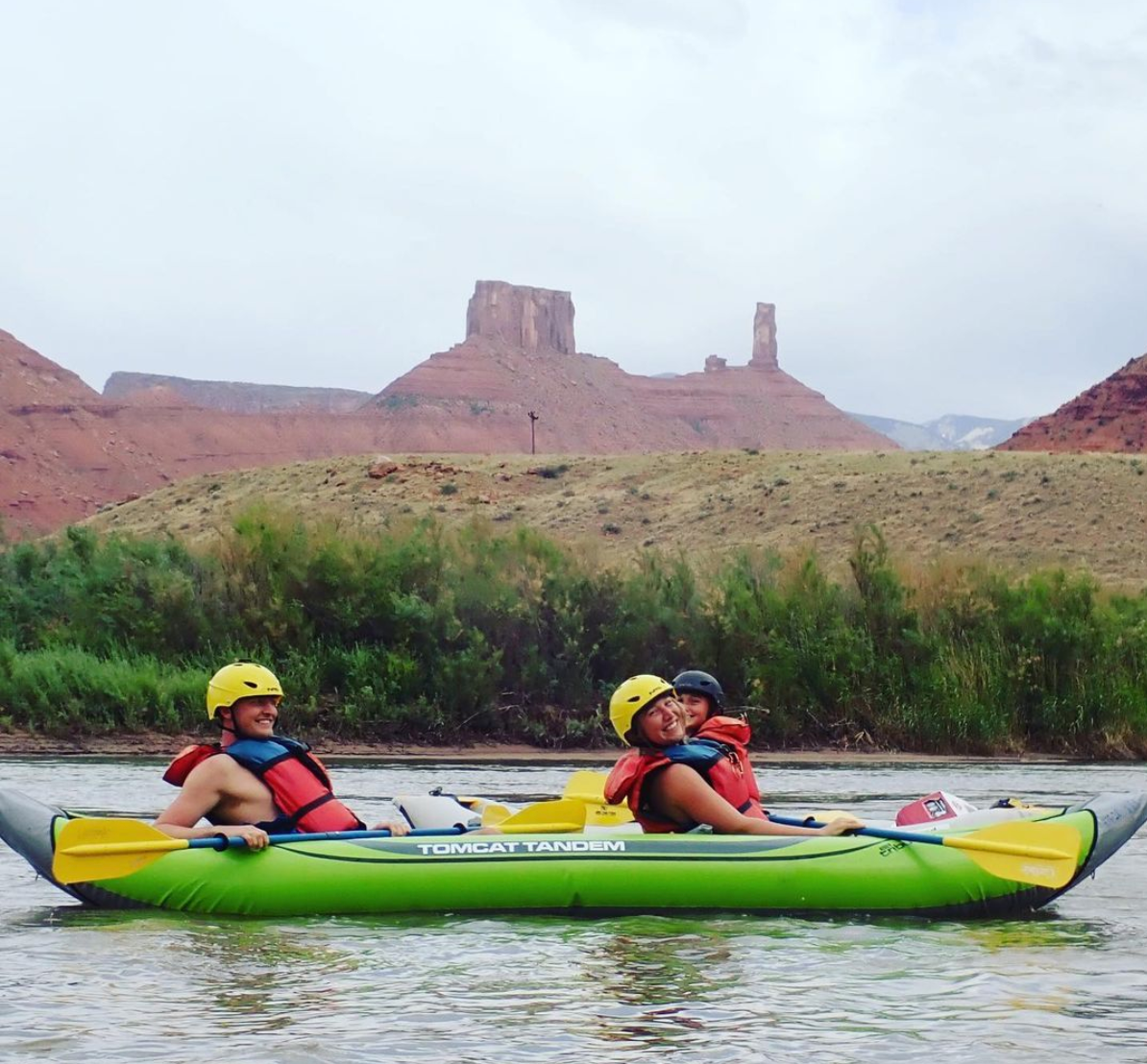
Top 10 Kayak Trips in Castle Valley, Utah
Castle Valley is a throat-cut canyon landscape of redrock guardians and wide sky—the kind of place where a kayak lets you read the desert from water level. Here, paddling ranges from glassy reservoir laps under towering sandstone to long, low-gradient river floats through classic canyon country. This guide distills ten approachable and adventurous ways to explore Castle Valley by kayak, with practical notes on seasons, access, and what to pack.
Top Kayak Trips in Castle Valley
10 trips • Book with confidence • Instant confirmation
Why Kayak Castle Valley?
Castle Valley feels built for the wake of a single blade. From the low, burnished walls that gather morning light to the wind-scoured flats that lay out like a map, paddling here is an inversion of the usual desert dynamic: instead of scrambling up sandstone, you glide beneath it. The water in Castle Valley is a mirror that amplifies scale—spindrift on a quiet reservoir becomes a constellation of points; the canyon rim reflected in a slow-moving river gives the impression you’re floating between sky and stone.
What makes this place special for kayakers is how varied the water plays against its surroundings. On one morning you’ll move like a small, deliberate animal around a bench of slickrock, the paddle whispering; by late afternoon you might be drift-paddling through a wide, agricultural river corridor with cliff-crowns on the horizon. That variability means Castle Valley suits a wide cross-section of paddlers: families seeking calm flatwater, photographers chasing late-light reflections, and experienced paddlers looking for longer canyon floats that require planning and river sense.
The landscape also shapes the practicalities of the trip. Desert hydrology is episodic—flows and reservoir levels respond to snowmelt and irrigation releases, and wind can turn a serene morning into a chopping, bracing challenge by midday. Accessibility is often a compromise: some of the best put-ins are off maintained access roads and might require a short carry, while others are roadside launches within easy reach of town. This mix yields an important truth for planning: pick your water based on weather, group ability, and the experience you want—flatwater photography, long mellow miles, or bold canyon lines.
Beyond the paddle, Castle Valley rewards a broader approach to an outdoor day. Combine a short reservoir loop with a desert hike to a viewpoint, or finish a river day with a starlit camp beneath the towers. Responsible land use matters here—desert riparian zones are fragile, and low-water shorelines concentrate recreation, so practice low-impact launches and pack out what you bring. In short: Castle Valley is intimate, surprising, and quietly generous to those who come prepared and curious.
The variety of experiences is the region’s strength: glassy early-morning flatwater, wide agricultural rivers with gentle currents, and narrow canyon sections that require route-finding and attention to changing conditions.
Seasonal rhythms dominate. Spring snowmelt widens flows and fills reservoirs; summer brings hot afternoons and steady winds; fall offers calm, clear days ideal for long paddles and photography.
Best Time to Visit
Best Months
Weather Notes
Spring brings fuller flows and comfortable air temperatures; summer heats quickly and produces strong afternoon winds, especially across open reservoirs; fall returns cooler mornings and stable conditions. Winter paddling is possible but often cold and limited by low water or ice on small impoundments.
Peak Season
Late spring snowmelt and early summer (May–June) attract the most paddlers drawn by higher water levels and full reservoirs.
Off-Season Opportunities
Late fall and winter weekdays can offer solitude and crisp light for photography, though water levels may be lower and air temps cold. Off-season trips require extra insulation and attention to weather.
Frequently Asked Questions
Do I need permits or launch fees for kayaking in Castle Valley?
Some public access points or managed reservoirs may have day-use fees or parking permits; private launches and irrigated canals may be restricted. Check local land manager websites for the specific access point you plan to use.
Are rentals and guided trips available locally?
Yes—outfitters in the broader Moab area and regional river towns offer kayak and SUP rentals and guided river trips. For multi-mile canyon floats or higher-flow river sections, consider booking a guided trip for logistical ease and safety.
What safety concerns are unique to desert kayaking?
Desert paddling combines exposure (heat and sun), strong afternoon winds, and variable water levels. Plan early starts, carry ample water, watch weather forecasts, and be cautious of long carries or stretches with limited exit points.
Choose Your Experience Level
Beginner
Short, sheltered flatwater loops on calm reservoirs or slow river edges where wind and current are minimal. Ideal for first-time kayakers, families, and photographers.
- Quiet reservoir loop beneath sandstone buttes
- Short riverside paddle with frequent put-in/take-out options
- Sunrise photography paddle on glassy water
Intermediate
Longer river floats with mild current, possible low-grade rapids, or more exposed reservoir crossings demanding wind management and better boat control.
- Half-day river float through open canyon country
- Reservoir crossing with variable wind and shifting fetch
- Mixed paddle-and-hike day combining a short canyon paddle with a nearby trail
Advanced
Extended canyon paddles, multi-mile river runs with changing flow regimes, or windy reservoir crossings that require strong edging, ferrying, and self-rescue skills.
- Long canyon descent requiring route scouting and potential portages
- Multi-mile river navigation with remote take-outs
- Wind-exposed crossings and technical downstream sections
Insider Tips & Local Knowledge
Check access rules, water flows, and weather forecasts before you go; afternoon winds are the single most common factor to change plans.
Start as early as possible—first light often brings the calmest water and the best light for photos. If the forecast calls for sustained winds above 15–20 mph, opt for a shorter sheltered route or postpone to the morning. Shorelines in Castle Valley are often soft and sandy; carry a short, sturdy launch bag or wheeled cart to protect gear during small carries. When planning longer floats, arrange reliable take-out logistics: cellphone coverage can be spotty in deep canyons. Respect riparian habitat by avoiding trampling of narrow shoreline vegetation and packing out all trash—many good put-ins are shared with local anglers and birders. Finally, if you’re unfamiliar with desert river etiquette and hazards (undercut banks, sweepers, variable currents), hire a local guide for your first canyon float—their knowledge of access, water management, and exit points multiplies safety and enjoyment.
What to Bring
Essential
- Personal flotation device (PFD) properly fitted
- Sun protection: hat, sunglasses, sunscreen
- Water (2–4 liters per person depending on trip length)
- Day hatch or dry bag for phone, snacks, and warm layer
- Footwear that can get wet and protect from sharp rock
Recommended
- Spray skirt for smaller canyon water or windy conditions
- Light windproof and insulating layer for early mornings
- Whistle and small VHF/handheld radio or satellite messenger for remote floats
- Basic repair kit (paddle strap, duct tape, valve tool) for inflatable kayaks
- Map or downloaded route on a GPS/navigation app
Optional
- Camera with polarizing filter for reflections
- Fishing gear where permitted
- Lightweight camp towel and change of clothes
- Neoprene booties for cooler shoulder seasons
Ready for Your Kayak Adventure?
Browse 10 verified trips in Castle Valley with instant booking
Explore Top 15 Castle Valley, Utah Adventures →