
Big Pine Key adventure guide
Find your way into Big Pine Key.
A low-slung ribbon of mangroves, flats, and reef, Big Pine Key is the kind of place where mornings begin with glassy water and afternoons end with a sky set on fire. Here, boat tours thread shallow seagrass and deep coral, fishing charters chase permit and bonefish across white sand flats, and the tiny, charismatic Key deer wander roadside hammock. This guide brings together the top ways to explore—boat and catamaran days, snorkeling and scuba on living reef, silent kayak and eco tours, and easy walking or city-style sightseeing—so you can plan the perfect mix of salt-sun hours and slow, deer‑watching evenings.
Three ways into the city
Pick a landscape. Build a day around it.
Big Pine Key is less a single destination than a collection of neighboring worlds. Start with the version of the city that matches your pace, then use the ranked guide below to fill in the details.

Begin where the city meets the sea.
Surf breaks, sheltered harbors, whale routes, and long beach paths make the coast LA’s most immediate outdoor playground.
Explore boat tour →
Let a local connect the landmarks.
Use a guided city, walking, or sightseeing tour to turn LA’s sprawl into a coherent story.
Explore sightseeing tour →
Ride the coast and the city.
Beach paths, river corridors, e-bikes, and ridge climbs reveal a more connected Los Angeles.
Explore bike rental →Choose your way into Big
The top 15 Big Pine Key adventures.
Ranked by the number of currently listed trips. Each panel opens the complete local activity collection.
1Boat Tour
Boat tours out of Big Pine Key condense everything that draws travelers to the lower Keys into a few salt-stung hours: glassy flats, shallow seagrass beds alive with rays and juvenile fish, coral heads beyond the ribbon reefs, and sky-splitting sunsets. Whether you want a glass-bottom glide to spot parrotfish, a flats skiff to stalk permit and bonefish, or a guided snorkel to explore patch reefs and nurseries, the tidal geometry and protected waters around Big Pine Key make for intimate, wildlife-forward trips.
Explore boat tour → 2
2Water Activities
Big Pine Key is a small island with outsized access to the marine world—mangrove-lined backcountry, shallow flats that shimmer with bonefish, and a living reef system that drops off into clear blue. This guide focuses strictly on water activities here: snorkeling and diving the National Marine Sanctuary, flats and backcountry angling, paddling winding mangrove creeks, and slow, wildlife-first boat tours that keep an eye out for the island’s signature Key deer and abundant seabirds. Expect calm mornings, an intimate feel compared with busier Keys hubs, and a landscape where salt, sun, and sea grasses shape every adventure.
Explore water activities → 3
3Fishing
Big Pine Key is a flats angler's quiet reverie: shallow seascapes braided with mangrove isles, crystalline channels that sweep from bay to reef, and the patient shuffle of bonefish across white sand. Here, fishing isn't just an activity—it's a tempo, a way of reading wind and tide, of translating water color into opportunity. From sight-fishing for bonefish and chasing permit along tidal edges to channel and reef trips for snapper, grouper, and kingfish, Big Pine Key serves up a concentrated palette of saltwater experiences within a compact, easy-to-reach island setting.
Explore fishing → 4
4Boat Rental
Big Pine Key is a quiet, keys‑edge launching point for a wide variety of boat rentals — from nimble skiffs and flats skiffs for sight fishing and bonefish stalking to center consoles for reef snorkeling and day trips. The island’s shallow flats, mangrove-lined creeks, and easy access to offshore reefs make it an exceptional base for anglers, snorkelers, and slow‑paced coastal explorers. This guide helps you match boat type, season, and skill level to local conditions so you spend more time on the water and less time worrying about tides, fuel, or where to stash your gear.
Explore boat rental → 5
5Snorkel
Big Pine Key is where intimate flats, protective seagrass meadows, and offshore patch reefs converge to create approachable, mesmerizing snorkeling for a wide range of abilities. Expect clear, shallow water teeming with tropical fish, sprawling seagrass where sea turtles graze, and easy launch points for shore-based excursions or short boat runs to quieter reefs. This guide focuses on how to plan a snorkel trip here—when to go, where to enter, what to expect from the water and wildlife, and how to complement your day with nearby kayaking, nature walks, or diving.
Explore snorkel → 6
6Sailing
Big Pine Key is a pocket of low-slung islands, emerald seagrass flats, and crystalline channels that reward sailors with close-to-shore exploration, world-class snorkeling stops, and quiet anchorages. Whether you’re skipping between shallow mangrove creeks, threading a reef pass to bluewater, or dropping anchor for an evening under stars, sailing here blends technical local navigation with effortlessly scenic cruising.
Explore sailing → 7
7Scuba
A low-slung island punctuated by mangrove fringes and a relaxed dive-town tempo, Big Pine Key is a gateway to some of the Keys’ most accessible, ecologically rich reef systems. Divers here chase healthy coral heads, vibrant reef fish, and the chance to drift along protected shelf edges on short boat runs. For travelers who crave easy logistics and maximum water time, Big Pine Key pairs small-town simplicity with world-class underwater scenery.
Explore scuba →8Sightseeing Tour
Big Pine Key pares the Keys down to salt-scrub quiet, shallow bays, and a surprisingly wild interior. Sightseeing tours here are intimate: low-profile skiffs that whisper through mangrove channels, glass-bottom launches to nearby reefs, guided walks among the tiny, endearing Key deer, and sunset cruises that thread the horizon between coral and sky. Tours emphasize wildlife, coastal ecology, and the small-island rhythms that make this place feel remote while remaining easily accessible from the Overseas Highway.
Explore sightseeing tour → 9
9City Tour
Big Pine Key is a compact, quietly charismatic island town where slow drives, short walks and neighborhood curiosity unlock coastal wildlife, retro Florida architecture, and reef-edge adventures. This guide focuses on city tours—walking, biking and driving itineraries that introduce you to the Key Deer, local history, artisanal food, and the low-key coastal culture that makes Big Pine Key feel like a small village at the edge of the ocean.
Explore city tour → 10
10Dolphin
Big Pine Key is a small island with a big reputation for intimate dolphin encounters. From shallow flats where juveniles learn to hunt to deeper channels where adult bottlenose pods cruise, this stretch of the Lower Keys offers a variety of ways to meet these charismatic marine mammals—by kayak, skiff, or eco-tour. This guide focuses specifically on dolphin-centered experiences and the planning details travelers need to turn a wish into a responsible, memorable trip.
Explore dolphin →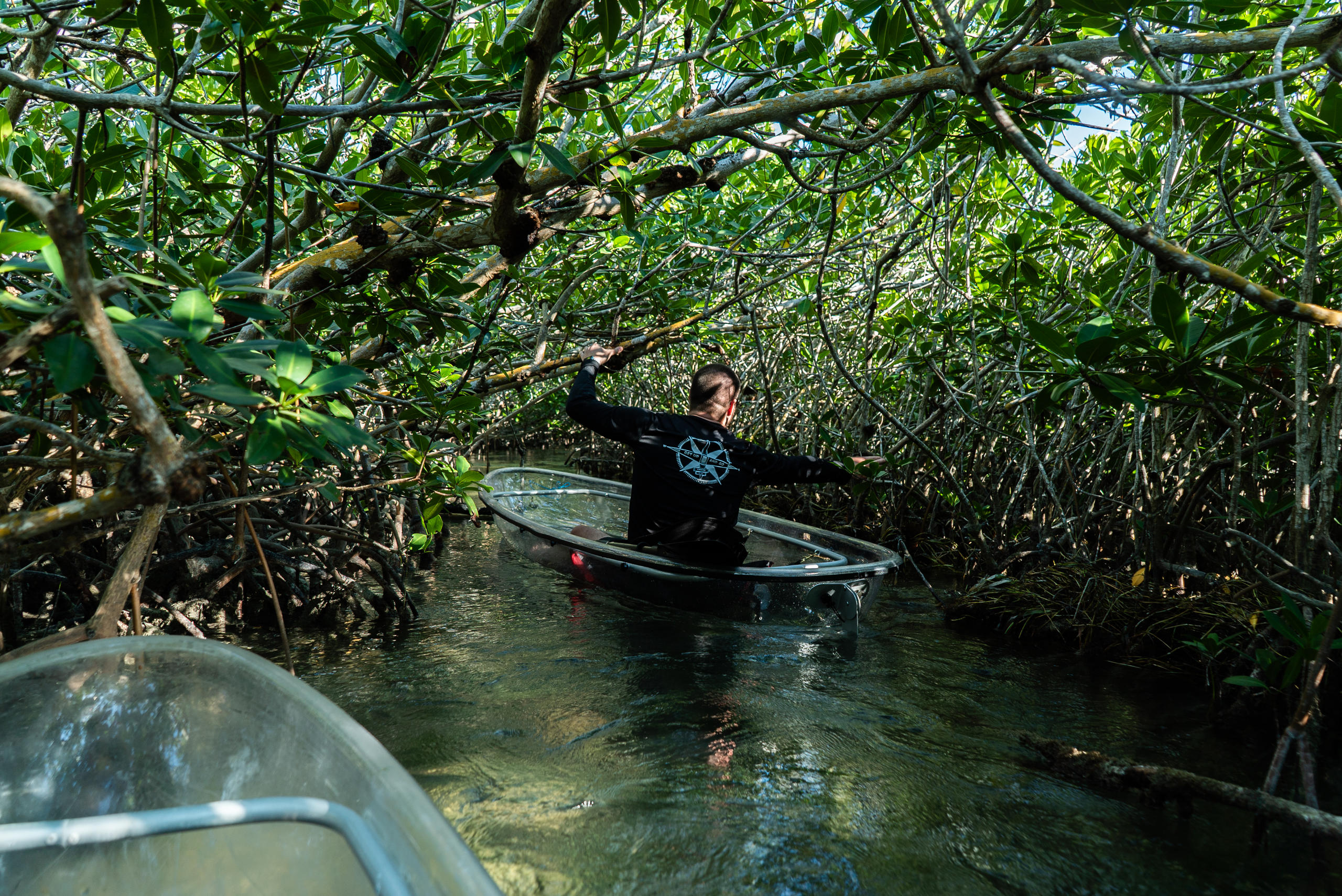 11
11Eco Tour
Big Pine Key compresses the Bay-to-Ocean ecology of the Lower Keys into an intimate, unhurried landscape. Eco tours here specialize in close-up encounters with mangrove forests, seagrass flats, and the small-but-iconic Key deer; they emphasize low-impact travel, conservation education, and hands-on stewardship. Expect glass-bottom boats into shallow reef terraces, guided kayak pushes through tannin-streaked creeks, snorkeling trips to patch reefs and restoration sites, and birding walks led by local naturalists.
Explore eco tour →12Bike Rental
Big Pine Key compresses the feel of the Lower Keys into intimate miles of shoreline road, quiet neighborhoods, and protected refuge land—an ideal canvas for two-wheeled exploration. Bike rentals here mean swapping freeway speeds for sea-breeze paces: cruisers for shoreline loops, e-bikes for longer rides toward neighboring keys, and fat-tire or hybrid rigs for sandy side-tracks and refuge trails. Expect low, flat terrain, abundant wildlife (including the famed Key deer), and direct access to scenic stretches of the Overseas Heritage Trail that transform a rental into a full-day coastal itinerary.
Explore bike rental → 13
13Kayak
Big Pine Key is a compact, salt-scented laboratory for shallow-water paddling: mangrove mazes that thread into quiet backcountry flats, seagrass beds that feed a vivid undersea life, and shoreline glimpses of the famous Key deer. This guide focuses on kayak routes, practical planning, and complementary activities — snorkeling, fishing, and wildlife photography — so you can turn a day on the water into a layered Keys experience.
Explore kayak →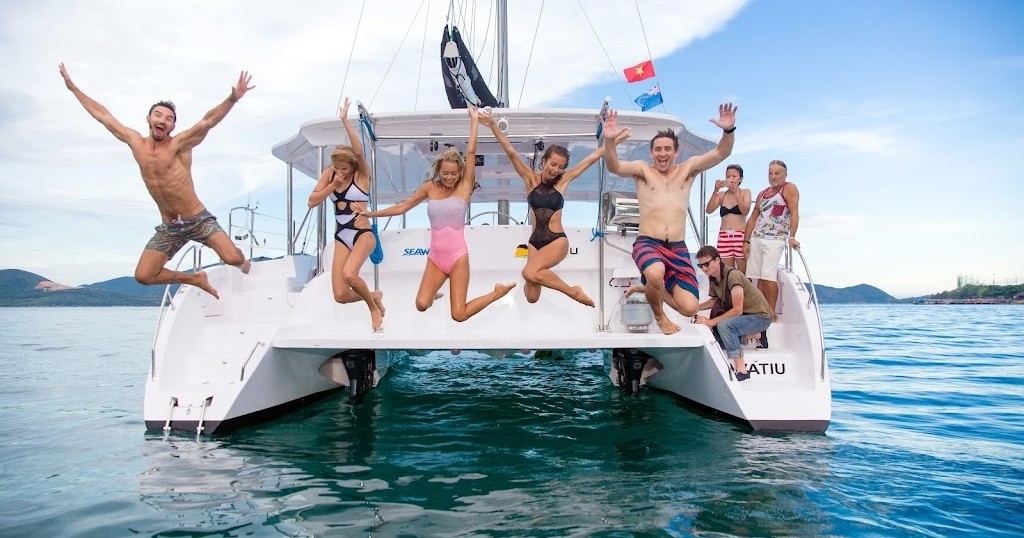 14
14Catamaran
Big Pine Key is where low, luminous flats meet coral reef edge and the slow, deliberate hum of a catamaran engine becomes an invitation rather than a commute. Here, catamaran trips range from half-day snorkeling safaris to private sunset sails that drift over seagrass meadows and past skittering bonefish flats. The accessible waters, abundant wildlife, and nearby reefs make this a premier place to explore by multihull—whether you’re after glass-smooth coastal cruising, buoyant snorkeling platforms, or a roomy base for family fishing and wildlife watching.
Explore catamaran → 15
15Walking Tour
Big Pine Key compresses the essence of the Lower Keys into short, unforgettable walks: shady hardwood hammocks, salt-scented roadside paths, quiet refuge boardwalks, and neighborhoods where Key deer graze at dawn. These walking tours emphasize wildlife, conservation, and the slow coastal rhythms that make the island feel both intimate and wild.
Explore walking tour →The city and the sea
Why Big Pine Key Belongs on Your Adventure Shortlist
Variety without surrendering the day to long transfers.
Big Pine Key is a small island with outsized marine life—an interface where shallow flats meet offshore reef, and where human-scale adventure still feels elemental. At dawn, guides launch skiffs into mirror-flat channels searching for tailing permit or the ghostly flash of bonefish. By mid-morning, catamarans and boat tours ferry snorkelers to Looe Key and coral bommies that teem with parrotfish, angelfish, and the slow ballet of goliath grouper. The island’s inland pockets—mangrove creeks, the Blue Hole, and hammock trails in the National Key Deer Refuge—offer contrasting quiet: walking tours, wildlife watching, and easy bike rides. Culturally, Big Pine Key is a different breed than busy Key West; it’s quieter, more conservation-minded, and unapologetically local. The National Key Deer Refuge frames many of the best non-water outings: guided eco tours teach the nuanced stewardship needed to protect both the deer and the fragile coastal habitats. At sea, outfitted boat rental and charter services—everything from a DIY kayak to an overnight sailing passage—make it simple to customize the day around surfing fishable tides, chasing sunsets aboard a catamaran, or planning a morning scuba session when visibility is at its peak. Practically, the island punches above its weight: a short drive connects you to launch points and reef access while small outfitters deliver intimate group sizes and deep local knowledge. For travelers who want both action and slow moments—an early morning fishing drift followed by an afternoon snorkel—Big Pine Key delivers a tightly packed menu of boat tours, water activities, and land-based wildlife viewing without the crowds that overwhelm larger Keys.
Access and variety are the island’s strengths. You can swap a guided scuba or snorkeling trip for a private boat rental, or choose a family-friendly sightseeing tour that folds in dolphin watching and reef stops. Outfitters in town specialize in flats fishing, sight‑seeing tours that highlight marine ecology, and eco tours focused on the refuge and mangrove systems.
Conservation is woven into the local experience—visitors are encouraged to use reef‑safe sunscreen, observe wildlife at a distance (especially the Key deer), and follow local rules for anchoring on coral. That ethic keeps the reef productive, the flats fishable, and the island feeling like a destination you want to return to.
Conditions shape the day
The best time to visit Big Pine Key.
Winters are mild and dry—prime for boating, fishing, and clear-water snorkeling. Summer brings heat, higher humidity, and afternoon thunderstorms; visibility can vary with storms and wind. Hurricane season runs June–November; check forecasts and marine advisories before planning.
Best all-around window
Spring + fall
Comfortable mixed-itinerary weather, thinner crowds at beaches and lookouts, and more room to improvise.
Beach season
December–April sees the most visitors—book charters and rentals well in advance.
Surf + whales
Summer rates can be lower and water temperatures are warm for swimming; anglers and divers may prefer shoulder months for stable seas and clearer conditions.
Coast to inland
Cool marine mornings often give way to warmer inland afternoons and breezy evenings.
Beginner
Low-commitment, high-reward outings: calm snorkel spots, sightseeing boat tours, and short walking tours through the refuge.
- Half-day Boat Tour with reef snorkel
- Guided Sightseeing Tour with dolphin watching
- Short Walking Tour inside the National Key Deer Refuge
Intermediate
A step up: private kayak or small-boat rentals for exploring creeks and flats, half-day fishing trips, and full snorkeling days to multiple reef sites.
- Guided Kayak eco-tour through mangroves
- Half-day Fishing charter targeting permit or snapper
- Snorkeling trip to Looe Key on a catamaran
Advanced
Longer offshore days and technical pursuits: multi-site scuba, sail passages to remote reefs, flats fishing for permit and bonefish, and night dives for experienced divers.
- Full-day Scuba trip to deeper reef sites
- Overnight Sailing or Catamaran charter to outer keys
- Advanced flats Fishing for permit with a specialist guide
Field kit
What to bring.
Pack for sun, salt water, walking, and a meaningful temperature swing between coast and inland Big.
Essential
Start here
- Reef‑safe sunscreen and sun hat
- Light quick‑dry layers and a wind/rain shell for brief storms
- Waterproof phone case or dry bag
- Closed‑toe water shoes for rocky or reefy landings
- Personal flotation device if renting small craft
Water days
Keep it dry
- Polarized sunglasses for reading the flats and spotting fish
- Compact snorkel mask and fins if you prefer your own fit
- Light daypack for walking tours and picnic gear
- Insect repellent for evening refuge walks
Long days
Stay flexible
- Spare leash or buoy for an action camera
- Small foldable kayak spray skirt or seat cushion
- Binoculars for birding and shoreline wildlife
Insider note
Start early, then keep the geography tight.
Book popular boat tours and fishing charters early, especially in winter. Use reef‑safe sunscreen and avoid standing on coral—anchors and shoes can do lasting damage. For flats fishing, time your trip around low‑to‑rising tides and hire a local guide who reads the water. Respect the National Key Deer Refuge by staying on marked roads and trails, and drive slowly at dawn and dusk—deer often cross roads. If renting a boat, confirm fuel policy, safety gear, and a basic local briefing on shoals and navigation aids.
Good to know
Frequently asked questions.
Do I need a guide for snorkeling or scuba at Looe Key?
Guided trips are strongly recommended for Looe Key: local captains know the reef, currents, and best anchor spots. Certified divers can arrange shore dives or boat dives, but first‑time visitors benefit from a guided boat that provides gear and local briefings.
Are permits required for fishing or boating?
Saltwater fishing in Florida requires a license for most visitors (check state rules and short‑term license options). Commercial charters include permits and follow state and federal size and bag limits—confirm with your outfitter before booking.
Is it safe to approach the Key deer?
No—Key deer are protected and should not be fed or approached. Keep a respectful distance, photograph quietly, and avoid blocking their movement; fines can apply for harassment.
Ready when you are
Find the trip that fits your Big Pine Key day.
Compare bookable experiences across the coast, city, and mountains—then save the ones that belong in your plan.
Explore all Big Pine Key adventures ↗