Top Eco Tours in Big Pine Key, Florida
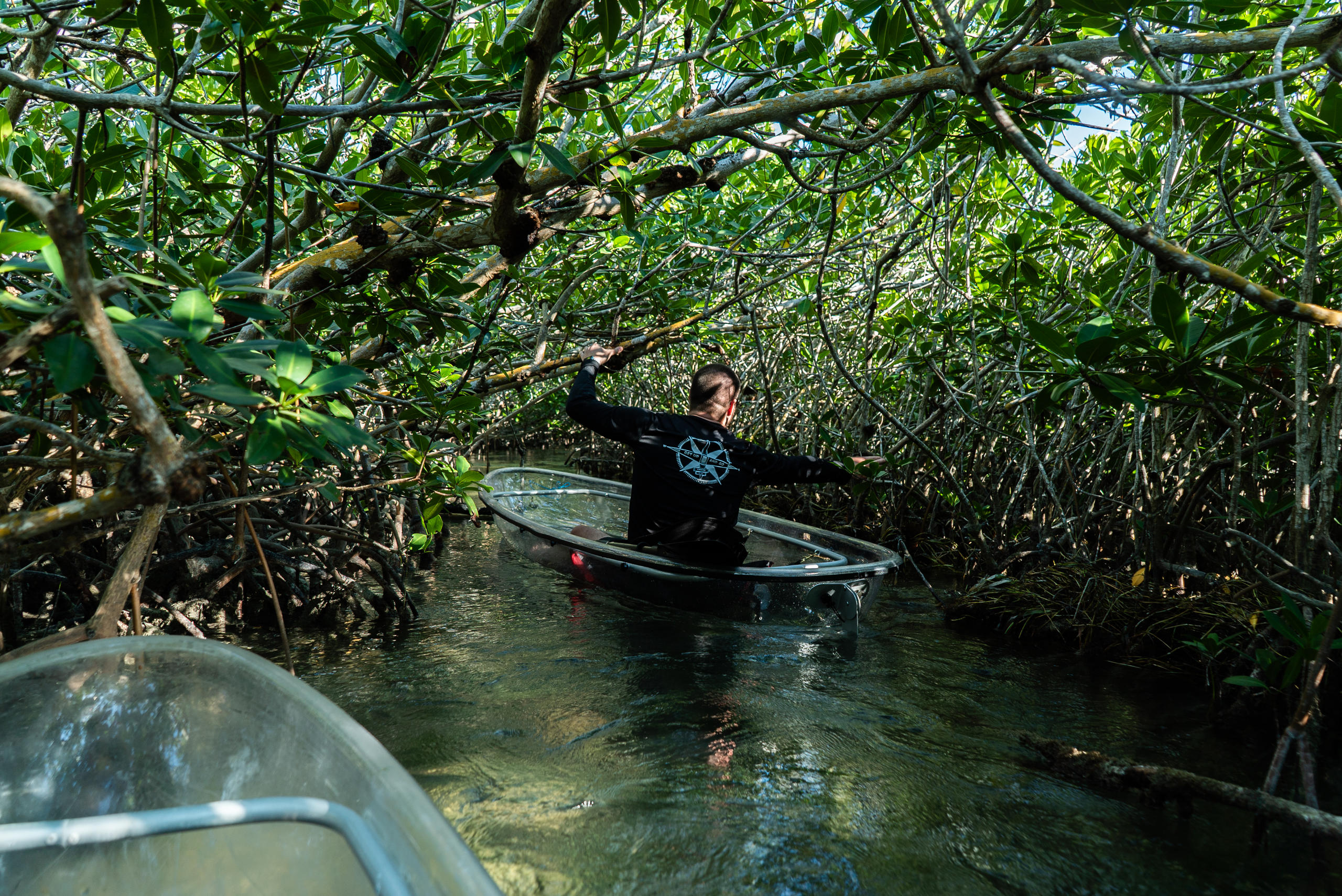
Big Pine Key compresses the Bay-to-Ocean ecology of the Lower Keys into an intimate, unhurried landscape. Eco tours here specialize in close-up encounters with mangrove forests, seagrass flats, and the small-but-iconic Key deer; they emphasize low-impact travel, conservation education, and hands-on stewardship. Expect glass-bottom boats into shallow reef terraces, guided kayak pushes through tannin-streaked creeks, snorkeling trips to patch reefs and restoration sites, and birding walks led by local naturalists.
Top Eco Tour Trips in Big Pine Key
30 trips • Book with confidence • Instant confirmation
Why Big Pine Key Is a Standout Eco Tour Base
There’s an economy of scale to Big Pine Key’s wildness: within minutes of paved road you can move from neighborhood lagoons rimmed with mangroves to broad, thigh-deep seagrass flats and out to low-profile patch reefs where sponges, snails, and juvenile fish stage their early lives. That immediacy—water that’s often warm and shallow enough to stand in, mangrove roots perfect for in‑place interpretation, and a network of small operators committed to conservation—gives eco tours here an intimate, educational quality that larger resorts can’t replicate. Guides on Big Pine Key marry natural history with local stewardship: a morning paddle might include lessons on the role of red mangroves in storm buffering, a demonstration of seagrass nursery techniques, or an on-the-water briefing about the Key deer’s recovery and its ongoing threats.
The National Key Deer Refuge anchors the island’s ecological identity and shapes much of the eco-tour experience. Walks and drives through refuge edges offer opportunities to see the diminutive, endemic deer at dawn and dusk, but the conservation narrative extends beneath the surface. Seagrass beds here act as nurseries for commercial and recreational species, stabilize sediment, and sequester carbon—topics that local outfitters translate into hands-on conservation: oyster and coral restoration, citizen-science snorkeling surveys, and beach cleanups tied to tour departures. Because habitats are compact and accessible, tours can layer activities—snorkel a restoration site, then kayak a mangrove creek while a guide points out wading birds and marine invertebrates—so a single half‑day outing feels like a micro-ecosystem course.
Seasonality and weather shape both the practical and ethical dimensions of eco touring. The drier winter months bring clearer water and more predictable winds, making guided snorkeling and birding especially productive. Summer’s heat invites long, shallow-water exploration but demands attention to storms and the ethically driven approach of operators who limit disturbance during spawning and high-traffic periods. Because Big Pine Key’s operators are often small, community-rooted businesses, they tend to emphasize low-impact group sizes, reef-safe practices, and the value of slow travel: arriving early, moving with tides, and leaving sites cleaner than you found them. For travelers seeking fieldwork-style engagement rather than a passive cruise, Big Pine Key’s eco tours offer a compact, thoughtful, and deeply place-based way to experience the Keys’ fragile mosaic of land and sea.
Compact, walkable nature: habitats are close together—mangroves, flats, and patch reefs are often within a short paddle or boat ride.
Conservation-first operators: many guides partner with local NGOs and refuges on restoration and citizen-science projects.
Wildlife diversity at human scale: rare endemic species like the Key deer, rich shorebird roosts, and juvenile reef communities make for accessible encounters.
Best Time to Visit
Best Months
Weather Notes
The coolest, clearest months are November–April when winds are typically moderate and water visibility improves for snorkeling and glass-bottom tours. Summer is warmer and wetter with higher humidity and the possibility of tropical storms—expect intermittent afternoon thunderstorms and plan tours in the morning. Hurricane season runs June 1–November 30; always check forecasts and operator status during that period.
Peak Season
December–March (holiday travel and winter visitors increase tour bookings)
Off-Season Opportunities
Late spring and summer bring fewer visitors and lower prices; mornings offer calm water for paddles, and operators may offer specialized restoration projects or citizen-science shifts during quieter months.
Frequently Asked Questions
Are eco tours suitable for families and kids?
Yes—many operators run family-friendly half‑day paddles and snorkeling trips with shallow-water options. Ask about age minimums and life‑jacket policies when booking.
Do I need prior paddling or snorkeling experience?
Most tours accommodate beginners: guides provide instruction and often use stable kayaks or paddleboards and reef-safe snorkeling zones in shallow water. If you’re nervous, choose guided small-group tours that emphasize instruction.
How close can tours get to Key deer and wildlife?
Responsible operators maintain respectful distances to avoid stressing wildlife—especially Key deer. Viewing is best at dawn and dusk. Never feed or approach deer.
Choose Your Experience Level
Beginner
Short, guided outings with minimal technical skill required. Expect calm water, slow paddling, and interpretive stops.
- Guided mangrove kayak (1–2 hours)
- Shallow-flats snorkeling for beginners
- Sunrise Key deer viewing drive or walk
Intermediate
Longer paddles or mixed tours that include snorkeling and moderate physical effort. Some basic snorkeling or paddling experience helpful.
- Half-day kayak + snorkel combo to patch reefs
- Guided birding paddle through creeks and channels
- Citizen-science snorkeling surveys
Advanced
Full-day field-style trips, conservation workdays, or longer open-water paddles requiring stamina, strong swimming skills, and a higher tolerance for exposure.
- Full-day reef restoration dives/snorkel support
- Long cross-channel paddles to nearby keys
- Volunteer-driven habitat restoration or monitoring days
Insider Tips & Local Knowledge
Respect local wildlife and tides; small-operator guides are a gateway to meaningful conservation experiences.
Book morning departures for calmer water and cooler temperatures; reef and seagrass visibility declines in strong winds and after heavy rain. Always choose reef-safe sunscreen and avoid single-use plastics—operators often enforce these practices. Check tide charts: many flats are best explored on a falling or low tide when species concentrate in shallow channels. If your priority is Key deer viewing, schedule dawn or dusk options and avoid busy holidays when animals are more skittish. Support local conservation by opting for operators who donate time or proceeds to restoration projects and by bringing reusable water bottles or small trash bags to remove debris. Finally, ask guides about ongoing restoration work—many tours include short, actionable conservation tasks you can join, from conch counts to coral plug planting.
What to Bring
Essential
- Reef-safe sunscreen (non-nano zinc oxide preferred)
- Lightweight water shoes or closed-toe sandals
- Quick-dry layers and a lightweight rain shell
- Reusable water bottle and sun protection (hat, sunglasses)
- Binoculars for birding and wildlife viewing
Recommended
- Mask/snorkel and fins (many operators provide gear but fit varies)
- Waterproof phone case or small dry bag
- Small field notebook for species notes
- Insect repellent for mangrove walks (prefer DEET alternatives if advised)
Optional
- Polarized sunglasses for spotting fish from a boat
- Underwater camera or GoPro for reef and seagrass shots
- Light binoculars (8x) for distant shorebird flocks
Ready for Your Eco Tour Adventure?
Browse 30 verified trips in Big Pine Key with instant booking
Explore Top 15 Big Pine Key, Florida Adventures →