
Big Coppitt Key adventure guide
Find your way into Big Coppitt Key.
A low-slung, salt-scented slice of the Keys, Big Coppitt Key is a gateway to shallow reefs, mangrove-lined creeks, and a storied fishing culture. With more than 2,000 listed activities, the area leans heavily into boat tours, water activities, and angling—yet it rewards anyone who comes expecting easy access to snorkeling, kayaking, dolphin watching, and slow afternoons aboard a rented boat or catamaran.
Three ways into the city
Pick a landscape. Build a day around it.
Big Coppitt Key is less a single destination than a collection of neighboring worlds. Start with the version of the city that matches your pace, then use the ranked guide below to fill in the details.

Begin where the city meets the sea.
Surf breaks, sheltered harbors, whale routes, and long beach paths make the coast LA’s most immediate outdoor playground.
Explore boat tour →
Let a local connect the landmarks.
Use a guided city, walking, or sightseeing tour to turn LA’s sprawl into a coherent story.
Explore sightseeing tour →
Ride the coast and the city.
Beach paths, river corridors, e-bikes, and ridge climbs reveal a more connected Los Angeles.
Explore bike rental →Choose your way into Big
The top 15 Big Coppitt Key adventures.
Ranked by the number of currently listed trips. Each panel opens the complete local activity collection.
1Boat Tour
Big Coppitt Key is an intimate launch point for boat tours that skim mangrove-fringed shallows, thread through sunlit channels, and drop anchor on reef patches ringing the Keys. From short eco-cruises and glass-bottom tours to half-day snorkeling outings and private charters for fishing or sunset watching, the water around Big Coppitt Key is both classroom and playground—rich with marine life, shallow flats, and easy access to deeper waters for more ambitious trips.
Explore boat tour → 2
2Water Activities
Big Coppitt Key is a small island with outsized water access: mangrove labyrinths, shallow flats, channel edges that drop off to reef, and calm inlets that invite kayak, paddleboard, and small-boat exploration. This guide focuses tightly on water-based pursuits—snorkeling, flats fishing, kayaking, paddleboarding, boating, and eco-touring—so you can plan trips that match tide, wind, and skill level.
Explore water activities → 3
3Fishing
Big Coppitt Key sits on the gentle edge of the Florida Keys' fishing tapestry—an intimate gateway to flats, mangrove channels, nearshore reefs, and the deepwater corridors beyond. Here, anglers toggle between the delicate stalk of a bonefish on shimmering white flats and the explosive strike of a tarpon in tidal passes, all within easy reach of Key West’s maritime culture. This guide focuses on how to plan time on the water, what species to chase by season and technique, and practical choices that turn a day’s fishing into a memorable expedition.
Explore fishing → 4
4Boat Rental
Small, sun-baked, and perfectly positioned, Big Coppitt Key is a quietly excellent launch point for boat-based exploration in the Lower Keys. Boat rentals here put you within easy reach of shallow flats, backcountry mangrove channels, reef drop-offs, and the protected waters of Florida Bay—ideal for anglers, snorkelers, wildlife watchers, and anyone who wants to let the tide set the day's itinerary.
Explore boat rental →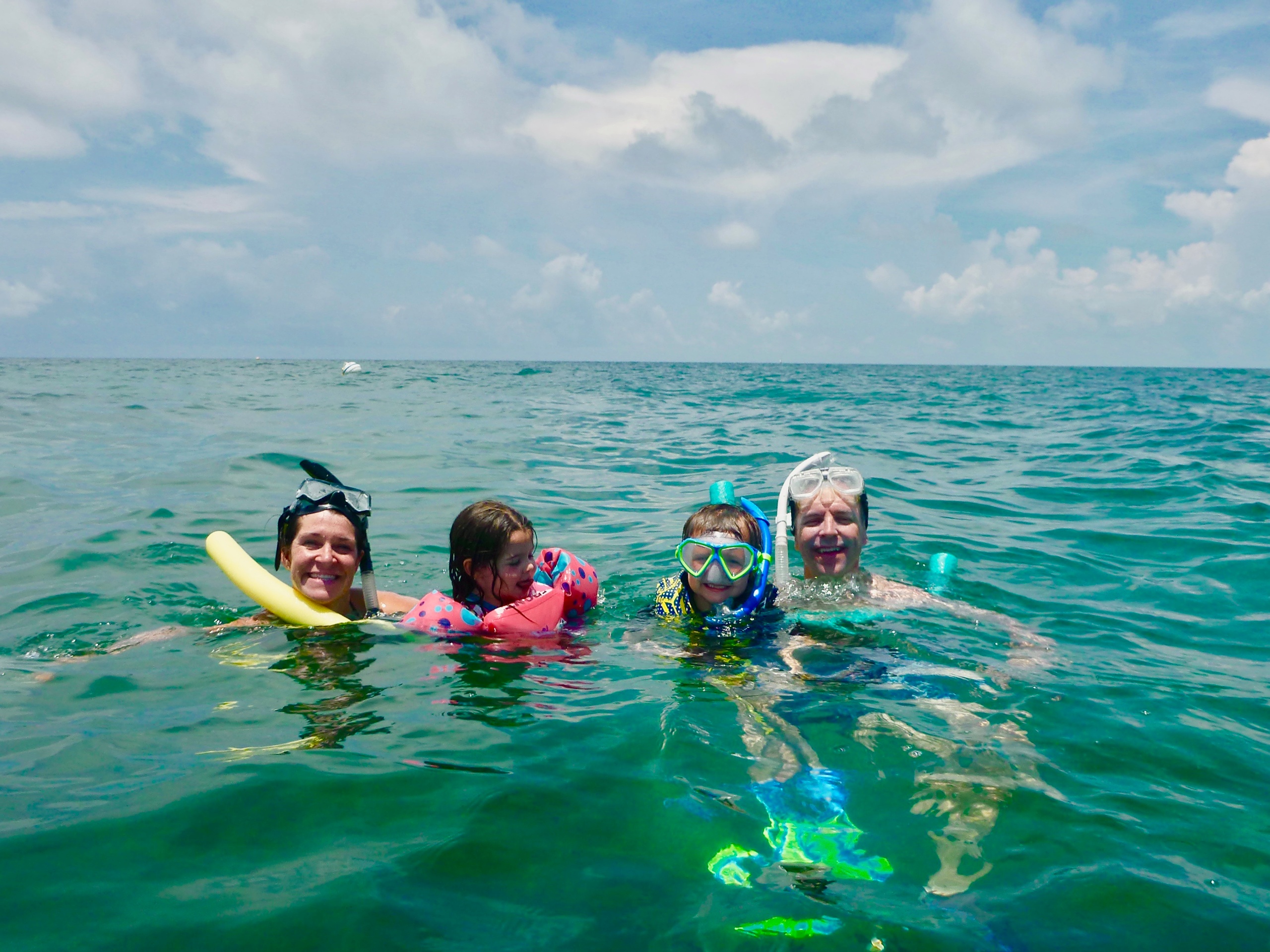 5
5Snorkel
Big Coppitt Key sits on the quieter edge of the Lower Keys, a low-profile launchpad into the shallow patch reefs, grass flats, and mangrove-fringed bays that define snorkeling here. The activity is intimate: short boat runs to visible reef heads, calm inshore swims amid seagrass and juvenile gamefish, and shore-access coves for easy wading snorkels. This guide focuses on snorkeling specifically—how to choose sites by tide and wind, where shore access is realistic versus when a boat is necessary, and how to layer snorkeling trips with paddleboarding, glass-bottom boat excursions, and light-fishing charters.
Explore snorkel →Sailing
Sheltered backcountry channels, shallow flats threaded by mangroves, and quick access to open-water passes make Big Coppitt Key an inviting launch point for sailors who want the best of the Keys in compact, approachable waters. Whether you’re carving a day-sail through turquoise shallows, anchoring off a private sandbar for a sunset barbecue, or island-hopping toward the Marquesas and Bahia Honda, local conditions favor nimble boats, skilled skippers, and itineraries built on tides and light winds.
Explore sailing → 7
7Scuba
Big Coppitt Key sits quietly between the bustle of Key West and the shallow backcountry of the Lower Keys, offering direct access to patch reefs, ledges, and nearby wrecks that cater to divers of all levels. Expect warm Caribbean-tinged waters, clear visibility on good days, and a mix of macro life on seagrass flats and larger reef species along the drop-offs. This guide focuses on scuba experiences that start from Big Coppitt Key: shore and boat dives, night and drift options, and practical planning notes for paddling between dive shops and overnight options in Key West.
Explore scuba →8Sightseeing Tour
Big Coppitt Key is a quietly magnetic hinge between the bustle of Key West and the vast, shallow mosaics of Florida Bay. Sightseeing here is less about ticking off landmarks and more about slow, sensory travel: salt-warmed breezes, narrow mangrove waterways, and short boat runs that deliver big natural encounters. Tours range from 90-minute eco-cruises and glass-bottom excursions to sunset sails and guided paddles through hidden channels. Expect close-up wildlife viewing—dolphins, rays, wading birds—and the sort of low-key cultural glimpses that come from steering clear of packed marina promenades. This guide focuses on the sightseeing experiences that define Big Coppitt Key: what they look like on the water and on shore, when to go, and how to plan a trip that balances ease with real discovery.
Explore sightseeing tour → 9
9City Tour
Big Coppitt Key is quiet, low-slung, and quietly magnetic — the kind of place where a city tour feels more like a slow, sensory walk through salt-scrub streets, mangrove edges, and working-marina pockets. This guide focuses on city‑scale touring: walking and biking loops, short guided cultural walks, water-access village visits, and easy combo itineraries that pair urban discovery with the nearby marine playgrounds of the Keys.
Explore city tour →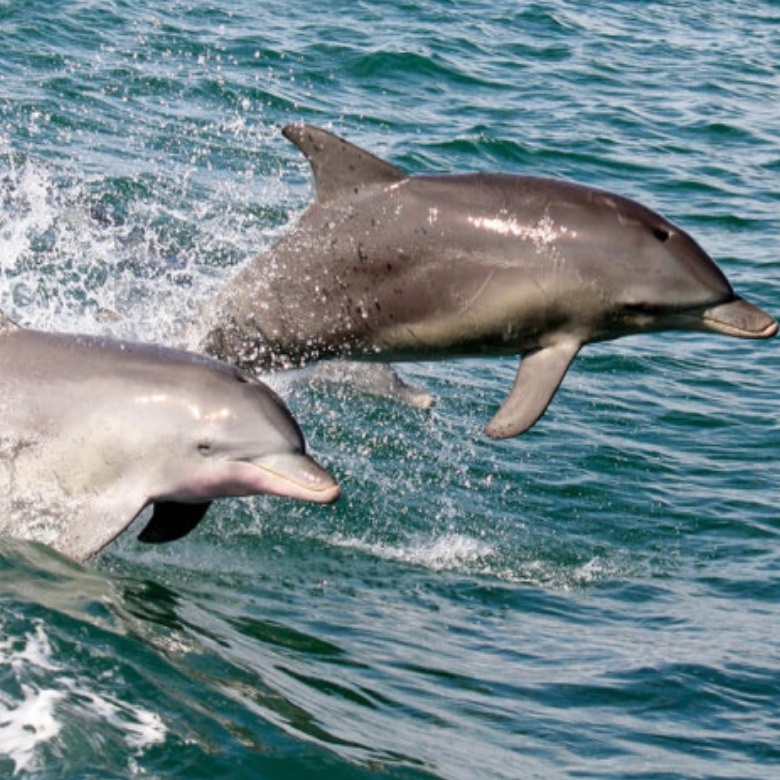 10
10Dolphin
Big Coppitt Key offers some of the most intimate and accessible wild-dolphin viewing in the Lower Florida Keys. Tucked between mangrove-fringed flats and quick access to deeper channels, the area supports resident bottlenose populations as well as seasonal visitors. Whether you join a shallow-water kayak tour, a small-boat eco-cruise, or a guided snorkeling trip, the experience here emphasizes close, ethical observation in habitats that are as photogenic as they are fragile. With 28 matching dolphin-focused experiences in the region, options range from short educational outings to half-day charters that combine dolphin watching with snorkeling, birding, or sunset cruising.
Explore dolphin → 11
11Eco Tour
Big Coppitt Key sits at the quieter edge of the lower Keys—a compact, salt-scented landscape of mangrove fingers, shallow seagrass flats, and warm nearshore reef. Eco tours here are intimate: small boats that slip between mangrove roots, guided kayak trips over emerald flats, and snorkel outings to reefs where parrotfish, nurse sharks, and sea turtles patrol coral bommies. This guide focuses on the region’s eco-tourism experiences—how they feel, when they shine, and how to plan a respectful, low-impact visit.
Explore eco tour →12Bike Rental
Big Coppitt Key’s small scale and salt-scented roads make it a perfect place to swap car keys for handlebars. Rent anything from beach cruisers to e-bikes and explore quiet neighborhood lanes, mangrove-edged causeways, and easy coastal loops that connect to nearby islands. This guide focuses on choosing the right rental, reading local terrain and weather, and pairing rides with snorkeling, fishing, and sunset beach stops.
Explore bike rental → 13
13Catamaran
Big Coppitt Key is a quietly strategic launching point for catamaran adventures that trade highway noise for wind, turquoise flats, and the slow pulse of coastal life. From short sunset sails that cradle you above glittering reefs to full-day charters that unzip the patchwork of islands and mangrove channels, catamarans deliver a stable, social platform for exploring the Keys' saltwater ecosystems. Expect easy boarding, shallow-draft access to prime snorkeling and flats fishing grounds, and an approachable way to taste bluewater sailing whether you want to relax or take the helm.
Explore catamaran → 14
14Kayak
Big Coppitt Key is a compact launchpad into some of the Keys’ most intimate paddling: labyrinthine mangrove tunnels, shallow seagrass flats alive with rays and bonefish, and calm bay crossings that open to wide, glassy horizons. This guide focuses on kayak-specific routes, rental and shuttle options, seasonal considerations, and complementary activities—snorkeling, flats fishing, and SUP—so you can plan purposeful days on the water.
Explore kayak → 15
15Walking Tour
Big Coppitt Key condenses the low, watery drama of the Lower Keys into walkable pockets—mangrove edges, sheltered coves, and quiet residential lanes where salt air and pelican silhouettes set the pace. These 18 recommended walking tours emphasize slow travel: short natural-history loops, shoreline promenades timed for golden-hour light, and intimate cultural walks that pair local fishing heritage with easy seaside terrain. Ideal for photographers, birders, and travelers who prefer their adventures measured in footsteps rather than miles.
Explore walking tour →The city and the sea
Why Big Coppitt Key Belongs on Your Adventure Shortlist
Variety without surrendering the day to long transfers.
Big Coppitt Key arrives like a slow exhale after the mainland: a narrow ribbon of pavement, palms thinning into scrub, and a horizon where glassy flats and coral-shelf blue meet. The place feels calibrated for uncomplicated adventure—boat rental counters and outfitters elbow against casual fish camps, and mornings are for charting shallow reef lines while afternoons drift into longboard sunsets. For travelers who prize access over adrenaline, Big Coppitt Key is a practical dream. You can layer a half-day snorkel on shallow patch reefs with a sunset catamaran, squeeze in a guided eco tour through mangrove tunnels, or charter a fishing trip that leaves before sunrise and returns with Red Snapper stories and salt-caked smiles. The top activities here are water-first—boat tour, water activities, fishing, boat rental, snorkeling, sailing, and scuba—yet the diversity matters: kayak tours through sheltered inlets, dolphin-spotting excursions, leisurely walking tours along the shore, and even city-style sightseeing in nearby Key West are all only minutes away. The real story is how human and natural histories converge. The Keys’ maritime culture—of creole cast-iron kitchens, longline fishermen, and small-boat craftsmanship—gives the place a lived-in feel that’s rare at other seaside destinations. Experts in fisheries and reef stewardship run eco tours that explain coral resilience and mangrove nursery function, turning a simple paddle into a masterclass on coastal health. For the practical adventurer that means your trip can be as experiential or as instructional as you like: a casual beach day that includes a short interpretive stop at a reef, or a focused week of scuba and sportfishing that requires advance booking. Planning here favors simplicity: pick a morning for offshore snorkeling when winds are light, and schedule boat-based activities for the same day to minimize transit. Rentals—from kayaks to skiffs and catamarans—are organized and plentiful; operators will advise on tides, wind windows, and the best reefs for visibility. If you want guided structure, opt for an eco tour or a half-day sail with a captain who folds local natural history into the route. If you prefer to go your own way, choose a shallow-reef buoy with clear markers, carry reef-safe sunscreen, and leave time for a slow, post-adventure meal—fish tacos and Key lime pie are practically ritual. Above all, Big Coppitt Key rewards a patient pace: the best wildlife encounters—dolphins riding a boat’s bow, sea turtles snoozing in turtle grass—often show up when you stop trying to chase them and instead listen to the water.
Access is straightforward and forgiving: short drives connect you to multiple put-ins, charter docks, and reef destinations. Outfitters simplify logistics—boat rentals, guided snorkeling, and fishing charters mean less planning and more time on the water.
Pair exploratory days with cultural detours into the Keys’ fishing heritage and conservation efforts. Local guides emphasize reef stewardship, and many tours double as hands-on learning about mangroves, reef restoration, and responsible angling.
Conditions shape the day
The best time to visit Big Coppitt Key.
Mild winters and warm springs deliver calm seas and pleasant daytime temperatures; summer is hotter and more humid with increased afternoon storms and the official hurricane season from June to November. Wind can be the primary limiter for snorkeling and small-boat outings—check forecasts and local briefings before heading out.
Best all-around window
Spring + fall
Comfortable mixed-itinerary weather, thinner crowds at beaches and lookouts, and more room to improvise.
Beach season
Late fall through early spring brings the highest visitation—plan charters and rentals well in advance during holiday weeks.
Surf + whales
Summer offers quieter docks and potential value pricing; expect hotter days and a greater chance of brief thunderstorms.
Coast to inland
Cool marine mornings often give way to warmer inland afternoons and breezy evenings.
Beginner
Short, guided snorkels, mellow kayaking through mangrove creeks, and easy sightseeing or city tours to nearby Key West.
- Half-day snorkeling trip to shallow patch reefs
- Guided kayak eco tour through mangroves
- Leisurely sightseeing tour and walking tour of nearby Key West
Intermediate
Longer boat days, light offshore fishing, and mixed water-sport days combining sailing and snorkeling.
- Half-day fishing charter targeting nearshore reefs
- Rent a small skiff for a self-guided reef hop
- Afternoon catamaran sail with snorkeling stops
Advanced
Multi-stop scuba itineraries, sportfishing for larger pelagic species, and independent boat trips requiring navigation and weather planning skills.
- Advanced guided scuba dives on deeper wrecks and reefs
- Full-day offshore sportfishing charter
- Self-navigated coastal cruising with reef anchoring and tide planning
Field kit
What to bring.
Pack for sun, salt water, walking, and a meaningful temperature swing between coast and inland Big.
Essential
Start here
- Reef-safe sunscreen and a sun hat
- Light, quick-dry clothing and a wind layer for open-water rides
- Waterproof phone case or dry bag
- Reusable water bottle and snacks for full-day charters
- Valid ID and license info if you plan to rent a boat
Water days
Keep it dry
- Snorkel gear (many operators provide rentals, but fit matters)
- Polarized sunglasses for spotting fish and shallow structure
- Water shoes for rocky or oyster-prone shorelines
- Light rain shell in hurricane season or passing squalls
Long days
Stay flexible
- Underwater camera or action cam with float
- Compact binoculars for dolphin and bird spotting
- Light tackle and a small cooler if planning a private fishing trip (check local regs)
Insider note
Start early, then keep the geography tight.
Book early for winter-spring travel windows and reserve rental boats or guided trips a week or more in advance. Choose operators that brief guests on reef etiquette and safety—support those who use reef-safe products and practice catch-and-release where appropriate. For calmer water, aim for morning outings; afternoon winds pick up regularly and can push coral sediment. If you're renting a boat, pick up local charts and ask about shallow ledges and marked buoys; if uncertain, hire a captain for the first trip. Finally, take time to taste the region’s low-key culinary scene—fresh-caught plates and Key lime dessert make great bookends to any active day.
Good to know
Frequently asked questions.
Can I snorkel reefs without a guide?
Yes—many reefs are accessible from short boat rides or marked shore entries—but guided trips add safety, local knowledge about the best sites for visibility, and stewardship briefings. If you go unguided, use reef-safe sunscreen and avoid standing on coral.
Do I need a license to fish?
Saltwater fishing regulations and licensing vary by activity and residency. Short-term visitors often need a fishing license for certain shore or private-boat methods; many full-day charters include permits and handle catch rules—confirm with your outfitter.
Are dolphin encounters guaranteed?
No. Dolphins are common and often curious, but ethical operators avoid harassing wildlife. Choose tours that prioritize natural behavior and respectful viewing distances.
Ready when you are
Find the trip that fits your Big Coppitt Key day.
Compare bookable experiences across the coast, city, and mountains—then save the ones that belong in your plan.
Explore all Big Coppitt Key adventures ↗